avg —
Chicken Hearts in Sour Cream Sauce on a Skillet

Instructions
I prepare the chicken hearts (500 g) – the secret to quick stewing is in cutting them correctly. I cut each heart lengthwise in half with a sharp knife, removing the large blood vessels and the fatty deposits at the base. I rinse the halves thoroughly under cold running water – this removes any remaining blood and the hearts look nicer in the finished dish.
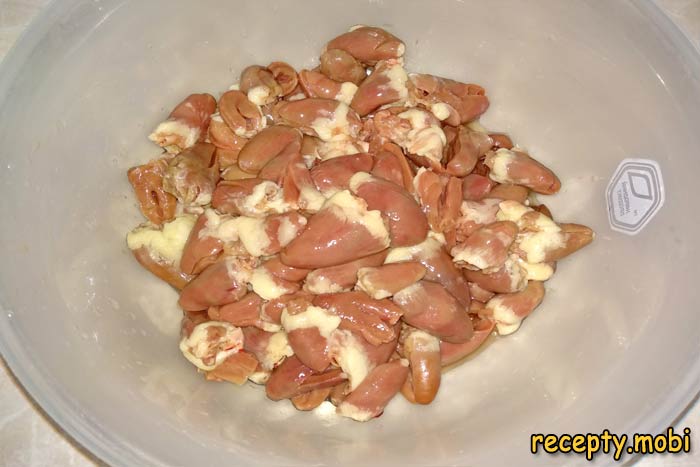
If the hearts are large (from turkey or broiler chickens), I cut them into 5 mm rounds or strips. Smaller cuts cook faster (10–15 minutes instead of 20) but lose their texture. Halves are the golden mean for tender hearts that keep a pleasant texture.
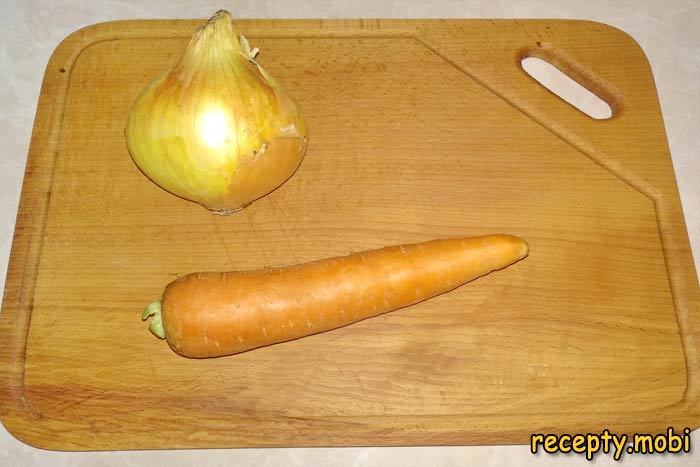
I peel the onion (1 large) and cut it into quarter-rings 3–5 mm thick. I peel the carrot (1 piece) and cut it into long strips 5 mm thick, or grate it on a coarse grater. Onion and carrot are the classic base for hearts in the Soviet recipe – without them the dish tastes flat.
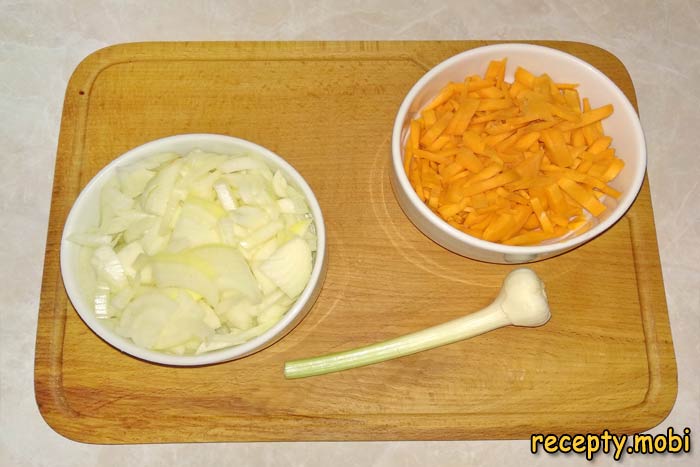
I peel the garlic (3 cloves) and chop it finely with a knife or press it through a garlic press. The garlic goes in right at the end for maximum aroma – long heat treatment destroys its active compounds and the garlic loses its punch. I also prepare the rest of the spices: bay leaf (2 pieces), allspice peppercorns (5 pieces), and the ground pepper mixture.
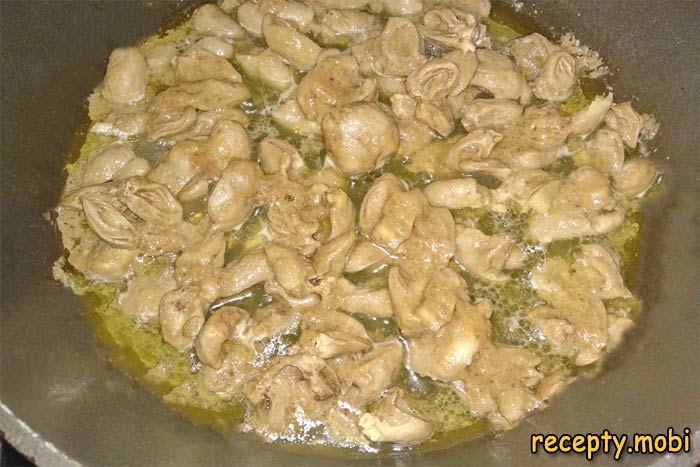
I pour vegetable oil (2 tbsp) into a thick-bottomed saucepan or skillet (24–26 cm) and heat it well over high heat. A thick bottom spreads the heat evenly – a thin one will burn the hearts at the edges. A cast-iron skillet or a non-stick saucepan is ideal. I add the chicken hearts to the hot oil in a single layer and fry them over high heat for 5–7 minutes on all sides until lightly golden, stirring occasionally with a silicone spatula. Don't pile the hearts up in a heap – they will steam in their own juices instead of frying. Fry in batches if the pan is crowded.
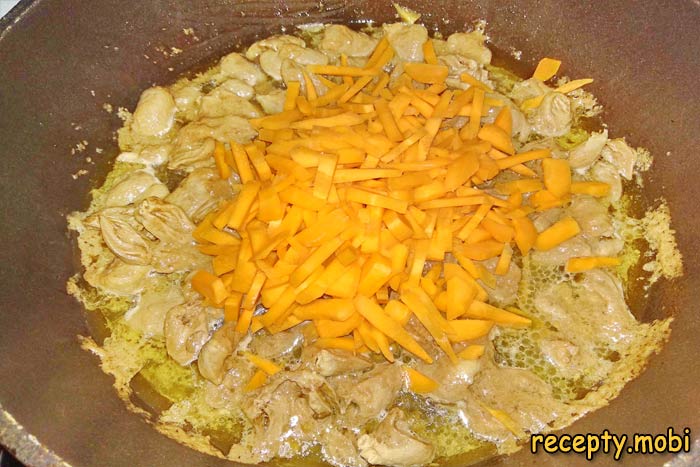
I add the chopped carrot to the hearts and fry together for 5 minutes over medium heat. The carrot should soften slightly and bloom in the hot oil – it gives the hearts an orange colour and adds sweetness to the finished dish. I stir occasionally so the carrot doesn't stick to the bottom.
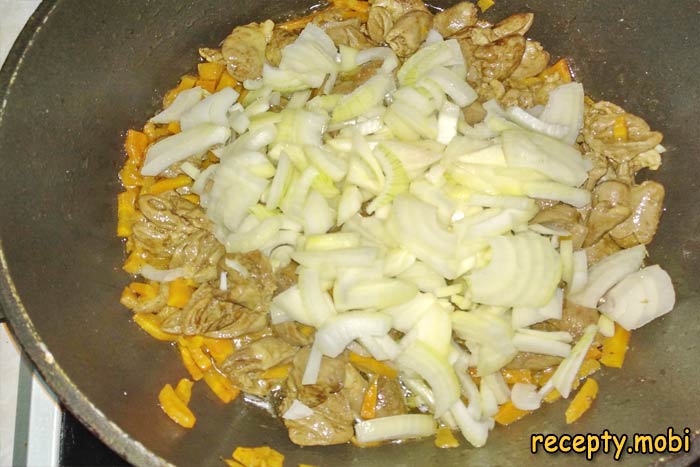
When the carrot has softened (after 5 minutes), I add the chopped onion and stew everything together for another 10–15 minutes over medium heat until the onion is translucent and lightly golden. The onion should melt into the mass with the carrot and the hearts. By this point the liquid in the pan has almost completely evaporated and the hearts are exposed among the vegetables.
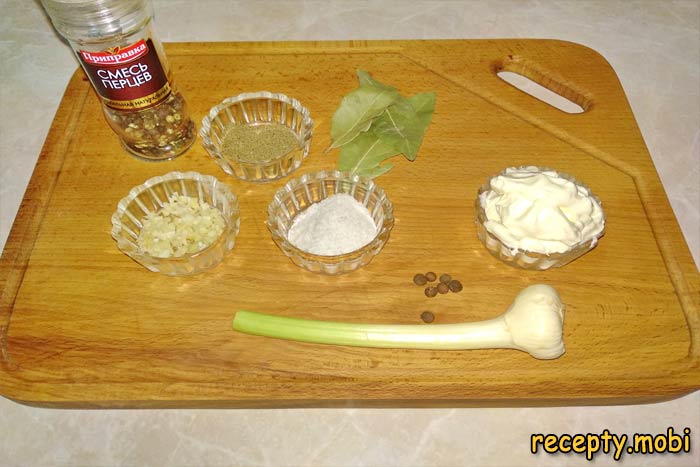
I salt to taste (about 1 tsp), add the ground pepper mixture, the bay leaf (2 pieces) and the allspice peppercorns (5 pieces). I stir thoroughly – the dish takes on a characteristic rustic aroma. I add the finely chopped garlic (3 cloves) and stew for another 1 minute so the garlic releases its aroma in the hot oil.
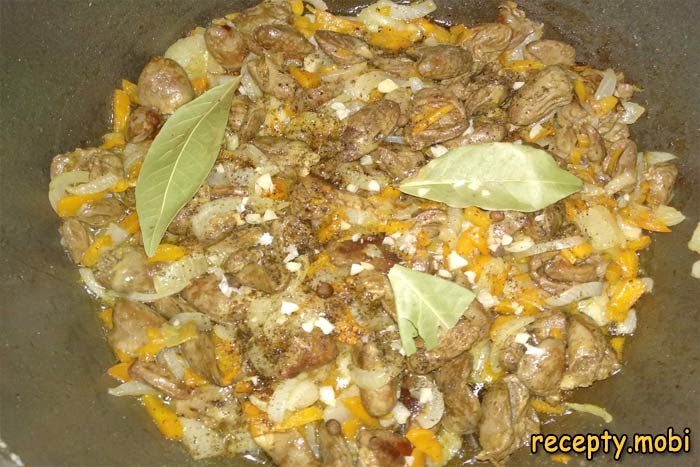
I add the sour cream 20% (3 tbsp) and stir thoroughly – the sour cream coats the hearts in a white, fragrant sauce.
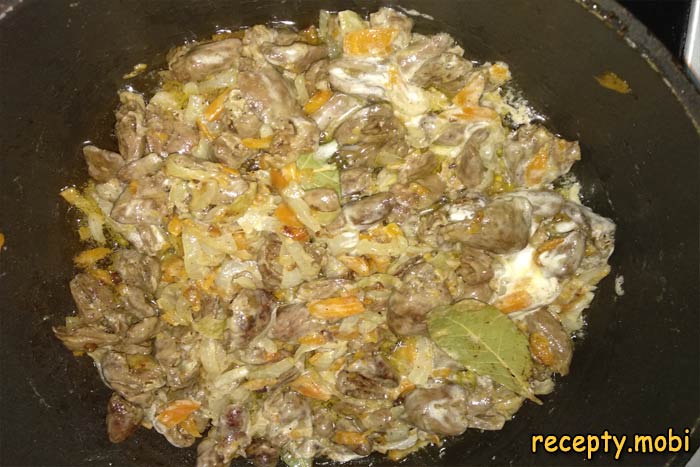
Straight after the sour cream I pour in hot water (½ cup = 100 ml, right from the kettle). This is crucial: only hot water, never cold! Cold water would sharply lower the temperature in the pan and the hearts would turn rubbery from the temperature shock. I reduce the heat to the lowest setting and cover the pan with a lid. I stew for 3–5 minutes until the sauce thickens and the flavours fully come together. During this time the spices penetrate the meat, the garlic gives up its aroma, and the sour cream blends with the meat juices into a thick, velvety sauce. I taste for salt and adjust as needed.
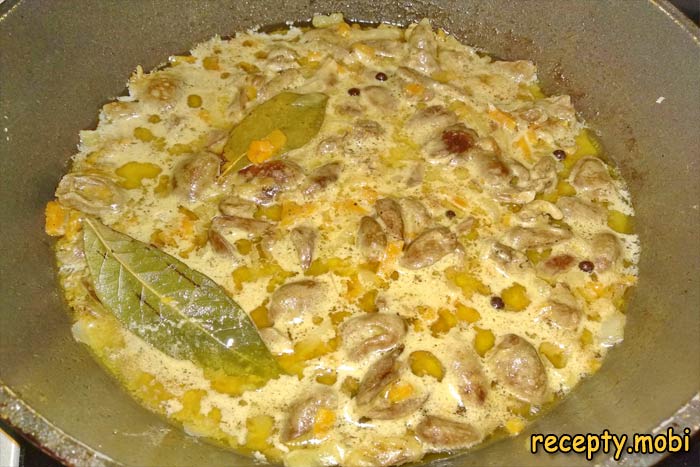
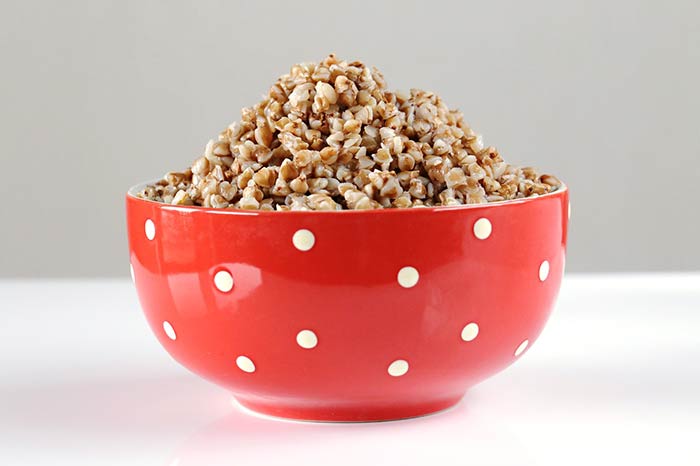
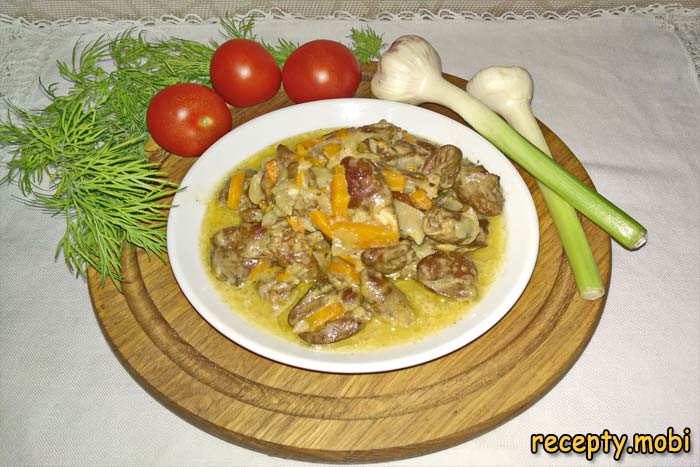
The chicken hearts in sour cream sauce on a skillet are ready! I take the pan off the heat and remove the bay leaf (it turns bitter if left to steep too long). I serve them hot on individual plates – half the plate is taken up by the hearts with their sauce, the other half by a side dish (potatoes, buckwheat, rice). I sprinkle freshly chopped parsley or dill generously on top.


Tips
- 1
Be sure to cut the hearts lengthwise in half – it speeds up the stewing twofold (20 min instead of 40 min for whole ones).
- 2
Pour in only hot water – cold water makes the hearts rubbery from the temperature shock.
- 3
Add the garlic right at the end – long heat treatment destroys its aroma. I cook stewed chicken gizzards on a similar principle.
- 4
Use sour cream with 20% fat – less fatty sour cream will curdle into flakes in the sauce, while a richer one will make the dish too heavy.
FAQ
What can I use instead of chicken hearts in this dish? +
Suitable alternatives include: chicken gizzards (a denser texture, stew for more than 40 minutes), chicken liver (softer, cooks in 15 minutes instead of 20), turkey hearts (larger and more filling, stew for 30 minutes), beef kidneys (a more delicate option that needs to be soaked for 2 hours in milk beforehand to remove the smell), and a mix of chicken offal (hearts + gizzards + liver). For a meat-free version, make it without meat using button mushrooms (300 g) or porcini (200 g). Each ingredient gives its own character. Chicken hearts are the most budget-friendly and tender option for a family dinner.
Can I cook this in a multicooker? +
Yes, a multicooker is excellent for this dish. The principles are the same: on the "Fry" setting, fry the hearts for 10 minutes, add the carrot and fry for another 5 minutes, then the onion and fry for 5 minutes. Add the spices, garlic, sour cream and hot water. Close the lid and switch to the "Stew" setting for 20–25 minutes. The advantages of a multicooker: automatic temperature control, no need to watch it, and energy savings. It is ideal for a busy evening – load it and forget it. In flavour it is just as good as cooking on a skillet.
How long do the cooked hearts keep? +
Cooked hearts in sour cream sauce keep in the refrigerator for up to 3 days in a tightly closed container. On the second day the flavour is even richer – the hearts soak up the spices and sauce to the full. Before serving, reheat them in a pan with 2 tbsp of water to restore moisture, or in the microwave for 2 minutes under a cover. You can freeze them in portions for 1 month in airtight containers with the sauce – before eating, thaw them completely in the refrigerator and warm them through. A handy lunch to take to work as a ready-made meal.
What should I serve the hearts with? +
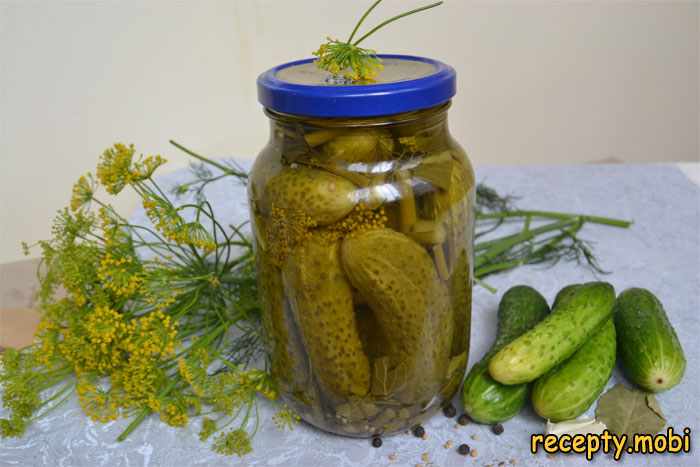
They are ideal with any neutral side dish that will soak up the fragrant sour cream sauce: boiled potatoes with butter, mashed potatoes, baked rustic potatoes, fluffy buckwheat, basmati or jasmine rice, pasta or spaghetti, or pearl barley. For salads – fresh vegetables (cucumbers, tomatoes, bell pepper), sauerkraut for contrast with the tender meat, or pickled gherkins. For drinks – compote, fruit drink, kvass, light beer (a man's dinner), or dry white wine (Riesling, Chardonnay). For a family dinner on a weeknight.
- Comment
or post as a guest
Be the first to comment.