avg —
Beef Liver Pâté at Home

Instructions
I prepare the necessary products. I peel the carrots and remove the skin from the onions.
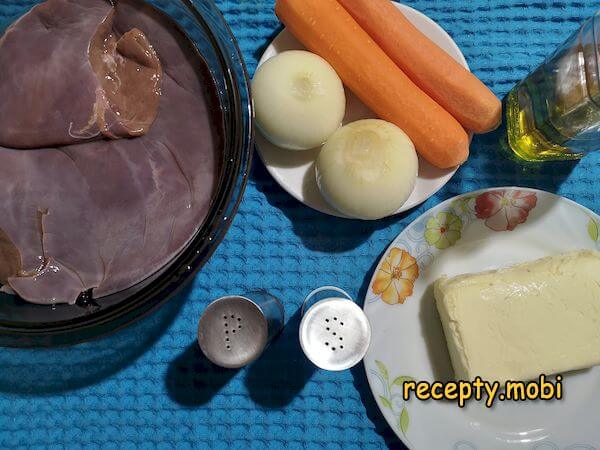
I remove the film from the beef liver – it makes the pâté tough and gives it bitterness.
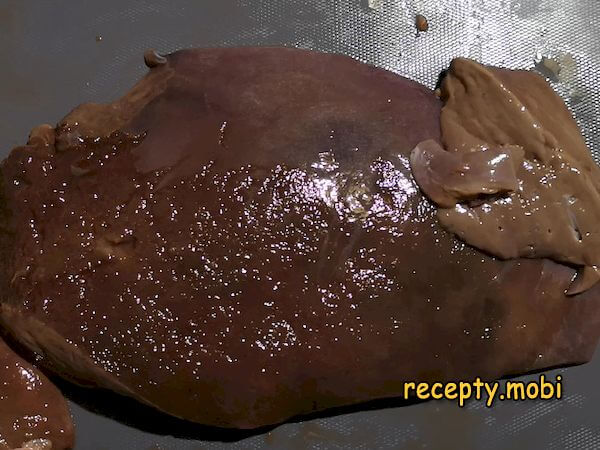
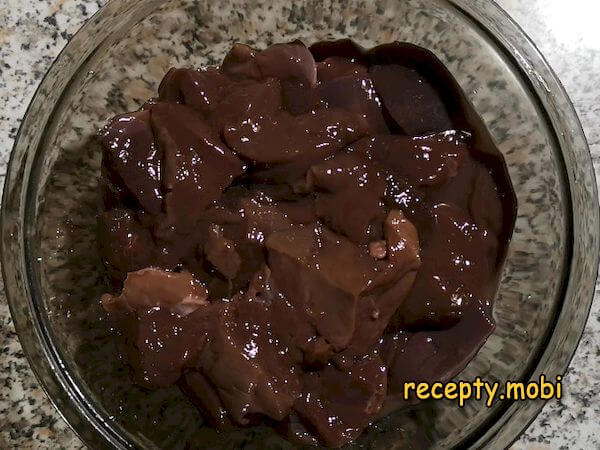
I cut the liver into small pieces.
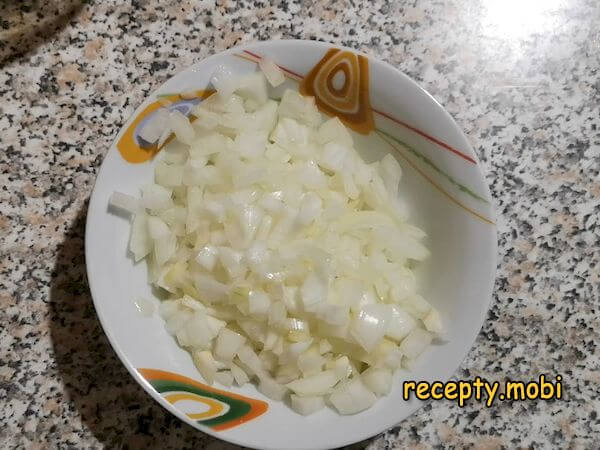
I cut the onion into small cubes.
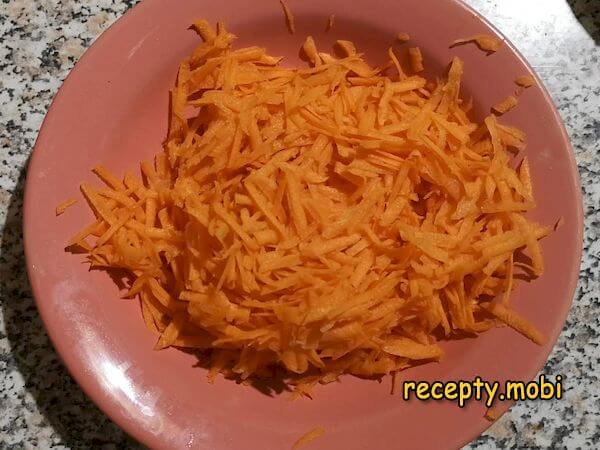
I grate the carrot on a vegetable grater.
I heat the frying pan, pour in vegetable oil and put the pieces of beef liver into it.
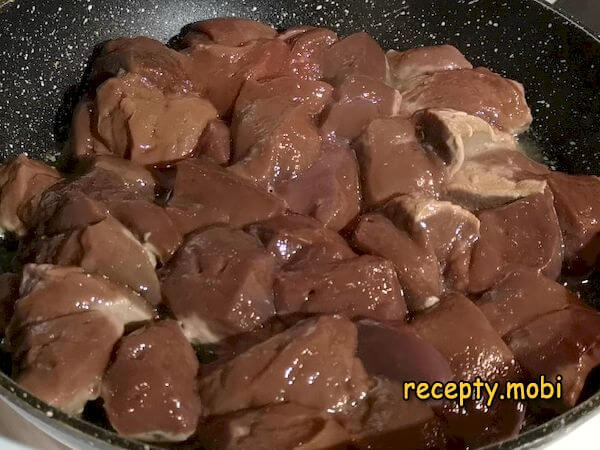
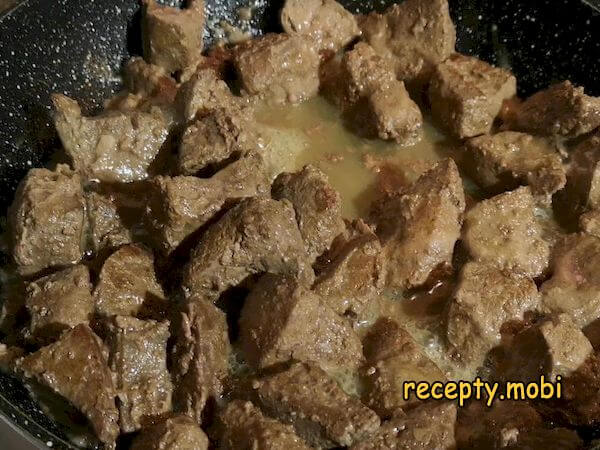
I fry it for about 10 minutes. At the end of frying I add a little salt and pepper and stir everything together. I take the pan off the heat.
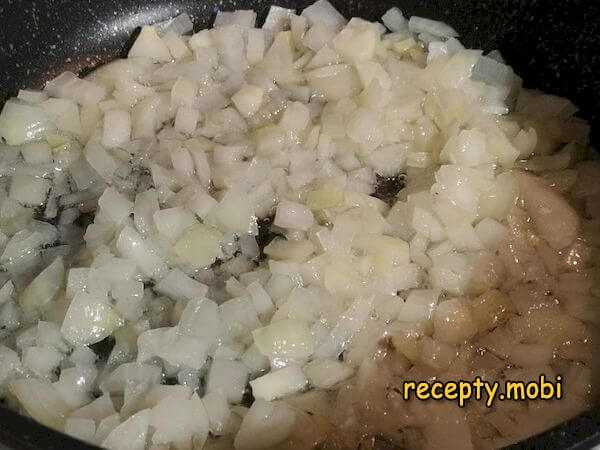
I take a clean frying pan, heat it, add vegetable oil and put the chopped onion into it, lightly sautéing.
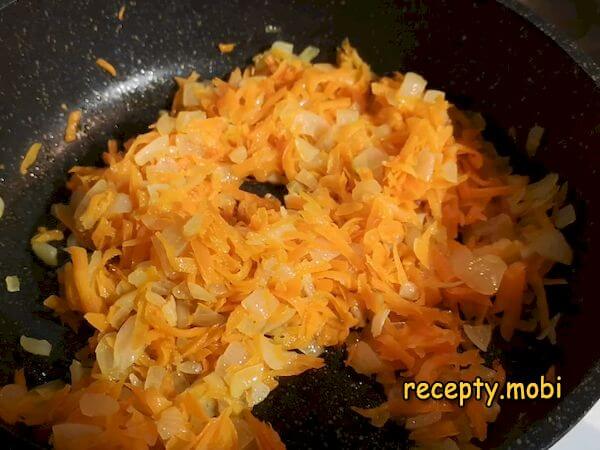
I add the grated carrot to the onion and stir everything together. I cover with a lid and fry over medium heat until the carrot is soft.
I pass the liver together with the fried onion and carrot through a meat grinder several times. To bring the mixture to a uniform consistency, I use an immersion blender. I blend the mixture together with the pieces of butter until smooth.
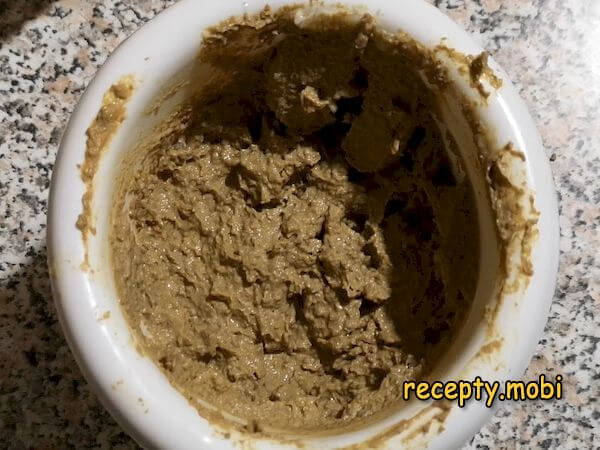
I add salt and pepper to taste to the resulting pâté and stir everything together.
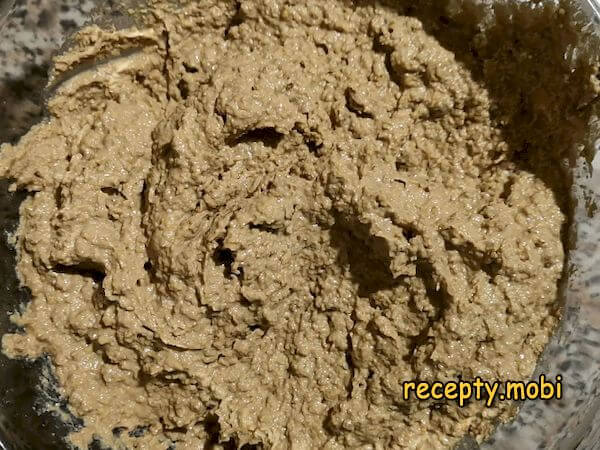
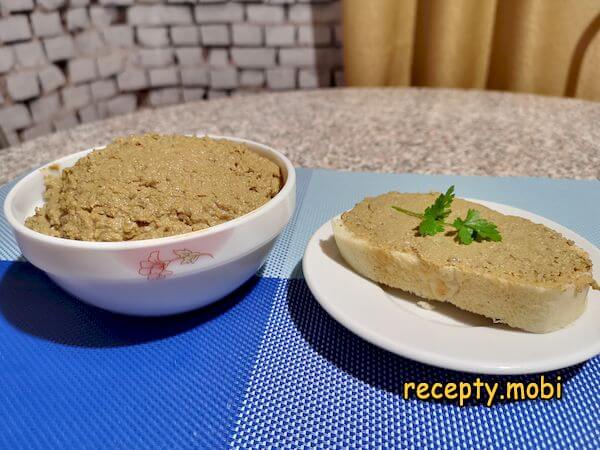
The beef liver pâté at home is ready. I store it in the refrigerator, covered with cling film.Enjoy your meal!


Tips
- 1
ALWAYS REMOVE THE FILM FROM THE LIVER – it makes the finished pâté tough and gives it bitterness.
- 2
DO NOT OVERFRY THE LIVER – 10 minutes is enough. Overcooked liver gives a "dry" and "rubbery" pâté.
- 3
GRIND IT TWICE – through a meat grinder, then with a blender. This "double processing" gives a perfectly smooth texture.
- 4
BUTTER IN THE BLENDER – it gives a delicate flavour and a creamy texture. Without it the pâté will be "dry". The same principle works for other kinds of liver pâté.
Video
FAQ
How do I choose good-quality beef liver? +
Signs of fresh liver: a dark-red or burgundy colour (not grey or bluish), a glossy surface, the pleasant smell of fresh meat (not "sour"), and a dense, springy structure. Avoid liver with light spots or a film on it (a sign of age or improper storage). The ideal weight for a family is 800 g–1 kg. Farm liver is tastier than shop-bought factory liver. Before cooking, soak it in milk for 30–60 minutes – the bitterness will go and the meat will become more tender.
What can I replace beef liver with? +
Alternatives: chicken liver (more tender, cooks faster, 30 minutes total time), pork liver (brighter flavour, a slight bitterness), turkey liver (rarely in shops, but tasty), rabbit liver (a delicacy). For the most tender pâté – a 50/50 mix of beef and chicken liver. Chicken liver is the "golden mean" for beginners: it is easy to clean, cooks quickly and is not bitter. Beef liver gives a denser, more filling pâté with a distinctive flavour.
How long does the pâté keep? +
In the refrigerator in a tightly closed container (under cling film or a lid) – 3–4 days. On the second day the flavour is brighter – the spices have had time to infuse. For long-term storage, freeze it in small portions in cling film, for up to 2 months. Defrost in the refrigerator for 12 hours. An "ice" layer of butter on top of the pâté (pour over melted butter 5 mm thick) will increase the shelf life to 7–10 days – a classic technique for pâtés. For preserving (in jars with sterilisation) – up to 2 months.
How do I serve the pâté? +
The classic way is on bread or toast. With pickled cucumbers or marinated cabbage it makes a perfect appetiser to go with vodka. For a festive table – in a ceramic dish or shaped as a "roll" (using foil), garnished with a sprig of parsley. For breakfast – on bread with butter and a slice of tomato. For a fitness version – on an iceberg lettuce leaf or a courgette round. With wines – a dry red (Cabernet, Merlot) or a semi-dry. For a "gourmet" presentation – with thin slices of apple.
- Comment
or post as a guest
Be the first to comment.