avg —
Samarkand Plov

Instructions
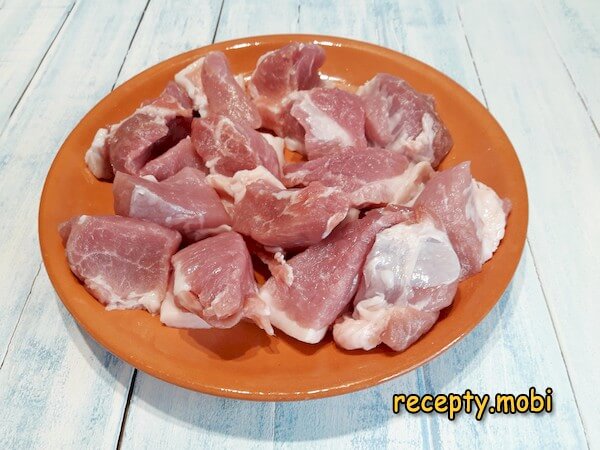
I start by preparing all the ingredients I will use. Cut the meat into fairly large pieces, about 3×3 cm.
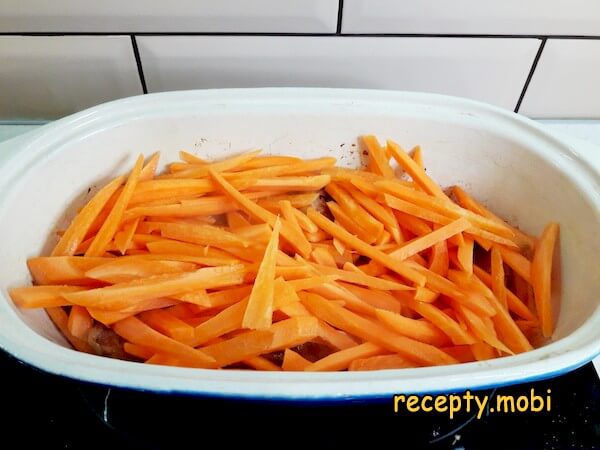
Don't grate the carrots; cut them into long, thick strips, about 5 cm by 0.5 cm, so that once they soften and stew down they stay visible and are easy to pick up.

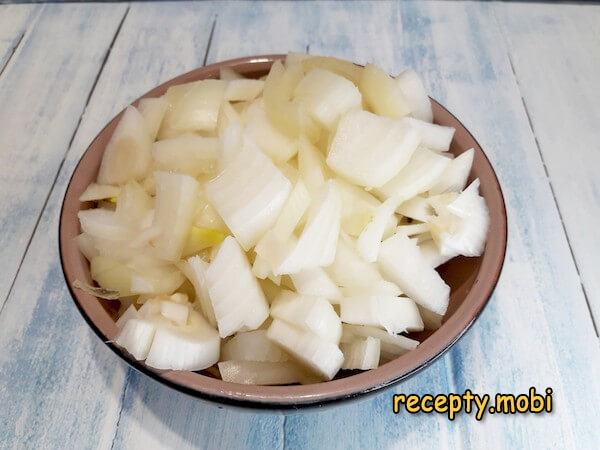
Cut the onion into medium pieces, any way you like. Peel the outer papery skin off the garlic head, but in a way that keeps the cloves from falling apart.
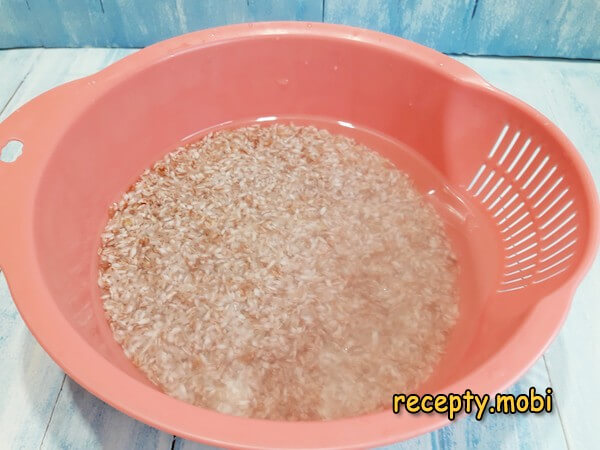
Rinse the rice very thoroughly, up to 10 times, until the water runs clear; this washes away the rice starch.
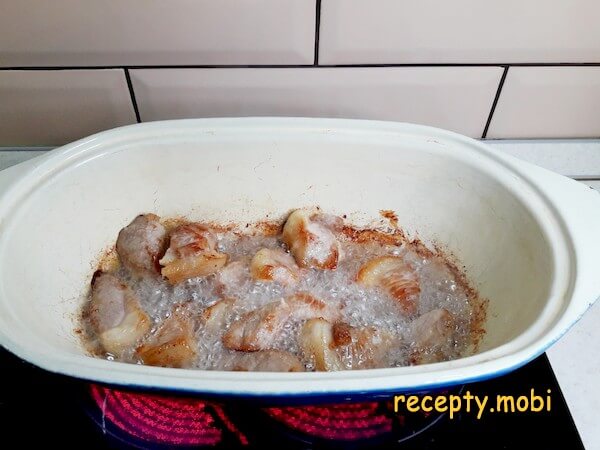
Turn the stove to its highest heat. Pour the oil into a kazan or other suitable pot, or melt the tail fat. Once the oil is fully hot, lower the meat into it.
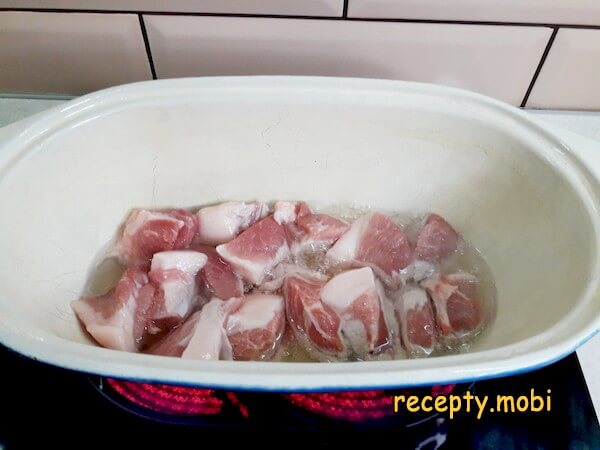
Fry it until it forms a golden crust (this takes about 5 minutes).
Next add the onion.
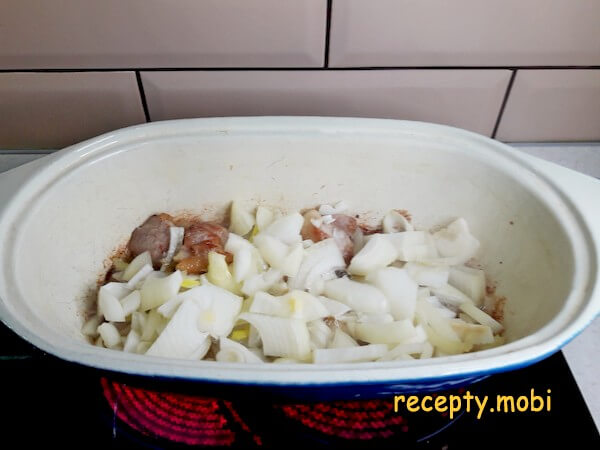
Fry it until browned (5-7 minutes) – this degree of browning gives the plov a special flavour.
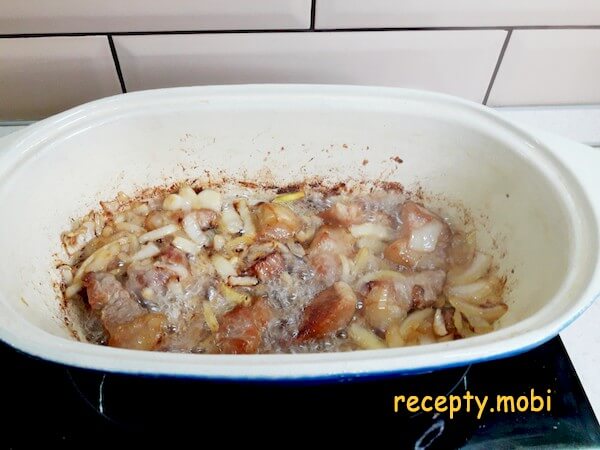
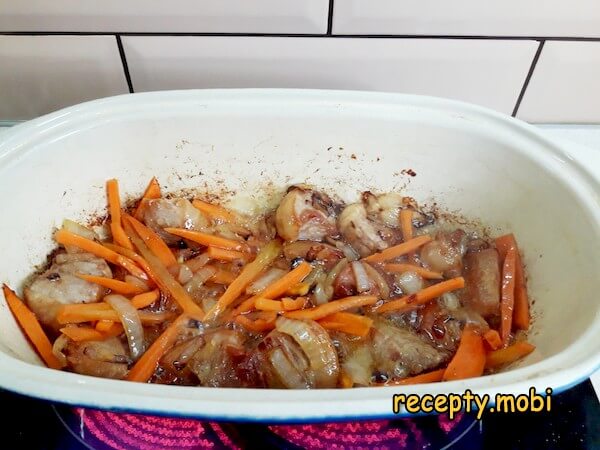
Add a small portion of the carrot strips.
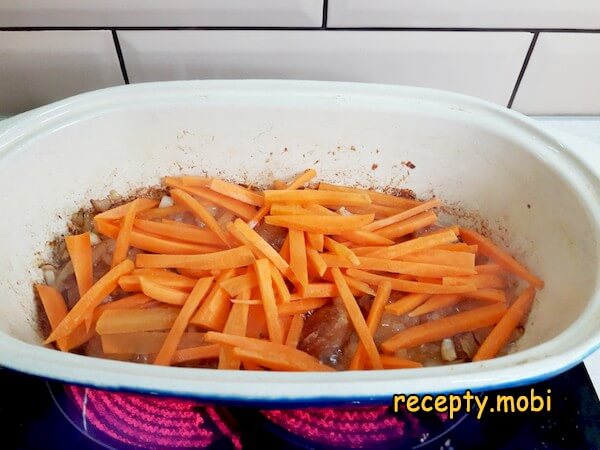
Fry them for about 2 minutes – this layer protects the bottom of the pot from burning later on.
Now add the remaining carrots.
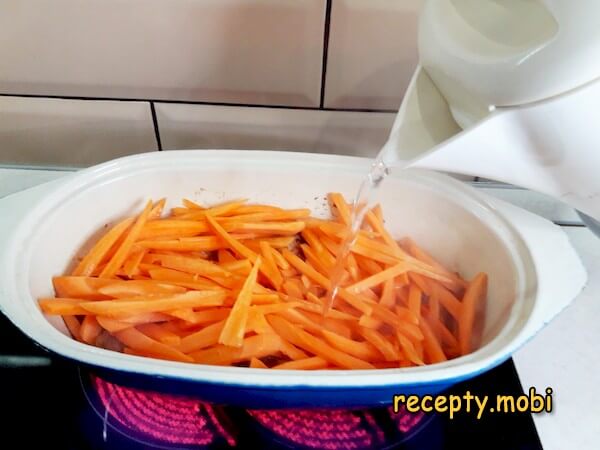
Immediately pour in 100 ml of boiling water. As it stews, the carrot will release more of its own juice.
Add the seasoning.
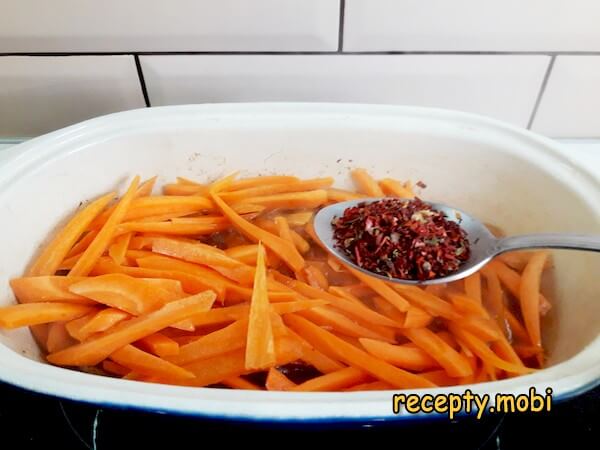
The mixture you now have is called the zirvak. Cover it with the lid, leaving a small gap (don't reduce the heat). Let the mass cook down for about 7 minutes without stirring.
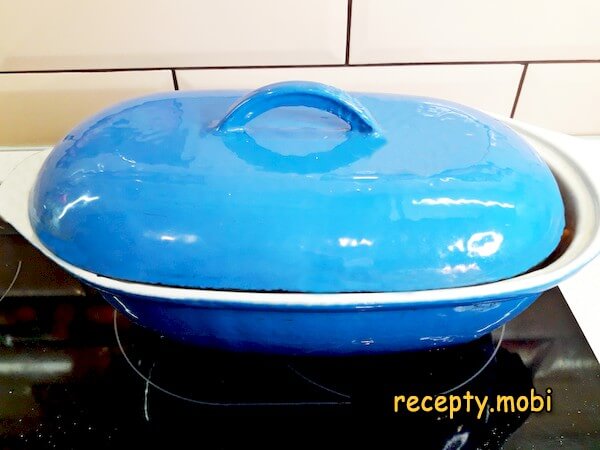
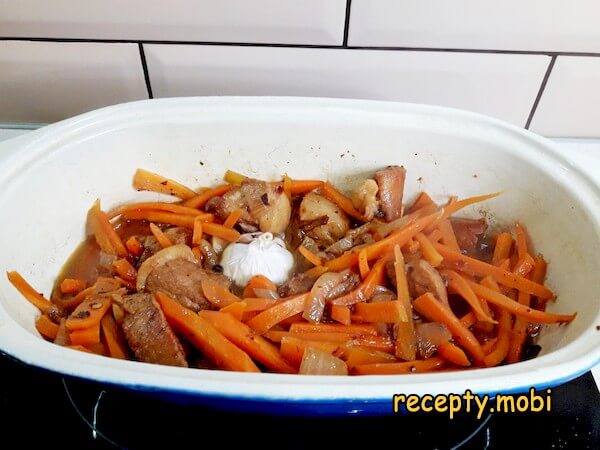
Next set the whole head of garlic into the zirvak.
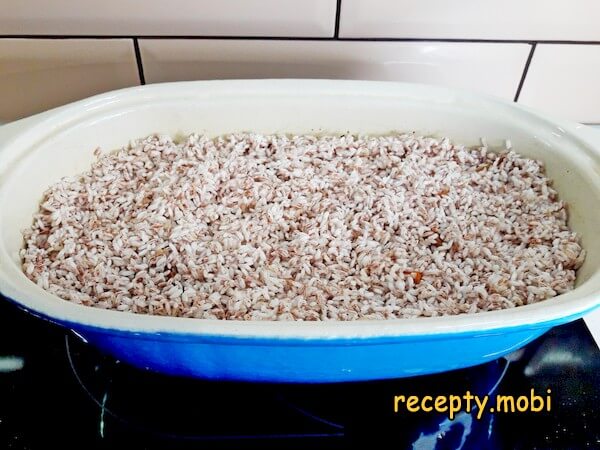
Pour in the rice and spread it evenly over the whole surface.
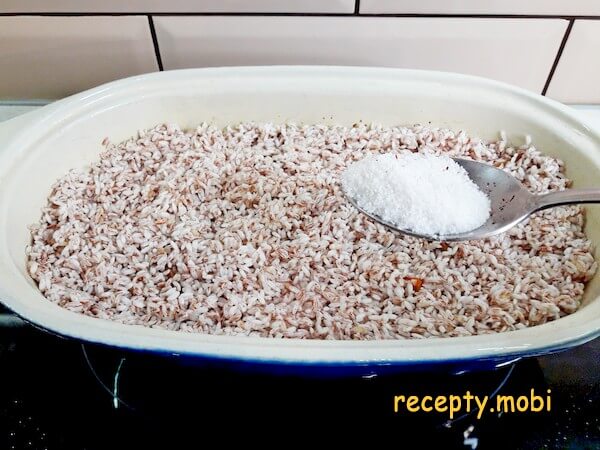
Add salt.
Start pouring in boiling water, holding a slotted spoon under the stream so the rice doesn't shift out of place.
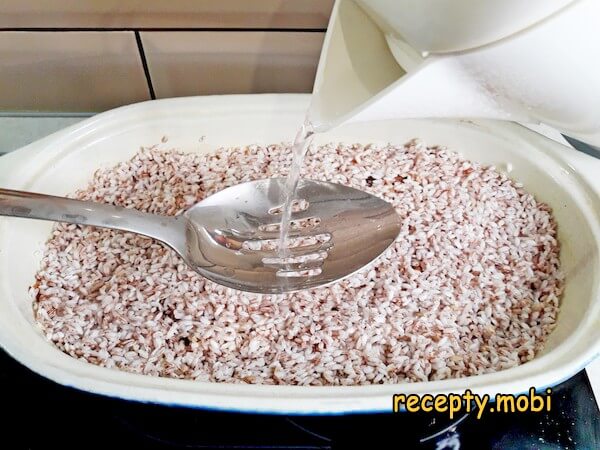
The liquid should sit 1-1.5 cm above the surface of the rice.
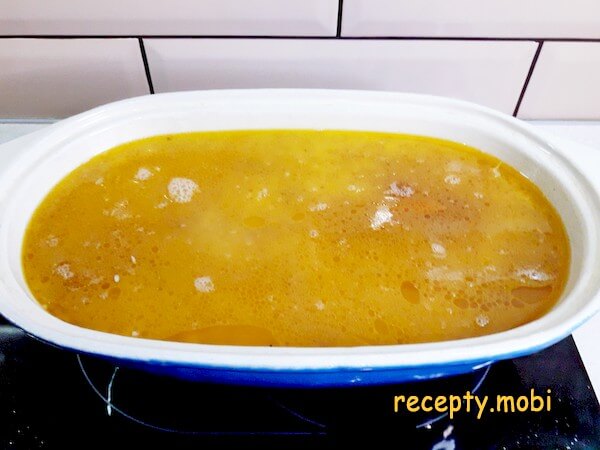
Cover the kazan with the lid and, still over high heat, keep it for about 10-15 minutes, until all the water has evaporated but the oil remains and the surface is covered with little holes.
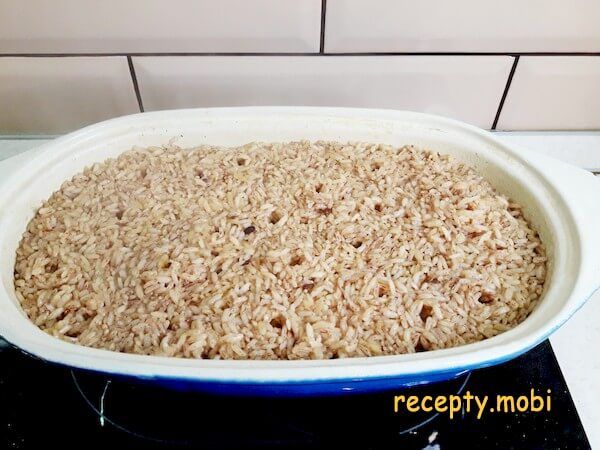
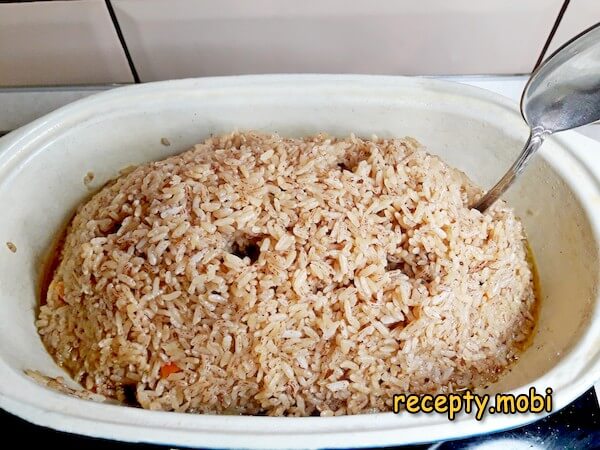
Next gather the rice into a mound, without disturbing the lower layers of meat and carrot.
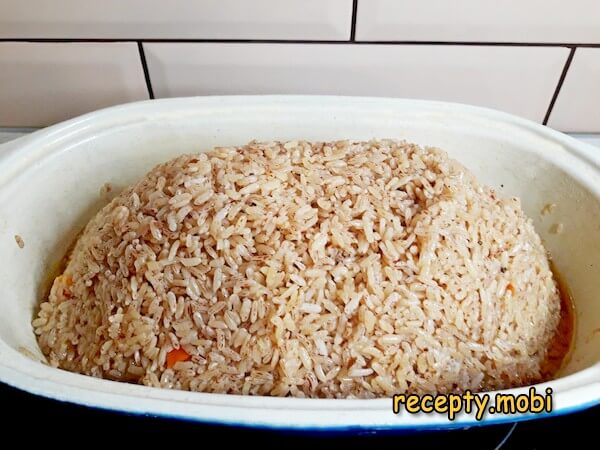
To let the steam pass through better, poke deep holes with the back of a spoon.
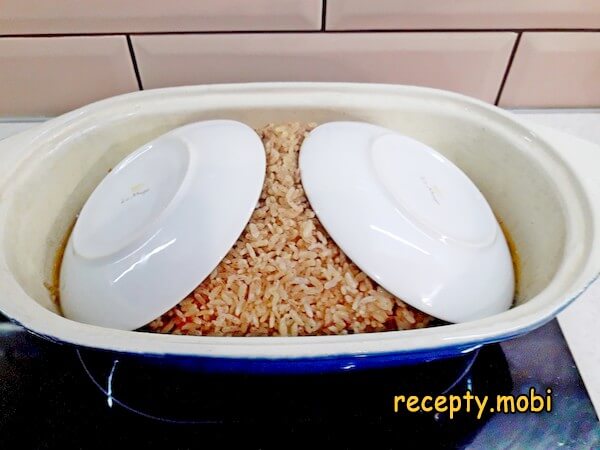
Cover the surface of the plov with small plates or a suitably large plate. Put the lid on the kazan. Only now reduce the heat to its lowest setting. Leave the dish to steam for 30 minutes.
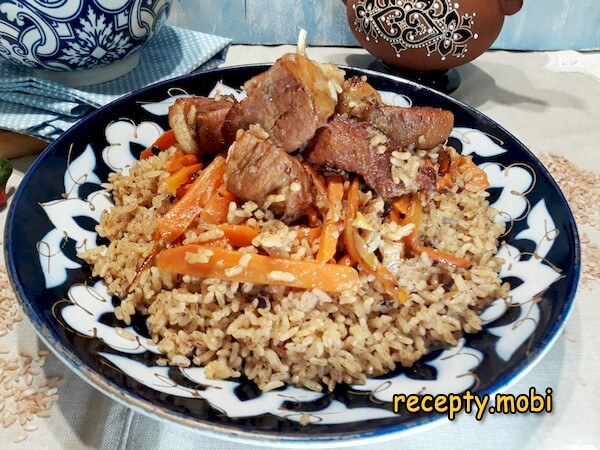
The Samarkand plov is ready. Arrange it hot on a large platter in layers – first the rice, then the carrots, and the meat on top. Plov is usually served with a salad of fresh tomatoes, herbs and onion. Diners take the components of the plov in whatever proportions they like. Traditionally this is done by hand, though many prefer to use cutlery.Give it a try, and bon appétit!


Tips
- 1
Rinsing the rice is the "secret" to a crumbly texture. Rinse it only once or twice and the starch stays behind and the plov sticks together. Rinse it up to 10 times, until the water is clear, and you get grain-by-grain rice.
- 2
Carrots in strips are the "secret" to its look. Grated carrot dissolves into the zirvak. Strips of 5 cm by 0.5 cm stay visible as a layer on the platter.
- 3
High heat is the "secret" of Samarkand. A medium flame stews the meat rather than frying it. Only fierce heat gives the crust and aroma of real plov.
- 4
Plates on the rice are the "secret" to steaming. Without them the steam escapes upwards and the rice doesn't steam evenly. A plate on top keeps the steam down below. The same principle works with other kinds of plov and rice with meat.
FAQ
Which rice should I choose for plov? +
Long-grain rice labelled "for plov" is ideal, such as Basmati, Jasmine or Indica; the authentic Uzbek choice is Devzira. Whichever you use, the weight of the rice should roughly match the weight of the meat (400-450 g here). Avoid round-grain rice, which is meant for porridge, and any rice that tends to clump and turn sticky. For proper, grain-by-grain plov, use long-grain rice marked "for plov".
What can replace lamb? +
Lamb is the original choice, but it can be swapped for fatty pork (such as neck), veal on the bone, beef brisket, boneless chicken thigh or turkey thigh. Don't use lean meat with no fat, or the plov will turn out dry, and avoid mince, which falls apart in the zirvak. For the most authentic result, choose meat with some fat, ideally on the bone, or a fatty cut.
How long does Samarkand plov keep? +
In the refrigerator, in a tightly closed container, it keeps for 2-3 days. On the second day the flavour is even richer, as the zirvak soaks further into the rice. Before serving, reheat it in a kazan or a covered pan for about 10 minutes over low heat, or steam it for about 5 minutes; in the microwave, 3-4 minutes under a lid. In the freezer it keeps for up to 1 month, though the rice texture becomes slightly gummy. As a food-safety note, don't leave the plov at room temperature for longer than about 2 hours.
What to serve with Samarkand plov? +
In the Uzbek tradition it goes with shakarop, a salad of tomatoes, onion and fresh herbs, or with onion pickled in vinegar with sumac. Serve it alongside fresh flatbreads, such as lavash or Uzbek patyr, and with unsweetened green tea or a cultured-milk drink like ayran or tan. Pomegranate seeds make a fresh finishing touch.
- Comment
or post as a guest
Be the first to comment.