avg —
Mashkichiri – Uzbek pilaf with mung beans

Instructions
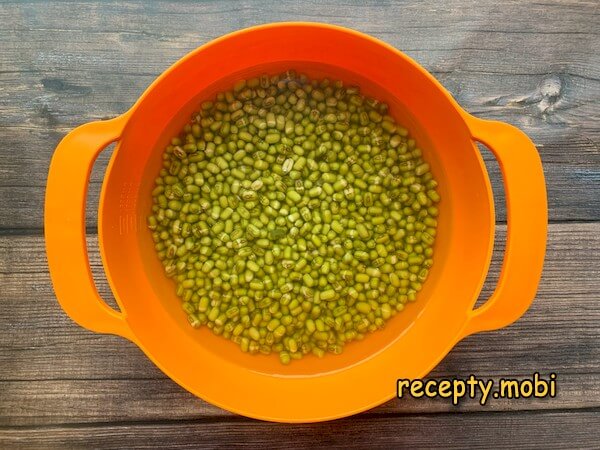
The day before, sort the mash to remove any stones and debris. Soak it in water for at least overnight. You may have to top up the water, but if you are cooking the traditional way, do not skip this rule.
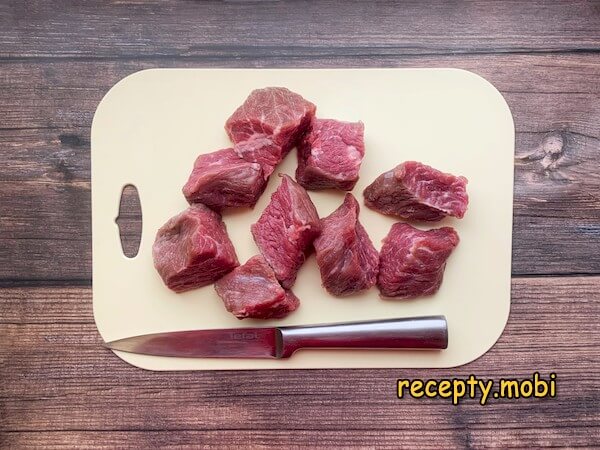
Rinse the meat and cut it into large pieces. You can use even the cheapest meat as a base – beef tails, lamb neck, or any cut you like. Pat the pieces with paper towels; they should not be too wet.
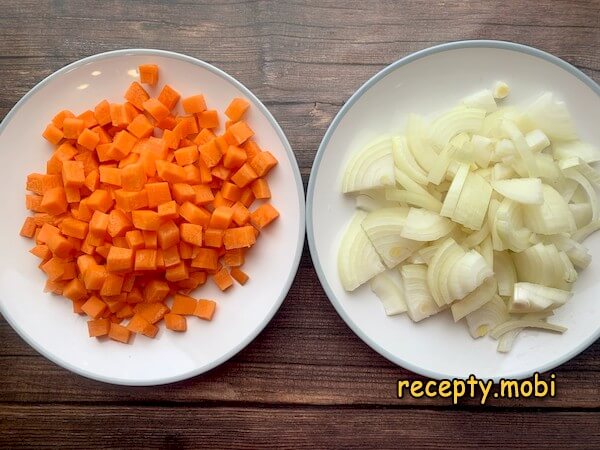
Peel the carrots and cut them into medium cubes. Chop the onion into half-rings. There should be plenty of onion in this recipe – it is an integral part of mashkichiri.
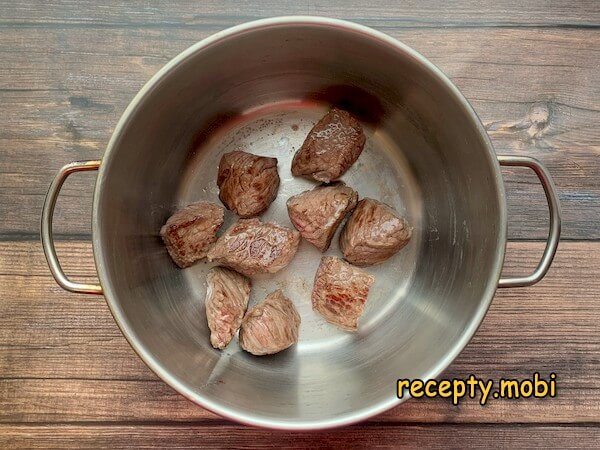
Heat a cauldron, frying pan, or thick-bottomed pot over high heat. Add oil or tail fat and let it get really hot. Lay in the pieces of meat and fry them on all sides until they develop a good crust.
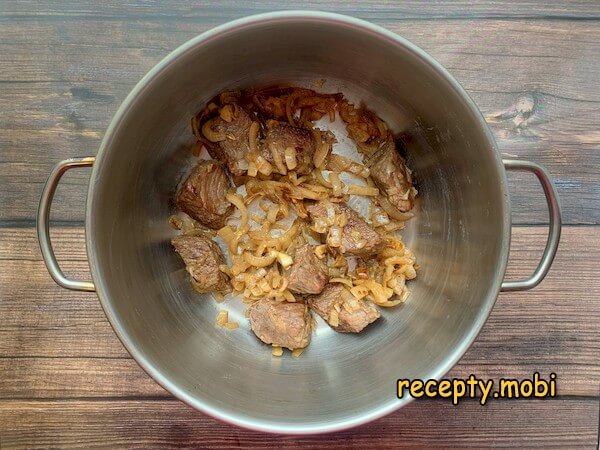
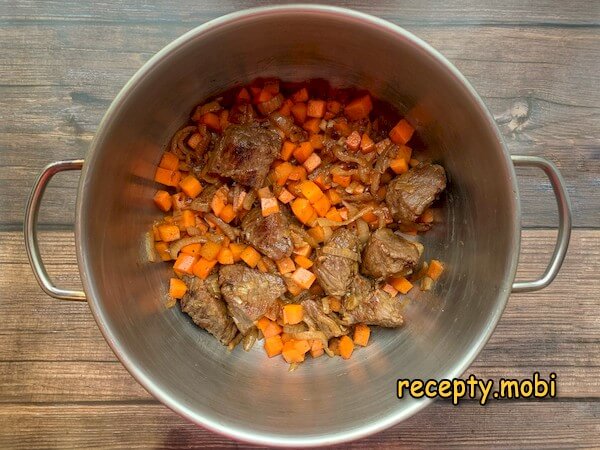
Add the onion to the meat and reduce the heat. Fry over medium heat for 20–30 minutes, stirring often. The onion should turn into a jelly-like mass thanks to the meat juices. If anything scorches before you manage to stir it, add half a glass of water. The excess moisture will evaporate, and the onion will lose its unpleasant blackness and take on the right, even shade.
Now it is time to salt the meat and add pepper or other spices. Black pepper is not usually used for mashkichiri, but you can add it. Red chilli peppers or ground chilli are ideal. Add the carrots and keep frying. I tell the carrots are done by their bright aroma and the tender texture of the cubes.
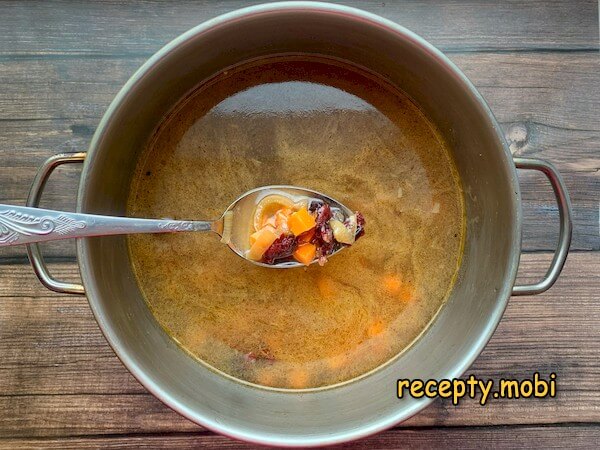
Add 1–1.5 L of drinking water – that is exactly how much you need to bring all the juices together and cook the mash with the rice. But it is still too early to add the grains – cook the meat until it starts to come away from the bones. For a pleasant touch of sourness, add the rinsed dried fruit and a little more salt to the zirvak.
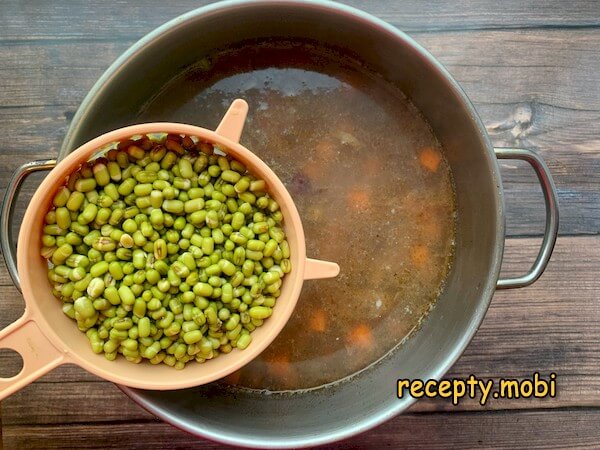
Once the meat is ready, add the swollen mash. Try not to raise the heat – the zirvak should not boil vigorously. The mash cooks for a long time, until each grain bursts – about 20 minutes.
After the mash grains have burst, add the rice. It should not be an expensive variety – cheap round-grain, unsteamed rice is ideal, as it provides the very stickiness characteristic of the porridge.
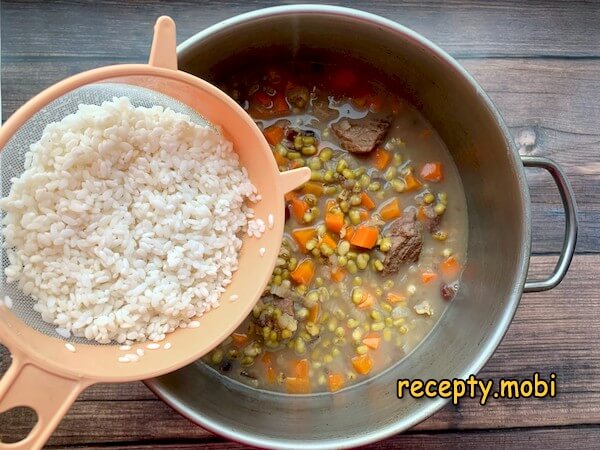
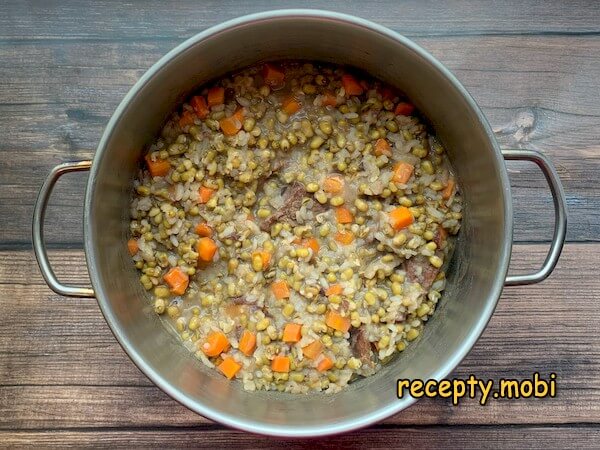
Cook the mashkichiri until the grains are done and have absorbed the moisture. Unlike pilaf, this dish must not be covered with a lid – you need to stir it constantly so that nothing sticks to the bottom. It is best not to let the porridge stand under a lid, or the contents will turn to paste.
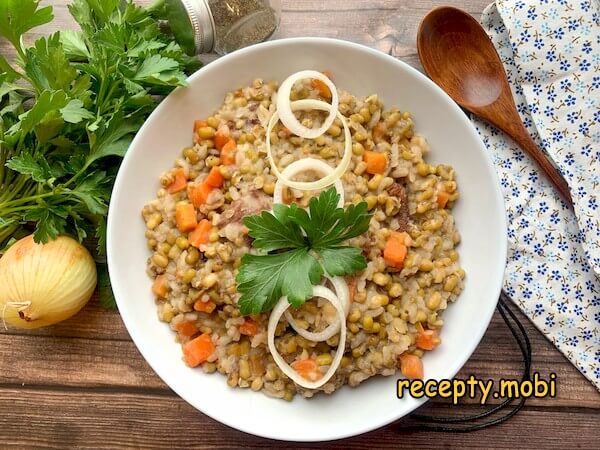
Serve Uzbek-style mashkichiri at the table right after you turn off the heat. Traditionally the porridge is spread in a layer on a flat plate, and mashkichiri is served with pickled onions. Do try to make friends with this wonderful dish of Uzbek cuisine!Enjoy your meal!


Tips
- 1
SOAK THE MASH OVERNIGHT – do not skip this. Otherwise cooking will take 1.5–2 hours, while soaked mash will be done in 20 minutes.
- 2
PLENTY OF ONION (3 pcs) – this is the rule of mashkichiri. The onion "melts" into a jelly-like mass with the meat, giving the base of the flavour.
- 3
ROUND-GRAIN, UNSTEAMED RICE – it gives the right "stickiness". Long-grain or parboiled rice will not work; you will get pilaf, not porridge.
- 4
NO LID – the key difference from pilaf. Stir constantly, or it will stick to the bottom. The same principle applies to other kinds of Central Asian porridges.
FAQ
Where can I buy mash? +
Mash (mung) is a small green bean popular in Central Asia, India, and China. Look for it in supermarkets in the grains aisle (the "ethnic cuisine" section), at markets from spice sellers, and in Indian or Uzbek shops. It comes in whole, bright green grains, with no debris or "holes" left by beetles. Brownish mash is sprouted and of poorer quality. The shelf life is 2 years in a dry place. Do not keep soaked mash longer than 12 hours – it begins to ferment. If you cook with it regularly, buy a large bag, as mash is versatile: for pilafs, soups, and pâtés.
Which meat is best? +
The classic choice is lamb (authentic for Uzbek cuisine). Alternatives include beef (shoulder, neck, brisket), veal, and lamb neck. For a budget version, use beef tails or meat on the bone. Horsemeat is an original choice for an authentic Uzbek feel. Chicken is the "light" option, but it loses depth of flavour. Pork is not authentic (Uzbekistan is a Muslim country), but for a home experiment you can use it. Cut the pieces large (3–4 cm) – small ones will dry out. Be sure to fry them until crusty, which "seals" the juices inside. Tail fat (50 g) is a hallmark of the authentic version.
How long does mashkichiri keep? +
In the fridge in a covered container, it keeps 3–4 days. The next day the flavour is brighter, as the mash and rice have a chance to settle. Reheat it over low heat with 100 ml of water added (the porridge thickens overnight). In the microwave, 3–5 minutes with water. In the freezer, up to 1 month; thaw in the fridge for 8–12 hours. After thawing the rice may become a little loose – this is normal. Ideally, cook enough for 2–3 servings and eat within 4 days. For a large family, make a double portion in a cauldron – perfect for a Sunday lunch.
What to serve with mashkichiri? +
The Uzbek classic: with pickled onions (thin rings + vinegar + sugar + salt) and fermented milk drinks (matsoni, katyk, ayran). With "patyr" flatbread or "lavash" to dip into the zirvak. With green radish, which is refreshing. With green tea, which balances the richness. With spicy adjika for those who like heat. For guests, serve it in traditional ceramics (a kosa or piala) presented on a lyagan. With herbs – fresh coriander, parsley, spring onion. For a "full dastarkhan", serve it with a plate of fresh vegetables and fruit (tomatoes, cucumbers, pomegranate). Portions of 200–250 g are filling, as mashkichiri is very nourishing.
- Comment
or post as a guest
Be the first to comment.