avg —
Soft Pizza Dough Like in the Pizzeria

Instructions
I start with a yeast starter – this is the key to a good rise. Mash the fresh yeast with the sugar using a fork to a runny paste. Add the warm water at exactly 30–37 °C – I check with a finger, and it should feel pleasantly warm, like for a baby. Sprinkle in 2–3 tablespoons of flour and stir until smooth. Set it in a warm place (26–28 °C) for 15 minutes – the starter should foam up into a "cap".
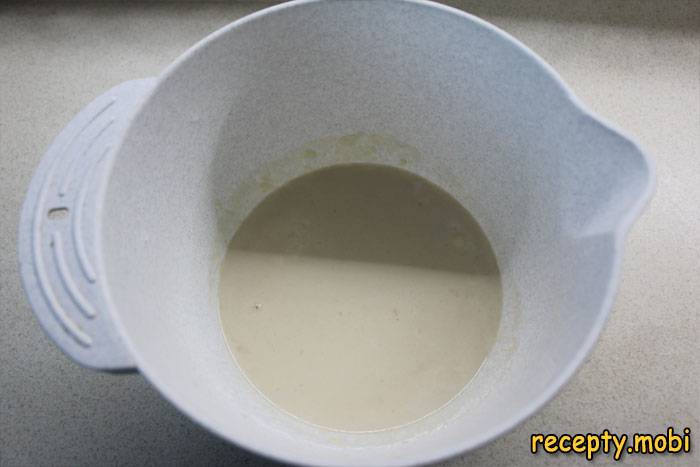
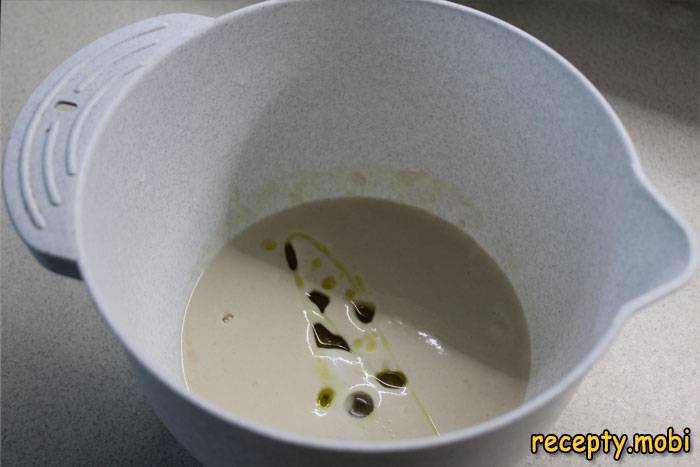
Into the ready, active starter pour 2 tablespoons of extra virgin olive oil and add the salt. Stir with a whisk. The oil makes the gluten more elastic – that's exactly why the dough doesn't tear when rolled and stretches into a thin sheet. Sunflower oil would give a flat taste and a brittle structure.
Gradually add the sifted flour, kneading the dough by hand or with a food processor fitted with a dough hook. Don't add all the flour at once – you may need 20–30 g more or less depending on the moisture of the flour. The dough should be elastic, soft and stop sticking to your hands after 5–7 minutes of kneading. Dough that is too stiff will give a tough crust. Cover with cling film and set in a warm place for 40 minutes.
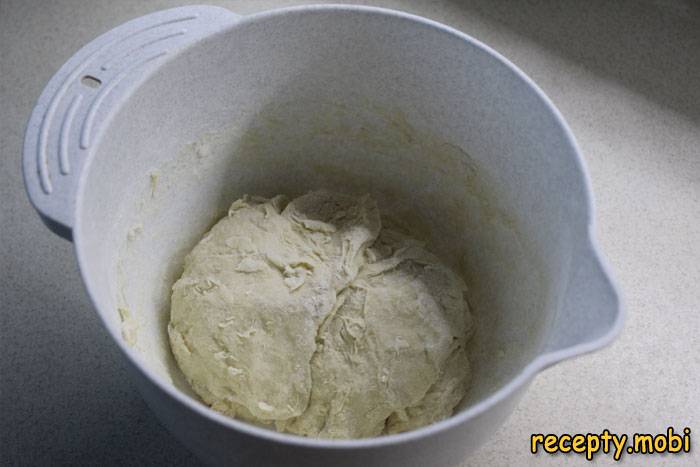
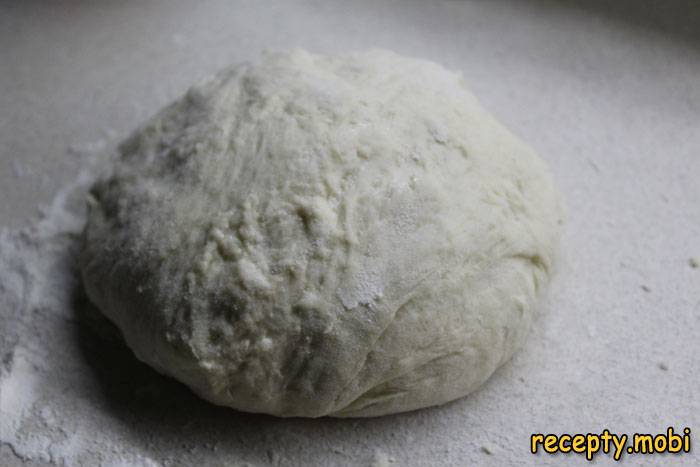
The dough has risen and doubled – it's soft, aromatic, airy inside and ready to be rolled out. Knock it back by hand to release the carbon dioxide and divide it into 2 equal parts for two pizzas. Before rolling, be sure to prick the prepared base all over with a fork so the dough doesn't blister with bubbles during baking.


Tips
- 1
The water for the starter should be exactly 30–37 °C – at temperatures above 40 °C the yeast dies and the dough won't rise. Use a cooking thermometer or check with a finger.
- 2
Olive oil is the irreplaceable secret to "pizzeria" softness and elasticity. Don't replace it with sunflower, corn or butter – the result will be completely different.
- 3
Don't add too much flour – overworked dough will give a tough, dry crust. Slightly sticky dough is better than overmixed. I use a similar principle when making sourdough bread.
- 4
For thin pizza, roll the dough to 2–3 mm; for a fluffy one, 5–7 mm. Thicker, and the middle will be raw; thinner, and the pizza will break when served.
FAQ
Can I replace fresh yeast with dried? +
Yes, the proportion is simple: 20 g of fresh = 7 g of fast-action dried or 10 g of ordinary dried. Mix fast-action dried yeast straight into the flour – unlike fresh yeast, it doesn't need to be "activated" in water. Dough made with dried yeast rises a little longer – 50–60 minutes instead of 40. There's almost no difference in taste, but fresh yeast gives a more pronounced "yeasty" bread aroma. Use fresh yeast – out-of-date yeast will never raise the dough.
Why is my dough not rising? +
Three main causes: out-of-date yeast (check the use-by date), water that is too hot or too cold (it must be exactly 30–37 °C), and a cold spot for proving. The ideal temperature for rising is 26–28 °C. Put the bowl of dough near a warm radiator, in a switched-off oven with the light on, or simply cover it with a towel and leave it on the table. Sugar is food for the yeast, so be sure to add it, otherwise fermentation will be slow.
How long does the prepared dough keep? +
In cling film in the fridge – up to 3 days. Each day the dough will rise a little, so knock it back once a day. In the freezer – up to 3 months in a tightly sealed bag. After thawing, be sure to let the dough come to room temperature for 1–2 hours and rise again for 20–30 minutes – then it will be ready to roll. Frozen dough is almost indistinguishable from fresh in quality, so it's very handy to make a stock.
- Comment
or post as a guest
Be the first to comment.