avg —
Rich Yeast Dough for Pies and Turnovers

Instructions
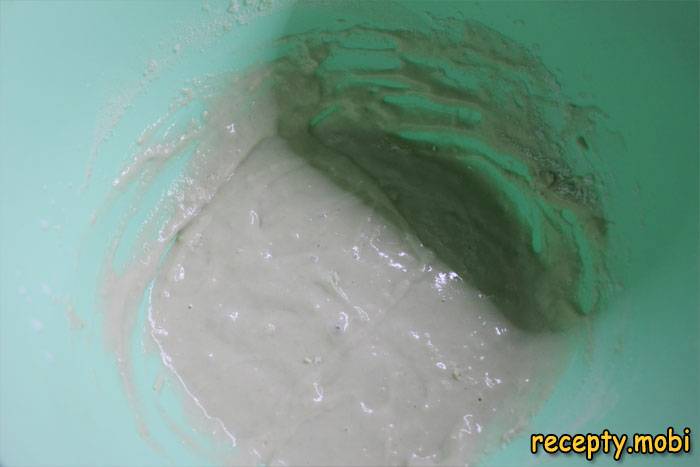
Dissolve the fresh yeast in warm milk (strictly no more than 40 °C – test it with your finger, it should feel pleasantly warm). Add a tablespoon of sugar and a little flour. Stir until it has the consistency of thick sour cream. Cover with cling film and place somewhere warm for 15 minutes – a frothy «cap» of bubbles should appear. This confirms the yeast is alive.
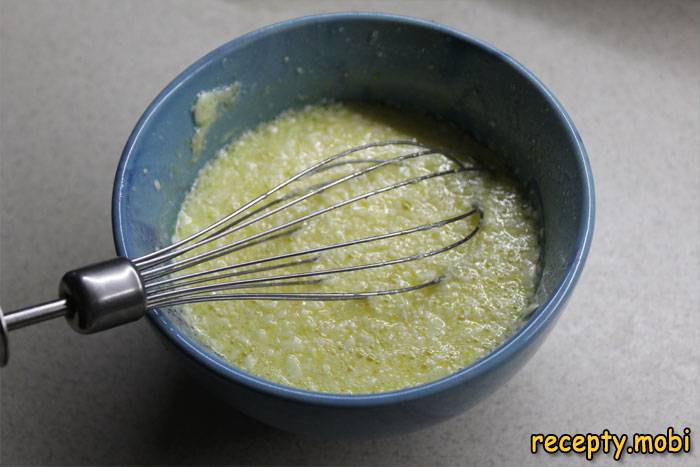
Separately combine the eggs with the soft butter, salt, vanilla and remaining sugar. The butter must be softened, at room temperature – cold butter will leave lumps in the dough. Whisk until you have a smooth, creamy mass.
Pour the egg-and-butter mixture into the active sponge. Whisk the ingredients together until smooth – the two mixtures should combine completely.
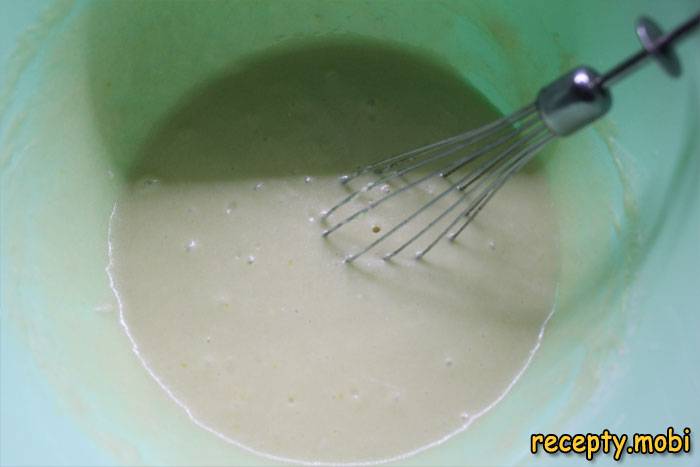
Sift the flour into the mixture through a fine sieve – this aerates it so the dough comes out without lumps. Knead a soft, elastic dough for 7–10 minutes by hand or with a mixer fitted with a dough hook. The finished dough should not stick to your hands, but should not be too stiff either. Grease the ball with vegetable oil and leave it to rise for 30 minutes in a warm place (26–28 °C).
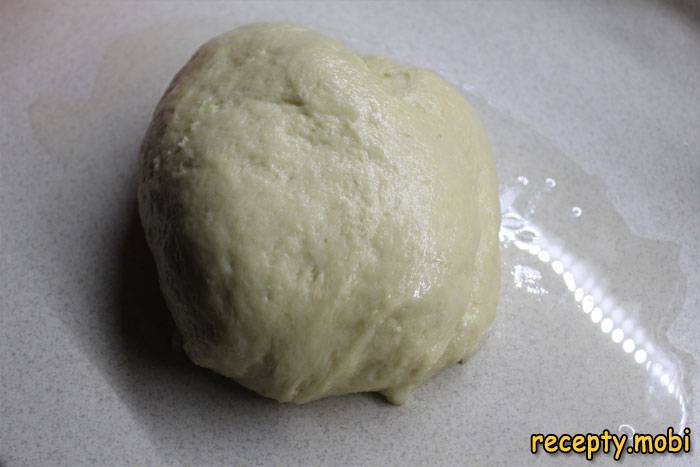
Knock back the risen dough on an oiled surface – this releases the carbon dioxide and saturates it with oxygen. Leave it to rise for another 15 minutes. Repeat the knock-back and rise once more – three provings in total. This is exactly what gives the airiest crumb.
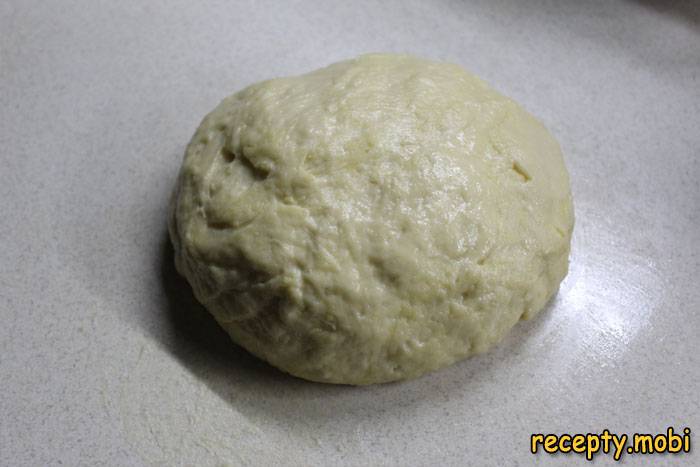
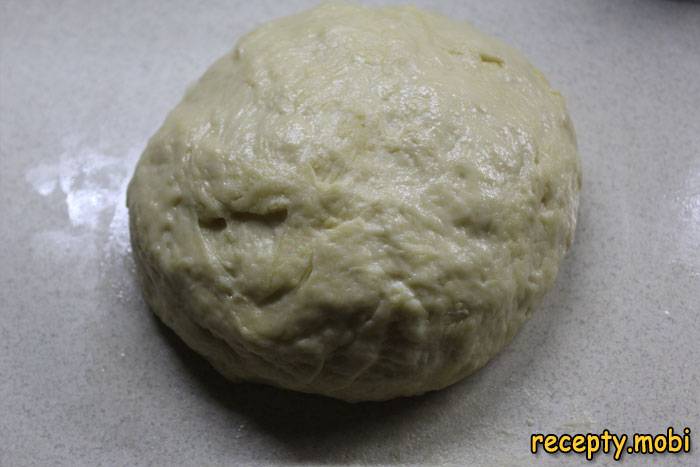
Knock the dough back one last time and shape it into an even ball. The rich yeast dough for pies and turnovers is ready to use. You can now shape turnovers, open pies, cottage cheese buns and rolls.


Tips
- 1
The milk should be warm (30–40 °C) – hot milk will kill the yeast and the dough will not rise. Check the temperature with your finger.
- 2
Always use soft butter at room temperature – it blends in better without lumps.
- 3
Knock the dough back 2–3 times during proving – this makes the crumb noticeably fluffier. I bake homemade bread on a similar principle.
- 4
This dough yields about 20 turnovers of 50 g each – a convenient amount for family baking.
FAQ
Can I replace fresh yeast with dry? +
Yes, the ratio is simple: 20 g of fresh yeast = 7 g of instant dry yeast or 10 g of ordinary dry yeast. Mix instant dry yeast straight into the flour – unlike fresh yeast, it does not need to be «activated» in milk. Dough made with dry yeast rises a little longer – 45–60 minutes instead of 30. There is no difference in taste, but fresh yeast gives a more pronounced yeasty bread aroma. Use only fresh yeast – expired yeast will never raise the dough. When squeezed, fresh yeast feels soft, which shows that it is alive.
How long does the prepared dough keep? +
Wrapped in cling film in the fridge – up to 3 days. Knock it back every 24 hours so it does not over-prove. In the freezer – up to 3 months in a tightly sealed bag. After thawing, be sure to let the dough come to room temperature for 1–2 hours and prove again for 20–30 minutes – then it will be ready to shape. Frozen dough is practically indistinguishable from fresh in baking quality. It is handy to make a double batch and freeze half.
Why is my dough not rising? +
Three main causes: expired yeast (check the use-by date on the packet), milk that is too hot or too cold (it must be strictly 30–40 °C), and a cold place for proving. The ideal temperature is 26–28 °C. Put the bowl of dough near a warm radiator, in an oven that is switched off with the light on, or simply cover it with a towel and leave it on the table. Sugar is food for the yeast, so without it, or with too little, fermentation is slow. Salt, on the other hand, slows fermentation down – do not exceed the stated amount.
- Comment
or post as a guest
Be the first to comment.