avg —
Honey Cake Dough in a Double Boiler

Instructions
Put 2 large eggs into a heatproof bowl, add 160 g of sugar, 2 tsp of baking soda, 2 tbsp of natural honey and 50 ml of refined odourless vegetable oil. All the ingredients should be at room temperature so the mixture heats evenly. Use liquid, natural honey – if it has crystallised, melt it first in the microwave for 15 seconds.
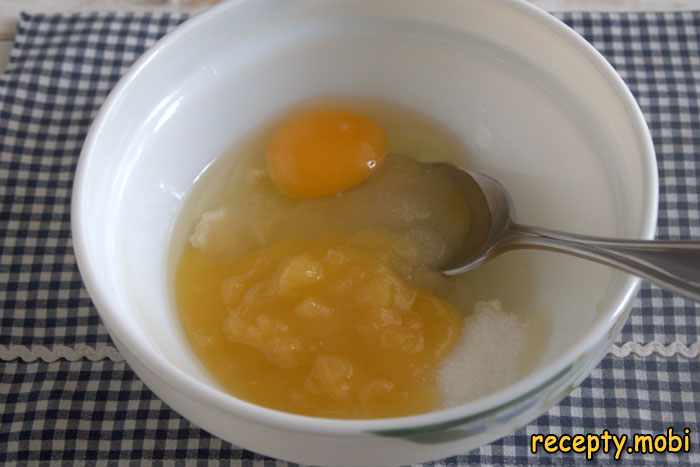
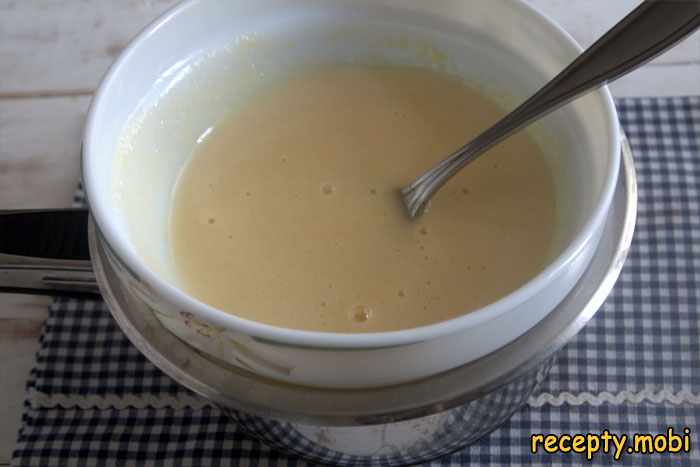
Whisk all the ingredients together until smooth for 1–2 minutes and set the bowl over a water bath – a saucepan of boiling water with the bowl resting on top without touching the water. Stirring constantly with the whisk, heat the mixture for 8–10 minutes until it increases in volume 2–3 times and turns pale and fluffy. As the soda reacts with the honey it gives a characteristic caramel note and lightness.
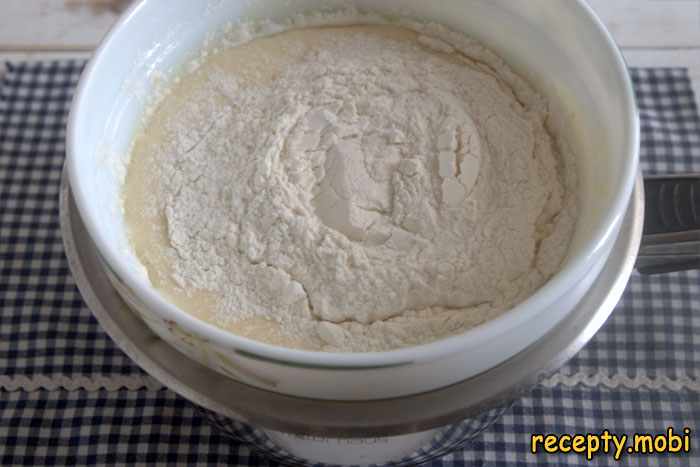
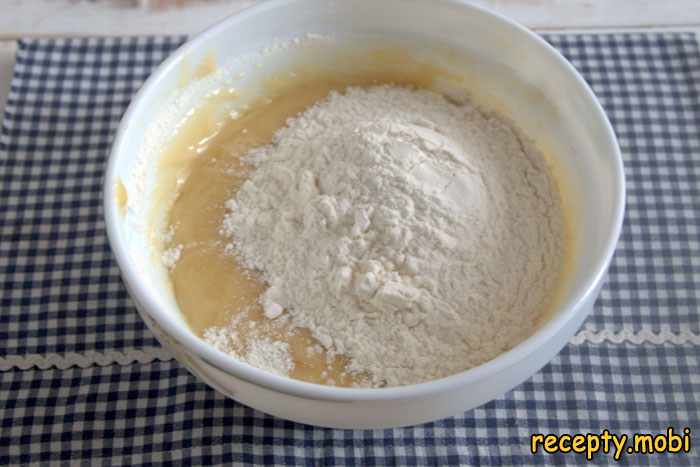
Add 2 cups of sifted flour (about 300 g) to the fluffy mixture without taking it off the water bath, and stir with the whisk until smooth and free of lumps. Keep heating over the water bath for another 2–3 minutes – at this stage the warm dough is very elastic and easy to work with. This is exactly the step that makes the layers porous and airy.
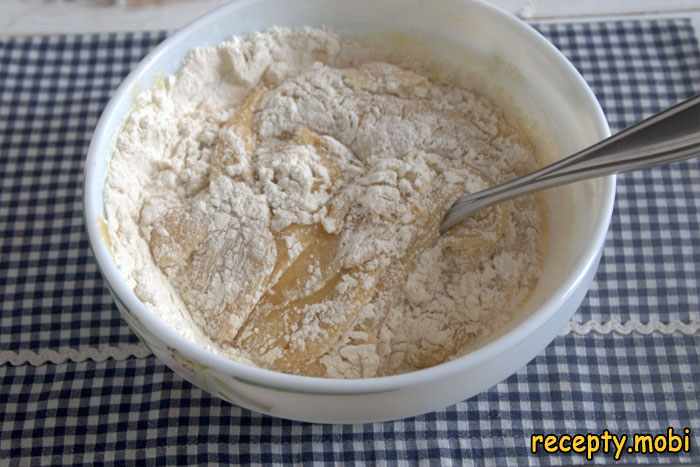
Take the bowl off the water bath and combine the warm honey mixture with the remaining 1 cup of flour (about 150 g) – add it gradually, stirring it in with a wooden spoon. At this point the dough is warm and takes in the flour well. The amount of flour may vary slightly depending on its moisture and the size of the eggs – go by the consistency.
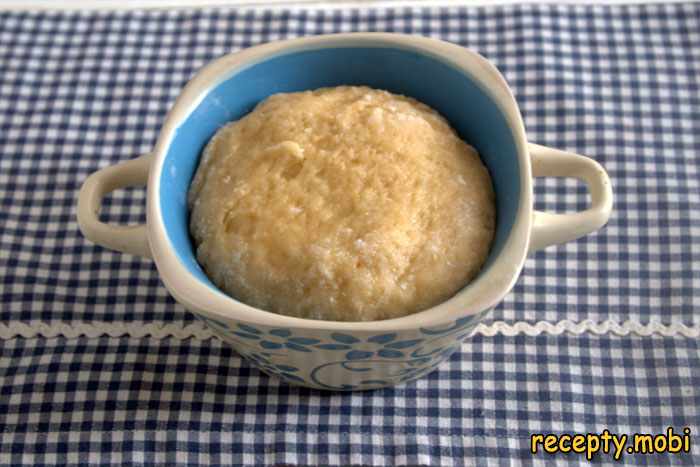
Mix everything until completely smooth – the dough should be soft and slightly sticky, but hold its shape well. If the dough is too sticky, add 1–2 tablespoons of flour; if it is too stiff, add 1 tablespoon of warm milk. The right consistency is like soft modelling clay.
Divide the warm dough into 6 equal pieces of about 120–130 g each. Roll each ball into a thin round sheet 2–3 mm thick and 22 cm in diameter – use a plate or a tin as a guide. Bake each layer on parchment at 200 °C for just 4–5 minutes until golden – the layers are ready very quickly, so don't miss the moment. Assemble the home-made honey cake with sour cream or custard filling – it will be perfect after 8–12 hours of soaking in the fridge.


Tips
- 1
Use only refined odourless vegetable oil – unrefined sunflower or sesame oil will spoil the characteristic honey flavour of the bake. Olive oil is not suitable either.
- 2
Roll the layers as thin as possible (2–3 mm) – they soak up the cream better and the cake turns out more tender. Thick layers stay a little dry even after long soaking at home.
- 3
Bake the layers quickly – 4–5 minutes at 200 °C is enough to keep them from drying out and staying soft. Over-baked layers turn crisp and won't soak up the cream.
- 4
The finished honey cake becomes perfect after 8–12 hours of soaking in the fridge under a light weight (a plate on top, for example). A cake assembled in the evening will be melt-in-the-mouth by morning.
FAQ
Which cream is best for a honey cake? +
The classic choice is a sour cream filling made from 500 g of full-fat 25% sour cream and 150 g of icing sugar whipped until firm. It soaks the layers perfectly and gives a light, tangy contrast to the honey sweetness. A custard made with milk and vanilla also works very well, as does a cream of boiled condensed milk with softened butter (300 g + 200 g). For a lighter option, use a yoghurt cream set with gelatine – a home-made honey cake with yoghurt cream comes in at just 280 kcal per 100 g instead of 450 kcal with the classic sour cream.
Why did the honey layers turn out hard and dry? +
The main reasons are: over-baking (4–5 minutes is enough, no more), adding too much flour (go by the consistency, not the exact grams), or weak honey with little aroma (use natural floral or buckwheat honey). The fix: if the layers are already baked, soak them with milk and sugar syrup before spreading the cream – about 2 tablespoons per layer. This softens the texture. Next time, shorten the baking time and check the layers every minute from the 3rd minute on.
How long does a finished honey cake keep in the fridge? +
An assembled cake with cream keeps in the fridge under a lid or cling film for up to 5 days without losing flavour. The soaking deepens with each day and the flavour gets richer, peaking on day 2–3. After that the layers may become too soft and start to lose their structure. Bare layers without cream keep in an airtight bag for up to 2 weeks in the fridge and up to 3 months in the freezer. A home-made honey cake keeps its quality even after freezing – defrost it in the fridge for 6–8 hours.
What can replace honey in honey cake dough? +
Honey is the key ingredient that gives the characteristic aroma, colour and porosity thanks to its reaction with the soda. But for people allergic to honey there are substitutes: maple syrup (2 tbsp), blackstrap molasses (1.5 tbsp, as it is darker and more concentrated), invert syrup (2 tbsp) or honey jam – a floral honey with a mild flavour. Sugar syrup won't do – it gives neither the characteristic aroma nor the porosity. The result of a substitution will be close to the original, but a perfect match is impossible – honey is unique.
- Comment
or post as a guest
Be the first to comment.