avg —
Flan with Caramel (Creme Caramel)

Instructions
In a saucepan, combine half the sugar and half the cinnamon with the milk. Heat until hot (60–70 °C), without bringing it to the boil. The milk with cinnamon gives the dessert that distinctive aroma of «Spanish flan».
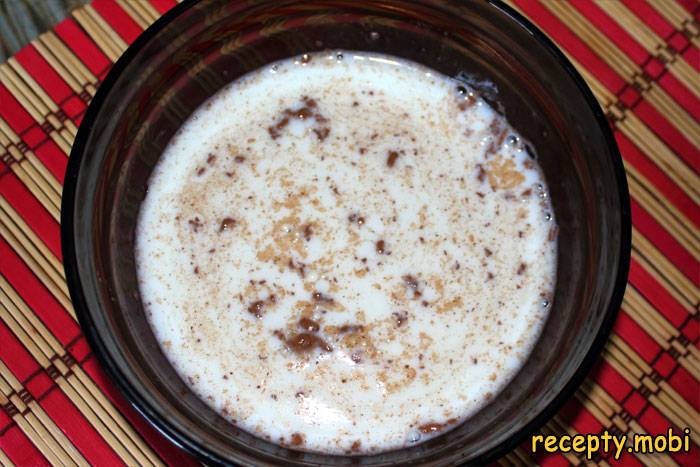
Boil water for the water bath in a large pot. In a separate dry frying pan, combine the remaining sugar, cinnamon and 1 tablespoon of water – the base for the caramel.
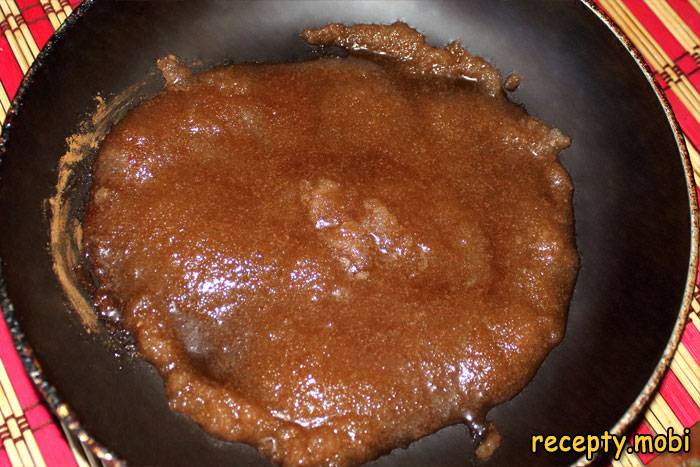
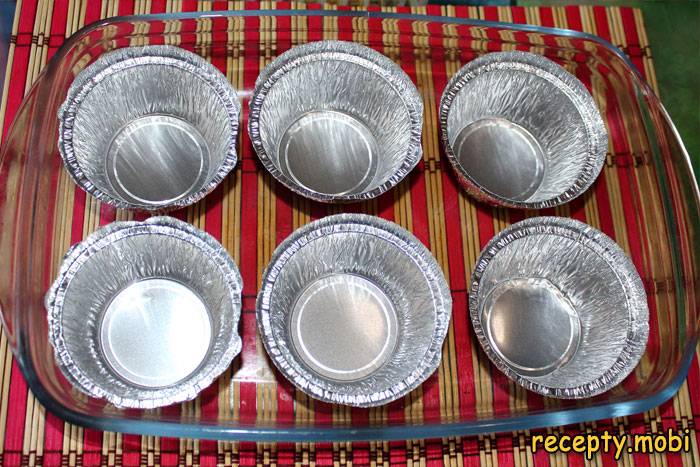
Melt the sugar over low heat, stirring constantly with a silicone spatula – you should get a golden-amber caramel. Do not let it darken to brown, or it will taste bitter. Arrange the individual ceramic moulds in a large heatproof dish filled with hot water.
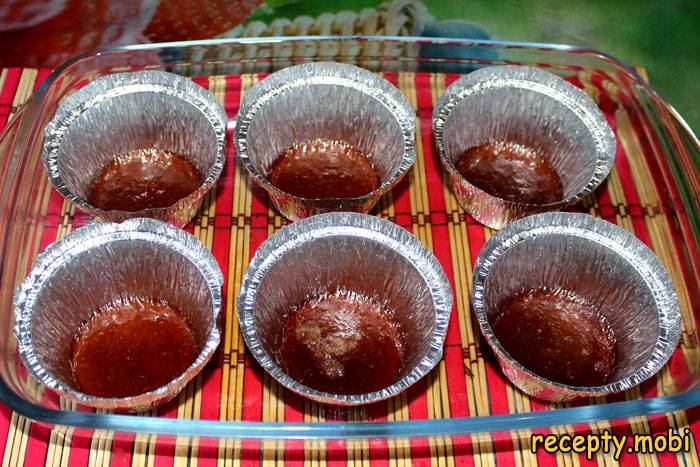
Quickly pour 2 tablespoons of hot caramel into each mould – it sets fast. Spread the caramel over the bottom of the moulds by gently swirling them.
In a separate bowl, whisk the eggs with a whisk until smooth and lightly foamy. Do not use a mixer – we do not want a very airy mass, as we would for a sponge cake.
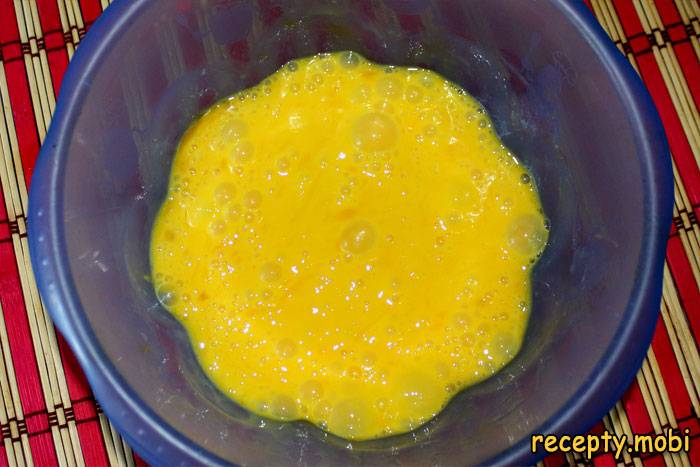
Pour the beaten eggs into the hot milk with cinnamon in a thin stream, stirring constantly with a whisk – so the eggs do not curdle from the heat.
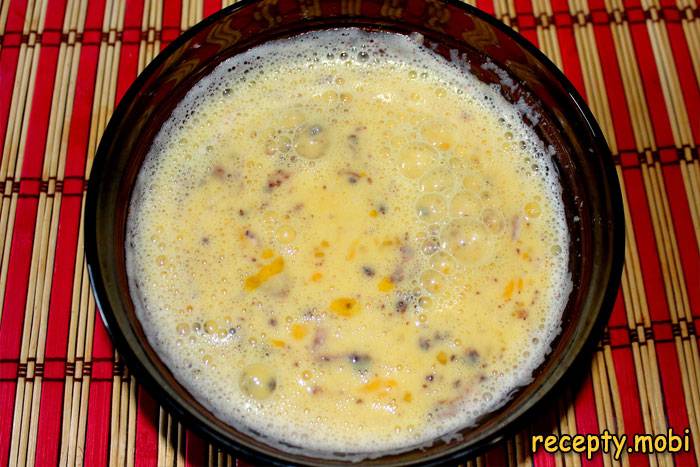
Pour the egg-and-milk mixture into the moulds with the caramel, filling them two-thirds full. The caramel has already set on the bottom – that is exactly how it should be.
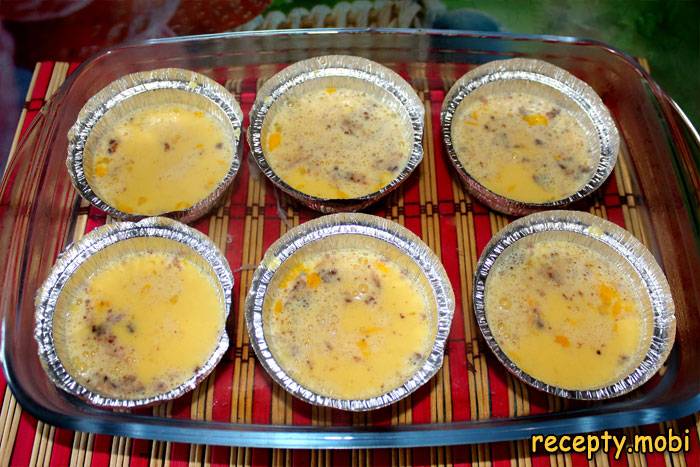
Bake in the water bath at 150 °C for 30 minutes, until a golden crust forms and the flan is done (a knife inserted into the centre should come out clean).
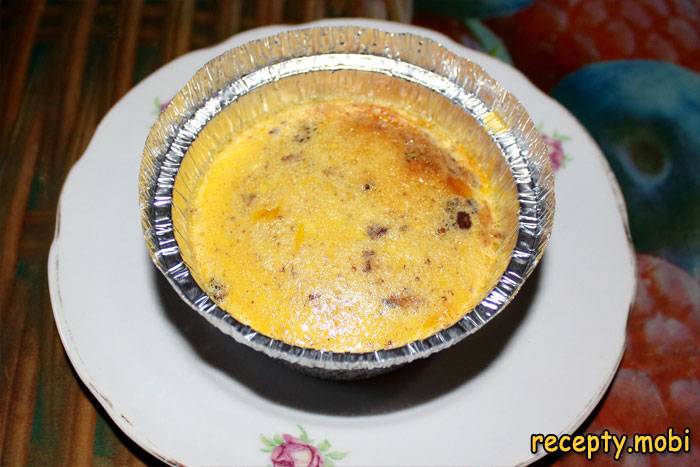
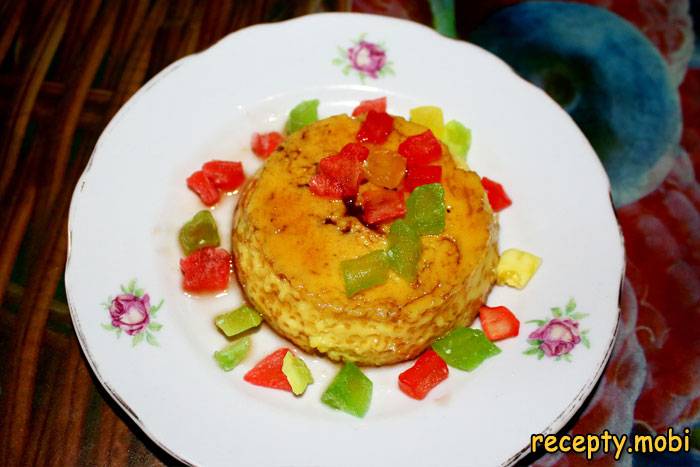
Cool the flan completely and refrigerate for at least 2 hours. Before serving, run a knife around the edges of the mould and turn it out onto a plate – the caramel runs beautifully down the flan. Decorate with candied fruits. The flan with caramel is ready!


Tips
- 1
Serve it warm (the caramel will be runny and juicy) or cold (with a crisp caramel crust) – it is delicious either way.
- 2
For the best flavour, let the flan stand for a day in the fridge – the caramel dissolves and the dessert becomes even juicier.
- 3
To remove the flan easily from the mould, run a sharp knife around the edges once or twice before turning it out. Panna cotta is made on a similar principle.
- 4
Decorate with fresh berries (raspberries, blueberries, strawberries), mint leaves or whipped cream – it gives a «restaurant» look.
FAQ
Why did the caramel set in the pan before it reached the moulds? +
Caramel sets very quickly as it cools – work fast. Keep the moulds hot (in the hot water bath) until the moment you pour in the caramel – this slows down its setting. If the caramel does set anyway, return the pan to low heat and melt it again – but do not overdo it, or it will taste bitter. The ideal pace: pour the milk – prepare the moulds – quickly melt the sugar – immediately pour it into the moulds. Have all the moulds ready in advance.
Can I make the flan without cinnamon? +
Yes, replace the cinnamon with vanilla (1 tsp of vanilla extract) for a classic «French» version of the flan, or with lemon / orange zest (1 tbsp) for a refreshing citrus accent. You can also use cardamom (an oriental touch), nutmeg (a warm aroma) or ground cloves (a festive character). For grown-up versions, add a tablespoon of rum, brandy or Baileys liqueur. Each flavouring gives the dessert its own character.
How long does the finished flan keep? +
In the refrigerator under cling film or in a tightly sealed container – up to 3 days. On the second day the flavour becomes deeper, and the caramel spreads even more through the flan. Keep it only in the fridge – at room temperature it spoils quickly because of the milk components and eggs. I do not recommend freezing it – after thawing the texture is ruined: it becomes grainy and watery. Make it in portions for just one or two servings. Serve it chilled – that is how the classic Spanish character comes through.
- Comment
or post as a guest
Be the first to comment.