avg —
Panna Cotta – Classic Recipe

Instructions
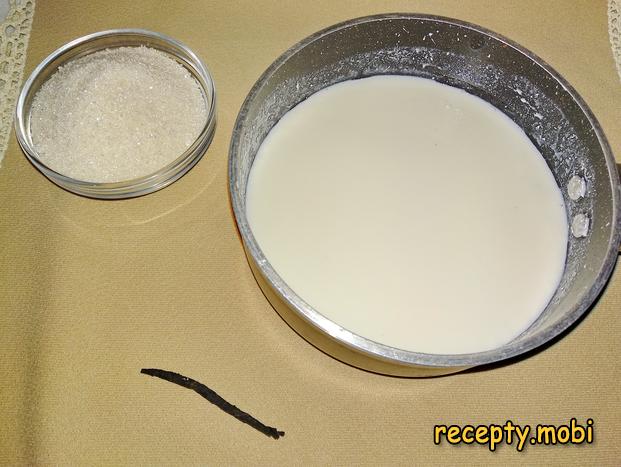
I lay the ingredients out on the work surface. I use 33% cream (200 ml) and 3.2% milk (200 ml) in equal 50/50 proportions – this ratio gives the best balance of richness and delicacy in panna cotta. Made purely with cream, the dessert turns out "heavy"; with milk alone it is "watery", without the creamy texture it needs. The 50/50 ratio is the "gold standard" for the home version.
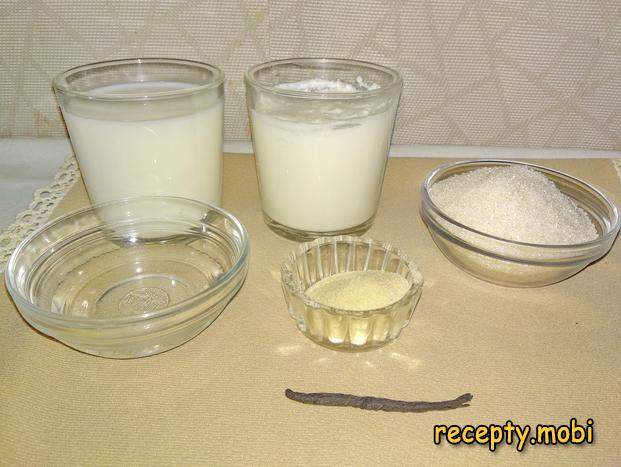
Pour the cream and milk into a heavy-bottomed saucepan. Add the sugar (100 g) and set over medium heat. Stir constantly with a silicone spatula to dissolve the sugar and prevent scorching. CRUCIAL: do not bring to the boil! Heat only until steam appears – around 80°C. Boiling will "curdle" the cream into lumps and ruin the dessert.
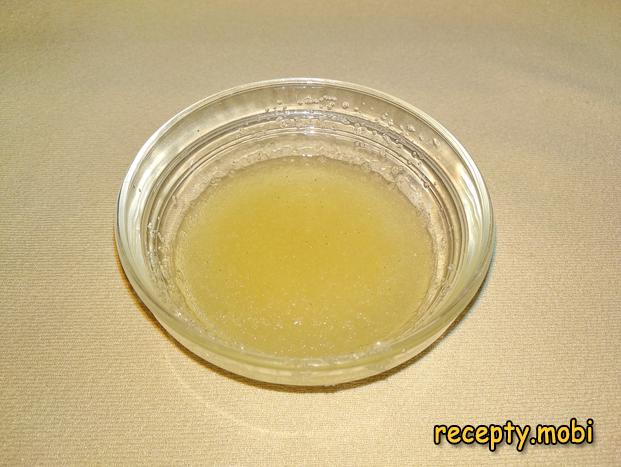
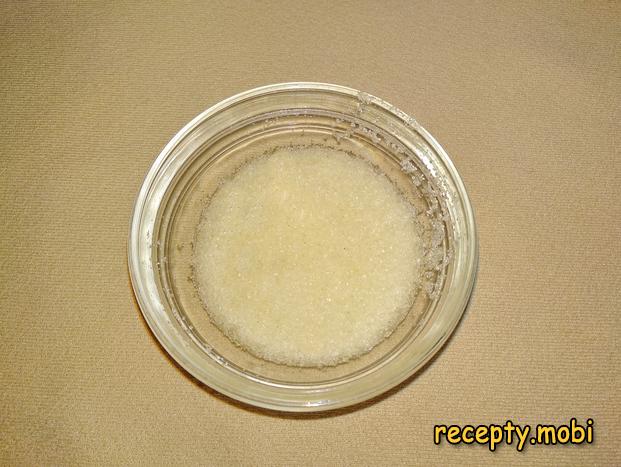
Meanwhile, prepare the gelatin. Pour cold water (50 ml) into a small bowl and sprinkle the gelatin (2 tsp = 8 g) evenly over the top like rain. Stir thoroughly and leave for 5–10 minutes to swell. Properly swollen gelatin is a thick, jelly-like mass. If you use leaf gelatin, soak it in plenty of cold water and after 5 minutes squeeze out the excess water.
Once the cream-and-milk mixture is hot and steaming, take the saucepan off the heat. Add vanilla paste, vanillin (1.5 g) or the seeds from ½ a vanilla pod. For the vanilla seeds: cut the pod lengthwise with a knife, open it out and scrape the fragrant black seeds out with a teaspoon. Add them to the cream and stir well – the seeds will disperse through the liquid.
Let the mixture stand for 5 minutes so the vanilla releases its aroma. Then add the swollen gelatin to the hot cream and stir thoroughly with a whisk until the gelatin has completely dissolved (2–3 minutes of stirring). There is no need to melt the gelatin separately in a water bath – it dissolves perfectly in the hot cream at 80°C.
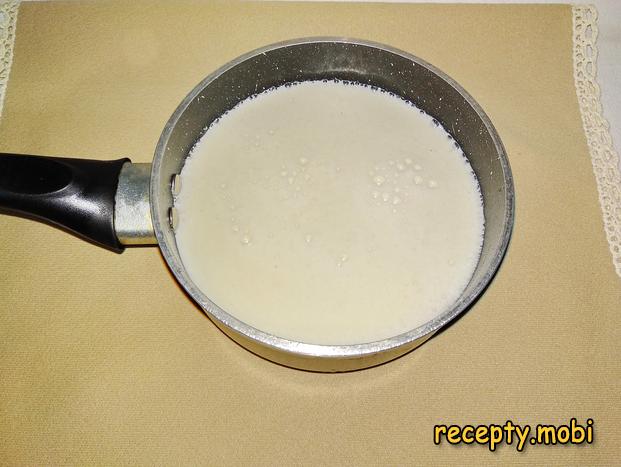
Leave the finished cream-and-gelatin mixture on the worktop to cool to ROOM TEMPERATURE. This matters – you must not pour the hot mixture straight into the cups and put it in the fridge. A sharp change in temperature gives a layered, separated structure.
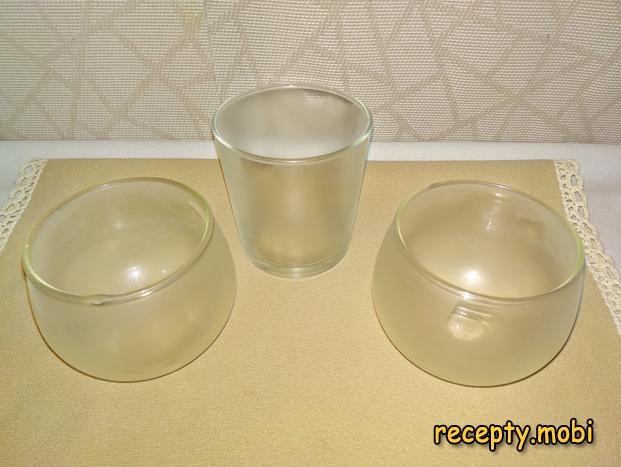
Prepare glass cups for serving – various shapes work: tall cocktail glasses, low brandy glasses, wine glasses, clear plastic dessert moulds. Glassware is needed for a striking "two-colour" presentation of the panna cotta with raspberry sauce. To speed up setting, chill the empty cups in the fridge for 10 minutes.
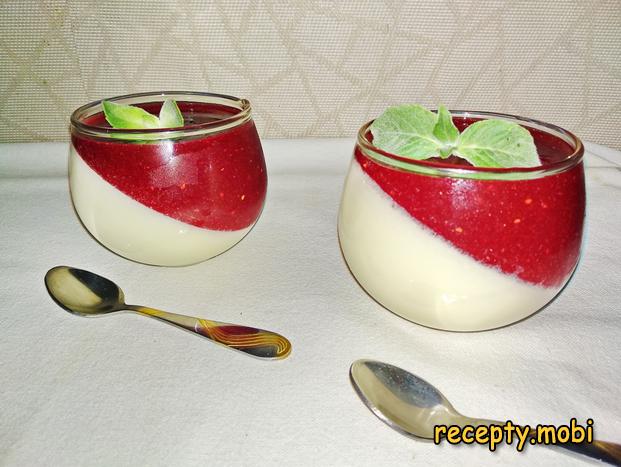
TWO SERVING OPTIONS. Option 1 (a vertical half): stand the empty cup at an angle (a 45° tilt) using a coaster, or prop it with a rolled-up towel in a container. Fill it with the cooled cream mixture almost to the rim (about 1 cm below the top). Option 2 (classic): fill a level cup two-thirds full, leaving room for the raspberry sauce on top.
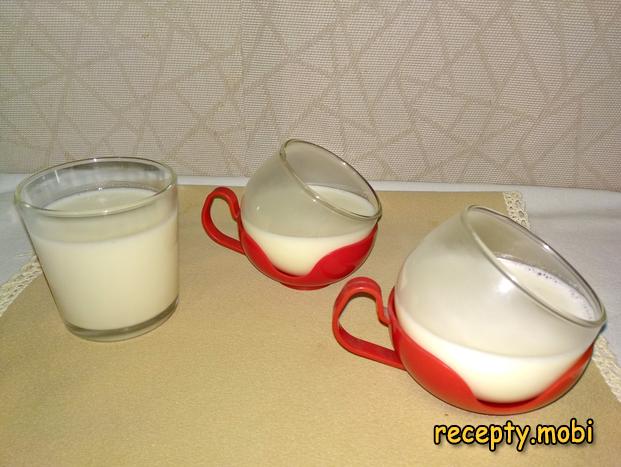
Carefully transfer the filled cups to the fridge. IMPORTANT: for the tilted option, do not move the cups for the first 30 minutes, so the mixture sets at the right angle. Leave in the fridge for 4 hours until fully set. To speed things up, use the freezer for 2 hours (but take care not to freeze it solid).
Meanwhile, make the raspberry sauce – a bright berry partner for the panna cotta. Put the raspberries (400 g) into a saucepan – fresh or frozen (no need to defrost). If the berries are fresh, add 50 ml of water to prevent scorching. If they are frozen, no water is needed – the berries release plenty of juice on their own.
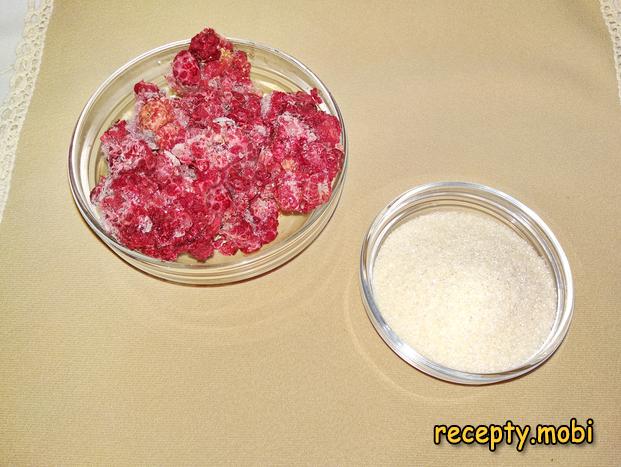
Add the sugar (70 g) and set the saucepan over medium heat. Bring to the boil and cook for 2–3 minutes until the sugar has fully dissolved. Stir with a silicone spatula to prevent scorching. Do not cook for longer than 5 minutes or the sauce loses its "fresh" berry flavour and becomes "jam-like".
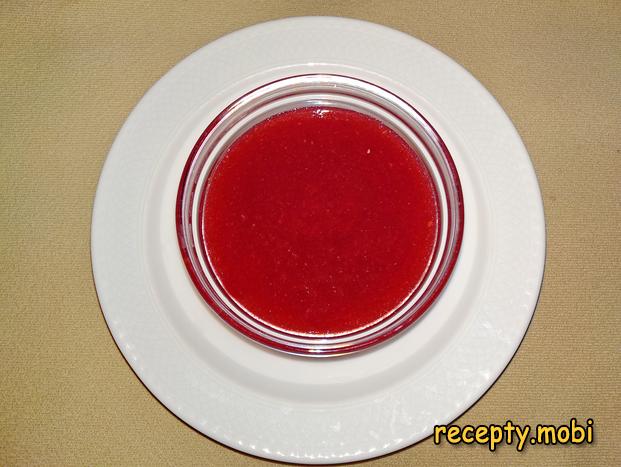
Take the cooked raspberry mass off the heat. Tip it onto a fine sieve set over a bowl. Press the mixture through the sieve with a silicone spatula, leaving only the seeds behind – they give an unpleasant "crunchy" texture in the finished sauce. Pour the smooth sauce into a clean jug or sauce boat. Cool completely to room temperature (30 minutes).
After 4 hours the panna cotta in the fridge has fully set. Take out the cups. For the tilted option: pour the cooled raspberry sauce over the panna cotta – it fills the "other half" of the cup, making a striking "two-colour" combination. For the classic option: pour the sauce over the panna cotta in the level cup in a 2–3 cm layer.
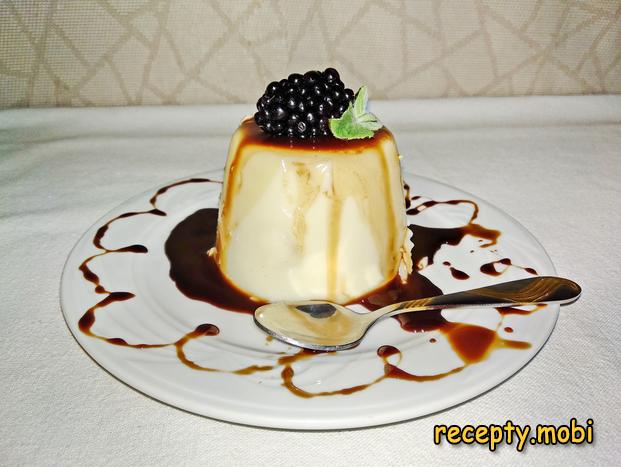
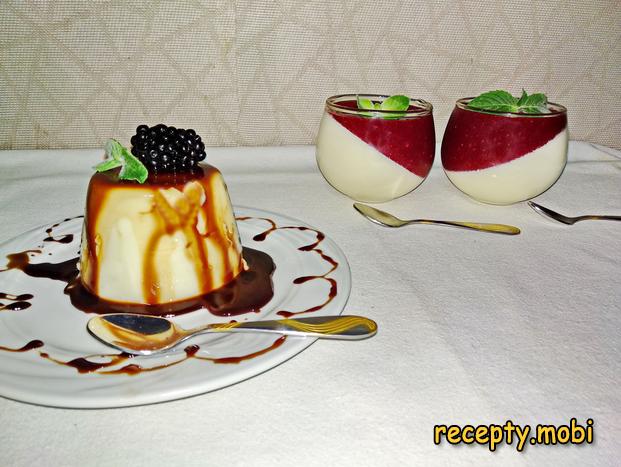
Alternative "cake" presentation from the cup: dip the cup of panna cotta into warm water for 30–60 seconds (don't overdo it – the dessert will melt!). Then cover the cup with a flat dessert plate and turn it upside down. Carefully lift the cup away – the panna cotta sits on the plate like a dome. Drizzle with chocolate glaze (30 g), and decorate with fresh blackberries or raspberries and a mint leaf.
Before serving, return the finished desserts to the fridge for 15 minutes – the components "come together" and the dessert is served perfectly cold. The classic panna cotta is ready! I serve it with a teaspoon for each cup.


Tips
- 1
Do not bring the cream and milk to the boil – they will "curdle" into lumps. Heat only until steam appears (80°C).
- 2
Keep the gelatin proportion at 2 tsp per 400 ml of mixture – that's 0.8–1% of the volume. Less and it won't set; more and it turns into "rubbery" jelly.
- 3
Use 33% cream and 3.2% milk in a 50/50 ratio – the "gold standard" for balance. On a similar principle I also make crème caramel.
- 4
Always press the raspberry sauce through a sieve to remove the seeds – they give an unpleasant "crunchy" texture.
FAQ
What can replace the gelatin in panna cotta? +
Several options work: agar-agar (plant-based, suitable for vegans and fasting periods – use 1 tsp instead of 2 tsp of gelatin, as it is five times stronger), pectin (fruit-based, a more delicate texture), liquid pectin (NH or apple pectin, for modern pastry chefs), or cornflour (3 tbsp, giving a more "pudding-like" texture rather than a "wobbling" one). Gelatin is the "classic" choice for Italian panna cotta, with its characteristic delicate, trembling texture. For a vegan version, use agar-agar with coconut milk instead of the usual cream and milk. Each substitute gives the dessert its own character.
Which sauces go well with panna cotta? +
Raspberry is the "classic" for Italian panna cotta. Others also suit it: strawberry (a summer classic), blueberry (an unusual blue colour), cherry (a Russian take), mango (a tropical option), caramel (crème-brûlée style), chocolate ganache (200 g chocolate + 200 ml cream), coffee (for gourmets), citrus (orange or lemon with zest), or a berry mix (blackcurrant, raspberry, blueberry). Each sauce gives its own character. Raspberry is the "canon" thanks to the perfect balance of the sweet panna cotta with the sweet-and-sour sauce. For a wedding table, classic chocolate ganache or raspberry works well.
How long does the finished panna cotta keep? +
The finished dessert keeps in the fridge for up to 3 days in the cups under cling film. Store the sauce separately from the panna cotta – pour it over only just before serving, otherwise the berry acid will disrupt the structure of the gelatin. On the second day the vanilla flavour develops even more richly. Do not freeze it – the gelatin "separates" on thawing and you lose the delicate texture. It is ideal to make it 8–12 hours before serving (for example, in the morning for dinner). Before serving, let the dessert "rest" for 15 minutes in the fridge for the best temperature.
What to serve panna cotta with at the table? +
It is ideal on its own as a light dessert after a main Italian dinner (pasta, risotto, lasagne). It pairs with: espresso or cappuccino (a classic Italian combination), sweet sparkling wine (Moscato d'Asti, Prosecco), white port, Limoncello liqueur (for an "Italian" touch), or white semi-sweet wine (Moscato d'Asti). For a children's birthday – with a fruit drink or cocoa. Serve it in pretty glass cups in restaurant style with a dessert spoon and a thin sponge or savoiardi biscuit. For a romantic dinner – with champagne and fresh berries.
- Comment
or post as a guest
Be the first to comment.