avg —
Orange Flavored Crème Caramel

Instructions
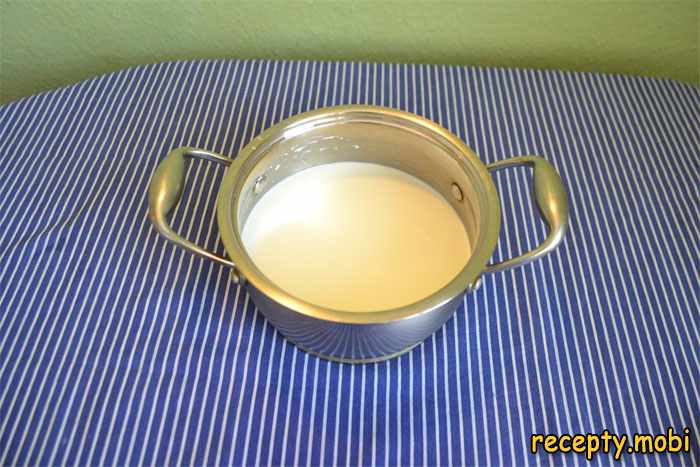
Pour the milk and cream into a deep saucepan, add half of the sugar (45 g) and place over medium heat. Bring the mixture to a boil, stirring occasionally with a spoon so the milk does not catch on the bottom.
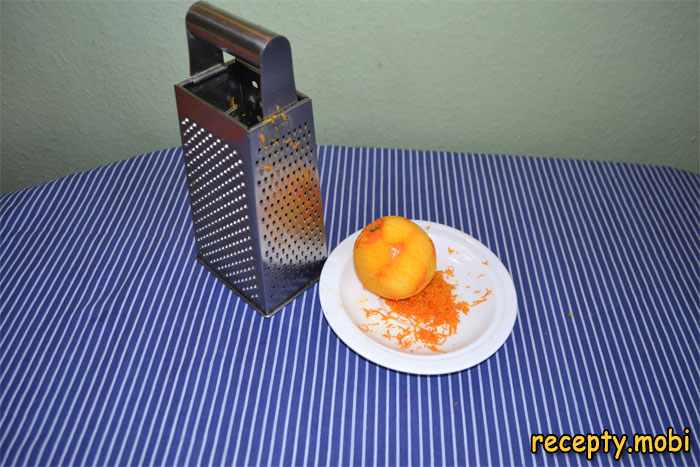
Wash the orange thoroughly under hot water or scald it with boiling water. Grate the peel on a fine grater – take off only the orange part (the zest), leaving the white pith untouched, otherwise it will add bitterness. Instead of an orange you can use a tangerine or a lemon.
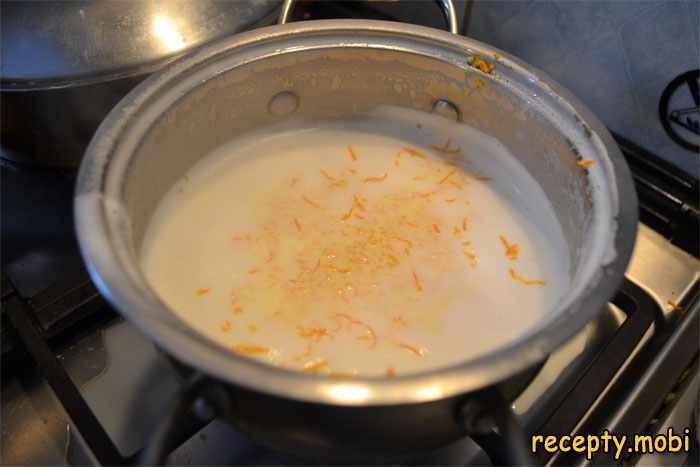
Add the zest to the saucepan with the cream, and pour in 2 tablespoons of freshly squeezed orange juice. Remove from the heat, cover with a lid and leave to infuse in a warm place for 40–45 minutes, so the cream takes on the orange aroma.
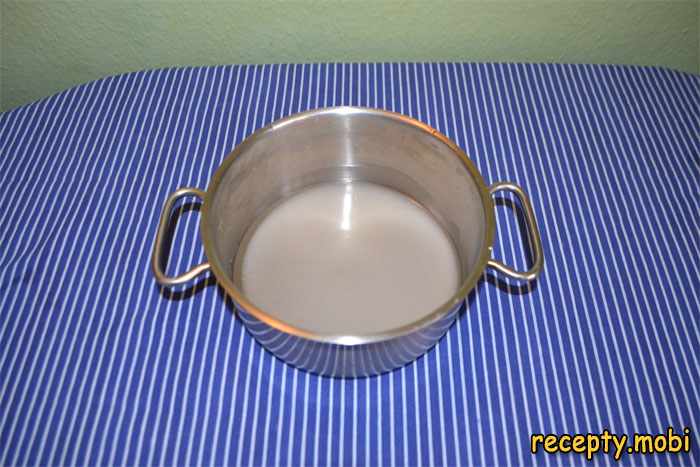
While the cream is infusing, make the caramel. Put the sugar (135 g) into a thick-bottomed saucepan, pour in the water and 1 tablespoon of orange juice. Place over low heat and cook, swirling carefully, for 5–7 minutes until it turns golden and a caramel aroma appears. It is important not to overcook it – better to take it off a little early, as the caramel will continue to develop on its own. If a bitter smell appears, you will have to start over.
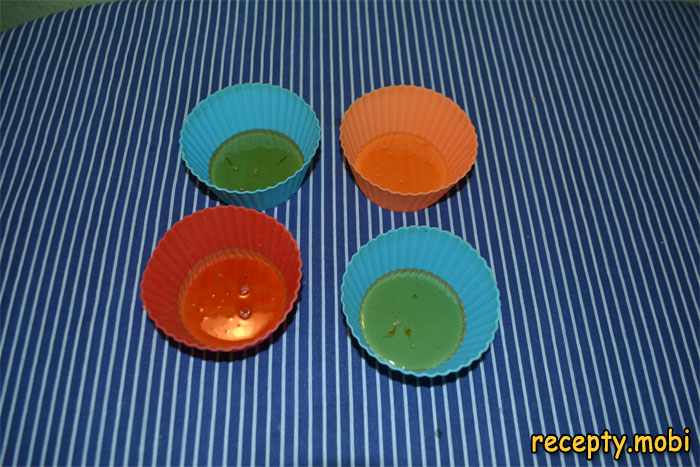
Pour the hot caramel straight away into 4 ceramic or silicone moulds. The bottom of each mould should be covered with a layer of caramel about 0.5 cm thick. Leave it to set.
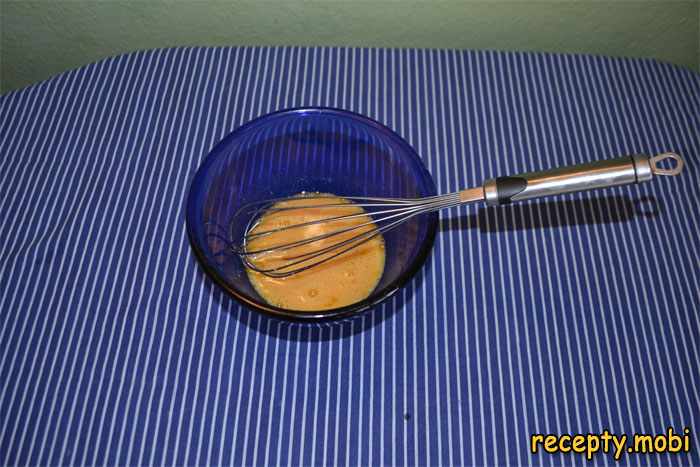
In a separate bowl, lightly beat the 3 egg yolks and 1 whole egg with the remaining sugar (45 g) using a fork or whisk. Beat gently, without overdoing it, so that no foam forms – we want a smooth mixture.
Strain the hot creamy mixture through a fine sieve (to remove the zest) and pour it in a thin stream into the beaten eggs, stirring constantly with a whisk. It is important to pour slowly so the eggs do not curdle from the high temperature.
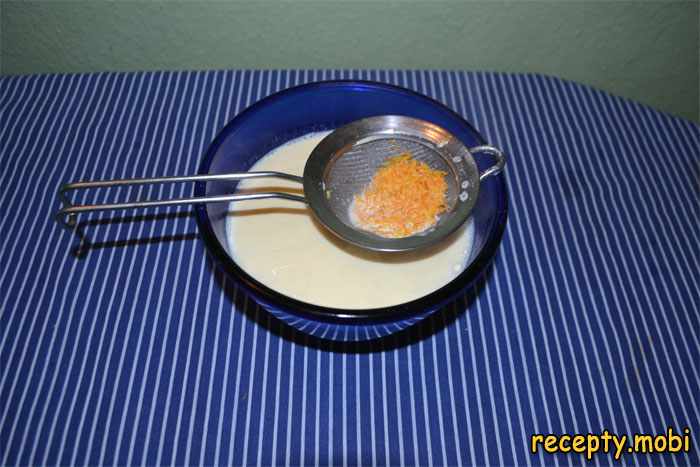
Pour the creamy mixture into the moulds over the set caramel. If any bubbles form on the surface, carefully lift them off with a spoon – they will spoil the smooth texture.
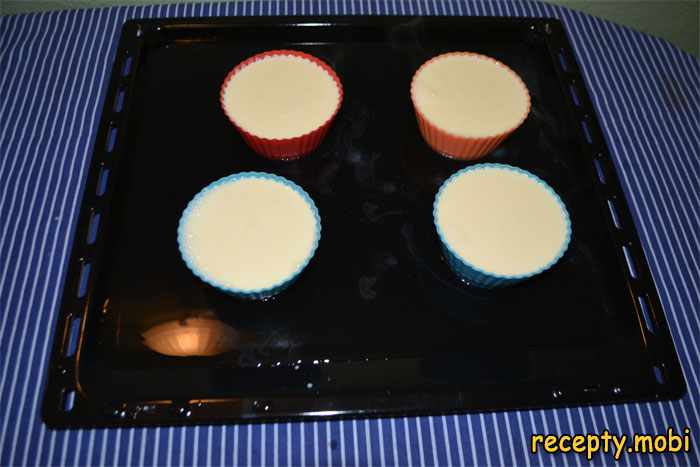
Pour warm water into a deep baking tray (a water bath) and place the moulds in it – the water should cover them by at least a quarter of their height. Bake in an oven preheated to 155°C for 50–60 minutes. The custard should be set but still slightly wobbly in the centre.
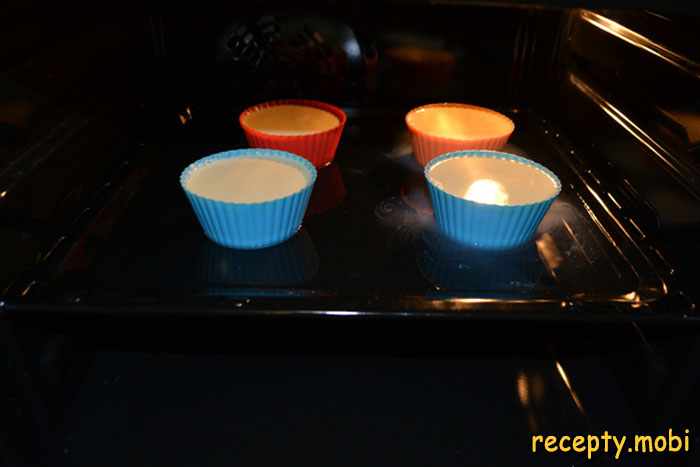
Take the moulds out of the oven, let them cool to room temperature, then put them in the refrigerator for at least 2.5 hours (preferably overnight) to set completely.
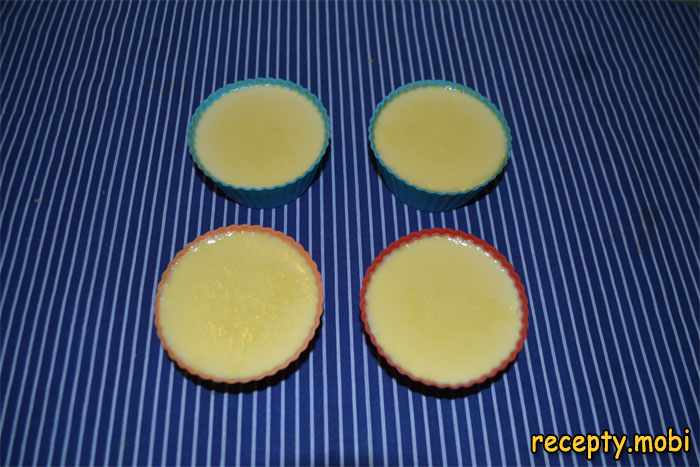
Before serving, carefully run a knife around the edge of the mould and turn it out onto a plate – the custard slides out and the caramel runs over the top as a golden sauce. Garnish with fresh berries, orange segments or mint.
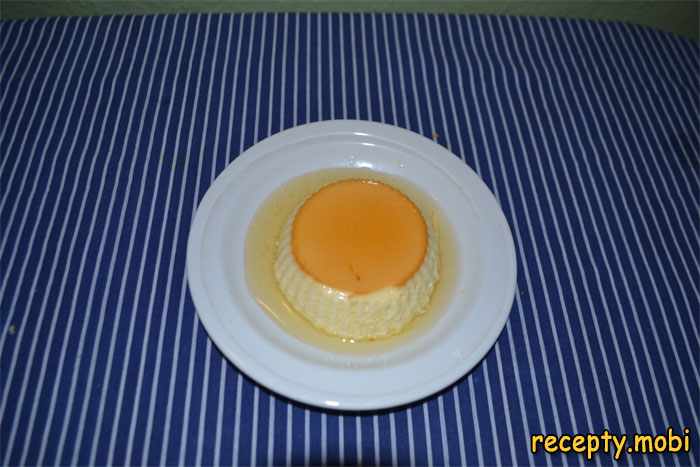


Tips
- 1
I cook the caramel only over low heat and do not stir it vigorously – it is enough to swirl the pan gently. If you stir actively with a spoon, the sugar will crystallise on the sides and burn.
- 2
A water bath is essential – it provides even, gentle heating without drying the custard out. Without a water bath the custard will curdle and turn grainy.
- 3
For variety I add cocoa powder (2 tbsp), vanilla extract, coffee or fruit syrups to the creamy base. Instead of orange, lemon, grapefruit or tangerine work very well.
- 4
I keep the finished crème caramel in the refrigerator, in the moulds, for up to 3 days. I turn it out only just before serving – that way the caramel does not run out too soon.
FAQ
Why did my crème caramel turn out grainy or curdled? +
The most common cause is too high a baking temperature or the absence of a water bath. A temperature above 160°C curdles the egg, and the custard becomes grainy. Always use a water bath and bake at 155°C.
Can I make crème caramel without cream, using only milk? +
You can, but the texture will be less creamy and more dense. I replace the 480 g of cream with 480 g of milk with 3.2% fat; the result is decent but less delicate. For the best result, use a mixture of milk and cream.
How long does crème caramel need to chill before serving? +
At least 2.5–3 hours in the refrigerator, but overnight is better (6–8 hours). In that time the custard fully stabilises, while the caramel softens and turns into a liquid sauce. Under-chilled custard may fall apart when turned out.
Why has the caramel set too hard and won't run? +
That means the caramel was overcooked or too little water was added. Properly made caramel should be hard after setting, but on contact with the moist custard it softens and turns into a sauce. If the caramel is too hard, you can add a little more water when cooking it.
Can I freeze the finished crème caramel? +
I don't recommend it – after defrosting the texture becomes grainy and watery, and the custard separates. It is better to make this dessert 1 day before serving and keep it in the refrigerator, but not to freeze it.
- Comment
or post as a guest
Be the first to comment.