What to Substitute for Vegetable or Butter: 6 Best Alternatives
How to replace vegetable oil or butter is a question that comes up for anyone with an allergy, on a particular diet, observing a fast, working on weight loss or simply discovering an empty bottle and butter dish at the worst possible moment. The good news: oils and fats play different roles in cooking — they're needed for frying, for baking, for salad dressings, for greasing pans — and for each of these jobs there's an effective substitute. This article gathers 6 proven alternatives with exact proportions and notes on which task each one is best suited to: margarine, coconut oil, avocado, mashed banana and applesauce, Greek yogurt, sour cream and natural nut butters. Each option includes pros, cons and tips from professional chefs.
Here is my selection of 6 proven alternatives for replacing vegetable or butter in baking and frying. From my own experience, the main secret to a successful substitution is to always take into account the oil’s smoke point and its function in the recipe. For frying you need oils with a high smoke point (avocado, canola), while for baking you want ingredients with a similar fat content (applesauce, pumpkin puree, yogurt). There is no single universal substitute.
This step-by-step recipe is my tried-and-tested cheat sheet for replacing oil in home cooking. These alternatives help to cut the calorie content of baked goods, solve the problem of lactose intolerance, or simply make use of whatever you have at home. Each substitute gives the finished dish its own character – so experiment to taste.
Ingredients (oil alternatives)
Show ingredients
- grated zucchini;
- pumpkin puree;
- applesauce;
- Greek yogurt;
- canola oil;
- ripe avocado.
Preparation step by step
- GRATED ZUCCHINI is ideal for frying vegetable patties and fritters, and for baking. I replace 1 cup of vegetable oil with 1 cup of coarsely grated zucchini – it uses its own natural moisture for “frying”. It works for potato pancakes, vegetable fritters and bakes. The calorie content drops 8–10 times, but the flavour stays rich thanks to the umami taste of zucchini.
- PUMPKIN PUREE is a wonderful replacement for butter in sweet baking – muffins, cakes and pies. Instead of 100 g of butter I use 75 g of baked pumpkin puree. Pumpkin gives the finished dessert a distinctive slightly sweet taste and a lovely orange tint. It is ideal for autumn muffins with cinnamon or for spiced bread. The calorie content drops 4 times.
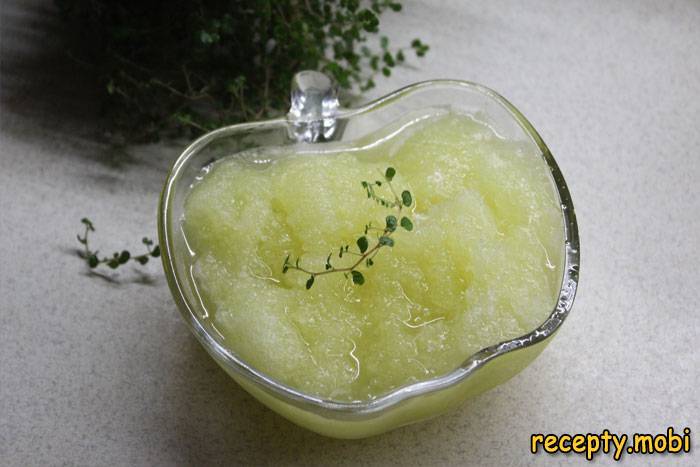
- APPLESAUCE is the lowest-calorie substitute thanks to its high natural moisture content. I replace 1 cup of oil with 3/4 cup of unsweetened applesauce. It suits sponge cakes, muffins and cupcakes. It gives baked goods a light fruity note and an airy texture. Homemade puree from fresh apples is better than the shop-bought kind – no sugar and no preservatives. It is ideal for diet-friendly baking.
- GREEK YOGURT contains 5 times fewer calories than butter while keeping that rich “mouthfeel”. I add as many grams of yogurt as the recipe requires for oil. It is ideal for pancakes, fritters, muffins and cakes. Yogurt gives a slight tang and a tender texture. It also increases the protein content of the dish – especially valuable for healthy-eating baking. Choose yogurt with no additives or sugar.
- CANOLA OIL is an excellent source of omega-3 and omega-6 acids. It is suitable for frying thanks to its high smoke point (204 °C). I replace 100 g of butter with 75 ml of canola oil. It is used for braising, frying and baking. Its neutral taste does not overpower the other ingredients. It is a healthier alternative to ordinary sunflower oil thanks to its omega balance. It suits a diet-friendly menu.
- AVOCADO is the healthiest substitute thanks to its omega-3 and vitamin E. Its smoke point of 271 °C is a record among the substitutes. I mash a ripe avocado with a fork into a puree and use it at a 1:1 ratio to oil. It is suitable for frying (no, you did not mishear – avocado oil withstands the heat), baking and creams. It lowers cholesterol levels and is ideal for people with lactose intolerance. It gives a tender, creamy texture.
Tips and Tricks
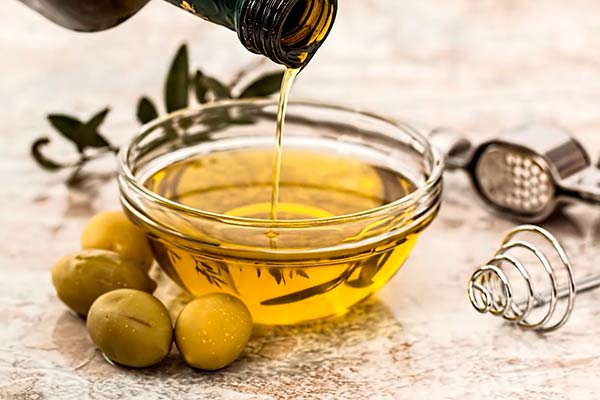
Tip 1. For baking, 3 tablespoons of olive oil replace 60 g of butter – a handy proportion for classic recipes.
Tip 2. Butter burns at 110 °C – it is absolutely unsuitable for frying over high heat. Use refined vegetable oil or avocado.
Tip 3. Avocado is a lifesaver in baking for people with lactose intolerance. I use a similar principle to choose substitutes in vegan muffins.
Tip 4. Yogurt in baking adds protein and lowers the calorie content – a double benefit. Greek yogurt is thicker and holds the structure better.
❓ Frequently asked questions
What is best to use for a diet when substituting oil?
The lowest-calorie option is unsweetened applesauce (47 kcal per 100 g against 899 kcal for butter). Next comes Greek yogurt (97 kcal per 100 g). They are ideal for healthy-eating baking, cutting the calorie content by 10–20 times. Pumpkin puree is also low in calories (24 kcal per 100 g) and suits sweet baking with an autumn accent. For frying, choose canola oil – 10–15% fewer calories than butter, but with a healthy omega profile.
What is best to use instead of oil for pan-frying?
Canola oil (smoke point 204 °C) is a versatile substitute. Avocado oil (271 °C) is the best for high-temperature frying (grilling, wok). Refined olive oil (199 °C) suits medium heat. Grated zucchini works for vegetable fritters and potato pancakes “without oil”. Do not use butter for high-heat frying – it burns at 110 °C and produces a bitter taste and carcinogens. For braising at 80–100 °C, butter works perfectly well.
Will the taste of baked goods change when substituting oil?
A little – but often for the better. Pumpkin and apple puree give fruity notes and an airy texture. Yogurt gives tenderness and a slight tang. Avocado gives creaminess and a nutty accent. Canola oil is neutral in taste. Zucchini in frying gives an umami accent. The main thing is to match the substitute to the character of the dish: do not use savoury substitutes for sweet baking, or sweet ones for frying. With practice you will learn to find “your” substitute for each recipe.
Can you combine different substitutes in one recipe?
Yes, combining them often gives the best result. For example, half applesauce + half yogurt – for tender healthy-eating muffins. Half avocado + half canola oil – for vegan baking with a buttery effect. Half pumpkin puree + a quarter butter – a compromise for diet-friendly but tasty baking. Do not be afraid to experiment in small batches – that is how you find the perfect combinations for family recipes. Write down the proportions of your successful experiments.
From the same series: what to substitute for kefir.