What to Substitute for Sugar: 10 Best Alternatives with Proportions
Sugar can be replaced in most dishes: the most universal options are honey (75 g instead of 100 g of sugar), date puree, Jerusalem artichoke or maple syrup, and for zero calories: stevia and erythritol. The exact proportion depends on the substitute: some are far sweeter than sugar, others less sweet, so the main rule is to recalculate the amount using the table below. In this article: a proportion table for 10 substitutes, which alternative works for baking, jam, cream and drinks, what to adjust so the dough bakes through and does not burn, and the cases where sugar cannot be replaced.
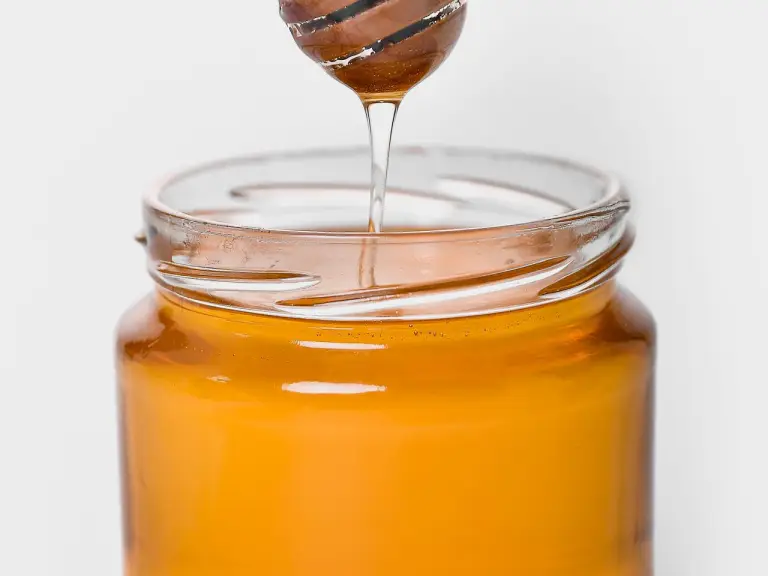
Sugar Substitutes: Proportion Table
Proportions are given per 100 g of sugar (about 4 heaped tablespoons):
| Substitute | Instead of 100 g sugar | Best for |
|---|---|---|
| Honey | 75 g, reduce liquid by 20 ml | baking, drinks, sauces |
| Dates (puree) | 100-120 g | baking, sweets, porridge |
| Dried fruits (raisins, apricots) | 100-150 g | baking, cottage cheese, porridge |
| Ripe banana (mashed) | 120-150 g | pancakes, muffins, smoothies |
| Maple syrup | 80 ml, reduce liquid by 20 ml | pancakes, desserts, glaze |
| Jerusalem artichoke syrup | 70-80 ml | drinks, porridge, sauces |
| Fructose | 60-70 g | baking, compotes |
| Stevia | per package instructions, usually 1-2 g | drinks, cottage cheese, desserts |
| Erythritol | 120-130 g | baking, desserts |
| Jam or preserves | 130-150 g, reduce liquid by 30 ml | porridge, cottage cheese, baking |
Actual sweetness of honey, syrups and stevia varies by brand, so taste the batter or drink as you go and adjust.
Ingredients (10 sugar alternatives)
Show ingredients
- honey;
- dates;
- dried fruits (raisins, dried apricots, prunes);
- ripe bananas;
- maple syrup;
- Jerusalem artichoke syrup;
- fructose;
- stevia;
- erythritol or xylitol;
- jam or preserves.
How to Replace Sugar: Step by Step for Each Alternative
1. HONEY is sweeter than sugar, so use less: 75 g per 100 g of sugar, and cut the liquid in the recipe by 20 ml. Bake honey doughs 10-20 degrees lower: they brown noticeably faster. Add honey to warm, not boiling mixtures to keep the aroma. Great for gingerbread, muffins, marinades, drinks and sauces.
2. DATES give a caramel sweetness. Soak soft dates in warm water for 15 minutes, remove the pits and blend into a puree: 100-120 g of puree replaces 100 g of sugar. Perfect for brownies, homemade sweets, porridge and energy bars. Bonus: fibre and minerals sugar does not have.
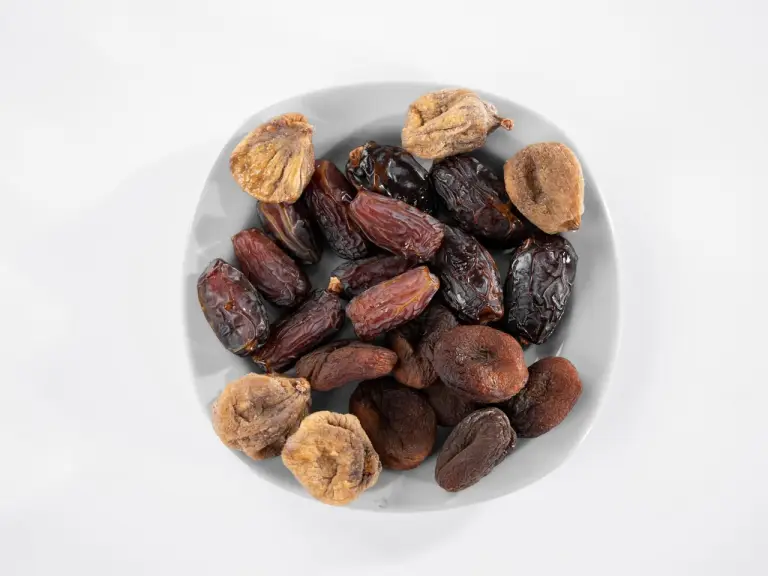
3. DRIED FRUITS: raisins, dried apricots, prunes, dried cherries. Add them whole or chopped to baking, steamed to porridge and cottage cheese. 100-150 g of dried fruit replaces 100 g of sugar depending on how sweet it is. Make the dough itself slightly less sweet: dried fruit delivers sweetness in bursts.
4. RIPE BANANA, mashed or blended: 120-150 g of puree per 100 g of sugar. The best swap for pancakes, oatmeal and smoothies. The darker the peel, the sweeter the banana. Mind the banana flavour: it is not always welcome in neutral sponge cakes.
5. SYRUPS: maple, Jerusalem artichoke, agave. Use about 70-80 ml instead of 100 g of sugar and cut the liquid in the recipe by 20-30 ml. Maple is great on pancakes and in glazes, Jerusalem artichoke syrup is neutral and suits drinks and porridge. Syrups are easy to measure and spread evenly through dough.
6. FRUCTOSE is about one and a half times sweeter than sugar: 60-70 g is enough. Baking with fructose browns faster and comes out moister, lower the oven temperature by 10-20 degrees. Sold in diet food sections. Remember: fructose has almost the same calories as sugar, the gain is only in the smaller amount.
7. STEVIA: a natural zero-calorie sweetener, hundreds of times sweeter than sugar. Dose strictly per the brand instructions, usually 1-2 g of powder or a few drops of extract per 100 g of sugar. Stevia can taste slightly bitter: start with half the dose. Best in drinks, cottage cheese and cold desserts.
8. ERYTHRITOL AND XYLITOL look and behave like sugar but with almost no calories. Erythritol is less sweet: use 120-130 g per 100 g of sugar. Works in baking and desserts, does not darken or turn bitter. Xylitol matches sugar 1:1. Important: both are dangerous for dogs, never share such treats with pets.
9. JAM OR PRESERVES save the day when there is no sugar at hand: 130-150 g per 100 g of sugar, reduce the liquid by 30 ml. Good for porridge, cottage cheese, baking and sauces. The berry flavour will carry over to the dish.
10. BROWN AND COCONUT SUGAR replace white sugar 1:1 and add caramel notes, but honestly: they are still sugar with almost the same calories. The point is flavour, not health. To mimic brown sugar, mix regular sugar with a teaspoon of honey or molasses.
Tips and Tricks
Tip 1. When swapping sugar for honey, syrup or jam, always cut the liquid in the recipe by 20-30 ml per 100 g of replacement: otherwise the dough turns out runny.
Tip 2. Baking with honey and fructose browns faster: lower the oven temperature by 10-20 degrees or cover the top with foil near the end.
Tip 3. Start by replacing half the sugar. You will see how the dough behaves and whether you like the taste, with nothing at risk.
Tip 4. Sugar is not only sweetness: it holds moisture and keeps baking fresh. With substitutes, store baked goods a day or two less.
Tip 5. In yeast dough keep at least a teaspoon of honey or sugar: yeast needs food to rise, and stevia or erythritol will not feed it.
More Substitution Guides
Cheat sheets for replacing other staples:
❓ Frequently asked questions
What is the best sugar substitute for baking?
Honey, erythritol and fructose are the most reliable: they provide both sweetness and moisture. Remember three rules: reduce liquid with liquid substitutes, lower the oven temperature by 10-20 degrees, and do not replace all the sugar at once. Sugar is also responsible for softness and a golden crust, so a full swap slightly changes the texture.
What can replace sugar in yeast dough?
Honey: 75 g per 100 g of sugar. Yeast needs sugar as food, and honey handles that. Stevia and erythritol do not feed yeast: if you use them, keep at least a teaspoon of sugar or honey in the dough, otherwise it will rise poorly.
Can you make jam without sugar?
Yes, with caveats: sugar in jam is not only sweetness but also a preservative. Sugar-free jam is made with fructose or erythritol, thickened with gelatin or pectin, the jars must be sterilised, and it keeps in the fridge for a few months at most.
What can replace sugar in meringue?
Honestly, nothing fully: in meringue sugar builds the structure itself, holding the whipped whites. Finely ground erythritol (powder) partly works, but the meringue will be less stable and may get soggy faster.
What about sugar in creams and frostings?
Powdered erythritol (grind it in a coffee grinder), honey or Jerusalem artichoke syrup work well in butter and cream cheese frostings. Add liquid sweeteners gradually or the cream will loosen. In custard, fructose works: 60-70 g instead of 100 g.
How to replace sugar in coffee and tea?
The easiest options are honey (in warm, not boiling drinks), stevia or Jerusalem artichoke syrup. The most honest way is to gradually reduce sweetness: your taste adapts in about two weeks.
Which substitute has the fewest calories?
Stevia and erythritol: almost 0 kcal versus 400 kcal for sugar. Honey (about 320 kcal) and fructose (almost 400 kcal) only win by the smaller amount needed. Dates and dried fruits are caloric but come with fibre and vitamins.
Are these substitutes suitable for diabetics?
Stevia and erythritol do not raise blood glucose and are considered diabetes-friendly. Honey, dates, banana and fructose do contain fast carbohydrates. We write about cooking, not medicine: with diabetes, choose sweeteners together with your doctor.
What can replace brown sugar?
Regular white sugar with a teaspoon of honey or molasses per 100 g: you get the same moisture and caramel flavour. If you only need the flavour, coconut sugar works 1:1.