What to Use Instead of Mayonnaise: 10 Best Alternatives for Salads and Sauces
The quickest swap is soured cream at 15-20% fat: use it one to one and the salad will taste almost the same. For lighter dishes, reach for Greek yogurt, which also goes one to one but has 8-9 times fewer calories. Want a bit of a kick: stir a teaspoon of mustard into 100 grams of your soured cream or yogurt base. Kefir works well in okroshka, while hummus or mashed avocado suit fasting and plant-based salads. The table below gives exact ratios for each dish.

What to use instead of mayonnaise: summary table
| Substitute | Ratio | Best for |
|---|---|---|
| Soured cream 15-20% | 1:1 | Olivier, herring under a fur coat, warm salads |
| Greek yogurt | 1:1 | Healthy eating, light salads, sauces |
| Soured cream with mustard | 1:1 plus 1 tsp | Meat and hearty salads |
| Cream cheese | 1:1 | Fillings, canapes, dips |
| Mashed avocado | 1:1 | Vegan, sandwiches, bowls |
| Oil with lemon | 3:1 | Fresh vegetable salads |
| Kefir with mustard | 1:1 | Okroshka, light dressings |
| Hummus | 1:1 | Fasting, vegan, sandwiches |
| Homemade mayonnaise | 1:1 | When you want the mayonnaise flavour |
| Yogurt with garlic | 1:1 | Sauces for meat and shawarma |

10 mayonnaise substitutes: what to use and in what ratio
1. Soured cream 15-20%
The most familiar swap: in texture soured cream is the closest thing to mayonnaise and goes in spoon for spoon. For salads use 20% (thicker), for lighter dishes 15%. Around 160-200 kcal per 100 g against 600-680 for mayonnaise.
- Ratio: one to one, spoon for spoon.
- Notes: 20% for body, 15% for lightness; you can mix it half and half with mayonnaise for a milder taste.
- Best for: salads, dressings, baking.
2. Greek yogurt
A thick strained yogurt with no extra whey and a fresh, slightly tangy flavour. It goes in one to one, and 7% fat is best for a milder taste. It is high in protein, at around 60-90 kcal per 100 g.
- Ratio: one to one, spoon for spoon; 7% fat.
- Notes: holds its shape well in salads, add a pinch of salt.
- Best for: salads, sauces for meat, dressing bowls.
3. Soured cream with mustard
Soured cream gives softness while a drop of mustard adds a kick and brightens the flavour. This is a quick dressing that you mix just before serving, so the ratio is set in specific spoonfuls rather than one to one.
- Ratio: 3-4 tbsp soured cream and 1 tsp mustard.
- Notes: the mustard slightly thickens the mixture and sharpens the taste.
- Best for: Olivier salad, meat and potato salads.
4. Cream cheese
This soft cheese gives a dense, creamy texture and does not run. It replaces mayonnaise spoon for spoon; if you want it softer, loosen it with yogurt.
- Ratio: one to one, spoon for spoon; if too thick, add 1-2 tbsp yogurt per 100 g cheese.
- Notes: holds layers well, lighter versions are 150-180 kcal per 100 g.
- Best for: layered salads, spreads, fillings.
5. Avocado mash
A ripe avocado is mashed into a creamy mixture with healthy plant fats. The flesh of one avocado (roughly 100-120 g) replaces about 100 g of mayonnaise, so it is easier to count in whole fruit rather than spoon for spoon.
- Ratio: the flesh of 1 avocado per portion, with a squeeze of 1 tsp lemon juice.
- Notes: prepare just before serving, otherwise it darkens.
- Best for: sandwiches, bowls, tacos.
6. Olive oil with lemon
A simple dressing of oil and acidity instead of a heavy sauce. The classic ratio is 3 parts oil to 1 part lemon juice.
- Ratio: 3 tbsp oil and 1 tbsp lemon juice.
- Notes: add salt, pepper and dried herbs.
- Best for: fresh vegetables, leafy salads.
7. Kefir with mustard
A light, pourable dressing with a pleasant tang and a mild kick. To a glass of kefir add 1 tsp mustard; the dressing comes out runny.
- Ratio: 200 ml kefir and 1 tsp mustard.
- Notes: the dressing is thin, not for layered salads; kefir is only 40-50 kcal per 100 g.
- Best for: vegetable salads, cold soups, marinade.
8. Hummus
A thick paste of chickpeas with tahini, olive oil and lemon. The ready paste is spread on spoon for spoon; for a dressing loosen it with water or yogurt. It is filling and rich in protein and fibre.
- Ratio: spoon for spoon as a spread; for a sauce loosen with 1-2 tbsp water or yogurt.
- Notes: high in protein and fibre, very satisfying.
- Best for: sandwiches, vegetable salads, bowls.
Recipe: Step by step recipe for homemade hummus.
9. Homemade mayonnaise
The option for when you want the taste of mayonnaise itself, but without shop-bought additives. This is a sauce in its own right, so a spoon for spoon ratio makes no sense here: go by the ingredients and make it in advance. The finished mayonnaise is then added to the dish as usual.
- Guide ingredients: 1 egg, 150-200 ml vegetable oil, 1 tsp mustard, 1 tsp lemon juice or vinegar, salt.
- Notes: use a fresh egg, keep it in the fridge for no more than 2-3 days.
- Best for: salads and dishes where the classic mayonnaise taste matters.
Recipe: Step by step recipe for homemade mayonnaise.
10. Plain yogurt with garlic
Unsweetened yogurt with garlic and salt turns into a light, fragrant sauce. To a glass of yogurt add 1-2 cloves of garlic; it goes in spoon for spoon. Around 60 kcal per 100 g.
- Ratio: 200 ml yogurt and 1-2 cloves of garlic, salt to taste.
- Notes: add chopped herbs for aroma.
- Best for: meat, vegetables, shawarma; add cucumber and you have tzatziki.
Recipe: Recipe for tzatziki sauce (yogurt, cucumber, garlic).
Tips and tricks
- Thicken runny swaps: a spoon of starch, some chia seeds or straining the yogurt through muslin will make the sauce noticeably firmer.
- Balance the acidity: if a swap is sharper than mayonnaise, add a pinch of sugar or a spoon of soured cream.
- Do not skimp on salt and spices: mayonnaise is salty on its own, so cultured dairy dressings almost always need extra salt.
- Do not boil cultured dairy: add yogurt and kefir to hot dishes at the end and never let them boil, or they will curdle.
- Let the salad rest: a dressed dish left for 30-40 minutes in the fridge will taste better as the flavours come together.
- Match the fat content to the job: for firm salads use richer products (soured cream 20%, yogurt 7-10%), and for light ones use leaner options.
Common mistakes
- Using fat-free products: 0% yogurt and kefir run and make the salad watery, so you need at least 5-7% fat.
- Heating cultured dairy until it curdles: yogurt and soured cream break into flakes in a boiling sauce.
- Forgetting to add salt and seasoning: without salt and spices the swap tastes bland next to familiar mayonnaise.
- Putting a runny dressing into a layered salad: herring under a fur coat and Olivier fall apart with kefir, so you need thick soured cream or cheese here.
- Swapping mayonnaise for oil one to one: oil is higher in calories and fat, so you need noticeably less of it.
How to choose a swap for a specific dish
Olivier and meat salads: use soured cream 20% or soured cream with mustard. They are thick, hold their shape and give the familiar creamy flavour. Herring under a fur coat calls only for a firm swap, soured cream or cream cheese, otherwise the layers will slide and the salad will lose its look.
Okroshka loves runny cultured dairy bases: kefir, plain yogurt or whey, thinned with sparkling water. For fresh vegetable salads, the best choice is a light dressing of olive oil with lemon or unsweetened yogurt.
In baking, mayonnaise in the dough is swapped for soured cream, plain yogurt or softened butter one to one, and the dough stays soft and moist. For sauces for meat and shawarma, yogurt with garlic, herbs and a pinch of salt is ideal.
Calories: how much you save
Classic mayonnaise is 600-680 kcal per 100 g, almost pure fat. Any dairy swap is several times lighter and lets you cut the calorie count of a dish noticeably without losing flavour.
Soured cream at 15% gives about 160 kcal, plain and Greek yogurt 60-90 kcal, and kefir just 40-50 kcal. By swapping 100 g of mayonnaise for yogurt, you take about 550-600 kcal out of the dish.
The exceptions are olive oil and avocado: they are healthier in composition but high in calories (oil is about 880 kcal per 100 g). So add them a little at a time, not by the spoonful like mayonnaise.
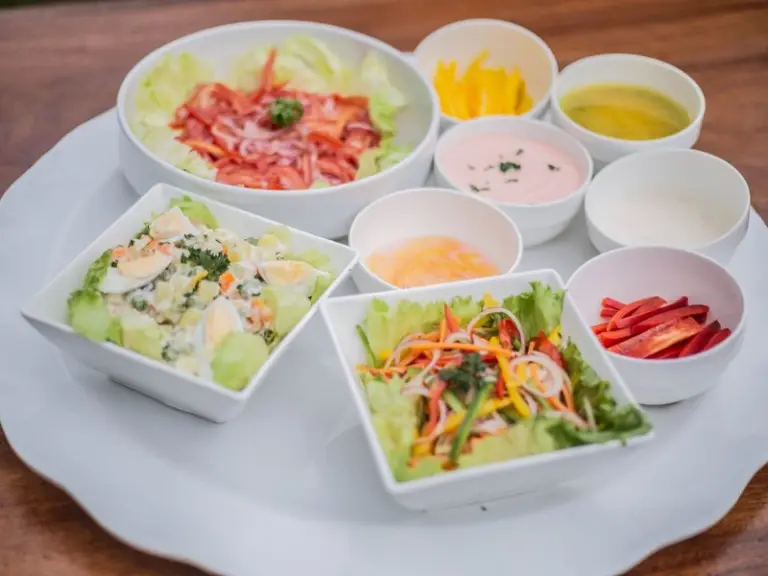
Homemade dressings instead of mayonnaise: 4 quick recipes
A homemade dressing takes 2-5 minutes and replaces shop-bought mayonnaise with no preservatives. Below are four basic recipes with the steps.
Classic homemade mayonnaise. You will need: 1 room-temperature egg, 150-180 ml of refined vegetable oil, 1 tsp mustard, 1 tsp lemon juice or vinegar, salt to taste. Steps: 1) crack the egg into a tall blender beaker and add the mustard, salt and lemon juice; 2) pour in all the oil at once; 3) lower a stick blender to the bottom and switch it on, holding it still for 10-15 seconds until an emulsion forms at the base; 4) slowly raise the blender until the mixture thickens. On safety: this recipe uses a raw egg, so there is a risk of salmonella. Use fresh eggs, wash the shell before cracking and keep the sauce in the fridge for no longer than 2-3 days. Raw egg must not be given to children, pregnant women, the elderly or people with a weakened immune system: use a pasteurised egg, ready-made pasteurised liquid egg or egg-free versions.
Aioli (garlic mayonnaise). The base is the same as for homemade mayonnaise, plus 2-3 cloves of garlic crushed through a press and a pinch of salt. The garlic is added at the first step along with the egg. It goes well with fish, meat, grilled vegetables and potatoes. The same rules for raw egg apply.
Sour cream and mustard dressing. Mix 4 tbsp of 20% sour cream, 1 tsp mustard, 0.5 tsp lemon juice, salt and a pinch of sugar. It is ready straight away, with no cooking. A creamy, tangy flavour close to mayonnaise, for Olivier salad and meat and potato salads.
Yoghurt and garlic sauce. Take 200 g of thick natural or Greek yoghurt, 1-2 cloves of garlic crushed through a press, chopped herbs, salt and, if you like, 0.5 tsp lemon juice. Stir and leave to stand for 10-15 minutes. A light sauce for meat, shawarma and vegetables, just 60-90 kcal per 100 g.
Vegan and Lenten egg-free mayonnaise: aquafaba, tofu, cashews
Egg-free mayonnaise is made with plant-based ingredients that give the same creamy emulsion. Three options that work.
With aquafaba. Aquafaba is the liquid from cooked chickpeas or the liquid from a tin of chickpeas. It emulsifies almost like egg white thanks to the dissolved plant proteins and starches. Important: use the cooking liquid from ready, cooked chickpeas; raw pulses are not edible without cooking. Whisk 3 tbsp of aquafaba with 1 tsp mustard, 1 tsp lemon juice and salt, then add 150 ml of vegetable oil in a thin stream, whisking continuously until it thickens.
With silken tofu. Blend 200 g of silken (soft) tofu with 1 tbsp lemon juice, 1 tsp mustard, 1-2 tbsp oil and salt until smooth. It is rich in plant protein, holds its shape well and is the simplest option.
With cashews. Soak 100 g of cashews in water for 3-4 hours, or cover them with boiling water for 15-20 minutes, then drain and blend with 3-4 tbsp of water, the juice of half a lemon, mustard and salt until creamy. Shop-bought cashews have already been heat-treated, so soaking is only needed to soften them.
All three options are Lenten and vegan, suitable if you have an egg allergy, and keep in the fridge for 3-4 days.
What to use instead of mayonnaise in hot and meat dishes
This is a separate challenge: not a cold salad but a marinade, baking or a hot sauce, where heat resistance matters.
Marinade for shashlik and chicken. Instead of mayonnaise, use kefir or natural yoghurt with mustard, vegetable oil, salt and spices: roughly a cup of kefir, 1 tbsp mustard, 2 tbsp oil, onion and pepper per 1 kg of meat. Fermented dairy tenderises the fibres just as well as mayonnaise, while the oil holds in the moisture. Marinate for 2 to 12 hours in the fridge.
Baking (chicken, meat French style). Here full-fat sour cream of 20% or more, or cream, works: they curdle less often when heated. To make sure the sauce does not separate, add an egg to the sour cream, or 1 tsp of flour or starch per portion, which stabilise the mixture. Low-fat yoghurt and kefir are not suitable for baking, as they will curdle into flakes.
Shawarma, burger, sandwich. The base is yoghurt and garlic sauce, aioli or sour cream with mustard. For heat, add adjika, tkemali or roasted pepper paste. A sauce like this does not run out of the filling and holds its flavour.
Bakes. Make the topping from 20% sour cream with an egg: this replaces the mayonnaise crust and does not fall apart during baking.
Why fermented dairy curdles: when heated, the protein casein contracts and separates out the whey, especially in low-fat products and when boiling. A fat content of 20% or more, adding an egg, a spoonful of flour or starch, or switching to cream will all help. In cold salads there is no heating, so any fermented dairy works there, including low-fat yoghurt and kefir. The rule is simple: the hotter the dish, the fattier and more stable the base needs to be.
What makes mayonnaise unhealthy and whether you should cut back on it
Shop-bought mayonnaise is mostly vegetable oil (around 65-70%), egg powder or yolk, water, plus stabilisers, preservatives, flavour enhancers and sometimes sugar. Hence its high calorie and fat content.
One tablespoon of mayonnaise has roughly 90-110 kcal and about 10 g of fat, so a couple of spoonfuls in a salad easily add 200 kcal. If you are watching your weight, have raised cholesterol or have digestive conditions (gastritis, pancreatitis, gallbladder problems), fatty and spicy sauces are usually limited: they put a strain on digestion. Homemade mayonnaise is a little cleaner in composition, but its calorie content is almost the same. That is why, for everyday eating, people choose less fatty bases: yoghurt, moderate-fat sour cream, avocado, hummus. For precise dietary advice for a specific diagnosis, check with your doctor or dietitian.
Protein, fat, carbs and calories of the alternatives: a table per 100 g
Calorie content matters, but the alternatives differ even more in protein, fat and carbohydrates. Approximate values per 100 g:
Classic mayonnaise: protein 1-3 g, fat 65-67 g, carbohydrates 2-3 g, 630-680 kcal.
Sour cream 15%: protein 2.6 g, fat 15 g, carbohydrates 3 g, around 160 kcal.
Greek yoghurt 2%: protein 9-10 g, fat 2-4 g, carbohydrates 3.6 g, 60-90 kcal.
Curd (cream) cheese, light: protein 5-7 g, fat 12-15 g, carbohydrates 4 g, 150-180 kcal.
Curd (cream) cheese, regular: protein 5-6 g, fat 25-34 g, carbohydrates 3-4 g, 250-340 kcal.
Avocado (flesh): protein 2 g, fat 15 g (mostly healthy monounsaturated), carbohydrates 9 g, of which 7 g is fibre, around 160 kcal.
Hummus: protein 7-8 g, fat 10-14 g, carbohydrates 14 g, 170-220 kcal.
Olive oil: protein 0 g, fat 100 g, carbohydrates 0 g, around 880 kcal.
What this tells us. Greek yoghurt gives the most protein (9-10 g, two to three times more than sour cream) with minimal calories, so for healthy eating it is the best swap; sour cream, meanwhile, is milder in flavour and tang. Note: regular cream cheese is noticeably higher in calories than the light kind, so it cannot be considered diet-friendly. Oil and avocado are very fatty, so there is no point using them one for one instead of mayonnaise in calorie terms; they are good used sparingly for the flavour and the benefit of their fats.
More mayonnaise alternatives
Besides the top swaps, various ready-made sauces and pastes suit different dishes, each with its own character:
Aioli, a garlic sauce based on homemade mayonnaise, for fish, meat and grilled vegetables.
Pesto, a paste of basil, nuts, cheese and oil, for sandwiches, pasta and bruschetta.
Tzatziki, a Greek sauce of thick yoghurt, cucumber and garlic, for meat, vegetables and in pitta.
Tahini, a sesame paste thinned with water and lemon, for bowls, falafel and vegetables.
Tkemali and adjika, sharp and sour sauces, for shashlik, meat and poultry instead of a fatty dressing.
A light mustard dressing, mustard with oil, lemon and honey, for fresh vegetable salads.
Bear in mind that each of these sauces adds its own flavour and colour: avocado turns the dish green and gives a nutty note, hummus brings a chickpea note and pesto a bright basil one. This is not a copy of mayonnaise but a flavour in its own right, and that is fine.
Cooking video
More substitution guides: sour cream and kefir. More in culinary tips →
See also
❓ Frequently asked questions
What can I use instead of mayonnaise in Olivier?
The best options are soured cream 20% or soured cream with a spoon of mustard in a 1:1 ratio. They are thick, hold their shape and give the familiar creamy flavour. For a lighter version, mix soured cream half and half with Greek yogurt.
What can I use instead of mayonnaise in herring under a fur coat?
You need a thick swap so the layers do not slide: soured cream 20% or cream cheese. Spread each layer thinly and let the salad soak in the cold for a few hours. Kefir and runny yogurt will not work here.
What can I use instead of mayonnaise in okroshka?
The classics are kefir, plain yogurt or whey, thinned with sparkling water or cold water. With these, okroshka comes out lighter and fresher. For a kick, add a spoon of mustard or a little horseradish.
What can I use instead of mayonnaise when watching my weight or eating healthily?
The best choice is plain or Greek yogurt: 60-90 kcal against 600-680 for mayonnaise. It is thick, rich in protein and barely changes the flavour of the salad. For runnier dressings, kefir works well.
What can I use instead of mayonnaise for fasting and for vegans?
With plant-based options: hummus, mashed avocado, a dressing of olive oil with lemon or egg-free fasting mayonnaise. Fasting mayonnaise is made with aquafaba (the water from cooked chickpeas) or soya milk. They all give a filling result without animal products.
What can I use instead of mayonnaise in baking?
With soured cream, plain yogurt or softened butter one to one. They give the dough as much moisture and softness as mayonnaise. This swap has almost no effect on the flavour of the finished bake.
How do I make a swap thicker so it holds its shape?
Use thick products: Greek yogurt, soured cream 20%, cream cheese. Runny yogurt can be strained through muslin or thickened with a spoon of starch. Keep the finished salad in the fridge and it will set.
What can I use instead of mayonnaise so the flavour does not change?
The closest are homemade mayonnaise and soured cream with mustard: they give that same creamy, sharp flavour. Soured cream 20% is also almost unnoticeable in a salad. Matching the flavour exactly without mayonnaise is hard, but these options are very close.
Can I use Greek yogurt instead of mayonnaise?
Yes, it is one of the best swaps. It is thick, does not run, has a pleasant tang and is many times lower in calories. Use yogurt of 7% fat or more and add a little salt to the dressing.
What is fasting mayonnaise and why is it good?
It is an egg-free and milk-free sauce on a plant base: aquafaba, soya milk or starch with oil. In flavour and texture it is close to ordinary mayonnaise, but it suits fasting and vegans. It is sold ready-made or can be made at home in a couple of minutes.
What can I use instead of mayonnaise in a marinade for shashlik or grilled chicken?
Use kefir or natural yoghurt with mustard, vegetable oil, salt and spices: roughly a cup of kefir, 1 tbsp mustard and 2 tbsp oil per 1 kg of meat. The acid in the fermented dairy tenderises the fibres, while the oil keeps in the juices. Marinate in the fridge for 2 to 12 hours.
What can I use instead of mayonnaise for baking (chicken, meat French style) so the sauce does not curdle?
Use full-fat sour cream of 20% or more, or cream, as they cope better with heat. To make sure the mixture does not separate into flakes, add an egg and 1 tsp of flour or starch to the sour cream. Low-fat yoghurt and kefir are not suitable for baking, as they curdle.
What can I use instead of mayonnaise in a shawarma, burger or sandwich?
Yoghurt and garlic sauce, aioli or sour cream with mustard all work: they are thick and do not run out of the filling. For heat, add adjika, tkemali or roasted pepper paste. A sauce like this is lighter than mayonnaise and does not overpower the flavour of the meat.
What makes mayonnaise unhealthy and why is it recommended to cut back on it?
Shop-bought mayonnaise is 65-70% oil and contains stabilisers, preservatives and flavour enhancers, which is why it is very high in calories and fat. Eating it regularly adds extra calories, and if you are watching your weight, have high cholesterol or digestive conditions, fatty sauces add extra strain. You do not have to give it up completely, but for everyday eating people choose lighter bases.
How many calories are there in one tablespoon of mayonnaise?
One tablespoon of classic mayonnaise has roughly 90-110 kcal and about 10 g of fat. Two or three spoonfuls in a salad add 200-300 kcal, which is noticeable against a portion of vegetables. Swapping to Greek yoghurt cuts that figure several times over.
What can I use instead of mayonnaise in a salad for a child, and can children have mayonnaise?
Shop-bought mayonnaise is not recommended for children because of the fat, preservatives and vinegar, and homemade mayonnaise because of the raw egg and the risk of salmonella. The best options for a children's salad are natural yoghurt, moderate-fat sour cream or a soft curd cheese dressing without mustard or garlic. Season with a little salt and serve fresh.
What can I use instead of mayonnaise with an egg allergy or lactose intolerance?
With an egg allergy, egg-free bases work: mashed avocado, hummus, aquafaba or tofu mayonnaise. With lactose intolerance, choose plant-based options: avocado, hummus, tahini, sauces made with coconut or soy yoghurt. That way you avoid both egg and dairy protein with lactose at the same time.
How do I make egg-free vegan mayonnaise with aquafaba or tofu?
With aquafaba: whisk 3 tbsp of the cooking liquid from cooked chickpeas with mustard, lemon juice and salt, then add 150 ml of oil in a thin stream until it thickens. With tofu: blend 200 g of silken tofu with lemon juice, mustard, a spoonful of oil and salt until smooth. Both options are Lenten, free of egg and dairy, and keep for 3-4 days in the fridge.
How long does a salad with a mayonnaise alternative (sour cream, yoghurt) keep compared with a mayonnaise one?
Salads made with sour cream or yoghurt spoil more quickly: keep them in the fridge for no more than 12-24 hours, and it is better to dress them just before serving. Thanks to its preservatives and vinegar, mayonnaise gives a salad a little more leeway, around a day, but even that should not be kept on the party table for longer than 24 hours. For a buffet, cut the ingredients in advance and dress at the last moment.
Can I mix mayonnaise half and half with sour cream or yoghurt to reduce the calories?
Yes, it is a handy transitional option: a 50/50 mix with Greek yoghurt or sour cream roughly halves the calories, while the flavour stays close to the familiar one. It is an easier way to get the family used to lighter dressings. Over time you can reduce the proportion of mayonnaise even further.