What to Substitute for Butter in Baking – 10 Best Alternatives
How to replace butter in baking is a question that comes up for anyone following a vegan or plant-based diet, anyone with a dairy intolerance, observing a religious fast or simply discovering that the butter has run out at the worst possible moment. The good news: butter plays several roles in baking — it provides fat, moisture, tender structure and that signature creamy flavor — and for each of those jobs there's an effective substitute. This article gathers 10 proven alternatives with exact proportions and notes on which kinds of baked goods each one suits best: margarine, coconut oil, vegetable oil, ghee, avocado, mashed banana, applesauce, Greek yogurt, nut butters and cocoa butter. Each option includes pros, cons and tips.

Did you know that, when eaten in moderation, butter can make up as much as 20 per cent of the recommended daily amount of vitamins A and D? These vitamins improve the condition of the skin and strengthen the immune system. But what are people on a diet or following a vegetarian lifestyle meant to do? Happily, replacing butter when you cook is very easy – there are plenty of alternatives, and some of them are perfect even for vegans.
In this guide I have gathered 10 tried-and-tested butter substitutes, with exact proportions and notes on how to use them. Each replacement suits a particular kind of baking – cakes, muffins, biscuits, bread. Choose the right option depending on the recipe and the result you want.
Greek yogurt
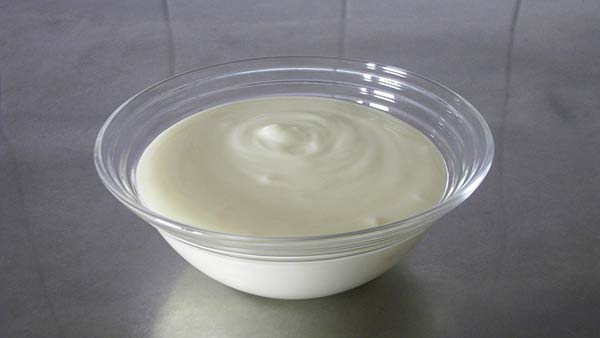
An excellent alternative for anyone watching their weight! Greek-style yogurt contains only about a fifth of the calories of butter, yet plenty of protein. It is also a little cheaper. As for the dosage: when baking, always add the same number of grams of yogurt as the amount of butter the recipe calls for. A good, thick yogurt can even be used for shortcrust pastry.
Avocado
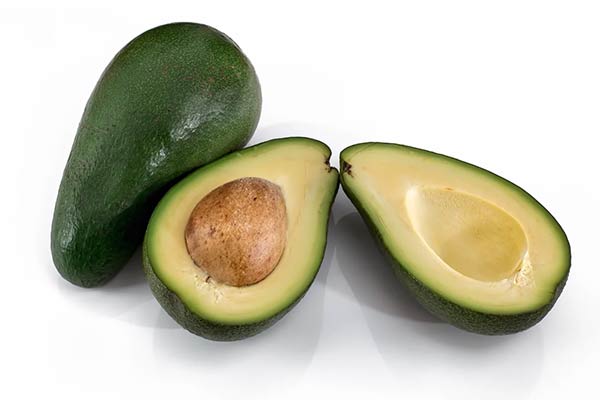
Avocado has many properties that are good for the body: it slows the ageing of cells and is good for the circulatory system. It is rich in vitamins K, E, C and B6. Avocado is high in healthy fats and is very filling. Avocado paste goes wonderfully with many dishes – here it is important to keep to the right dosage. On average one avocado will fill three-quarters of a cup, and seven-eighths of a cup is equivalent to one cup of butter. The neutral taste and creamy texture of avocado work well with muffins, bread, brownies and biscuits.
Apple puree
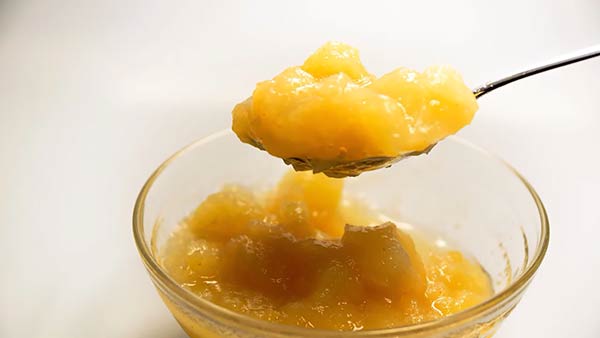
Apple puree not only replaces butter but also naturally increases the sweetness of the dish – which is especially useful if you want to reduce the amount of sugar in the recipe. Boiled and baked apples make the dough soft and also contain fibre, which helps to bind water and hold it in the bake. When cooking, apple puree is used in the same dosage as butter.
Pumpkin puree
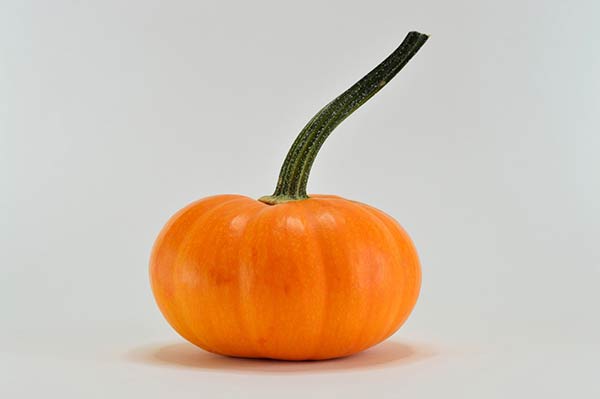
Pumpkin puree has a particular sweet flavour that stands out especially in sweet muffins and shortcrust pastry. Pumpkin naturally gives the dish an orange colour and a sweet, creamy taste. Since pumpkin puree is quite dense, 100 g of butter is equivalent to 75 g of puree.
Beans
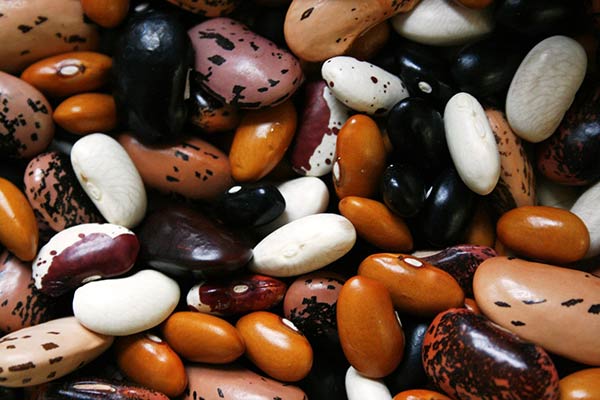
Who would have thought that beans can be used for baking too – but it is true! Adding bean puree reduces the amount of fat in the dough, while increasing the amount of fibre, protein and other vitamins. Use white beans for cake, and black beans for chocolate cakes and pastries. First blend the beans into a smooth puree. If needed, add a little water (1 tbsp) or a little oil (1–4 tbsp of melted coconut or vegetable oil per 440 g of beans). Bean puree replaces butter 100 per cent, giving the dough the right texture – especially important for cakes, muffins and bread.
Nut butter
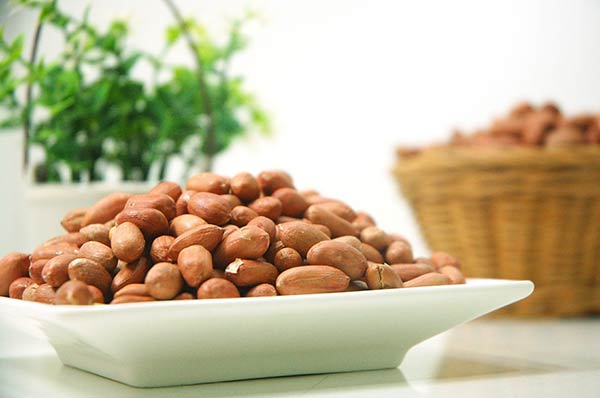
Nut butter works well in recipes that call for a denser dough (biscuits, for example). Nuts – peanuts, almonds, cashews – give the dish a characteristic flavour that suits biscuits, cakes, pastries, muffins and bread best of all. Bear in mind that walnut butter contains 50 per cent fat compared with butter (about 80 per cent fat) – it is advisable to add a little fat. In recipes, nut butter can be substituted at a 1:1 ratio, for example, half a cup of nut butter plus half a cup of melted coconut oil mixed until smooth.
Cocoa butter
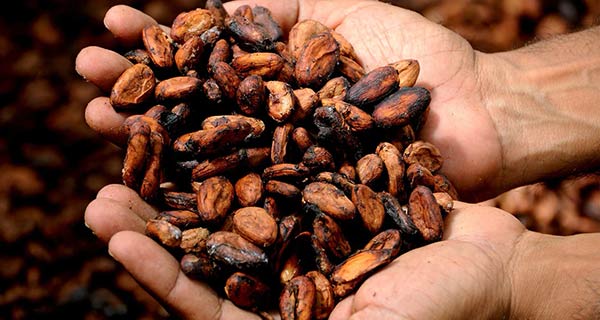
Cocoa butter is another healthy replacement for traditional butter and is excellent for baking. It contains antioxidants and supplies the body with polyphenols. Many studies show that these substances have a positive effect on reducing the risk of cardiovascular disease, strengthen the immune system and reduce the risk of inflammation. When buying it, make sure the cocoa butter does not contain any additives.
Vegetable oils
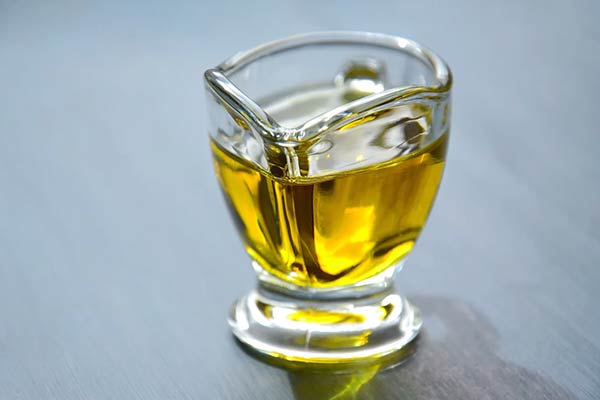
Vegetable oils are an ideal solution for replacing butter! When cooking, you can replace 100 g of melted butter with 50–75 g of sunflower, hemp or corn oil. They are very nutritious. To get the most benefit, study the ingredients carefully when buying – they should not contain any foreign impurities.
Coconut oil
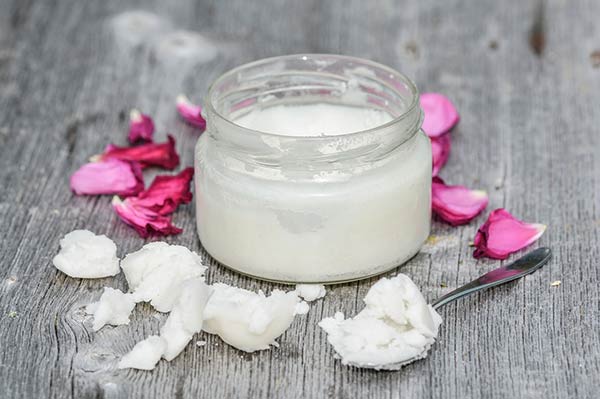
Coconut oil deserves a special mention – solid in its natural state, it turns to liquid when heated. Coconut oil has the same properties as butter – it is excellent for dough. In small amounts there is no great difference in taste, but in recipes with a lot of oil, coconut oil can change the flavour considerably. In that case, choose the refined version. For the dosage, use the same amount of coconut oil as the recipe specifies for butter.
Olive oil
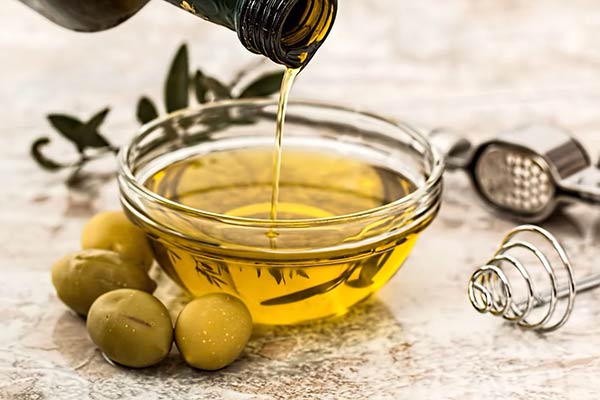
Olive oil is popular for its naturally rich flavour and its amount of beneficial unsaturated fats. Because of its distinctive taste, olive oil is not always the best choice for sweet baking – it is better used for baking bread, savoury muffins, savoury cakes and biscuits. For a neutral taste choose the refined version, and for a more pronounced one, extra-virgin olive oil. The ratio is the same as for other vegetable oils: 100 g of butter = 75 ml of olive oil. Keep in mind that extra-virgin oil has a lower heat resistance and is used only in cold dishes.
Tips and Tricks
Tip 1. For sweet baking – Greek yogurt, fruit purees, coconut oil. For savoury – olive and vegetable oils, avocado.
Tip 2. A universal substitution: 100 g of butter = 75 ml of vegetable oil or 75 g of coconut oil. This is the basic proportion for most cases.
Tip 3. Avocado and beans are the "secret" healthy alternatives for vegans: they give the dough the right density and texture, without dairy fats. A similar principle applies in other culinary life hacks.
Tip 4. Buy good-quality alternatives – a cheap product may contain harmful additives and ruin your baking. Natural, organic options are preferable.
❓ Frequently asked questions
Which alternative is best for vegans?
The best for vegans are: coconut oil (the closest replacement in its properties), avocado (for a tender texture), beans (dense cakes and muffins), vegetable oils (universal), and fruit and pumpkin purees (sweet baking). Greek yogurt and cocoa butter contain dairy components in one form or another – not for strict vegans. Coconut and olive oil are the top choice for all types of baking. Beans are especially good for chocolate brownies.
Can butter be replaced in any recipe?
Not in all of them. Difficulties arise with puff pastry (you need exactly the "cold" consistency of butter – this can only be matched by margarine or coconut oil from the fridge) and with shortcrust "sablé" pastry (you need exactly that "cold" structure). Most cakes, muffins and biscuits allow substitutions. Experiment: try it first on a small batch before moving on to a festive cake.
Does the substitution affect the taste of the baking?
Yes, to a greater or lesser degree. Coconut and olive oil give a noticeable change in flavour (especially the unrefined versions). Avocado and Greek yogurt give a minimal change. Fruit purees add sweetness and may change the colour. Odourless vegetable oils have almost no effect on the taste. Beans are neutral. To keep the "classic" flavour, it is better to use refined oils or neutral alternatives (yogurt, avocado).
Does the baking stay fluffy with a substitution?
In most cases – yes, with the correct dosage. Fluffiness depends more on the raising agent and the whisking technique than on the type of fat. The "fluffiest" results with alternatives come from Greek yogurt + raising agent (which gives a "breathing" structure) and avocado in brownies and muffins (a tender fluffiness). Less fluffy: beans (denser) and fruit purees (a more "moist" texture). Test on a small portion the first time.
From the same series: what to substitute for sour cream – 10 alternatives with proportions.
From the same series: what to substitute for kefir.