What spices, seasonings, and herbs should every hostess have in the kitchen?
Which spices, seasonings and herbs should be in every home cook's kitchen is a question that comes up for everyone who wants to cook variedly, deliciously and take their culinary skill to a new level. The right spices can completely transform any dish, add character, aroma and depth of flavor, turning ordinary home food into a restaurant creation. This guide gathers the basic "essential" list of spices that should be in any home cook's arsenal: salt and several kinds of pepper, bay leaf, garlic (fresh and dried), paprika, turmeric, coriander, cumin, oregano, basil, thyme, rosemary, cinnamon, cloves, nutmeg. For each spice you'll find a description of its flavor, aroma, main uses, recommended pairings with foods and important storage details for keeping freshness and goodness.
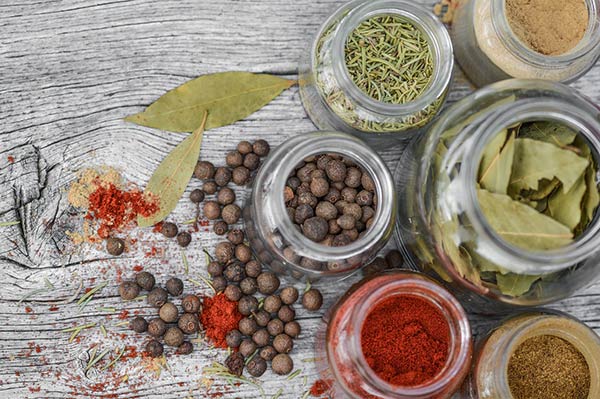
Which spices, seasonings, and herbs you keep in the kitchen is, in my view, one of the most important culinary questions for any home cook – the right set of spices turns simple dishes into culinary masterpieces. From my experience, the main "secret" of experienced cooks is not to buy a huge collection of 50 spices, but to put together a "gold standard" of 15–20 reliable spices that cover 90% of everyday cooking. Buying spices "to keep in reserve" leads to them going stale and losing their aroma within 6–12 months – which is critical for ground varieties. It is better to have a small but fresh set than a giant collection of stale little jars.
In this guide you will find my complete overview of the 18 main spices and herbs for the home kitchen: their origin, flavour, beneficial properties, which dishes to add them to, and how to store them correctly. Save it to your bookmarks – it will be a handy helper when buying and using spices every day. After reading it, you will put together a proper basic set and learn to use each spice in its own natural culinary niche.
Spices, Herbs, and Seasonings: What Are the Differences Between the Concepts?
Many people confuse these terms, but there is a clear difference between them. A seasoning is the broadest concept – anything used to improve the flavour of a dish: spices, spice blends, ketchups, sour cream, sauces, vegetable oil, mayonnaise. Spices are flavour enhancers: sugar, salt, vinegar, citric acid, monosodium glutamate. They have no pronounced aroma of their own but bring out the flavour of the main ingredients. Herbs are the aromatic parts of plants: leaves, flowers, seeds, roots. They give a dish its characteristic aroma and subtle flavour notes – and it is this category that the guide below is about.
Bay Leaf
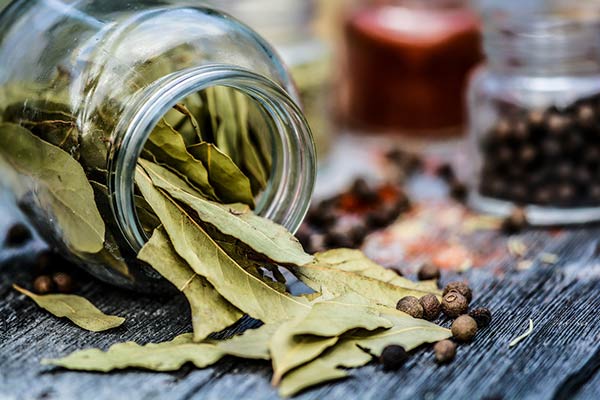
No soup, borscht, stew, or braised meat is complete without bay leaf. The dried leaves of the bay laurel give a warm, "grassy" aroma with hints of camphor. Add them 5–10 minutes before the dish is done and ALWAYS remove them from the finished dish – otherwise, as it steeps, the leaf will release bitter essential oils and spoil the flavour. For a 3-litre pot, 2–3 leaves are enough. The shelf life of dried leaves is up to 2 years in an airtight jar.
Black Pepper
The "king of spices" – the most popular spice in the world. It grows in India, Vietnam, and Malaysia. The green berries are harvested, boiled, and dried – this is how they turn black. It is used as whole peppercorns (for broths, marinades, and braises) and ground (for all main dishes). TIP: buy whole peppercorns and grind them at home in a mill – the aroma is 3–5 times stronger than shop-bought ground pepper. It is a universal spice for meat, fish, vegetables, and soups.
Allspice
The dried unripe berries of the pimento plant – not to be confused with ordinary black pepper. It has a rich, complex aroma reminiscent of a blend of cinnamon, nutmeg, ginger, and cloves. It is used as whole berries for marinades (cucumbers, mushrooms, meat), soups, braised meat, and pilaf. For 1 litre of marinade, use 5–7 berries. It fully unfolds its flavour in meat dishes with long braising of 1–2 hours.
Cinnamon
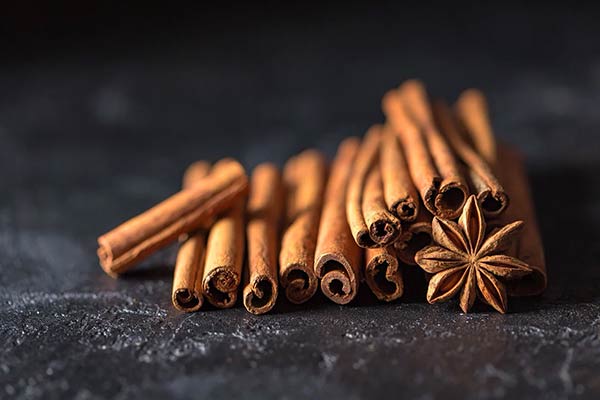
Ground bark of the cinnamon tree. Choose Ceylon cinnamon (Cinnamomum verum) – it is more aromatic and more beneficial than cheap cassia (Cinnamomum cassia). It lowers "bad" cholesterol, helps regulate blood sugar levels, and has antibacterial properties. It is versatile: suitable for baking (pies, cinnamon buns, gingerbread), drinks (coffee, mulled wine, cocoa, milkshakes), apples and pumpkin, meat (pork, Moroccan-style beef), and even chili con carne (Mexican cuisine).
Curry
The most famous spice blend of Indian cuisine. It is made up of 10–30 different spices: turmeric (which gives the yellow colour), coriander, caraway, ginger, chili, cardamom, and fenugreek. It has a positive effect on the cardiovascular system, the liver, and the gastrointestinal tract. It is added to vegetable dishes with rice, to chicken curries, and to soups and sauces. For an Indian chicken curry, use 1 tablespoon per 500 g of meat.
Paprika
Ground dried pods of sweet red pepper. By degree of heat it comes as: sweet (no heat, for colour and aroma), semi-sweet (mild heat), smoked (with a smoky aroma, for grilled meat), and hot (with noticeable heat). Hungarian cuisine is unthinkable without paprika – goulash, pörkölt, paprikash. It pairs perfectly with pork, chicken, tomato sauce, potatoes (it gives crisps and French fries their characteristic colour), cheese, and seafood.
Caraway and Cumin
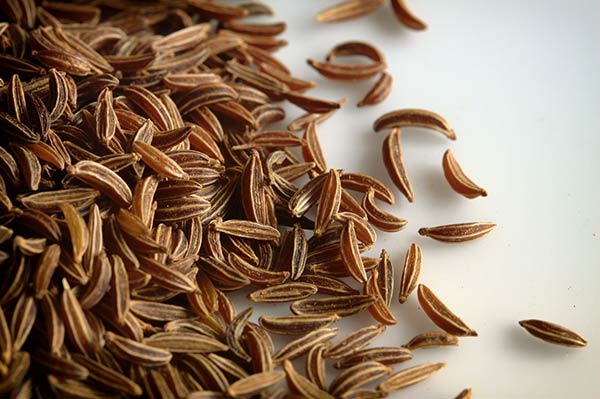
They are often confused, but they are different spices. Caraway (Carum carvi) is the "European" one – dark brown crescent-shaped seeds with a sharp, sweet aroma, used in German and Austrian cuisine for sauerkraut, rye bread, and sausages. Cumin (Cuminum cyminum) is the "Eastern" one – lighter seeds with an intense, smoky aroma, essential for Central Asian pilaf, Uzbek lagman, Indian curry, and Middle Eastern dishes. Both are sources of iron, calcium, and magnesium, and aid digestion.
Cardamom
The "queen of spices," with an intense, complex aroma of eucalyptus and camphor. It contains zinc, calcium, magnesium, and vitamins A and B. It calms the nervous system, normalizes the gastrointestinal tract, and speeds up metabolism. It is not recommended in cases of ulcers. It is the main ingredient of Indian masala tea, Middle Eastern coffee, and Scandinavian baking. It is added to desserts, puddings, mousses, Eastern sweets, pilaf, and fish sauces. For 1 litre of coffee, use 3–5 cardamom pods.
Ginger
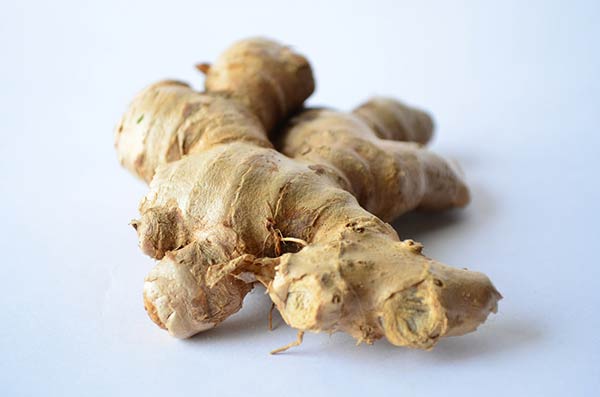
The root of the ginger plant – "a medicine and a spice in one." It is used fresh and grated (for marinades for chicken, fish, and vegetables, and for ginger tea) and dried and ground (for baking – gingerbread, ginger houses, and cakes). It helps with colds, nausea, and headaches, and boosts immunity. An ideal "grill marinade": 50 g of grated ginger + 3 tbsp of soy sauce + 2 cloves of garlic + 1 tbsp of honey per 1 kg of meat.
Coriander
The dried seeds of the plant (the fresh leaves are called cilantro). It is a universal seasoning for meat, fish, and vegetable dishes. It is the main ingredient of Borodinsky bread, Georgian dishes, Indian curry, and Middle Eastern falafel. IMPORTANT: ground coriander quickly loses its aroma within 3–4 months. Buy whole seeds and grind them before use in a coffee grinder or mortar – the aroma is far stronger than shop-bought ground coriander.
Chili Pepper
Ground pods of hot pepper. The Scoville heat scale (SHU): sweet pepper – 0, poblano – 1000, jalapeño – 5000, cayenne – 30000, habanero – 200000. It is added to soups (kharcho), meat dishes (chili con carne), and Mexican and Asian cuisine. CRITICAL: do NOT add chili pepper to boiling oil – it will turn black and become bitter. Add it to warm oil or after frying. It is beneficial in small doses: it speeds up metabolism and improves the function of the liver and nervous system.
Nutmeg
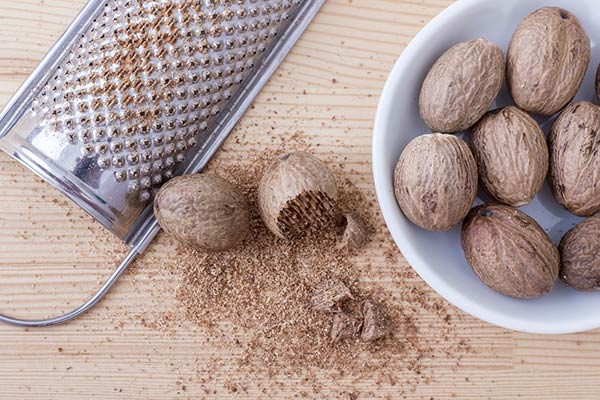
One of the most ancient spices – it was used by the Romans and Greeks. It has a subtle, warm aroma and is the perfect partner for béchamel, mashed potatoes, spinach, pumpkin, pâtés, and sausages. CRITICAL: do not exceed the dose – more than 5 g at once causes hallucinations, and more than 30 g causes severe poisoning, up to and including coma. Add only small pinches to a dish (¼–½ tsp per dish). It is perfect for béchamel sauce, lasagne, and moussaka. Buy whole nuts and grate them on a fine grater – the aroma is 5 times stronger than ground.
Basil
Fresh or dried – the aromatic leaves of a plant in the mint family. Its aroma is reminiscent of clove and anise. It is the perfect "companion" to tomatoes (the classic being mozzarella + tomato + basil in a Caprese salad). It is the main herb of Italian cuisine – pesto (basil + pine nuts + cheese + olive oil), Margherita pizza, and pasta with tomato sauce. It is also used in soups, stews, and with fish and meat. Fresh basil is added at the very end – heat treatment kills the aroma.
Oregano
"Dushitsa" in Russian, the aromatic dried leaves. It contains iodine, magnesium, iron, and vitamins A, B, C, and PP. It is an indispensable herb of Italian and Greek cuisine – pizza, pasta, Greek salad, feta with oregano. It is also used for homemade sausages, pâtés, ham, meat with potatoes, and mushroom sauces. It is perfect for pickling mushrooms and cucumbers. Oregano has an intense aroma that can overpower other herbs – add 1 tsp on its own, without other strong herbs.
Rosemary
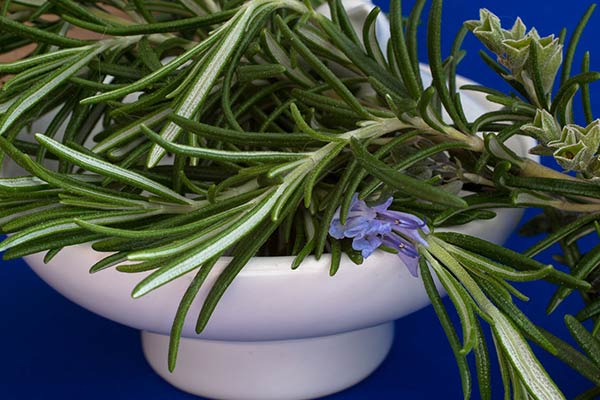
An evergreen shrub of the mint family – it looks like a small fir twig, with a slightly bitter taste. It is the perfect partner for meat (especially lamb and pork) and root vegetables (oven-baked potatoes, carrots, pumpkin). It is also used for stews, soups, and marinades. TECHNIQUE: strip the needles from the stem and crush or finely chop them – this releases the essential oils to the maximum. A whole sprig gives only 30% of the aroma of chopped rosemary. Fresh rosemary is more aromatic than dried.
Marjoram and Thyme
Marjoram is a mild "European" analogue of oregano, used for sausages, mince, pâtés, duck, goose, and game. It is not recommended in cases of thrombosis. Thyme is an essential herb of Provençal cuisine and the main ingredient of the French bouquet garni (thyme + bay + parsley). It is perfect with chicken, fish, grilled vegetables, and oven-baked potatoes. It is often used in "Provençal herbs" and "Italian herbs" blends. It contains thymol – a natural antiseptic that helps with colds and coughs.
Turmeric
The root of a plant in the ginger family, a bright yellow powder. It is the main ingredient of Indian curry – it gives the dish its characteristic colour. It contains curcumin – a powerful natural antioxidant with anti-inflammatory properties. It is added to soups, pilaf, rice, and sauces for a beautiful "sunny" colour. It stains hands and clothes – be careful when using it. For a dish serving 4 people, use ½–1 tsp of turmeric.
Cloves
The dried unopened buds of the clove tree. It has an intense "wintry" aroma – perfect for mulled wine, grog, marinades, ham, kulich, and gingerbread. For 1 litre of marinade, use 4–5 clove buds. The main rule: do NOT overdo it – even 1–2 extra buds will give a sharp, "medicinal" aftertaste that will spoil the dish.
How to Store Spices Correctly
All herbs and spices like darkness, coolness, and an airtight seal. The ideal conditions are:
- Dark glass jars with an airtight lid – they protect against light and moisture;
- A cupboard away from the stove – heat kills the aromatic oils within 1–2 months;
- Away from the sink – moisture spoils ground spices;
- Label the purchase date – most ground spices lose their aroma within 6–12 months;
- Whole spices last 2–3 years – grind them before use;
- Dried herbs (basil, oregano) last 1–2 years, then lose their scent;
- Bay leaf and whole peppercorns last up to 2–3 years in an airtight jar.
❓ Frequently asked questions
Where should I start when building a home spice set?
A basic "gold" set for a beginner cook, made up of 8 spices, covers 80% of everyday cooking: salt, whole black peppercorns (with a mill), bay leaf, ground paprika, dried granulated garlic, Italian herbs (a blend of oregano + basil + thyme), ground coriander, and cinnamon. As you gain experience, add 1–2 spices at a time from the "extended" set: turmeric, dried ginger, cardamom, khmeli suneli, cumin, cloves, nutmeg, thyme, rosemary, and allspice. Within a year you will have a proper set of 18–20 spices.
When should I add spices – at the start or at the end of cooking?
It depends on the type of spice. At the start of cooking (for a long, gradual release of aroma): cumin, coriander, caraway, bay leaf, cinnamon, cloves, allspice, and black pepper. In the middle of cooking (they unfold over 15–30 minutes): paprika, ginger, nutmeg, turmeric, and cardamom. At the end of cooking (fresh aroma, they do not "burn off"): fresh basil, parsley, dill, cilantro, garlic, ground chili pepper, and chopped rosemary. Dried herbs go in at the start, fresh ones at the end. This is the "golden" rule for preserving the maximum aroma.
How can I tell that spices have gone off?
The main signs are: 1) Loss of aroma – open the jar and smell it; if the scent is weak or absent, the spice has "died." 2) A change in colour – bright yellow turmeric has turned a dull brown, bright red paprika has faded. 3) The appearance of clumps – moisture has got in and storage has failed. 4) A rancid or mouldy smell – the product has spoiled. 5) The shelf life has been exceeded – ground spices give almost no aroma after 12 months. Do not use "dead" spices – the dish will not turn out tasty, and at worst you will get digestive problems. Buy fresh ones.
Can I replace ready-made blends with my own?
Yes, homemade blends are reliably tastier than shop-bought "universal seasonings" (which often contain monosodium glutamate, salt, and colourings instead of real spices). Basic blends are easy to make at home. Italian herbs: 1 part oregano + 1 part basil + 1 part thyme + ½ part rosemary. Provençal herbs: 1 part thyme + 1 part marjoram + 1 part rosemary + 1 part lavender + ½ part savory. Khmeli suneli: coriander + dill + basil + savory + red pepper + bay leaf (all ground). Curry: turmeric + coriander + cumin + ginger + chili + cardamom. Make blends in small portions to keep them fresh.