Stewing Dishes: Principles, Rules, and Techniques
Braising is one of the most useful and forgiving cooking techniques in any kitchen — food simmers gently in a small amount of liquid at moderate heat, becoming tender, deeply flavored and almost impossible to overcook. The slow, gentle process is what transforms tough cuts of meat into spoon-tender comfort food and turns ordinary vegetables into something special. I'll cover the core principles of proper braising: the ideal temperature (around 90-95°C), how much liquid to use, the best cookware (cast iron or a heavy Dutch oven) and why searing first is essential. You'll also find typical timings: beef 1.5-2 hours, vegetables 20-30 minutes, fish 15-20 minutes. Useful for cooks of any level.
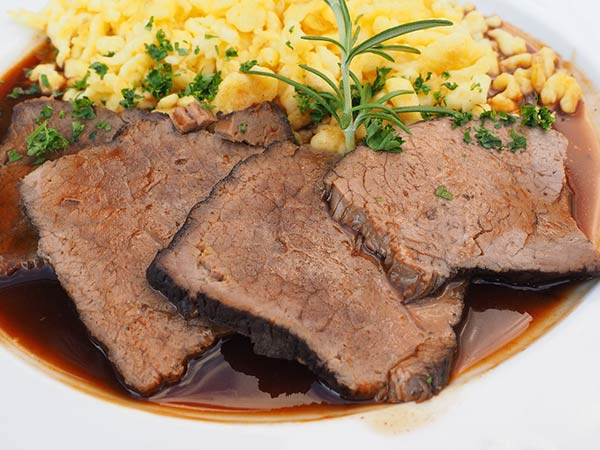
Stewing is a versatile way to cook tender, juicy dishes. I am sharing the secrets of stewing meat, fish, and vegetables properly!
I use this method all the time — the dishes come out wholesome and incredibly tasty!
Basic principles
- the food is cooked in liquid — water, broth, sauce, or its own juice;
- the process takes place over medium or low heat;
- the lid is always kept closed — do not open it unnecessarily;
- cut the food into even pieces so it cooks evenly;
- use thick-walled cookware: a cauldron, a saucepan, or clay pots.
Types of stewing
1. Classic stewing — cooking in liquid: water, broth, or wine.
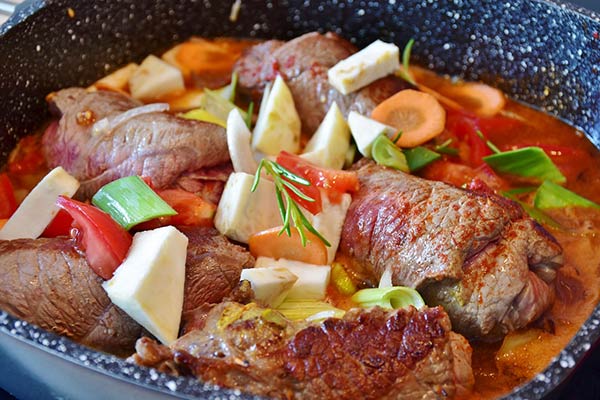
2. Slow simmering — slow heating without fat for several hours. The food becomes very tender.
3. Braising — stewing in a small amount of liquid or in the food’s own juice. Suitable for soft meat, fish, and vegetables.
4. Confit — a French method: stewing in a large amount of oil over low heat.
Stages of stewing
- Prepare the food. Cut the meat, rinse the vegetables, and gather the ingredients for the sauce.
- Brown the meat or fish until a crust forms. Add the pieces gradually so the juice has time to evaporate.
- After browning, add water and scrub the bottom — the stuck pieces will dissolve into the broth.
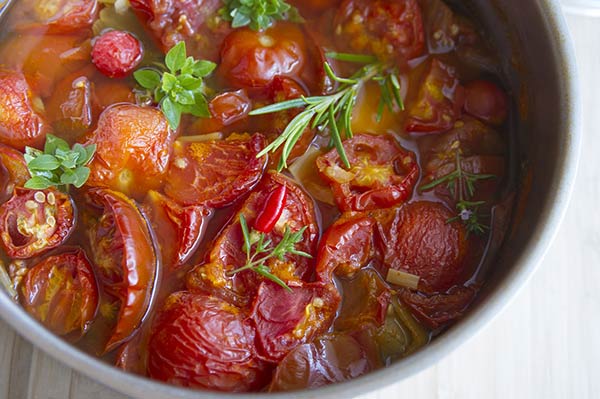
- Reduce the heat. Add spices and herbs. The herbs can be tied into a small bunch.
- Cover with a lid and stew until done.
- Bring the dish to the right consistency: dilute or reduce the sauce.
Preparation step by step
11. Meat: chicken and beef — 30 minutes, pork — 40–50 minutes, lamb — 1 hour.
12. Fish: 40 minutes over medium heat. Browning it first preserves its structure.
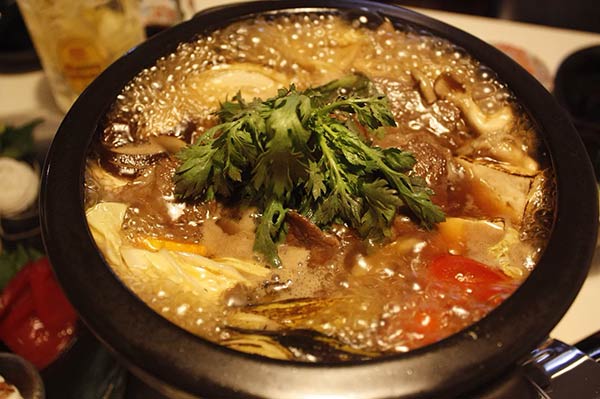
13. Vegetables: carrots, cabbage, and aubergines — 20–30 minutes; onions and beetroot — 15 minutes; peppers — 10 minutes; courgettes and tomatoes go in at the end.
14. Seafood: 15–25 minutes. Overcook it and it will turn tough.
Tips
- Use broth instead of water — the flavour will be richer.
- Pat the meat dry before browning — otherwise it will boil rather than brown.
- Add the vegetables after the meat — they release juice.
- The oven is better than the stove — the cookware heats evenly from all sides.
❓ Frequently asked questions
How is stewing different from boiling?
Stewing is done over low heat under a lid, and the dish is served with its sauce.
Which cookware is best?
A cauldron, a cast-iron saucepan, or ceramic clay pots.
Can it be done without browning?
Yes, this is called braising — cook the food straight in the liquid.