Star Anise – properties, uses in cooking and herbal medicine
Star anise is a fragrant Asian spice in the shape of an eight-pointed star — also known as Chinese star anise — that is widely used in cuisines around the world and in traditional herbal medicine thanks to its unique healing properties. In flavor it resembles regular anise but is richer, sweeter and with a light woody note — which is why it's used in such a wide range of dishes: from baking and desserts to meat stews, marinades, mulled wine and Asian soups like Vietnamese pho or Chinese pork stews. In herbal medicine, star anise is valued for its anti-inflammatory, expectorant and antispasmodic properties — it's often included in children's cough syrups and herbal teas. This article gathers everything you need to know about star anise: its aroma, flavor, main culinary uses, health benefits and contraindications.
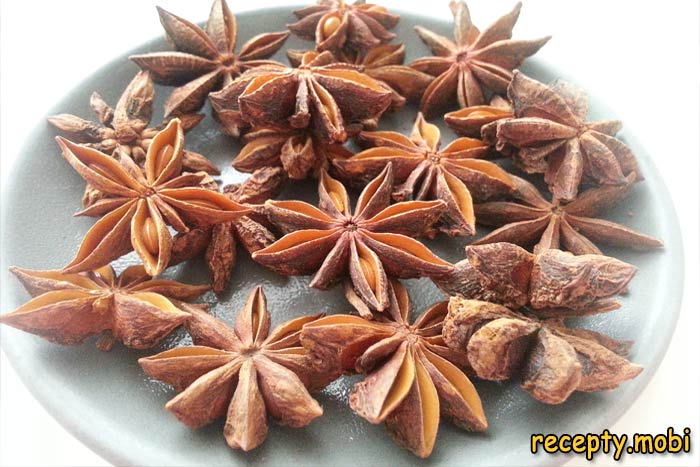
Star anise is an aromatic, star-shaped spice with a bright flavour reminiscent of liquorice. It is a natural antibiotic with a host of beneficial properties.
I use star anise for mulled wine, tea and Asian dishes – the aroma is incredible!
Beneficial properties
- Improves digestion and reduces gas formation.
- Has an antibacterial and antiviral action.
- Helps with coughs and bronchitis – it thins mucus.
- Acts as a diuretic in cases of fluid retention.
Uses in cooking
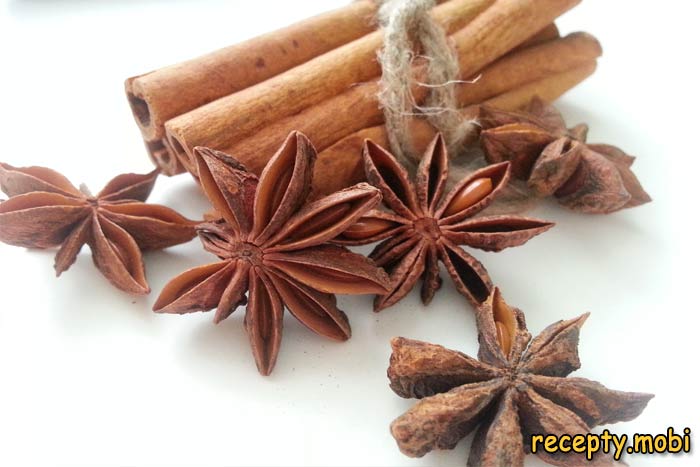
Star anise is used either whole or ground:
- In liqueurs and drinks: absinthe, sambuca and pastis.
- In herbal tea with ginger, lemon and honey – to fight off colds.
- In the Chinese "five-spice" blend, together with pepper, fennel, cloves and cinnamon.
- In sweets, baking and mulled wine.
Tips
- Do not confuse star anise with anise – they are different plants with a similar flavour.
- Store it in a sealed container in a dark place.
- Add it towards the end of cooking to preserve the aroma.
- One star is enough for a litre of a drink.
❓ Frequently asked questions
Where can I buy it?
In supermarkets, spice shops, or you can order it online.
What can I use instead?
Anise or fennel seeds – the flavour is similar.
Are there any contraindications?
Yes – it is not recommended during pregnancy, while breastfeeding, or in large quantities.