avg —
How to Sprout Mung Beans (the Easiest Way)

Instructions
Carefully sort through the mung beans, removing any damaged, shrivelled, or discoloured beans – they will not sprout and may spoil the whole batch. Rinse the beans 3–4 times under cold running water, draining off the cloudy liquid each time until it runs clear. Transfer them to a deep ceramic or glass bowl (a metal one may oxidise) and cover with clean room-temperature water so that the water level is 5–7 cm above the beans. Leave for 10–12 hours at a room temperature of 20–25°C.
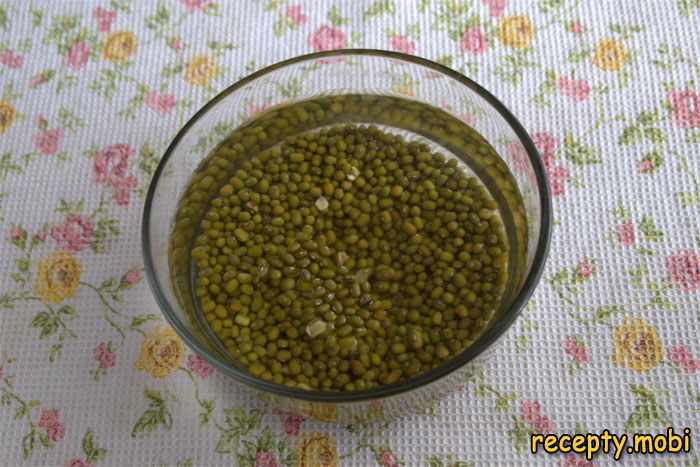
During this time the mung beans will soften and increase in volume. Rinse the beans under water.
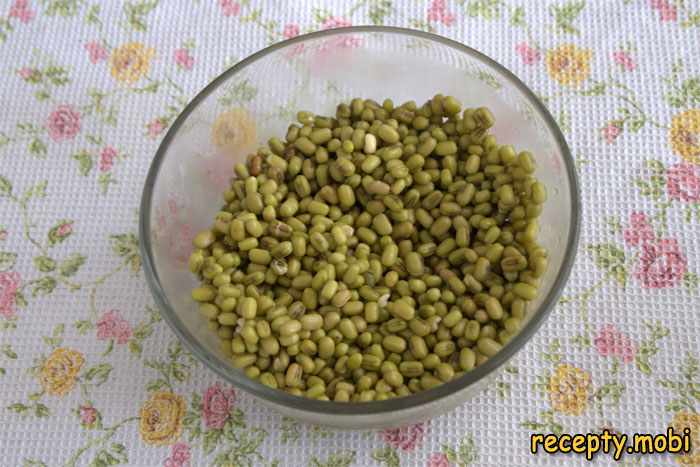
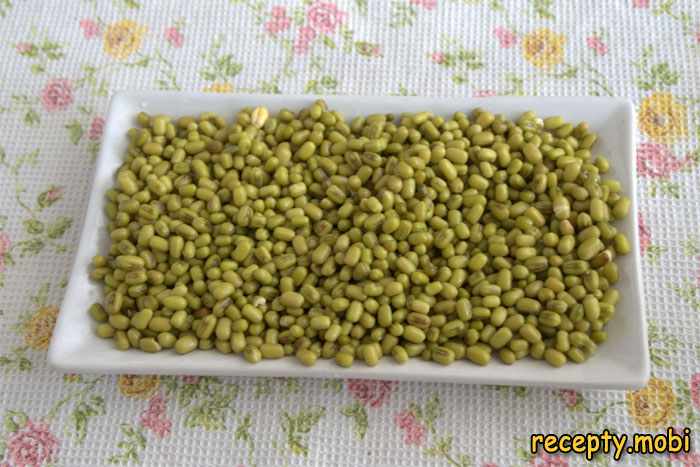
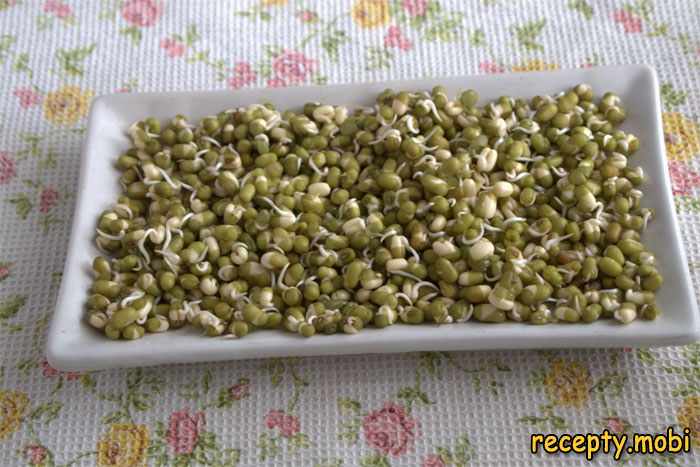
Spread the beans out on a plate or in a container. Try to distribute the beans evenly (across the whole surface of the dish).
Cover the container holding the beans with a damp cotton cloth and put it in a dark place (for 15–20 hours).
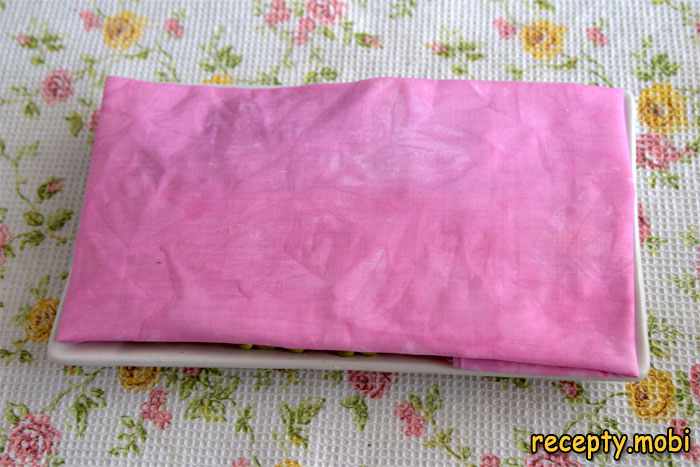
Try to moisten the cotton cloth every 2–3 hours so that the mung beans have enough moisture to sprout.
After 15–20 hours, firm white sprouts 5–10 mm long will appear on the beans – this is the ideal length for eating, as longer sprouts turn slightly bitter. Rinse the sprouted mung beans thoroughly under cold running water, removing any loosened husks. Store them in an airtight container in the refrigerator at 4–6°C for no more than 3 days. Always rinse again before eating.


Tips
- 1
The ideal temperature for sprouting mung beans is 22–26°C. Below 18°C the process slows down, and above 30°C the beans may turn sour.
- 2
If you do not have cotton cloth, use several layers of paper towels – the main thing is to keep them damp at all times.
- 3
Do not place the container with the mung beans in direct sunlight – this stimulates the production of chlorophyll and the sprouts will turn bitter.
Video
FAQ
Why aren't my mung beans sprouting? +
The beans may be old or have been stored incorrectly. Buy mung beans from trusted sources and check the use-by date – good-quality mung beans sprout within 24–36 hours.
Can you eat mung beans with long sprouts? +
Yes, but the longer the sprouts, the more bitterness they have. The ideal length for eating raw is 5–15 mm.
How can you tell that sprouted mung beans have gone off? +
A sour or unpleasant smell, a slimy surface, and darkened sprouts are signs of spoilage. Mung beans like this must not be eaten.
- Comment
or post as a guest
Be the first to comment.