How to Properly Store Bread – Basic Storage Rules
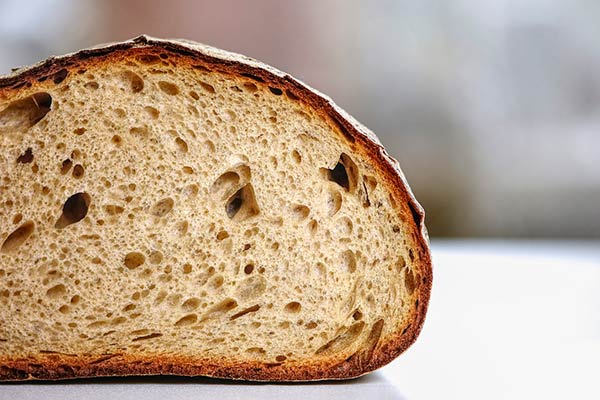
I store bread the way my grandmother taught me, by tried-and-tested rules. From my own experience, the main secret to keeping bread fresh for several days is to always wrap it in linen or burlap cloth rather than plastic. The fabric lets the bread "breathe," soaking up excess moisture without drying it out completely. In plastic the bread suffocates and goes mouldy, while in the open air it quickly turns stale.
This step-by-step guide is my home "manual" for properly storing bread of different kinds and by different methods. Following these rules lets you keep home-made or shop-bought bread for 2–3 days at room temperature, and up to 3 months in the freezer. Good bread is not cheap, and proper storage saves the family budget.
Basic rules for storing bread
- Bread should "breathe" – wrap it in linen or burlap cloth, paper, or a bag with holes;
- Never store hot bread – wait until it has cooled completely (at least 1–2 hours);
- Store different types separately – wheat and rye bread must not be mixed (they speed up each other's spoiling);
- Cover sliced bread with cloth or keep it in a bread box with a tight-fitting lid;
- The optimal storage temperature is +20 to +25 °C, with air humidity no higher than 75%.
Preparation step by step
- STORAGE AT ROOM TEMPERATURE is the most natural method for fresh bread. Wheat bread keeps its freshness for 2 days, while rye and whole-grain bread last up to 3 days thanks to their natural acidity. The best place is a juniper-wood bread box (a natural antiseptic), a paper bag, or plastic with holes. The ideal "wrapping" is linen or burlap cloth: it lets the bread breathe and absorbs excess moisture.
- STORAGE IN THE REFRIGERATOR is for emergencies only. In the fridge bread quickly goes stale (at 0–5 °C the starch crystallises faster than at room temperature!) and readily absorbs the smells of other foods. If you must use it, wrap the loaf tightly in several layers of foil, keep it at around +5 °C, and store it away from strong-smelling foods (onion, garlic, cheese, smoked products).
- STORAGE IN THE FREEZER is the best way to keep bread for a long time. At −18 °C spoiling and crystallisation stop completely, and the bread keeps the taste and texture of fresh bread. Slice the bread before freezing – this lets you take out 1–2 pieces as needed. Wrap it tightly in cling film or foil, then in a zip-lock bag to avoid "freezer burn." Store for up to 3 months, separate from meat products with strong smells. Thaw sliced bread in the microwave for 30 seconds or in the oven for 3–5 minutes at 150 °C. Refreezing is strongly not recommended.
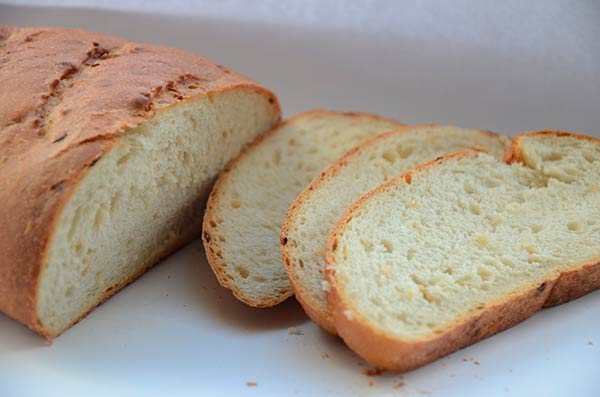
- CHOOSING A BREAD BOX – much depends on the material. Wooden (juniper) is the ideal choice: a natural antiseptic with antimicrobial properties, though it absorbs smells. Ceramic gives the best temperature and humidity conditions, but is heavy and fragile. Plastic is hygienic, light, and does not absorb smells, but is less attractive. Metal is sturdy and long-lasting, but may give a slight metallic taste. The choice depends on personal preference and budget.
- HOW TO REFRESH STALE BREAD – do not throw it away, revive it! Lightly spray the loaf or slices with clean water from a spray bottle (5–6 sprays per loaf). Wrap it in a damp (lightly wrung-out) towel and put it in an oven preheated to 180 °C for 5–7 minutes. The bread "comes back to life" and becomes almost like freshly baked – soft inside, with a crisp crust. The method works for any bread that is 1–3 days old. For stale bread older than 5 days, it is best used as a base for fried bread, croutons, or bread pudding.
Tips and tricks
Tip 1. Never store hot, freshly baked bread – wait until it has cooled completely, otherwise the condensation will spoil its structure and cause mould.
Tip 2. Keep rye and wheat bread strictly separate – they speed up each other's spoiling and the growth of mould.
Tip 3. Freeze bread in slices – it is convenient to take out as much as you need. I use a similar principle to store home-made sourdough bread.
Tip 4. To refresh stale bread, spray it with water and warm it in the oven – the method works for any kind of baked goods.
❓ Frequently asked questions
Why does bread go mouldy in storage?
The main causes are: high air humidity (above 75%), poor ventilation (the bread "suffocates"), storing bread that is still warm (condensation forms), a dirty bread box (bacteria and mould spores on the walls), and packaging that is too airtight (plastic without holes). To prevent it: regularly wash the bread box with baking soda, store the bread in "breathable" packaging (cloth, paper, a bag with holes), keep it at room temperature, and avoid excess humidity in the room. In a damp climate, use the freezer.
Can stale bread be refreshed?
Yes, it is simple: spray the loaf with clean water from a spray bottle (5–6 sprays), wrap it in a damp towel, and put it in an oven preheated to 180 °C for 5–7 minutes. The bread will again become soft inside with a crisp crust – like freshly baked. The method works for bread that is 1–3 days old. For bread that is completely stale (more than 5 days), it is better used in other dishes: breadcrumbs, fried bread, bread pudding, or toast in the toaster. Do not throw it away – there is always a use for it.
How long does home-made sourdough bread keep?
Longer than commercial bread – up to 4–5 days with proper storage at room temperature. A natural starter has a preserving effect thanks to its natural acidity. Wrap home-made bread in linen cloth or keep it in a wooden bread box. Rye and whole-grain sourdough bread keeps longer than wheat bread. If needed, freeze it in slices for up to 3 months. Fresh bread from the oven is always tastier, but proper storage prolongs the pleasure.
Which bread goes stale the fastest?
The fastest to go stale are: white wheat bread (1–2 days), loaves and rolls with added ingredients, and bread with butter or milk in its composition. Those that keep longer are: rye bread (3–4 days), whole-grain bread with bran (4–5 days), sourdough bread of any type (up to 5 days), and bread with a high fat and sugar content (up to 4 days). Commercial bread with preservatives can keep for 5–7 days, but loses its natural taste. For long storage, choose natural bread with a simple composition.