How Long to Boil Liver: Beef, Chicken and Pork
Chicken liver is boiled for 10-15 minutes, turkey liver for 25-35, beef liver for 30-40, and pork liver for 40-50 minutes; cut into pieces, liver cooks 1.5-2 times faster. Lower it into boiling water, salt it right at the end, and soak beef and pork liver in milk beforehand. Check for doneness by piercing it: the juices should run clear, with no pink or bloody colour left on the cut.
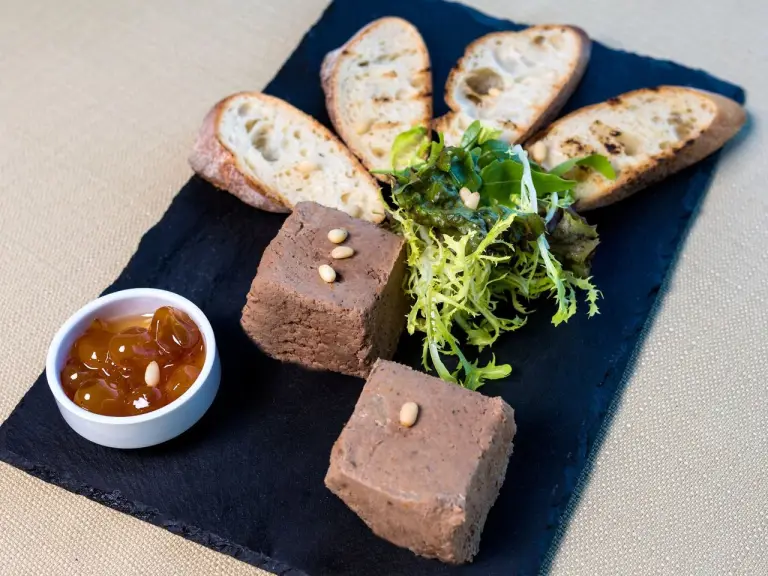
Liver boiling times: types and methods
| Type or method | Boiling time | Sign of doneness | Note |
|---|---|---|---|
| Chicken liver | 10-15 minutes | Clear juices, light brown cut | Do not overcook, it dries out fast |
| Turkey liver | 25-35 min whole, 18-20 in pieces | Even grey-brown cut | Larger than chicken, cut into pieces |
| Beef liver | 30-40 min whole, 15-20 in pieces | No dark red on the cut | Soak in milk for 30-60 minutes |
| Pork liver | 40-50 min whole, 20-25 in pieces | Clear juices, grey cut | Only until fully done, soak to remove bitterness |
| Liver in a multicooker | chicken 15-20, beef 40 min | Pierce, clear juices | Boil mode, cover with boiling water |
| Frozen liver | add 5-10 minutes to the usual time | Centre not pink | Better to thaw in the fridge |
| For pate | beef 35-40, chicken 15 min | Mashes easily with a fork | Can be boiled a little longer |
| For salad | beef 25-30, chicken 12-15 min | Firm, holds its shape | Cool in the cooking liquid |
How long to boil liver: types, methods and uses
1. Chicken liver
The quickest to boil and the most tender, it is perfect for salads, pate and baby food. The main danger is not undercooking but drying out: a few extra minutes make it dry and crumbly.
- Whole lobes: 10-15 minutes after the water returns to the boil, over medium heat.
- Place it into boiling water and cover loosely with a lid.
- Doneness: pierce it, the juices run clear and the cut is light brown with no pink.
- Salt 3-5 minutes before the end, or once it is done.
- Do not boil longer than 15-17 minutes, or the liver will turn dry and crumble.
2. Turkey liver
Larger and slightly firmer than chicken liver, it is lean, with a mild flavour. It often goes into pate and onto the children's menu alongside chicken liver.
- Whole: 25-35 minutes; in 2-3 cm pieces: 18-20 minutes.
- Cut large lobes into 2-3 pieces so they cook evenly.
- Doneness: an even grey-brown cut and clear juices.
- Soaking is not essential, but 20 minutes in milk removes any off-taste.
- Add salt at the end of cooking.
3. Beef liver
The most popular and the firmest, it needs preparation, otherwise it turns bitter and tough. Boiled properly, it stays juicy and tender.
- Whole 300-500 g piece: 30-40 minutes; in 1.5-2 cm pieces: 15-20 minutes.
- Peel off the top membrane and cut out the large ducts.
- Soak in milk or cold water for 30-60 minutes.
- Lower into boiling water and salt 10 minutes before it is done.
- Doneness: pierce with a knife, the juices run clear and there is no dark red inside.
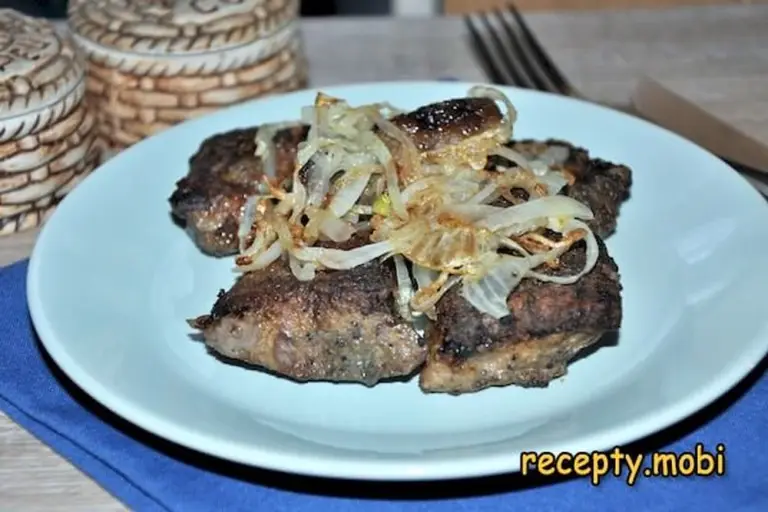
Recipe: Pan-fried beef liver with onions.
4. Pork liver
Looser in texture, lighter than beef liver and with a characteristic bitterness. It must always be boiled through: pork should never be left underdone.
- Whole: 40-50 minutes; in 2 cm pieces: 20-25 minutes.
- Soak in milk for 1-2 hours and the bitterness noticeably fades.
- You can drain the first water after it boils and add fresh boiling water.
- Doneness: a grey-brown cut all the way through and clear juices.
- Salt only at the end so the flesh does not turn tough.
Recipe: Pork liver cutlets with buckwheat.
5. Liver in a multicooker
Convenient and with no scorching, nothing boils over. The Boil, Soup or Stew modes with water all work well.
- Chicken: 15-20 minutes on the Boil mode.
- Beef whole: 40 minutes; in pieces: 25-30 minutes.
- Pork: 45-50 minutes until fully done.
- Cover with boiling water straight away so you do not waste time heating it up.
- After the signal, check by piercing and add salt at the end.
6. Frozen liver
It is better to thaw liver from the freezer: otherwise the outside overcooks while the inside stays raw and pink.
- Best option: thaw in the fridge for 6-8 hours, then boil as usual.
- Quick method: in a bag under cold water for 1-1.5 hours.
- If you boil it without thawing, add 5-10 minutes to the usual time.
- Once it boils, skim off the foam; the first water can be drained.
- Cut into portions only after it has partly thawed.
7. Liver for pate
Here softness matters more than firmness, so the liver is boiled until it mashes easily. A little overcooking is not a problem for pate.
- Beef and pork: 35-40 minutes; chicken: 15 minutes.
- Doneness: a piece is easily pressed into a puree with a fork.
- You can boil it 5 minutes longer than usual.
- Blend the warm liver straight away with butter.
- Do not throw out the cooking liquid: 2-3 spoonfuls in the mixture add tenderness.
Recipe: Liver cake made with pork liver.
8. Liver for salad
For a salad the liver is boiled until done but not overcooked: the pieces should hold their shape and not crumble when sliced.
- Whole beef piece of about 300 g: 25-30 minutes; chicken: 12-15 minutes.
- Do not overcook, or the liver will crumble in the salad.
- Cool it right in the cooking liquid so it does not dry out on the surface.
- Slice it into strips or cubes once it is cold.
- Salt the cooking liquid at the end, or season the finished salad.
9. Liver for soup
More often the liver is boiled separately and added to the soup ready at the end: boiling it in the stock from the start makes it cloudy and bitter.
- Separately: beef 30 minutes, chicken 15 minutes, then slice into the bowl.
- If boiling in the stock, add it 20-30 minutes before the end.
- It is better not to use pork liver for soup because of bitterness and cloudiness.
- Skim the foam right after it boils.
- Salt the stock right at the end.
10. Liver for a baby
For weaning, choose chicken or turkey liver, the most tender and easily digestible. Cook it thoroughly and without salt.
- Chicken for puree: 15-20 minutes, drain the first water after it boils.
- Beef for older children: 30-35 minutes until fully done.
- Introduce it from around 8-10 months, starting with 0.5-1 teaspoon.
- No salt or spices, puree with vegetables or stock.
- Give it 1-2 times a week, no more often.
11. How to boil liver so it stays tender
Tenderness depends not on long boiling but on preparation and precise timing. Long boiling is in fact harmful: the liver turns dry.
- Soak in milk for 30-60 minutes, pork liver for up to 2 hours.
- Peel off the membrane and cut out the tough ducts.
- Place it strictly into boiling water, not cold.
- Salt only at the end: early salt makes the liver tough.
- Do not overcook: an extra 10 minutes turns the flesh to rubber.
Tips and tricks
- Soak beef and pork liver in milk for 30-60 minutes: the bitterness goes and the flesh becomes more tender.
- Always peel off the top membrane and cut out the large ducts, otherwise the piece tightens up and turns chewy.
- Lower the liver into water that is already boiling: this way it keeps its juices and does not release them into the stock.
- Salt 5 minutes before it is done, or once boiled: early salt draws out moisture and makes the liver tough.
- Do not go by the minutes alone, check by piercing: clear juices mean it is done.
- For a salad, cool the liver right in the cooking liquid, then it stays juicy and does not dry out.
- For tenderness, add half a teaspoon of sugar to the water: the flavour will not change, but the flesh will be softer.
- Do not overcook chicken and turkey liver: after 15-20 minutes they dry out quickly.
Common mistakes
- Salting the water at the start of boiling: the liver turns firm and dry.
- Overcooking: an extra 10-15 minutes turns the liver to rubber.
- Not removing the membrane: the piece deforms and cooks unevenly.
- Not soaking pork liver: the bitterness and specific off-taste remain.
- Putting in a large piece and taking it out early: the centre stays raw, which is unsafe for pork.
- Boiling the liver right in the soup from the very start: the stock turns cloudy and bitter.
Benefits and nutrition of boiled liver
Boiled liver is one of the most nutritious offal: plenty of complete protein, iron, vitamin A and B vitamins, especially B12 and folic acid. When boiled, its calorie content stays low, since no extra fat is added.
Approximate values per 100 g of boiled liver:
- Beef: about 125 kcal, 20 g protein, 4 g fat.
- Pork: about 130 kcal, 19 g protein, 5 g fat.
- Chicken: about 140 kcal, 21 g protein, 6 g fat.
- Turkey: about 135 kcal, 19 g protein, 5 g fat.
Liver is good for anaemia and low energy, but there are some caveats. It is very high in vitamin A, so pregnant women and small children should have it in measured amounts. With gout, high cholesterol and kidney disease, eat liver in moderation and it is best to consult a doctor.
How to choose fresh liver
Both the flavour and the benefits depend on freshness. What to look for when buying:
- An even colour with no grey or greenish patches: beef liver is dark burgundy, pork is lighter and redder, chicken is brownish-red.
- A smooth, glossy surface with no dried-out edges or slime.
- A fresh, slightly sweetish smell: a sour or sharp one signals it is not fresh.
- When pressed, the flesh is firm and springs back into shape quickly.
- Buy frozen liver with no large ice crystals or pink frost: that is a sign of refreezing.
Storing boiled liver
To keep boiled liver from spoiling and staying tasty:
- In the fridge, store it for 2-3 days in a sealed container, ideally covered with a little of the cooking liquid.
- Use sliced liver for salad within 24 hours.
- Keep finished pate for 1-2 days, and you can cover the surface with a thin layer of butter.
- In the freezer, boiled liver keeps for up to 2-3 months, thaw it in the fridge.
What to make from boiled liver
Boiled liver is the base for dozens of dishes: tender pates, fillings, salads and starters. A few ideas with recipes:
- Liver cake made with pork liver with onion and carrot.
- Liver cake with mushrooms for the festive table.
- Homemade liver sausage made from boiled liver.
If you fancy a hot dish from raw liver, try pan-fried calf liver with onions or a hearty liver Stroganoff.
❓ Frequently asked questions
Do you need to soak liver before boiling?
Beef and especially pork liver are best soaked in milk or cold water for 30-60 minutes, pork for up to 2 hours: the bitterness goes and the flesh becomes more tender. Chicken and turkey liver need not be soaked.
Cold or boiling water, which to put liver into?
If you are boiling the liver itself, lower it into boiling water: this way it keeps its juiciness. Cold water is used only when you want a rich stock, but for liver that is rarely done.
When should you salt liver while boiling?
Right at the end, 5 minutes before it is done, or once it is boiled. Salt at the start draws out moisture and makes the liver tough and dry.
Why is liver bitter after boiling?
Most often it is pork liver that was not soaked, or bile ducts that were not removed. Soak it in milk and cut out the ducts, then the bitterness will go.
Why is boiled liver tough and rubbery?
Two main reasons: early salt and overcooking. Salt at the end and do not keep the liver in boiling water longer than the set time.
Can you boil frozen liver without thawing?
You can, but the time increases by 5-10 minutes and the heating will be uneven. It is better to thaw it in the fridge for 6-8 hours and boil it as usual.
How do you tell that the liver is done?
Pierce the thickest part with a knife or fork: the juices should run clear, with no pink or dark red colour left on the cut.
How long does boiled liver keep?
In the fridge in a sealed container for 2-3 days, ideally covered with the cooking liquid. In the freezer for up to 2-3 months. Keep finished pate for 1-2 days.
From what age can you give liver to a child?
Chicken or turkey liver is introduced into weaning from around 8-10 months, starting with 0.5-1 teaspoon of puree, 1-2 times a week. Cook it without salt or spices.
Do you need to drain the first water when boiling liver?
For baby puree and for pork liver this is useful: once it boils, drain the water, add fresh boiling water and finish cooking. This removes some of the bitterness and impurities.