· Culinary tips ·
Cheese – how to choose, storage options, shelf life
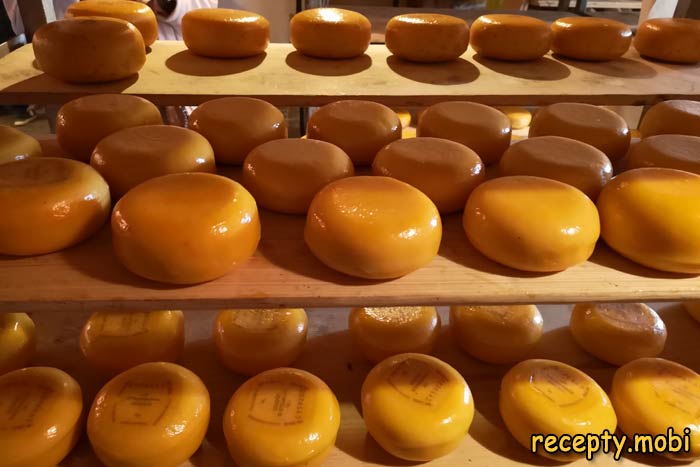
Storing cheese correctly is the key to keeping its taste and freshness. Here are some tried-and-tested rules for different varieties.
I use these tips every day — the cheese keeps longer and does not spoil.
01
How to choose fresh cheese
- Check that the packaging is intact — any damage opens the way for bacteria.
- There should be no mould or stains on the surface (except for special varieties).
- Fresh cheese has its own characteristic aroma, with no mushroomy or ammonia smell.
- The surface should be neither too dry nor too wet.
- Study the labelling: the production date, the shelf life, and the storage conditions.
02
Storing cheese in the refrigerator
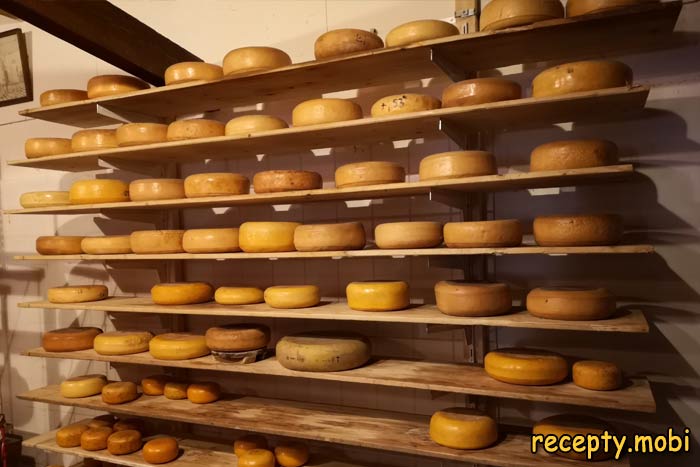
- Keep the temperature at about +5°C and the humidity around 85%.
- In factory packaging, cheese keeps until the end of its shelf life; once opened, it keeps for 3 days.
- Cover sliced cheese with foil or film — cheese readily absorbs other odours.
- The ideal container is one with a lid.
- Wrap portioned slices in parchment paper rather than cling film.
03
Storing cheese in the freezer
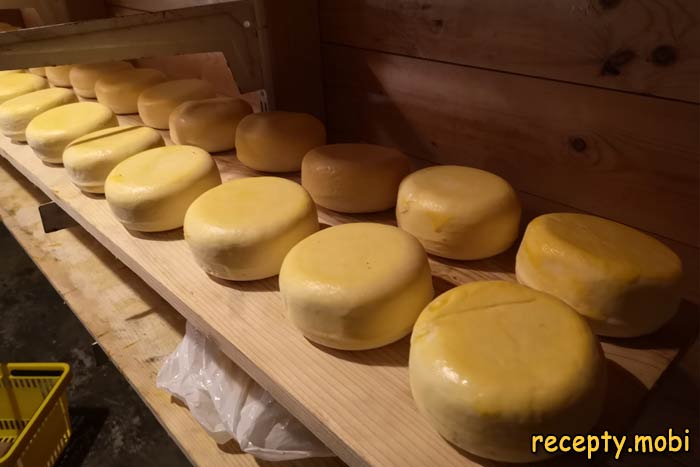
- Hard varieties can be frozen for up to 3 months.
- Soft cheeses change their texture after freezing, so this is not recommended.
- Divide the cheese into portions of 250 g and wrap them in foil or place them in a container.
- Thaw the cheese in the refrigerator over 12 hours, not at room temperature.
04
Shelf life by variety
- Soft cheeses — up to 5 days (up to 3 months in their packaging), at a temperature of 0…+8°C.
- Hard and semi-hard cheeses — from 1 month to a year, at a temperature of –4…0°C.
- Smoked cheeses — 2–4 months depending on the packaging, at +2…+6°C.
- Processed cheeses keep the longest, especially those made with vegetable fats.
❓ Frequently asked questions
How do you store cheese without a refrigerator?
Wrap it in a cloth soaked in salted water and keep it in a cool, dark place. Change the cloth every day.
How can you tell that cheese has gone off?
Mould on the surface, a slimy coating, and an unpleasant smell are all signs of spoilage.
Can you eat cheese that is past its date?
It is not recommended, especially without cooking it first.