avg —
Pomegranate Tea for Strengthening Immunity

Instructions
Peel the pomegranate properly: make a circular cut around the "crown" and lift it off like a lid. Then make vertical cuts along the segments (usually 6 of them) and gently open the pomegranate. Remove the seeds whole, avoiding the white membranes – they taste bitter. Combine the seeds with the sugar and spices (cinnamon and star anise) in a bowl.
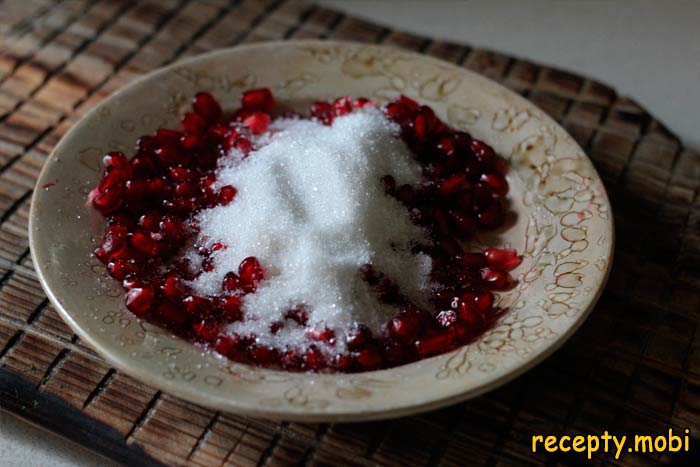
Transfer the pomegranate seeds with the sugar and spices to a heavy-bottomed saucepan and add 3 tablespoons of boiling water. Crush the seeds with a pestle, a masher or a blender until you have a puree – every seed should break down and release its juice. Put the saucepan over medium heat.
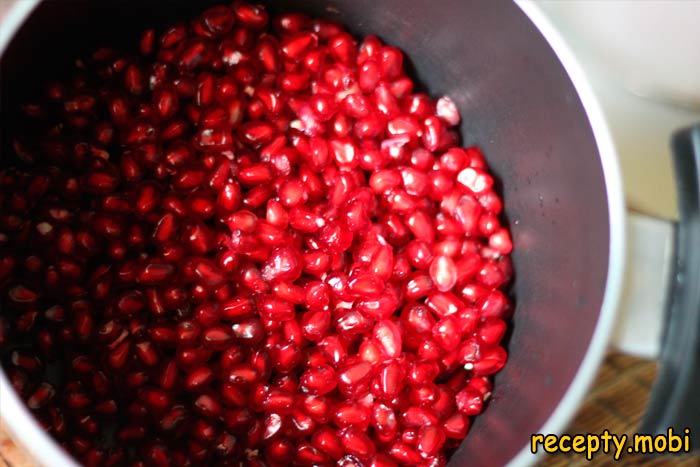
Bring the pomegranate puree to the boil and simmer for 2–3 minutes to dissolve the sugar and bring out the spices. Take it off the heat and let it cool under a lid for 15–20 minutes – during this time the spices release their full aroma and the concentrate turns a deep ruby colour. Strain thoroughly through a fine sieve or 2 layers of cheesecloth, pressing out the pulp.
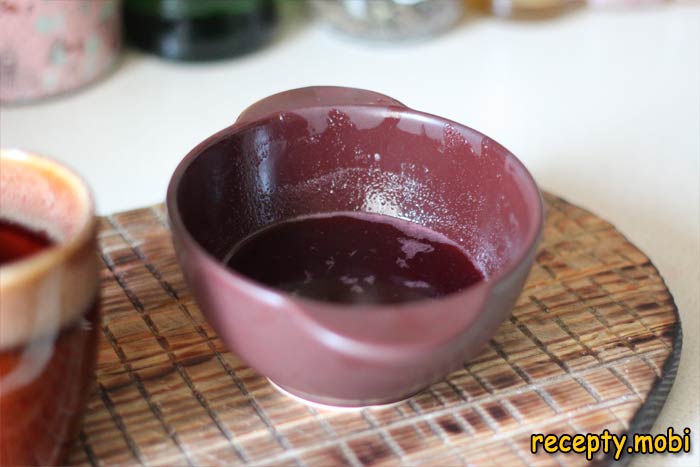
Put 1 tablespoon of the finished pomegranate concentrate into a cup and pour over freshly boiled water (200 ml). Let the tea steep for 1–2 minutes and cool slightly until warm (60–65 °C). Only now add honey to taste – to the warm tea, not the hot tea. At this temperature the honey keeps all its vitamins and beneficial enzymes.
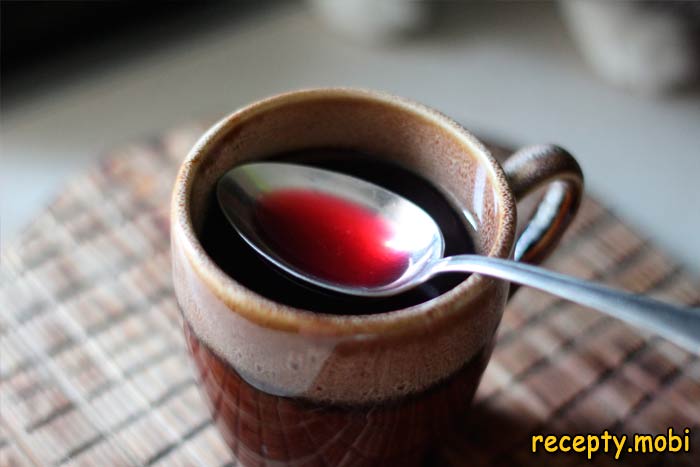
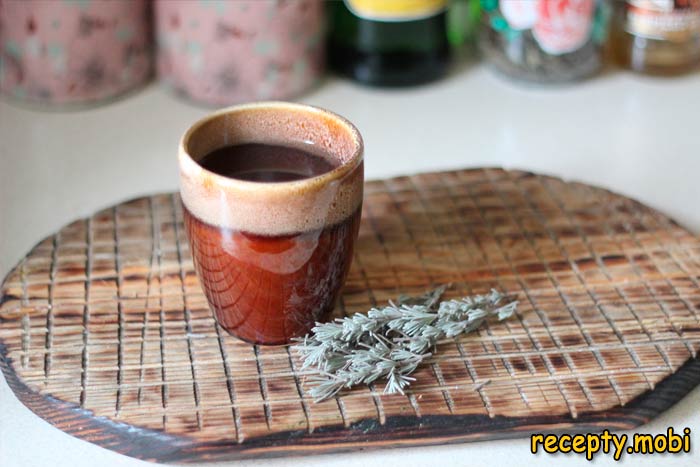
The pomegranate tea is ready! I serve it hot in a pretty cup, garnished with a slice of lemon or a sprig of mint. Enjoy it on a cold winter evening – it warms you from the inside and strengthens the immune system. One portion of concentrate is enough for 6–8 cups of tea – keep it in the fridge for up to a week.


Tips
- 1
Add honey only to warm tea (below 60 °C) – at a higher temperature the beneficial properties of its enzymes and vitamins are lost.
- 2
The pomegranate concentrate keeps in a glass jar in the fridge for up to a week – a handy make-ahead for quickly brewing tea.
- 3
You can add fresh ginger, lemon or a cinnamon stick for an extra immune boost. I make ginger tea for colds on a similar principle.
- 4
One tablespoon of concentrate is enough for a serving of tea – you can adjust the strength to taste by adding more or less.
FAQ
Can it be made without sugar? +
Yes, replace the sugar with honey (but add it to the warm tea, not to the concentrate!) or with stevia – a healthier choice for a diet menu. To make the concentrate without sugar, use dried fruit (5 dates or figs) or natural sweeteners. Without sugar the concentrate will be less sweet and less rich in colour, but more wholesome. For diabetics, a concentrate made with erythritol or fructose is suitable. You can also leave out anything sweet altogether and use only the natural pomegranate.
What can replace star anise in the recipe? +
Cloves work well (2–3 buds for a brighter spicy accent), as do cardamom (2–3 pods for an oriental touch), nutmeg (a pinch for a soft, warm aroma) and anise seeds (a flavour similar to star anise, 1/4 teaspoon). Each spice gives the tea its own character. Without warming spices you simply get a plain pomegranate syrup – still tasty, but without the warming effect. For the greatest immune boost, add a mix of spices (cloves + cardamom + cinnamon) – a "mulled wine without the alcohol".
How long does the pomegranate concentrate keep? +
In the fridge, in a sterile glass jar with a tight lid, it keeps for up to 7 days without losing quality. For longer storage (up to 2 months) pasteurise the jar: boil it in a water bath for 10 minutes before sealing. You can also freeze it in portions in ice cube trays – cubes of concentrate keep in the freezer for up to 3 months; drop 2 cubes into a cup of boiling water. Signs of spoilage are mould, fermentation and a sour smell – throw it away without hesitation.
What other beneficial properties does pomegranate tea have? +
Pomegranate is one of the richest sources of vitamin C (one serving covers 40% of the daily requirement), which is vital for immunity in winter. Its antioxidants (polyphenols) protect cells from ageing and cancer. Its iron raises haemoglobin levels – helpful with anaemia. Its potassium supports the cardiovascular system. Pomegranate tannins have an anti-inflammatory effect. Cinnamon aids digestion and star anise is antiviral. A cup a day is a full replacement for pharmacy immune stimulants.
- Comment
or post as a guest
Be the first to comment.