avg —
Lahmajun Armenian Style

Instructions
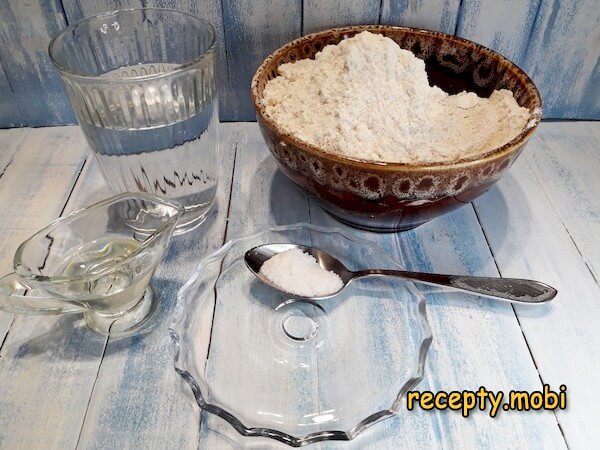
I prepare the dough ingredients, taking the water at room temperature. Cold water is no good for unleavened lahmajun dough: it makes the dough tough and hard to roll out to the right thinness.
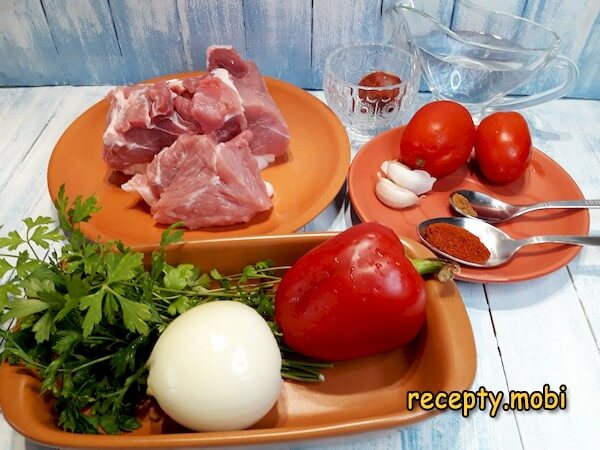
I gather the spread ingredients. The bunch of cilantro and parsley can be small or large, depending on personal preference. Without cilantro the dish loses its characteristic Caucasian aroma, and replacing it with basil is not an option.
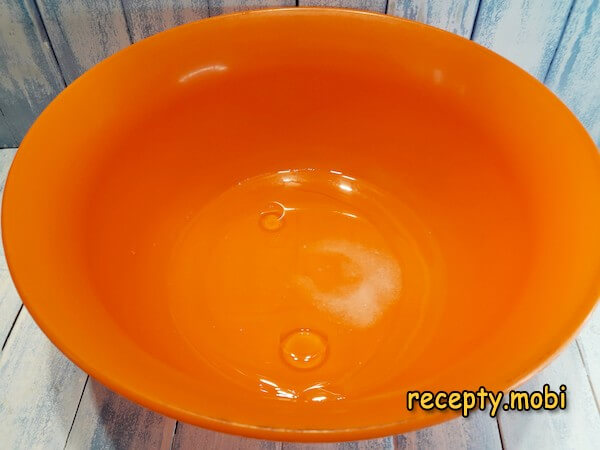
I start with the dough. I pour the water and vegetable oil into a large bowl and add the salt, then stir with a whisk until the salt dissolves in the water. The oil makes the dough elastic and keeps it from drying out while rolling.
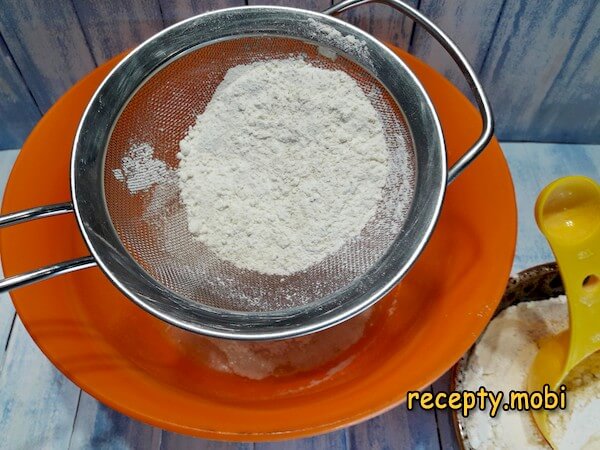
I sift in part of the flour — about two thirds of the total. Sifting aerates the flour, so the dough comes out lighter and more elastic.
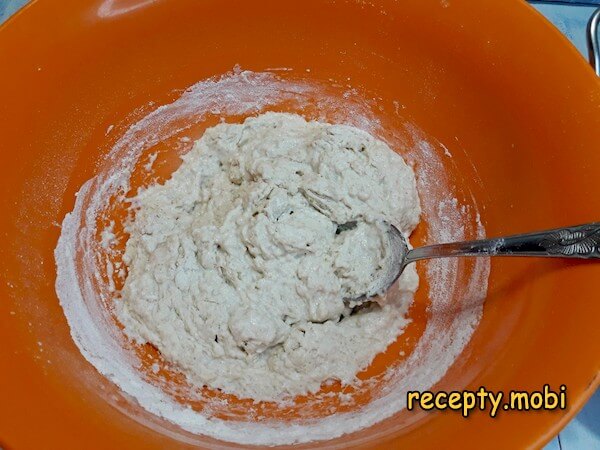
I stir the loose dough with a spoon and keep adding the remaining flour gradually, to control the thickness. Different types of flour need different amounts: you may not use all of the last third, or you may need a little more.
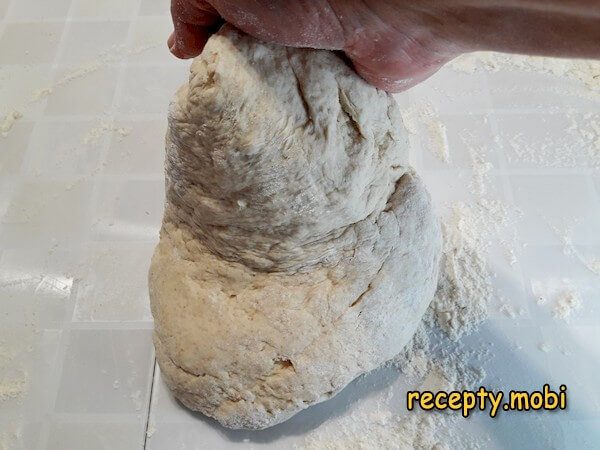
Next I turn the dough out onto the table and knead it well by hand. The result should be a medium-firm dough that does not stick to your hands at all. Five to seven minutes of active kneading develops the gluten and makes the dough elastic.
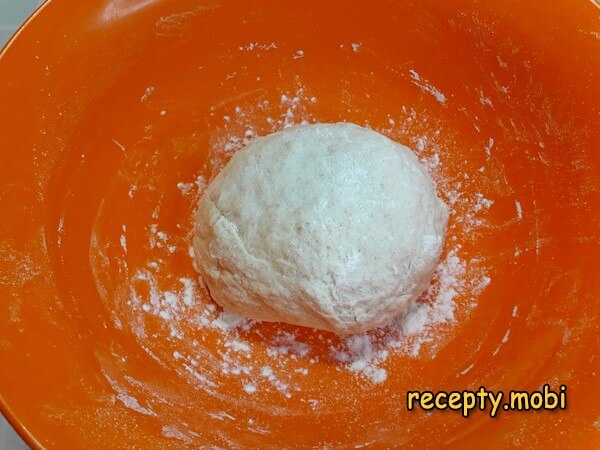
I shape it into a ball, put it in a bowl, cover it with a towel, and leave it on the table while the filling is being prepared. The rest is necessary — the gluten relaxes and the dough rolls out easily to 1–1.5 mm thick.
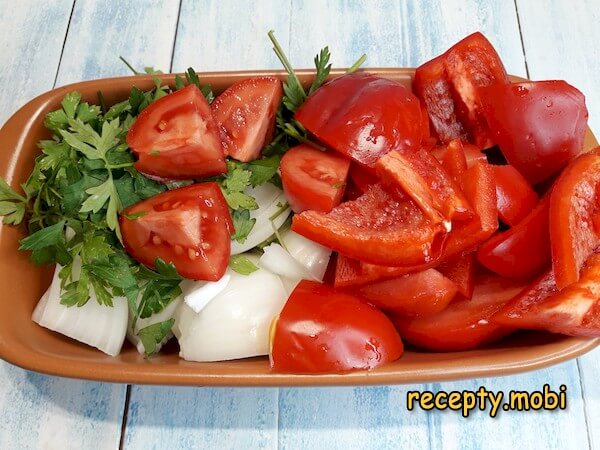
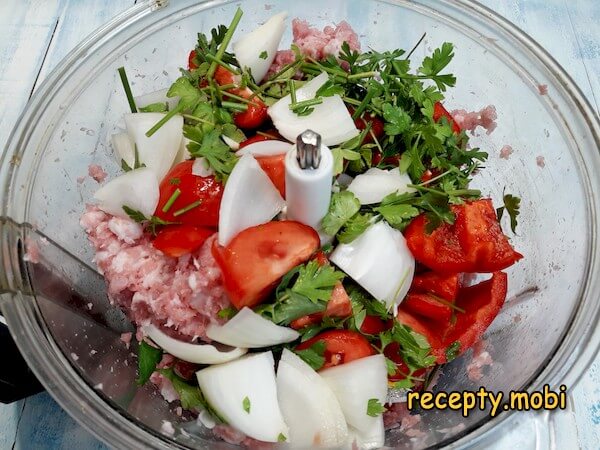
I cut the tomatoes, bell pepper, onion, and herbs into small pieces ready for the meat grinder — that way they mince faster and more evenly together with the meat.
I run the meat through a chopper or meat grinder into mince. Pork gives a richer, juicier spread; beef a denser, leaner one. Lamb with tail fat is the authentic Armenian option with the brightest flavour.
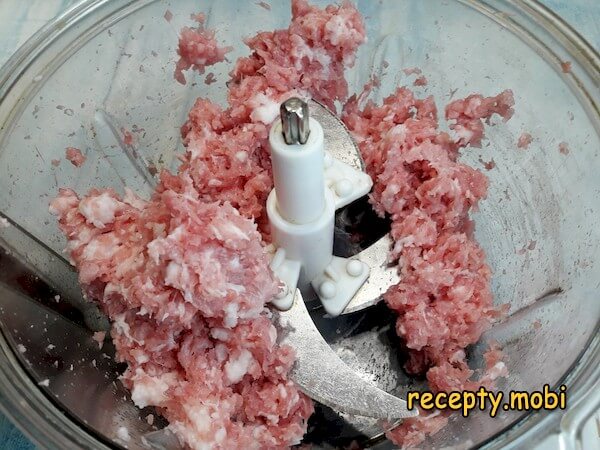
I add the chopped vegetables and run everything through together once more — a second pass gives a perfectly uniform spread that goes onto the flatbread in a thin layer without large pieces.
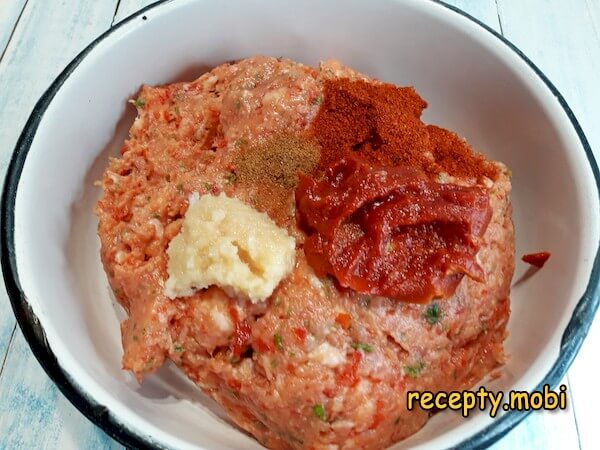
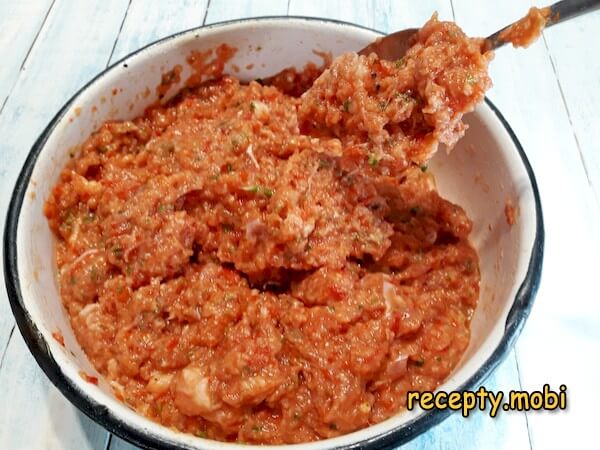
I transfer the mince into a bowl. I season it all with tomato paste, garlic pressed through a press, paprika, and hot red pepper. The paprika adds colour, the tomato paste depth and a little tang, the garlic and hot pepper a piquant kick.
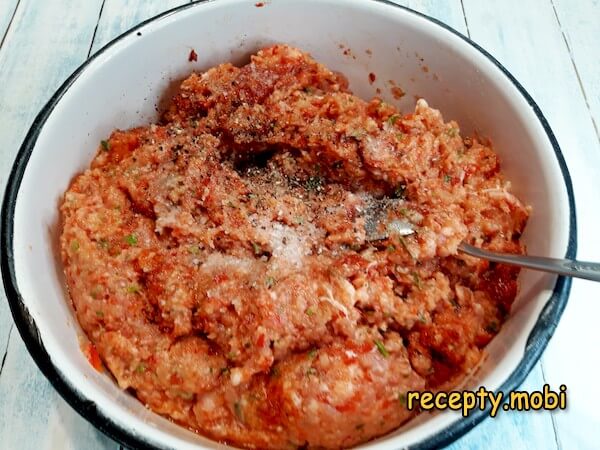
After mixing, I balance the flavour with salt and black pepper, judging the amount to taste. You can taste a little of the raw mixture on the tip of a finger — I always use mince from a trusted source.
To make the filling juicy and easy to spread on the flatbread, I add the water to the mince and mix well. The consistency should be slightly loose and stretchy — a spread like this is not dry in the finished dish and soaks the thin dough with its juices.
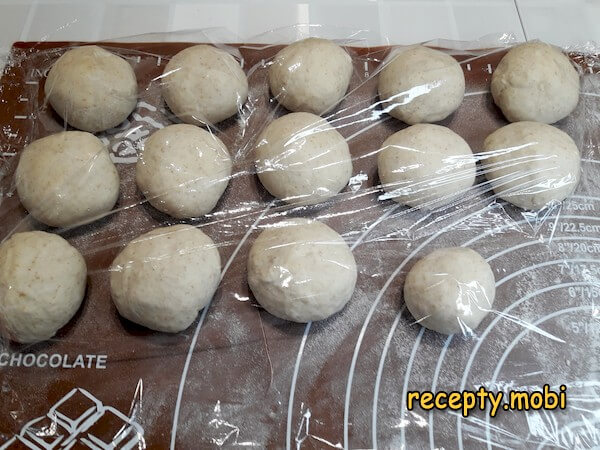
Now it is time to take out the rested dough. I knead it gently and divide it into pieces the size of a large walnut — you need to go by the diameter of the pan in which the lahmajun will be baked. I roll the pieces into balls, cover them with film, and leave them to rest for 5–10 minutes.
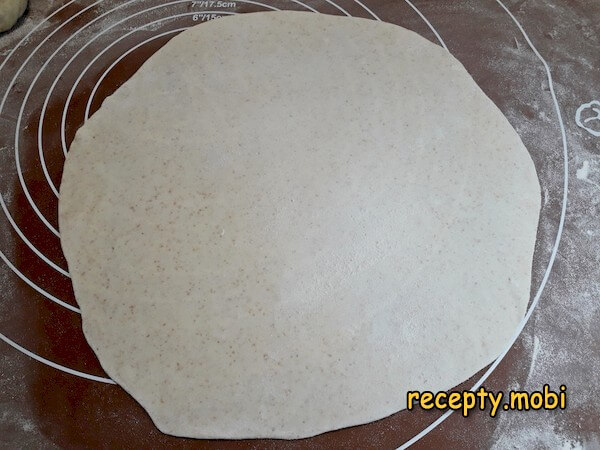
Next I dust the work surface with flour and roll the ball out thinly. The diameter of the round should roughly match the diameter of the pan, and the thickness should be 1–1.5 millimetres. The thinner the round, the more tender and soft the lahmajun.
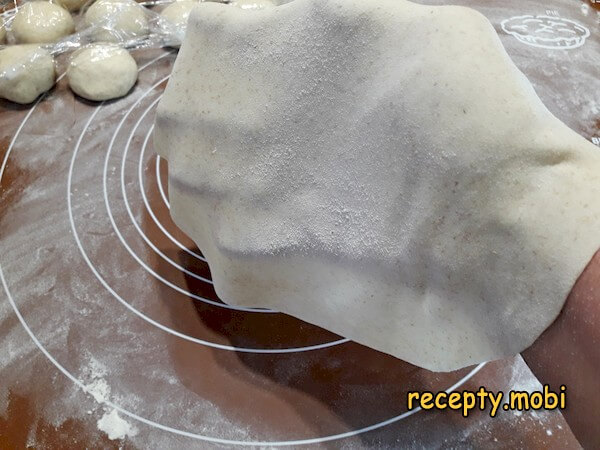
I take the round in my hands and shake off the excess flour so it does not burn in the pan — burnt flour gives a bitterness that would spoil the taste of the finished lahmajun.
I lay the round on parchment or a board. I cover the top with filling — about one and a half tablespoons — spreading it over the whole surface but stopping 1–2 centimetres short of the edge. The bare edges are needed so they dry out and turn crisp.
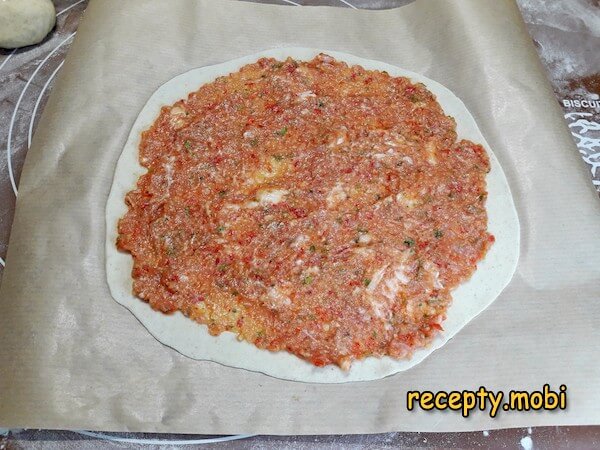
I heat a dry frying pan well, then set the burner to medium. I slide the round off the parchment into the pan — the flatbread slips smoothly off the baking paper without deforming. This is the "secret" to a tidy result: there is no way to move a topped round with bare hands.
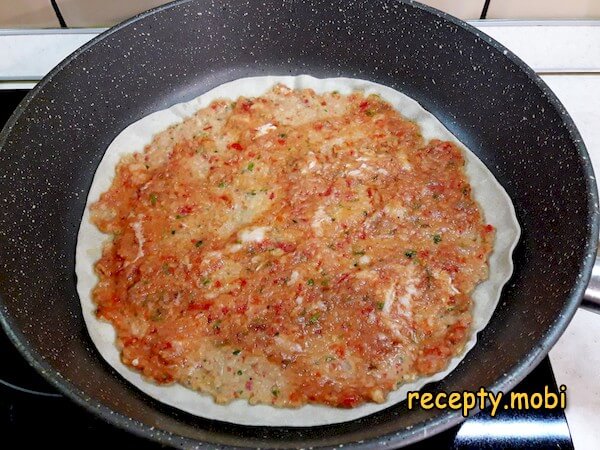
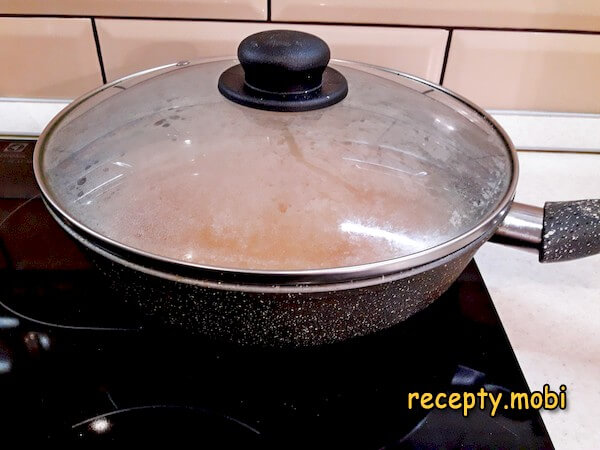
I bake the round under a lid for about 3 minutes — the thinner it is, the faster it cooks through. The lid is needed so the steam rises and bakes the top with the meat spread at the same time as the bottom.
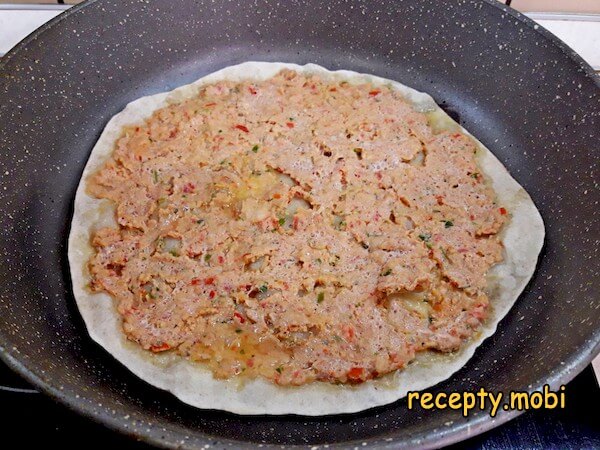
Then I take the lid off and dry the round for 2 minutes — with the lid off the excess steam escapes, and the top of the spread caramelises slightly and becomes richer in flavour.
I stack the finished pieces one on top of another — that way they stay warm and soft for longer. You can put fresh herbs and a pickled cucumber in the middle and roll the flatbread into a tube — this is the "on-the-go" way to serve it.
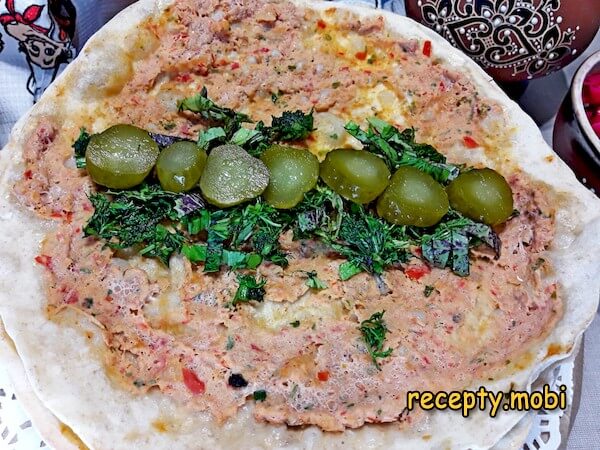
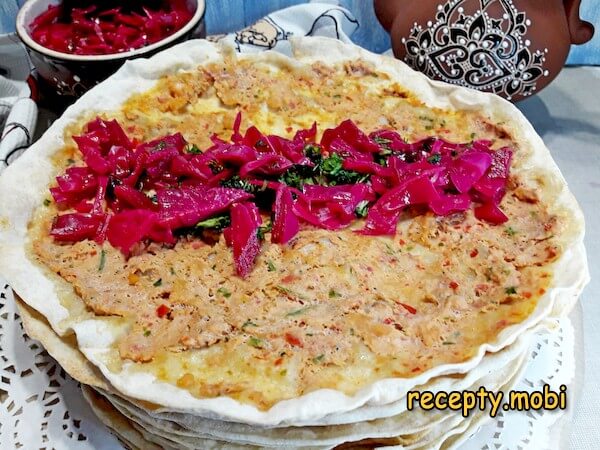
You can vary the flavour by tucking sauerkraut with herbs inside — that is a matter of taste. But even with no addition at all these flatbreads are wonderfully tasty and can be eaten with nothing on top.Lahmajun Armenian style should be eaten hot. Thanks to the thin dough and soft structure, the flatbreads roll easily into a tube with crisp edges. Traditionally this hearty snack is served with sour dairy products — mainly matsoni and tan. If you cannot find them in the shop, you can make something similar by mixing equal parts kefir and water, then adding salt and stirring.


Tips
- 1
Water in the mince is the "secret" to a juicy spread. Without the 90 ml of water, the mince turns out dense and dry — during baking it dries out and cracks, and the dough stays pale. A slightly loose, stretchy spread made with the water gives a juicy, well-soaked finished lahmajun: the dough absorbs the meat juices and becomes fragrant.
- 2
Parchment for the transfer is the "secret" to a tidy result. A thin round with a loose filling cannot be moved by hand — it deforms instantly or the filling slides off. I roll it out right on the parchment and slide it from there onto the hot pan, so the round keeps a perfect round shape. The same trick works for flammkuchen and other thin flatbreads.
- 3
A dry pan is the "secret" to authenticity. Armenian lahmajun is traditionally baked on a dry, very hot pan or in a stone oven — no oil at all. This gives the characteristic "charred" spots on the crust and dries the edges to a light crispness, keeping the central part soft and pliable for rolling into a tube.
- 4
A version on the pan is the "secret" to a quick supper. If you want something similar but simpler, there is an excellent alternative — pan pizza with mayonnaise and no sour cream. The principle is the same: flatbread plus spread plus a pan without an oven, but the technique is simpler and the time shorter. Perfect for a weeknight supper.
FAQ
How is lahmajun different from pizza? +
The main difference is the dough and the cooking method. Lahmajun is made from unleavened, yeast-free dough rolled very thin (1–1.5 mm) and baked on a dry, very hot pan or in a stone oven without a drop of oil. Italian pizza uses yeast dough, is thicker, and is baked in an oven. The lahmajun spread is a meat-and-vegetable one in a very thin layer, with no cheese or sauces. The finished lahmajun is soft and pliable and rolls easily into a tube, unlike crisp Italian pizza. In principle it is closer to Turkish lahmacun.
Can the pork be replaced with another meat? +
Yes. The classic Armenian lahmajun uses lamb with tail fat added — that is the most fragrant version. Pork is a convenient substitute that gives a juicy, rich spread. Beef is denser and leaner and needs vegetable oil or sour cream added for juiciness. Chicken or turkey mince is the most diet-friendly option, but less authentic. You can make blends: beef and pork 1:1, or lamb and beef 1:1, to balance flavour and richness.
How long does finished lahmajun keep? +
Lahmajun is best eaten fresh and hot — then the dough is soft and the filling juicy. After 30–40 minutes the dough cools and becomes denser, but it is still tasty. The next day in the fridge the flatbreads dry out — before serving, reheat them in the microwave under a damp paper towel for 30–40 seconds, or on a dry pan under a lid for 1–2 minutes on each side. I do not recommend freezing finished lahmajun — the dough turns rubbery after thawing.
What to serve with lahmajun Armenian style? +
Traditionally lahmajun is served with sour dairy drinks — matsoni, tan, ayran. If you do not have them, you can mix equal parts kefir and mineral water, add a pinch of salt and chopped dill. From vegetables: fresh tomatoes, cucumbers, lettuce leaves, pickled cucumbers, sauerkraut with cranberries. Fresh herbs are a must: a bunch of cilantro, parsley, basil, spring onion. As for sauces, a garlic sauce on a kefir base, tkemali, adjika, or a hot red sauce all go well.
- Comment
or post as a guest
Be the first to comment.