avg —
Revani – Turkish Semolina Cake

Instructions
In a large bowl, thoroughly mix all the dry ingredients: flour (2 cups), semolina (9 tbsp), regular sugar (7 tbsp) and vanilla sugar (10 g), a pinch of salt and baking powder (15 g). Mixing the dry components first ensures the baking powder is distributed evenly – without this, part of the cake will rise while part stays dense.
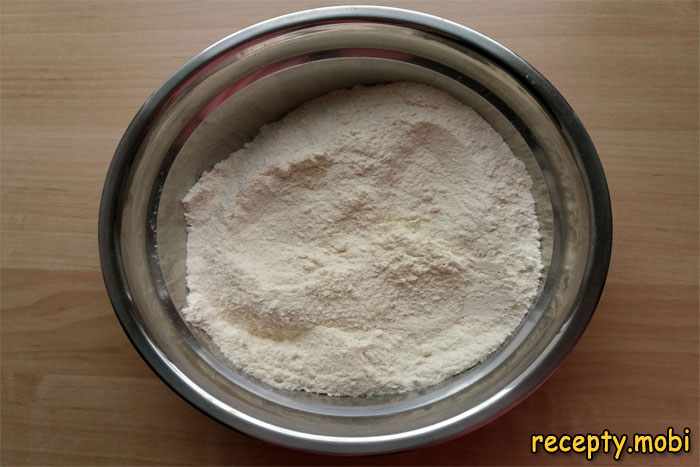
Add 1 cup of room-temperature milk, ½ cup of natural yogurt and 3 eggs to the dry mix, and whisk thoroughly until smooth. All the dairy components should be at room temperature – cold ones create lumps. The yogurt and milk make the batter tender, while the eggs bind the mixture together.
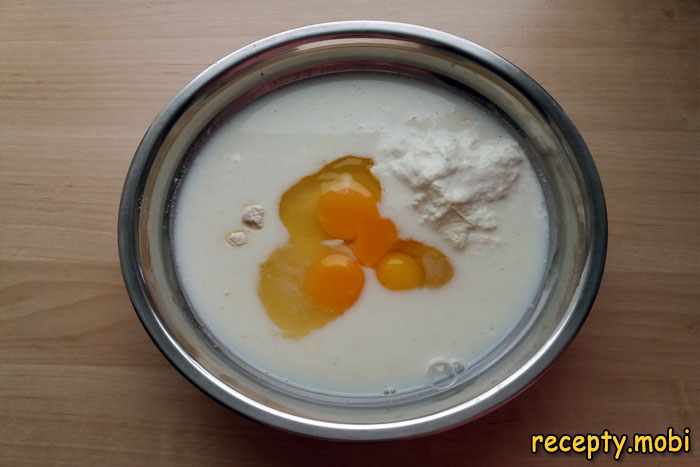
The finished batter should be about as thick as 20% sour cream – too thick and it will not soak up the syrup, too thin and it will not rise. Leave the batter for 10 minutes so the semolina can swell and absorb the moisture – this step is critically important for the right revani texture.
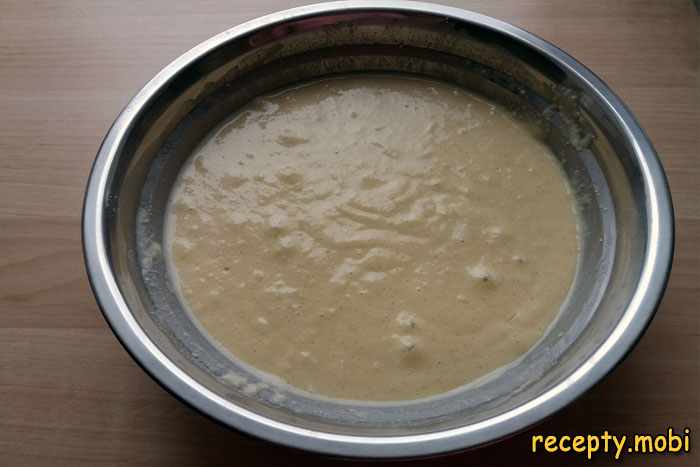
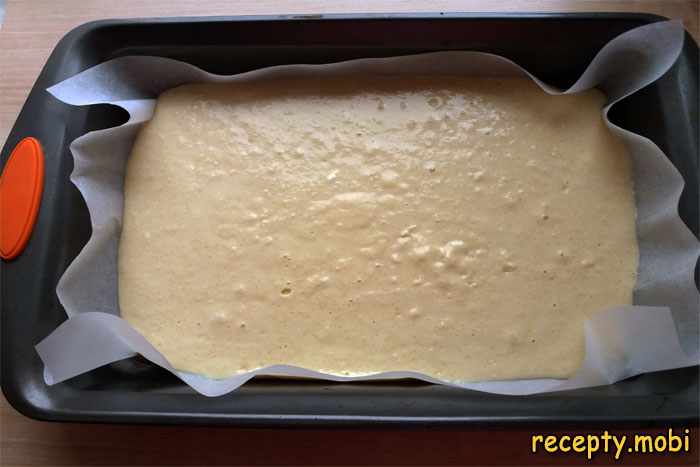
Pour the batter into a 20×25 cm pan lined with parchment paper and bake in an oven preheated to 150 °C for 40–50 minutes, until golden brown on top. The low temperature lets the cake bake through evenly without forming a thick crust – this way the syrup soaks all the way through. Check for doneness with a toothpick.
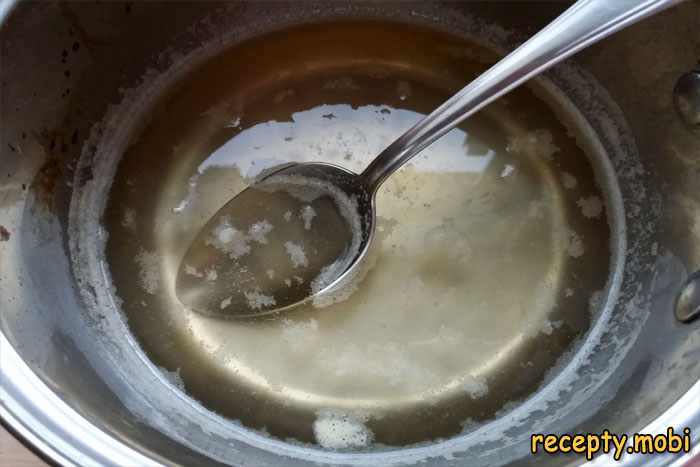
Prepare the syrup: in a saucepan, combine the juice of 1 lemon, 1 cup of sugar and 1.5–2 cups of water. Bring to the boil over low heat, then cook for another 15 minutes, stirring constantly – the syrup should become slightly thick. Let it cool completely – hot syrup on a hot cake soaks in unevenly.
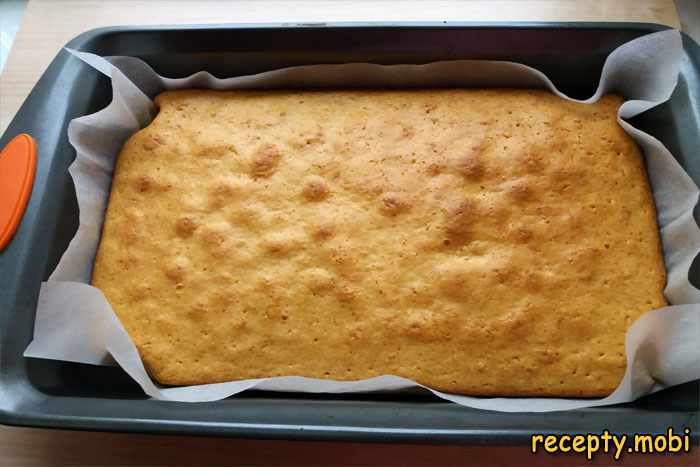
Take the browned cake out of the oven and leave it in the pan – do not remove it straight away or it may fall apart. The top should be golden-brown and the inside fully baked.
Cut the hot cake into portions crosswise, into diamonds or squares – this cut is traditional for revani and helps the syrup penetrate deeper. Pour the cooled lemon syrup evenly over the whole surface. Leave it to soak for at least 1 hour, ideally 2–3 – in that time the crumb will absorb all the liquid.
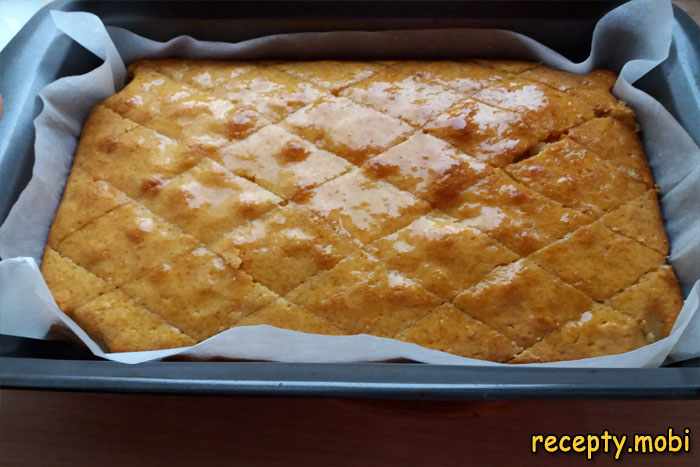
Decorate the top with coconut flakes or ground walnuts – this is the classic Turkish way to serve it. Coconut goes perfectly with the lemon-and-semolina flavour and gives an attractive white contrast against the golden cake.
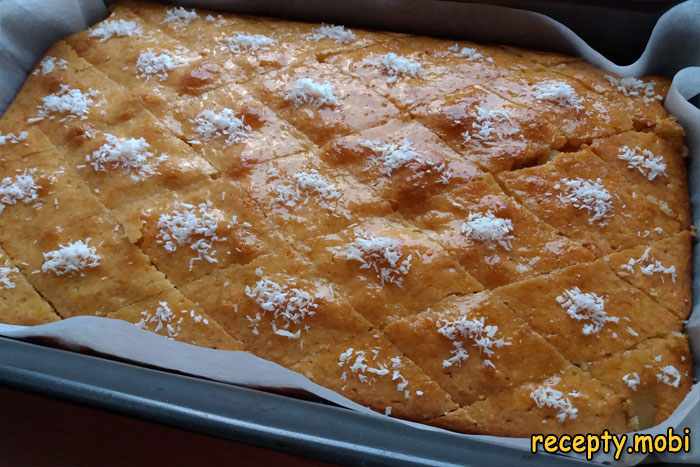
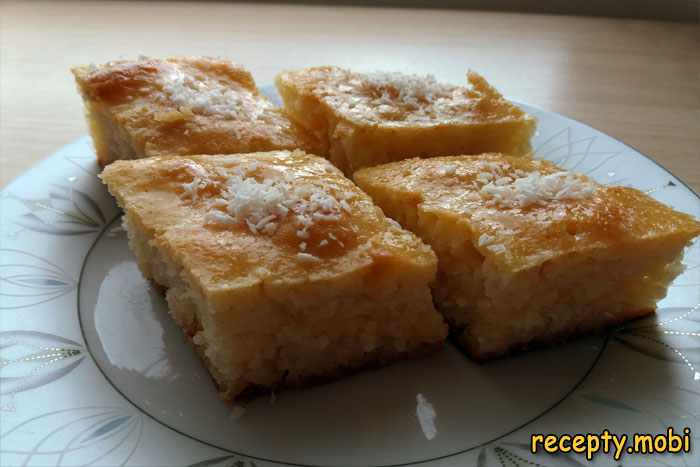
Homemade revani, the Turkish semolina cake, is ready! Serve it chilled with Turkish tea or coffee. Store any leftovers in the refrigerator under cling film for up to 5 days – the cake gets even tastier over time, as the syrup penetrates deeper.


Tips
- 1
The syrup should be cooled and the cake hot – this way the soaking is even and as deep as possible. If you do it the other way round, the syrup will only wet the surface.
- 2
The yogurt can be replaced with the same amount of milk, kefir or 15% sour cream – the taste will change only slightly, while the texture stays tender. Plain natural yogurt with no additives works best.
- 3
Cut the homemade cake crosswise before pouring on the syrup – this way it soaks twice as fast and more evenly. Through the cuts the syrup gets into the crumb and reaches the bottom.
- 4
The longer the revani soaks, the tastier it is. Ideally, leave the cake overnight in the refrigerator under cling film – by morning it will have the perfect texture and a rich lemon flavour.
FAQ
Why did my revani turn out dry inside? +
The main reasons are: too little syrup (there should be at least 400 ml for a 20×25 cm pan), too short a soak (a minimum of 1 hour, ideally 2–3), or the cake not being cut before pouring on the syrup (a whole piece absorbs syrup poorly). The fix: make another batch of syrup (½ cup of sugar + the juice of half a lemon + ¾ cup of water), cut the cake deeper and pour it over again. After an hour it will become juicy.
Can I replace the semolina with flour in revani? +
No, semolina is the key ingredient of this Turkish dessert and cannot be replaced by anything without losing its authenticity. It is the semolina that gives the distinctive grainy texture, which soaks up the syrup and makes the cake juicy. If you replace it with flour, you will get an ordinary sponge with lemon syrup that quickly falls apart while soaking. Real revani should have a dense, grainy structure.
How long does the Turkish semolina cake revani keep? +
In the refrigerator under cling film, revani keeps for up to 5 days without any loss of quality – on the contrary, it gets tastier every day, as the syrup keeps soaking into the crumb. At room temperature its shelf life is 1–2 days. I do not recommend freezing it – the syrup will separate when thawed and the texture will suffer. Before serving, warm it slightly in the microwave for 15 seconds.
What can I use instead of lemon in the syrup for revani? +
The classic option is orange: take the juice of 1 orange + the juice of ½ lemon for acidity, and you get a sweeter version. Turks also use rose water (2 tbsp per cup of syrup) – this is an authentic Eastern aroma. For a vivid flavour, try pomegranate syrup or reduced pomegranate juice. Some cooks add 2 cardamom pods while cooking the syrup – this makes a homemade version with a spicy note.
- Comment
or post as a guest
Be the first to comment.