avg —
Patties with Rice and Chicken Liver

Instructions
Chicken liver is ideal for a patty filling. If you are looking for a substitute, choose poultry – turkey, for example – rather than beef or pork.
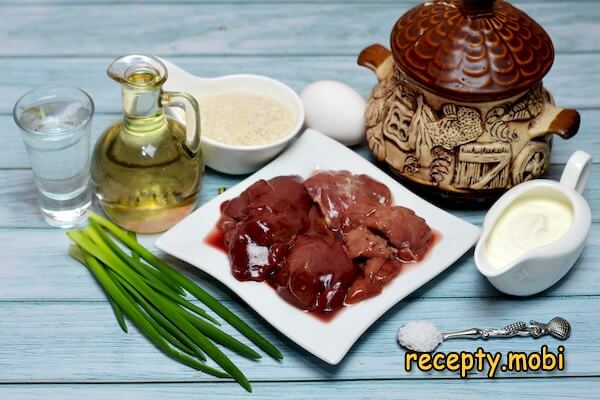
Sift the wheat flour. After that, weigh it and tip it into a deep bowl.
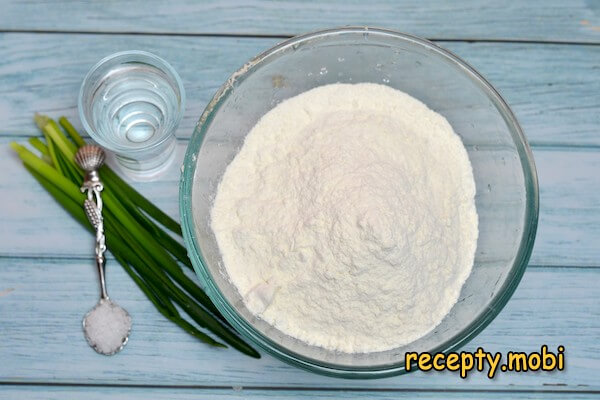
Add the baking powder and sea salt.
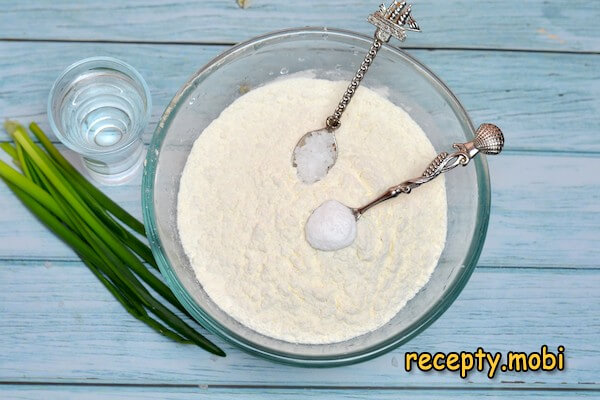
Pour in the fatty sour cream.
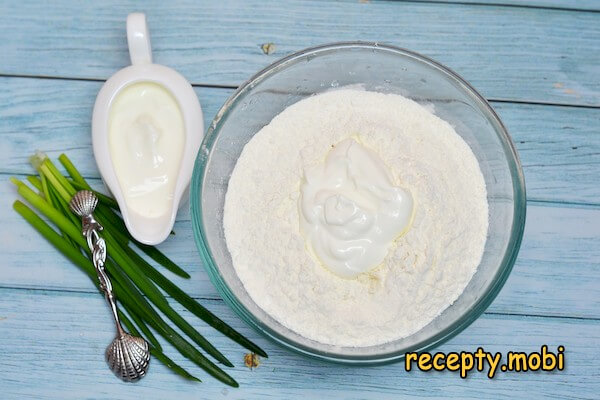
Add the water and vegetable oil.

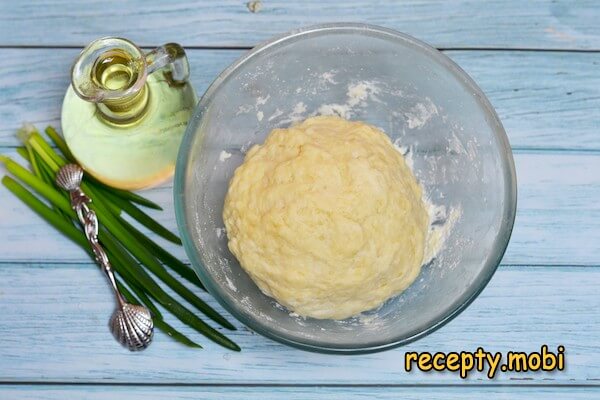
Knead the dough, let it rest for about 15 minutes, then start shaping. You can make the dough ahead – wrapped in cling film, it keeps in the fridge for a day.
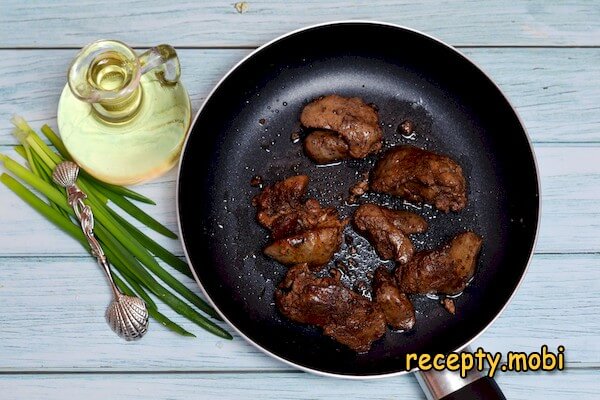
Fry the chicken liver in a pan for 10 minutes, salting it in the last few minutes.
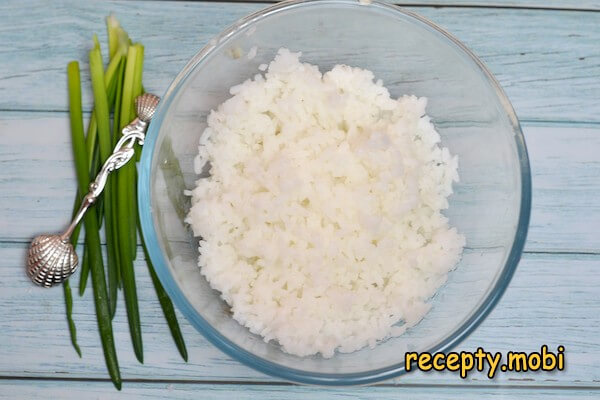
Rinse the rice a few times in cold water beforehand – the water draining off should run clear. Add the grain to boiling water. White rice for the filling takes 15–20 minutes to cook, depending on the variety.
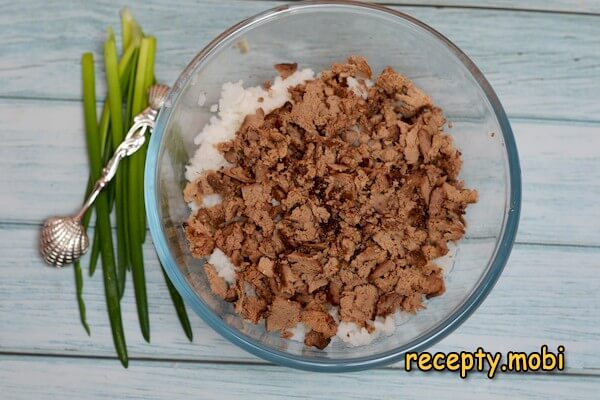
You can grate the fried liver, mash it with a fork, or chop it finely. Mix the prepared liver with the rice.
Add the chopped egg.
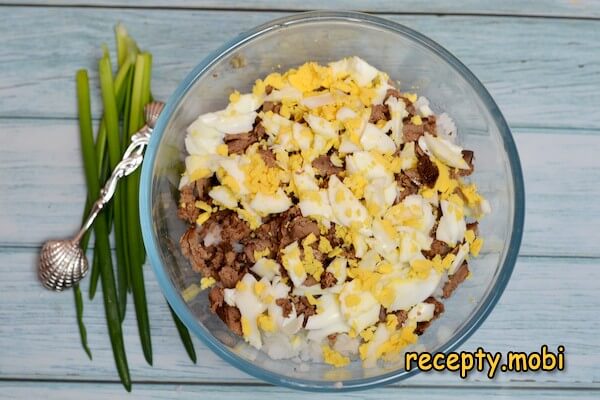
Finely chop the green onion and tip it into the bowl with the filling. Mix everything well.

When rolling out the patties, you don't have to aim for perfectly even rounds. It doesn't really matter if the seam gathers up into pleats. But all the rounds should be very, very thin.
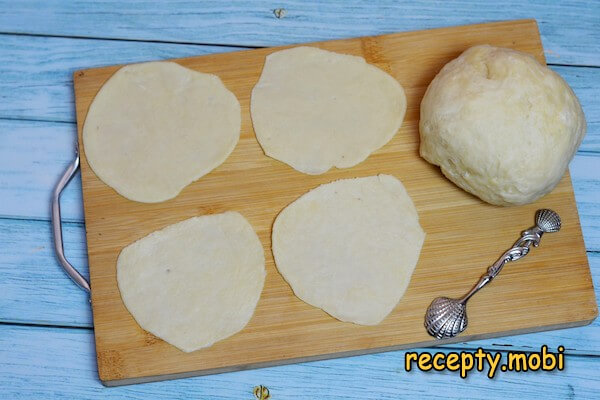
Spoon out the filling. The patties will be small but plump.
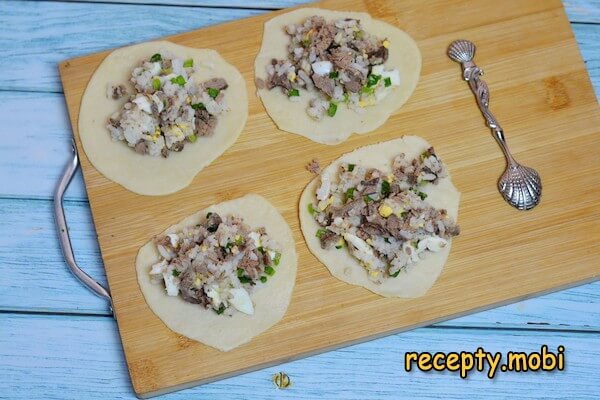
Join the edges to form a pleated seam. Transfer the patties to a dry baking sheet.

Preheat the oven to 180 degrees; the patties will bake for 25 minutes.

The hot patties with rice and liver traditionally cool on a rack, and then I arrange them on plates.Bon appétit!



Tips
- 1
THIN ROLLING is the key to good patties. Thick dough turns out "bun-like" rather than patty-like.
- 2
15 MINUTES OF REST FOR THE DOUGH – the gluten "matures", the dough becomes more pliable and easier to shape.
- 3
A PLEATED SEAM – gathered rather than smooth. This way the patties look prettier and won't come apart while baking.
- 4
180 °C IS THE SWEET SPOT. Hotter and they scorch on the outside while staying raw inside; cooler and they come out "pale". The same principle works for other kinds of yeast-free patties.
FAQ
Can I substitute the chicken liver? +
Alternatives include turkey liver (similar, a little firmer), rabbit liver (lean), and duck liver (rich). Beef and pork liver are less successful (tougher, with a stronger flavour). Fresh liver is springy and dark burgundy, with no grey film. Soaking it in milk for 30 minutes will take away any "off" taste. Remove the membranes and ducts, as they turn bitter. Fry it for 10 minutes in a well-heated pan and it will turn tender. Overcook it and it goes dry; undercook it and it is bloody. For a "children's" version, use turkey liver (milder than chicken).
Which flour should I choose? +
Plain white wheat flour is ideal (the classic choice for patties). Alternatives are first-grade flour (more wholesome, but a denser dough), wholemeal (coarser), or a 70/30 mix of wheat and rye (darker patties). Sift it once or twice and the dough will be airy. Check freshness by smell – the flour should not smell musty. For a lean version, leave out the sour cream and replace it with water 1:1. The ratio of flour to liquid is strict (300 g to 110 ml), otherwise the dough will be too slack.
How long do the patties keep? +
In a lidded container at room temperature, 24 hours. In the fridge, 3–4 days. Reheat in the microwave for 15–20 seconds (under a damp tea towel), or for 5–7 minutes in a 150 °C oven to bring back the crisp crust. In the freezer, up to 1 month (wrap each one separately in film). Thaw for 1–2 hours at room temperature. The patties are at their best in the first 2–3 hours after baking. For a "packed lunch", wrap them in foil – they are easy to carry. Don't leave them in a warm place for longer than a day, as a filling with egg and liver spoils.
What to serve the patties with? +
As a snack on their own – with a cup of broth or soup. With strong tea or coffee. With tomato juice (a classic pairing). Alongside borscht or shchi – in place of bread. For a picnic – in a container or foil, easy to carry. With kefir or fermented baked milk for a "country-style" serving. For an "office lunch" – with a salad of fresh vegetables. For a "family dinner" – with vegetable soup and fresh herbs. They are an all-purpose bake for snacks and full meals alike.
- Comment
or post as a guest
Be the first to comment.