avg —
Orange-Chocolate Pie

Instructions
This is the set of products you need for the dough. The oranges give the pie their aroma. If you take Sicilian oranges, the dough will also acquire a lovely reddish colour.
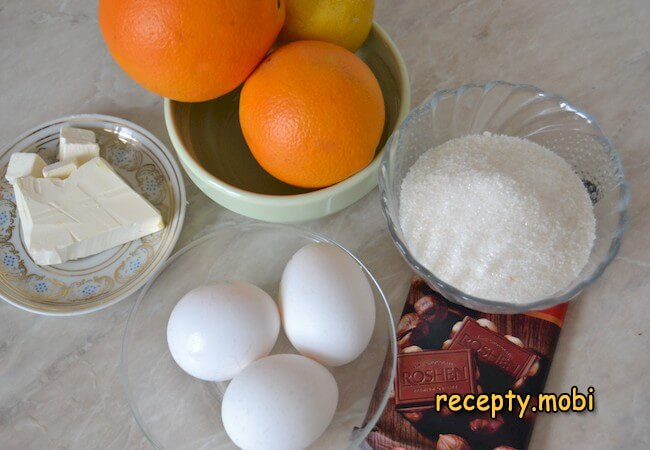
And these are the ingredients for the filling.
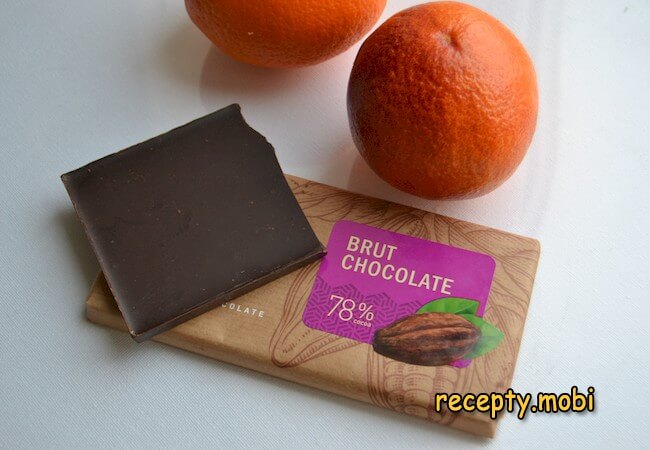
I start with the filling. I wash the oranges, pour boiling water over them and remove the zest with the fine, spiky holes of a grater.
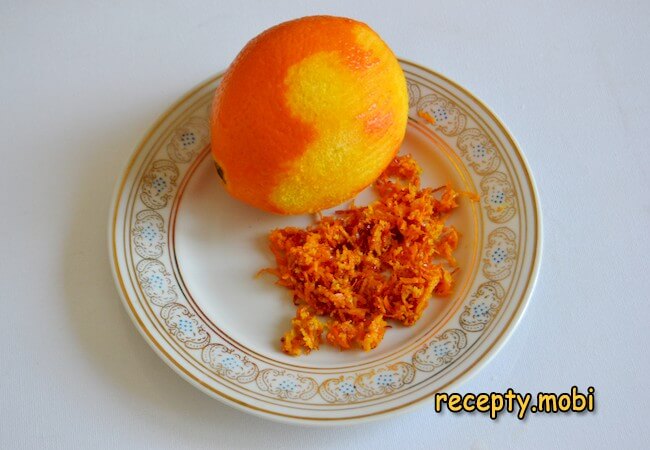
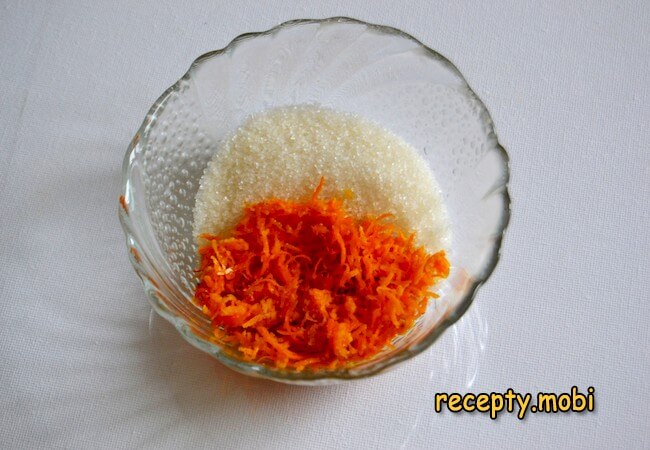
I take 2 tablespoons of sugar from the 140 g set aside for the filling and mix it in a small bowl with the zest – so the sugar takes on a citrus aroma.
I squeeze the juice from the oranges and the lemon and mix them – I get 150 ml of citrus juice. In a separate container I crack the raw eggs and add the rest of the sugar set aside for the filling. I mix gently, but do not whisk. I add the zest with sugar and pour in the citrus juice. I mix the ingredients and leave it on the table for 30 minutes.

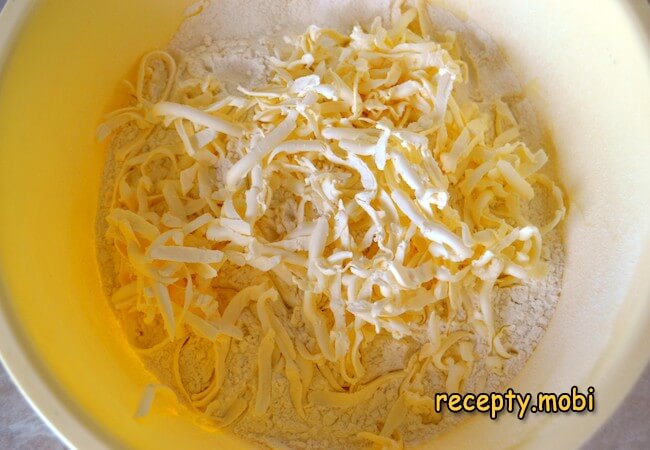
I make the shortcrust dough. I sift the flour and mix it with the 50 g of sugar. I chop the cold butter with a knife straight into the bowl with the flour. Into the flour with the chopped butter I beat in 1 egg and pour in the milk. I knead the dough very quickly, so that the butter does not melt from the warmth of my hands.
I roll the dough into a ball, wrap it in plastic and put it in the fridge for 15 minutes.
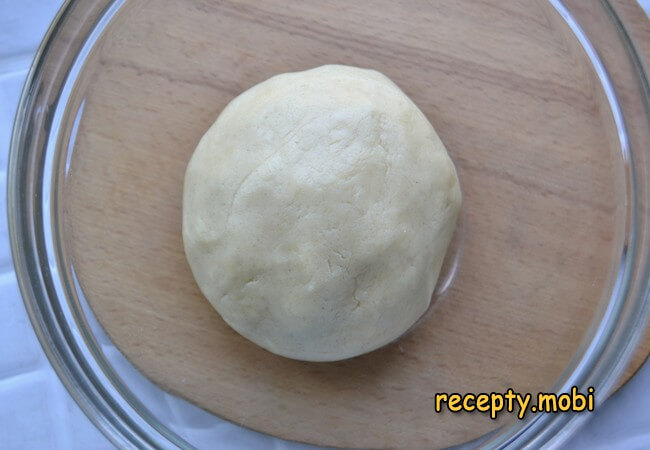
I dust the table with flour and roll the dough into a sheet a little larger than the size of the tin. I spread the sheet over the tin, forming the sides. On top I line it with parchment.
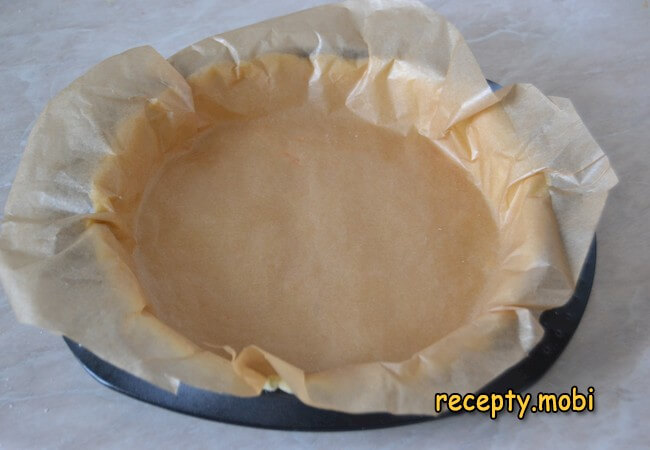
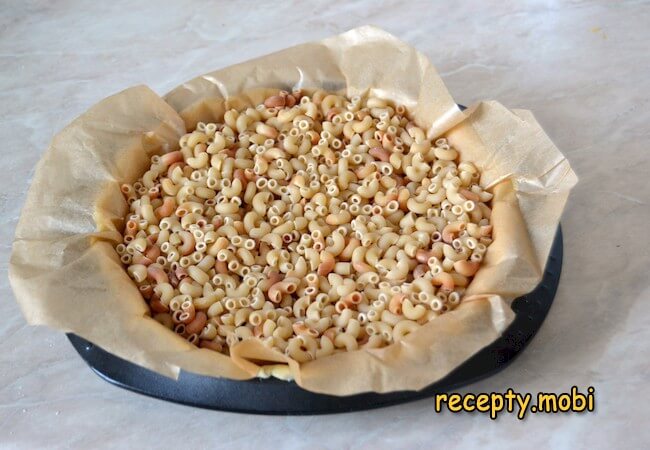
On the parchment I place a weight: beans, peas or small pasta – so the thin dough does not puff up and bakes into a basket shape. I bake it with the weight for 15 minutes in the oven at 200 degrees.
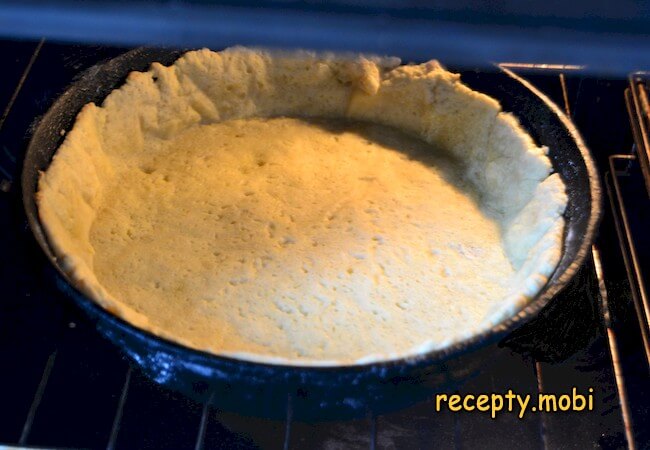
I remove the parchment with the weight and dry the base in the oven for another 5 minutes. I take it out and let it cool without removing it from the tin.
I strain the egg mixture with the juice and orange zest. Separately, in a water bath, I melt the chocolate with the butter and let it cool. I combine the egg-orange mixture with the chocolate melted with butter.
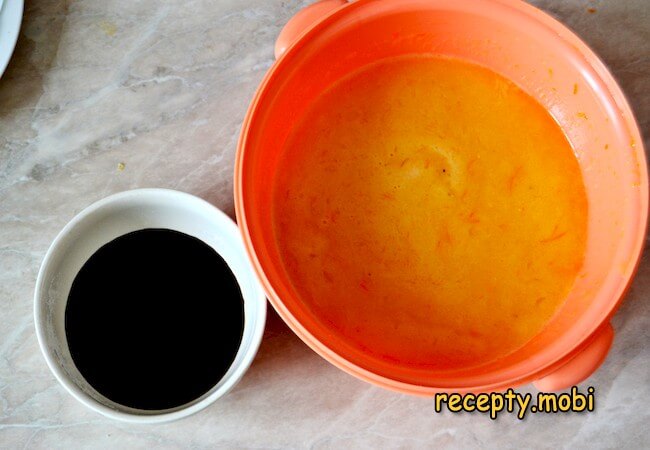
I mix the chocolate and the egg-orange mixtures together, and pour it into the baked base. I carefully place it in the preheated oven – I bake the pie for 30 minutes at 170 degrees.
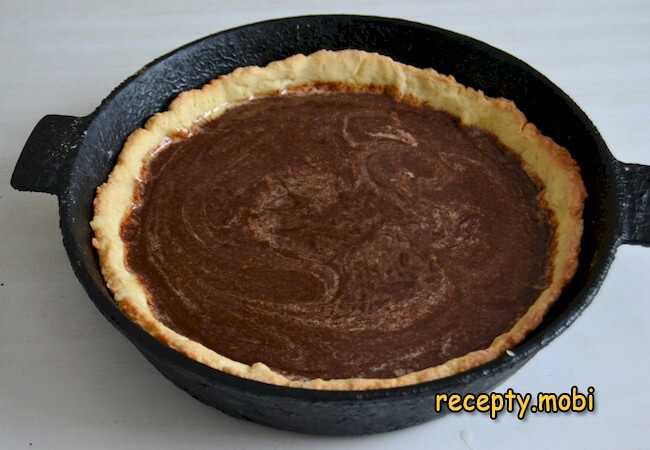
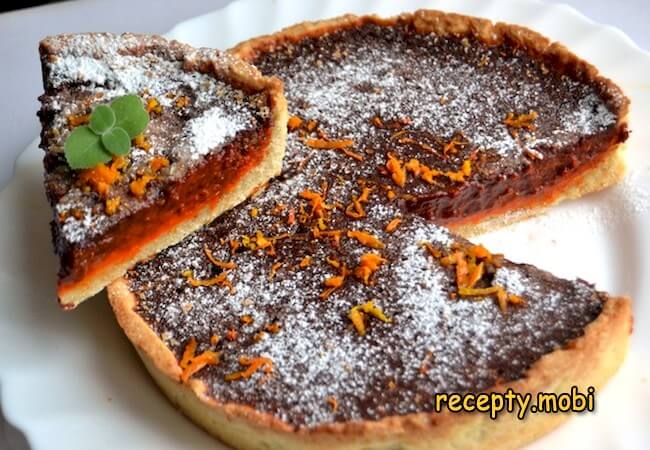
I take the orange-chocolate pie out of the oven and leave it to cool right in the tin. At first the filling looks like jelly, but as it cools it sets firm. I decorate it with powdered sugar and citrus zest. I cut it only when it has cooled completely. It looks beautiful when cut: during baking the chocolate-orange mixture separates – chocolate with butter is lighter than orange juice, so you end up with two layers.Bon appétit!


Tips
- 1
SUGAR WITH ZEST IN ADVANCE – this is a must. The sugar absorbs the essential oils of the citrus, and the whole pie will "breathe" with orange aroma.
- 2
DOUGH WITH A WEIGHT – the key to an even basket. Without the weight the dough will puff up into bubbles, and the filling will leak through the uneven spots.
- 3
CHOCOLATE AT LEAST 75% COCOA – it gives a "grown-up" bitterness to balance the citrus sweetness. Milk chocolate will "drown" in the orange.
- 4
THE SEPARATION IS NATURAL. Do not try to "help" it; carefully pour in the chocolate-orange mixture and do not stir it in the base. The same principle works in other pies with a liquid filling.
FAQ
Which oranges should I choose? +
Ideally, Sicilian "blood" oranges ("Tarocco", "Moro"): their reddish flesh gives the filling a beautiful colour. Alternatives: ordinary "Valencia" or "Navel" oranges – a classic, with brighter aroma. Mandarins make a sweeter, more "festive" version. Grapefruit gives a bitter-sweet effect. Choose firm fruit that is heavy for its size and has a thin skin – they hold more juice. Avoid "tough", dry oranges – they give little juice and bitter zest. Before removing the zest, pour boiling water over the oranges – this washes the wax off the surface.
Which chocolate should I choose? +
At least 75% cocoa – this is essential for balance with the citrus. "Lindt 85%", "Babaevsky Elite 75%" and "Valrhona Guanaja 70%" are quality options. Check the composition: cocoa butter at the start of the list, with no vegetable fat substitutes. Milk chocolate (30-40%) will not work – it will turn out too sweet. "White" chocolate is conceptually a different pie. For a "premium" version, use professional "Callebaut" or "Valrhona" chocolate. A budget option is dark "Zolotaya Marka" or "Rossiya – Shchedraya Dusha". For a "grandmother's" version, use a bar of "Babaevsky" dark chocolate.
How long does the pie keep? +
At room temperature in a closed container – 2 days. In the fridge in a container – 4 days. The citrus filling is a "milk-and-egg" one and does not keep long. The next day the flavour is brighter – all the aromas "come together". In the freezer – up to 2 weeks, wrapped in plastic in portions, but the filling is poorer in quality after thawing. For "freshness", sprinkle a little lemon juice on top or cover it with plastic. There is no need to reheat it – it is better to take it out of the fridge 20 minutes before serving. Make it 1-2 days ahead; the pie is at its "star" best freshly baked, after a day or two.
What to serve the pie with? +
The classics: with black tea (Earl Grey with bergamot is ideal), green or white tea. With espresso coffee – the bitterness pairs with the chocolate. With a scoop of vanilla ice cream – the contrast of "warm pie + cold scoop". With a glass of dessert wine (Muscat, Sauternes) or orange Cointreau liqueur. Garnish with a thin slice of orange on each piece – for the look. With a sprig of mint – for freshness. For a "romantic" presentation, add drops of chocolate sauce on the plate. For a festive table – as an alternative to a classic cake. Portions of 80-100 g (the pie is rich).
- Comment
or post as a guest
Be the first to comment.