avg —
Lenten pies with cabbage fried in a pan

Instructions
I make the lenten dough on a sponge – this is what makes the pies especially fluffy. Pour 250 ml of warm water (about 38°C – pleasantly warm to the touch) into a deep bowl. Crumble the fresh yeast (25 g) into small pieces and dissolve it in the water. Fresh yeast works faster than dry and gives a better result.
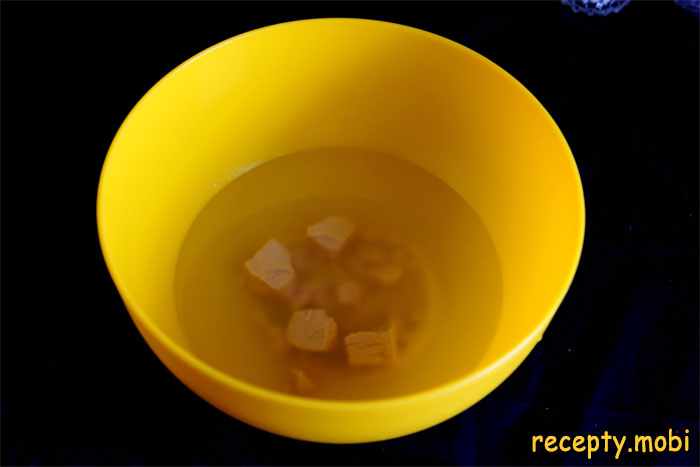
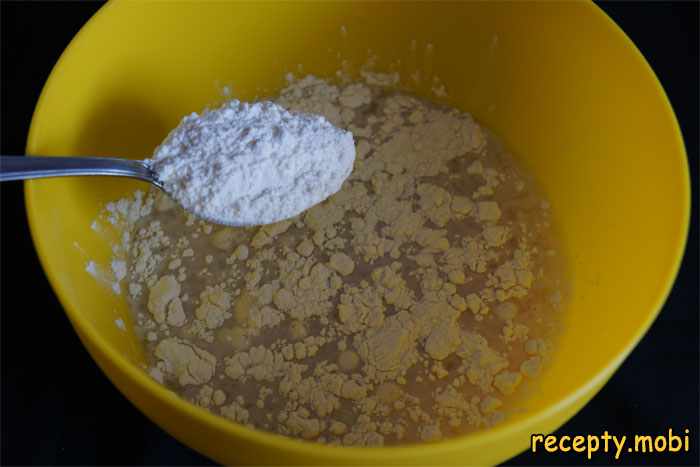
Add the sugar (1 tbsp) to activate the yeast, then stir in 3–4 tablespoons of flour and mix until smooth. Place the bowl with the sponge in a warm place – yeast works actively at a temperature of around 30°C.
In the warmth, the sponge increases 2–3 times in volume in about 20 minutes. This means the yeast is active and the dough will turn out fluffy. If the sponge does not rise, the yeast is not fresh and you need to use new yeast.
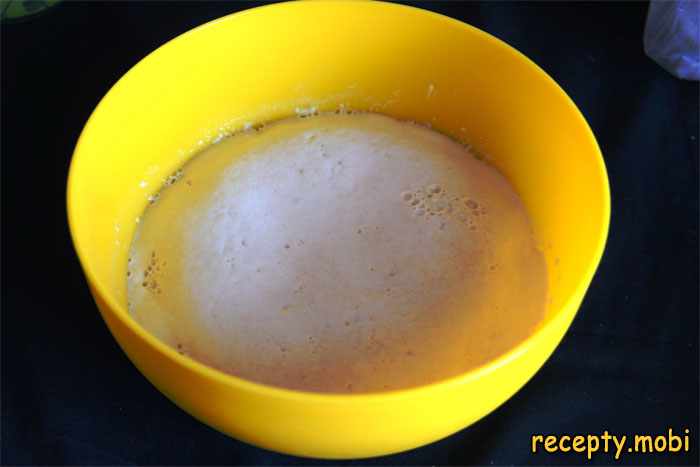
When the sponge has risen well, add the salt (2 tsp, flat). I add the salt only after the sponge has risen, because it slows down the work of the yeast.
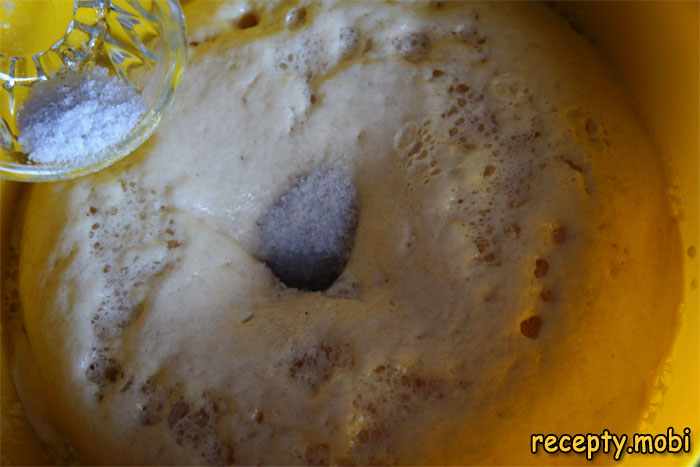
Pour in the remaining warm water (125 ml) and mix. It is important not to use hot water – at temperatures above 45°C the yeast dies.
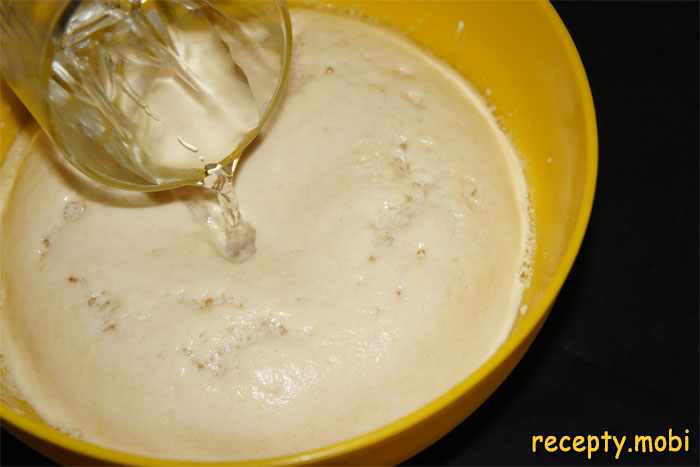
Sift the flour and add it in portions, stirring with a spoon. Sifting enriches the flour with oxygen, which makes the dough more airy.
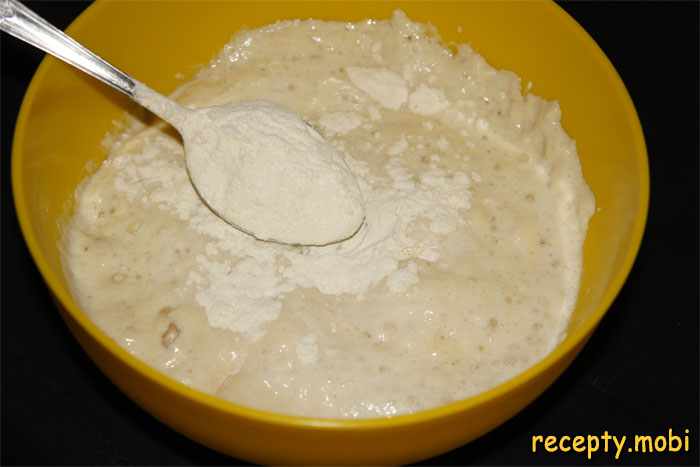
While kneading, pour in the vegetable oil (100 ml). Knead the dough by hand, gradually adding flour, until the dough becomes soft, elastic and no longer sticks to your hands. It is important not to add too much flour – the dough should stay soft, not tough.
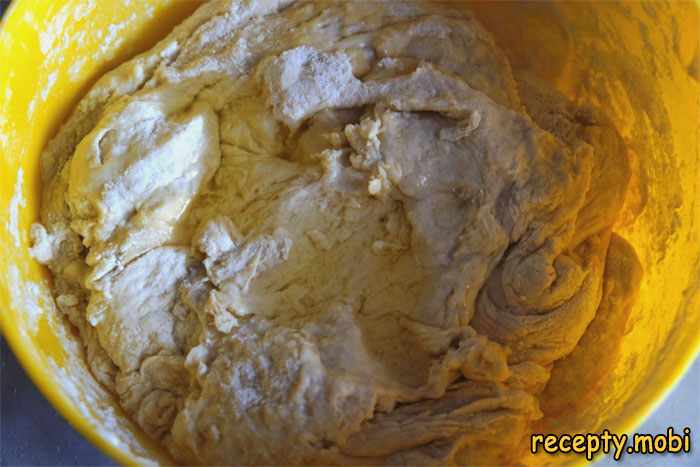
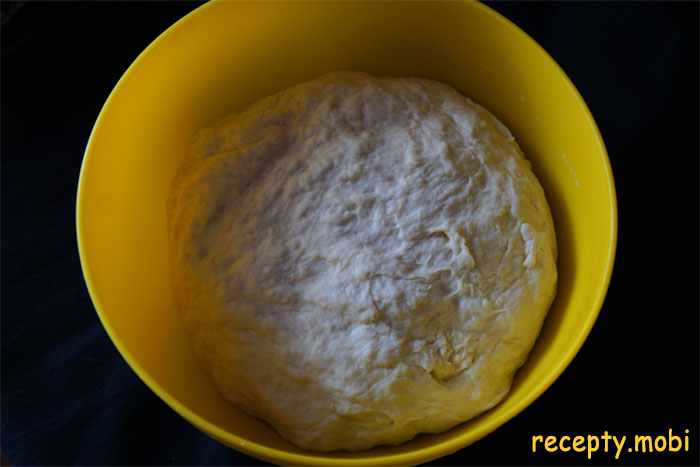
Cover the kneaded dough with a clean towel and place it in a warm place for 30–40 minutes. During this time the dough will increase 1.5–2 times in volume.
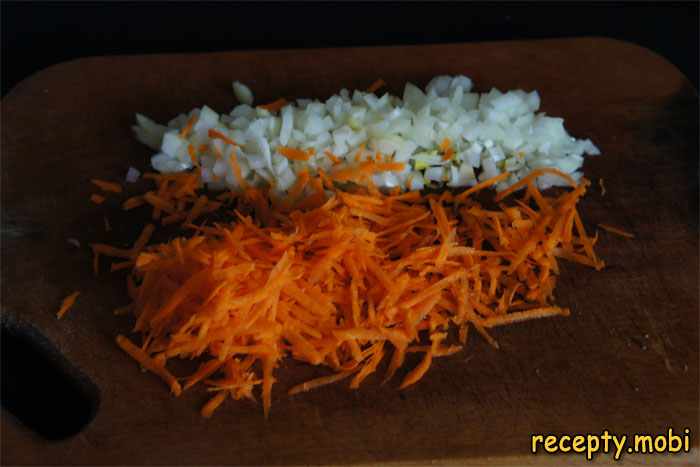
While the dough is rising, prepare the filling. Peel the onion and carrot and cut them into small cubes – a fine cut lets the vegetables spread evenly through the filling.
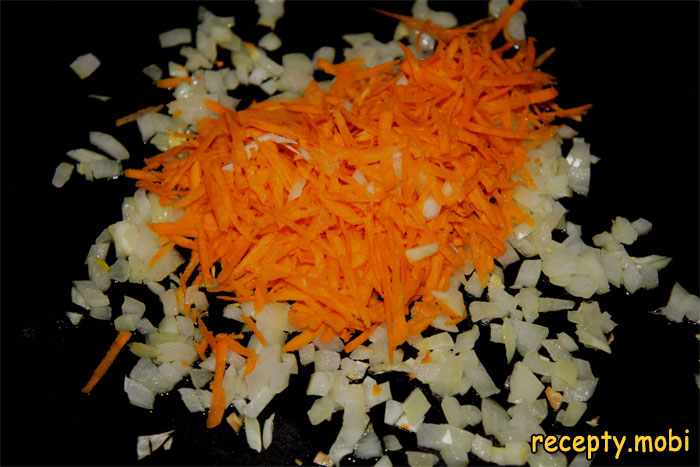
In a frying pan with vegetable oil, first sauté the onion until translucent – it releases moisture and becomes sweet. Then add the carrot and fry together for another 3–4 minutes.
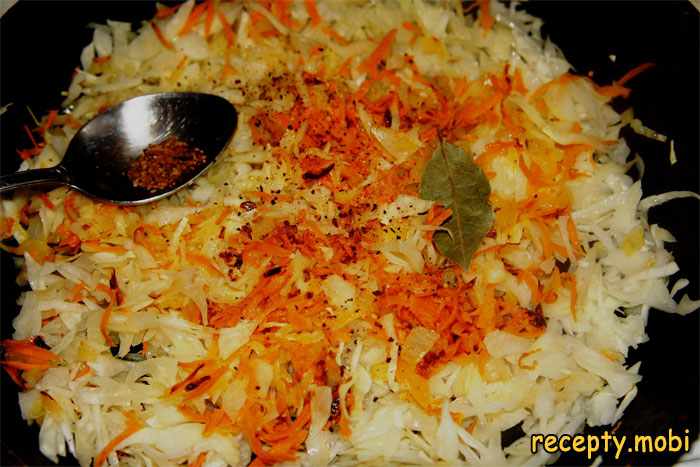
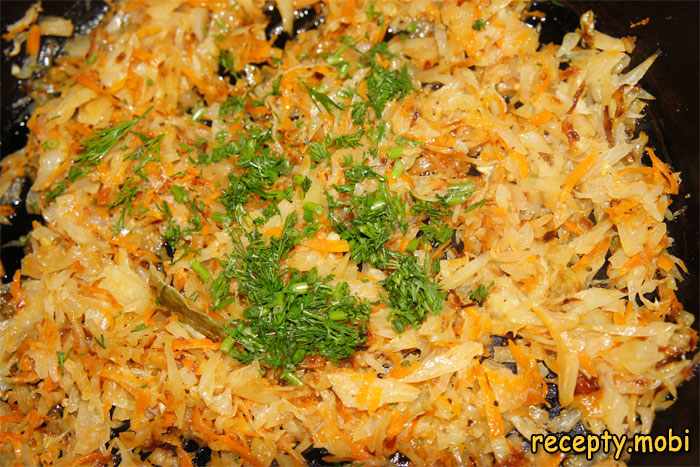
Finely shred the cabbage and add it to the sautéed vegetables. Lightly fry, then add the tomato juice (5 tbsp), the spices (pepper mix, coriander), the bay leaf and salt. Cover with a lid and simmer over low heat for 10–15 minutes, stirring occasionally. It is important not to over-stew – the cabbage should stay slightly crunchy.
At the end, add finely chopped fresh dill. If there is excess liquid left in the cabbage, remove the lid and keep it over low heat until the moisture evaporates. This is important – filling that is too wet will soak the dough. Cool the filling completely before shaping.
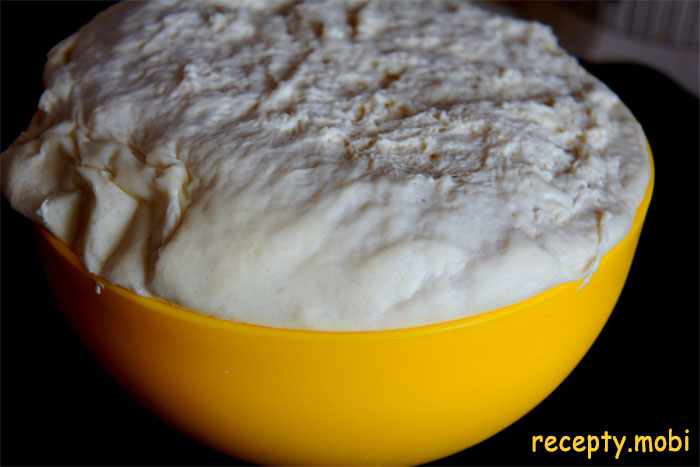
After proving, the dough has become fluffy and airy and has increased in volume. Now I start shaping the pies.
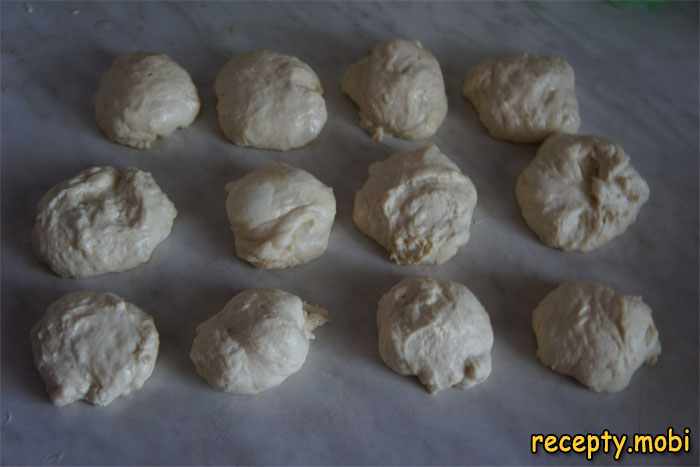
Grease the work surface of the table with vegetable oil – this prevents sticking and does not add extra flour to the dough. Tear off small pieces of dough of the same size (about the size of a chicken egg), so the pies turn out even.
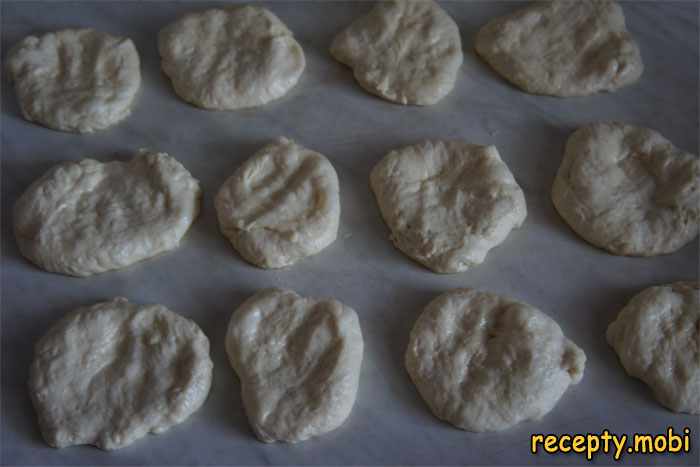
Lightly press each piece of dough with your hands and stretch it into a round patty. I do not use a rolling pin – it squeezes the air out of the dough, and the pies turn out less fluffy.
Place a tablespoon of the cooled filling on each patty. I use cooled filling specifically – hot vegetables will soak the dough, and the pies will fall apart during frying.
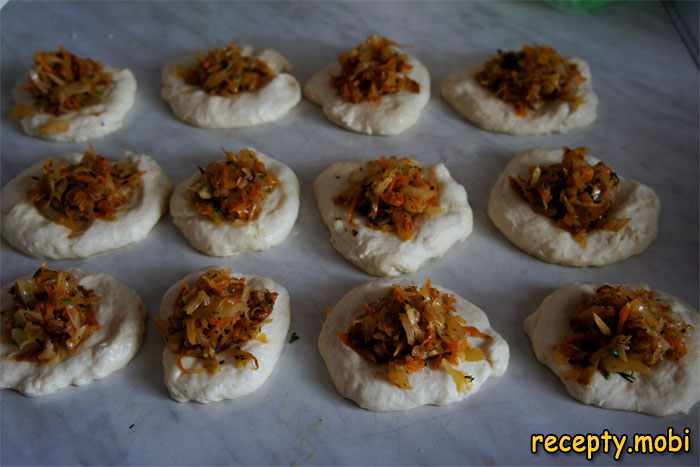
Bring the edges of the dough together over the filling and pinch them well. Turn the pie seam side down and gently press it to the table, giving it a neat oval shape.
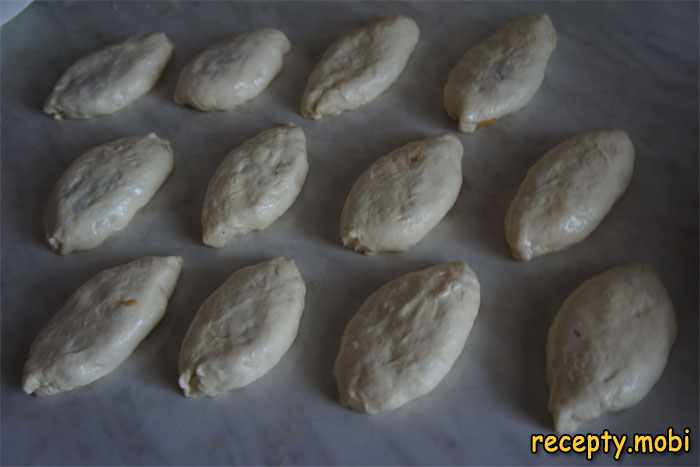
In a deep frying pan, heat the vegetable oil well – there should be enough of it for the pies to float about halfway. Place the pies seam side down and fry over medium heat for 3–4 minutes on each side, until golden brown.

Transfer the fried pies to a paper towel in a single layer so the excess oil is absorbed. Then move them into a wide pot or bowl and cover with a clean towel – this keeps the pies soft.

I serve the lenten pies warm – this is when they are tastiest, with a crispy crust outside and fluffy soft dough inside. They go great with tea or a lenten soup.



Tips
- 1
I always set a sponge – without it the dough will not be so fluffy. Fresh yeast works faster than dry and gives a better result: the sponge rises in 20 minutes instead of 40–50.
- 2
Cool the filling completely before shaping – hot vegetables will soak the dough, and the pies will fall apart during frying or be wet inside.
- 3
Do not skimp on the frying oil – the pies should float in it at least halfway. That way they fry evenly on all sides and stay fluffy.
- 4
Do not over-stew the cabbage – it should stay slightly crunchy. This gives the filling a pleasant texture and prevents excess moisture.
FAQ
Can I use dry yeast instead of fresh? +
Yes, replace the 25 g of fresh yeast with 7–8 g of instant dry yeast. However, the sponge will take longer to rise – about 40–50 minutes instead of 20. The result will be just as good.
Why did my pies turn out not fluffy? +
Most likely the yeast was not fresh or the water was too hot (above 45°C). The dough may also not have risen enough, or too much flour was added. The dough should be soft and elastic.
Can I bake these pies in the oven? +
Yes, brush the pies with vegetable oil and bake at 200°C for 20–25 minutes until golden. The crust will not be as crispy as when frying, but the pies will be lower in calories.
How do I store the finished pies? +
In a closed container at room temperature for up to 2 days. Before serving, reheat in the oven at 180°C for 5–7 minutes – the crust will become crispy again. In the fridge I keep them for up to 4 days.
Can I freeze the dough or the finished pies? +
The dough can be frozen after the first rise – thaw it in the fridge for 8–10 hours. The finished pies also freeze well for up to 2 months. Reheat them in the oven without thawing first, at 180°C for 10–12 minutes.
- Comment
or post as a guest
Be the first to comment.