avg —
Christmas Cake with Dried Fruits (+Cooking Video)

Instructions
I start by preparing all the necessary ingredients. I take the butter and eggs out of the fridge ahead of time so they reach room temperature and the butter softens. I rinse the dried fruits thoroughly under running water. Then I cut the dried apricots into small pieces — the size should be similar to the raisins for a harmonious mix.
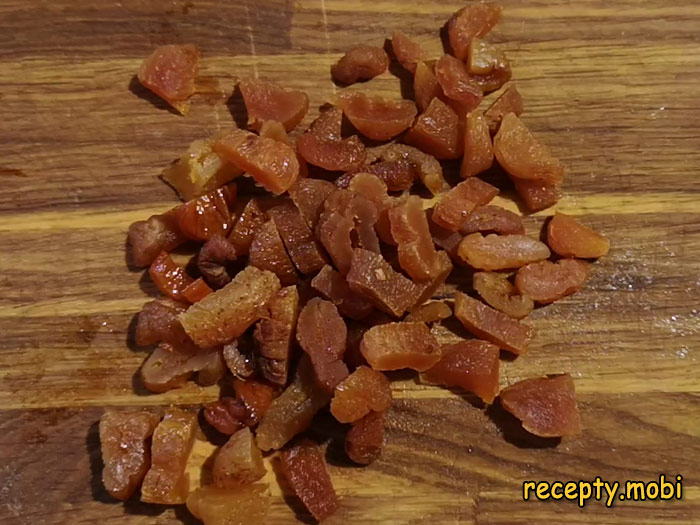
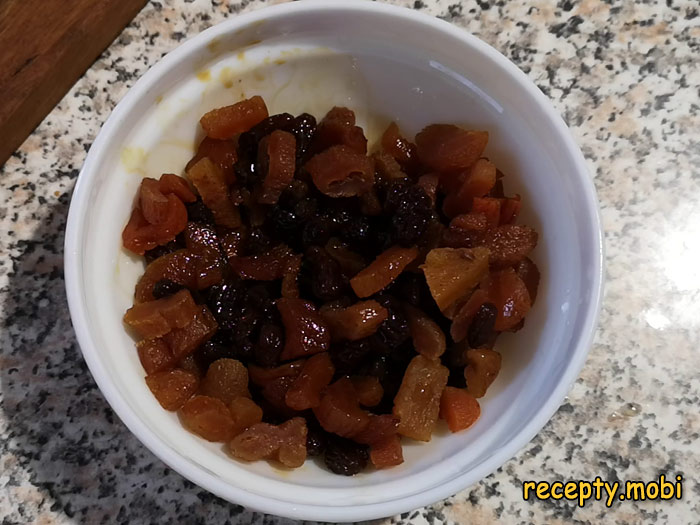
I tip the raisins and dried apricots into a small bowl and add 2–3 teaspoons of your choice: cognac, brandy, or whisky. I stir everything together. I cover the bowl of raisins and apricots with a saucer and leave it for a few hours so the dried fruits soak through — this is the "secret" step of an authentic Christmas cake.
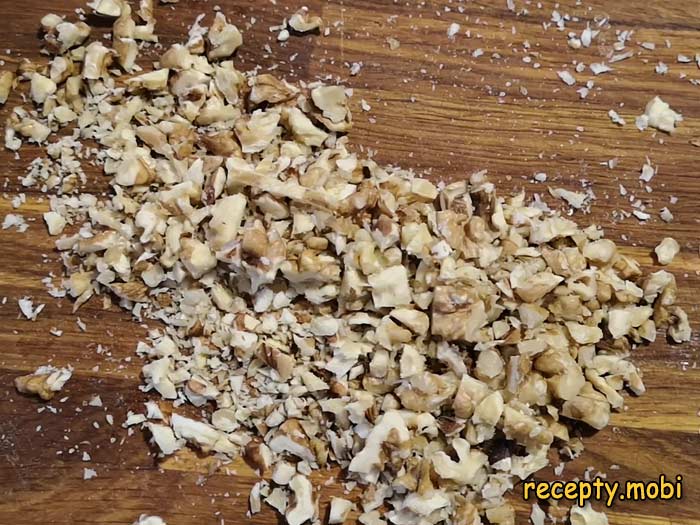
I chop the walnuts, cutting them into smaller pieces with a knife — a knife, not a blender. Recognisable large chunks of nuts are the "trademark" of a Christmas cake.
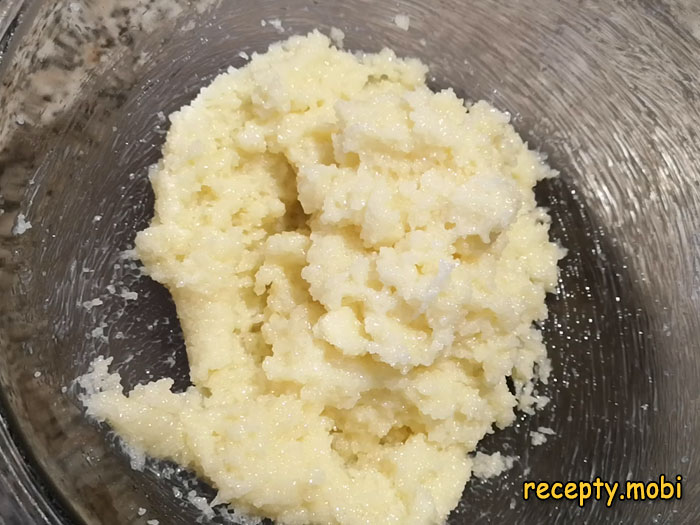
I put the butter into a deep bowl, add a tablespoon of honey and 150 grams of sugar, then beat everything together thoroughly with a whisk or a mixer — the soft butter blends easily with the honey and sugar into a smooth mass.
Next I crack 2 eggs into the bowl and mix them thoroughly with the rest — the eggs should fully combine with the butter-and-sugar mass into a smooth "cream".
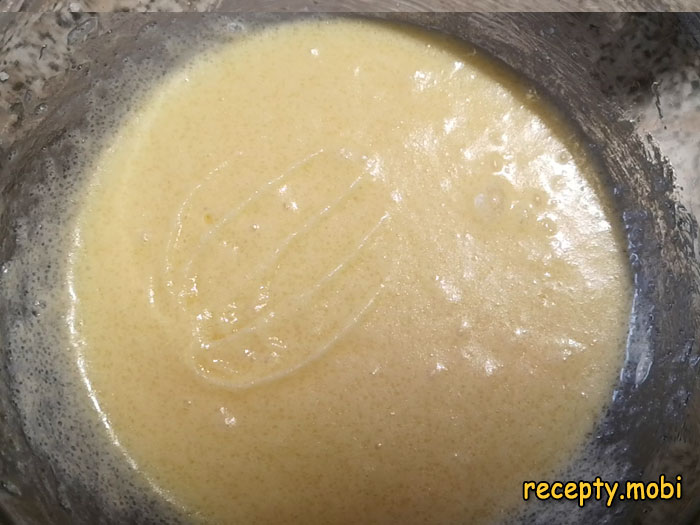
I add a teaspoon of vanillin, then fold in the sifted flour with the baking powder. I mix everything thoroughly to a uniform consistency — sifting the flour gives the cake a more airy structure.
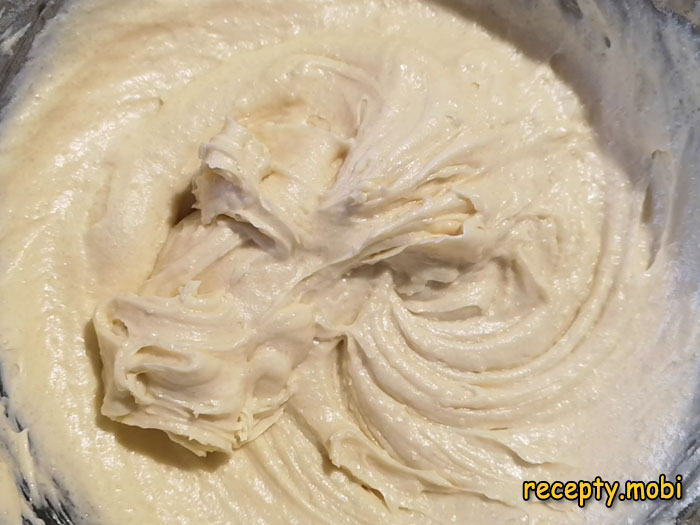
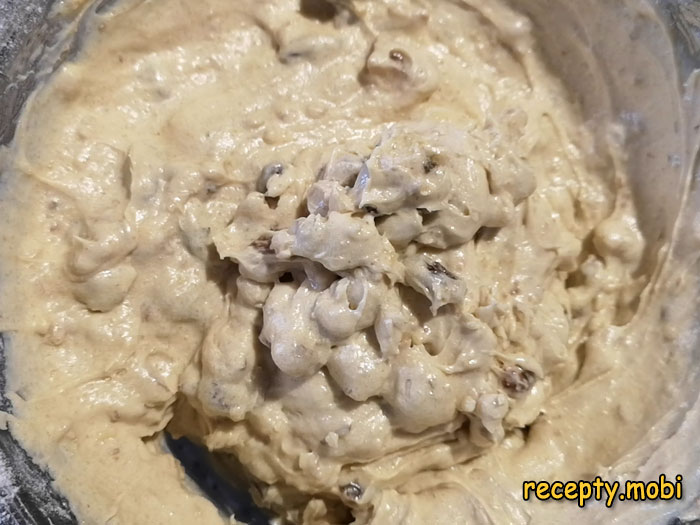
I add the dried fruits and the chopped walnuts to the batter, then mix everything thoroughly — so the dried fruits and nuts are spread evenly through the whole batter.
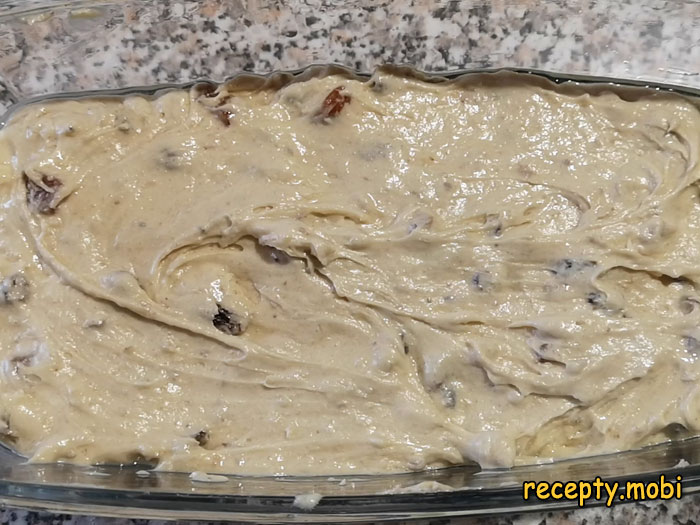
I grease the baking pan with vegetable oil. Then I carefully transfer the prepared batter into the pan. I choose a pan bearing in mind that the batter will grow during baking — by at least 50% in height.
I preheat the oven to 170 degrees Celsius. I put the pan with the batter on the middle rack of the oven. I bake the Christmas cake with dried fruits for 40–45 minutes — the middle rack specifically, so the cake bakes evenly top and bottom.
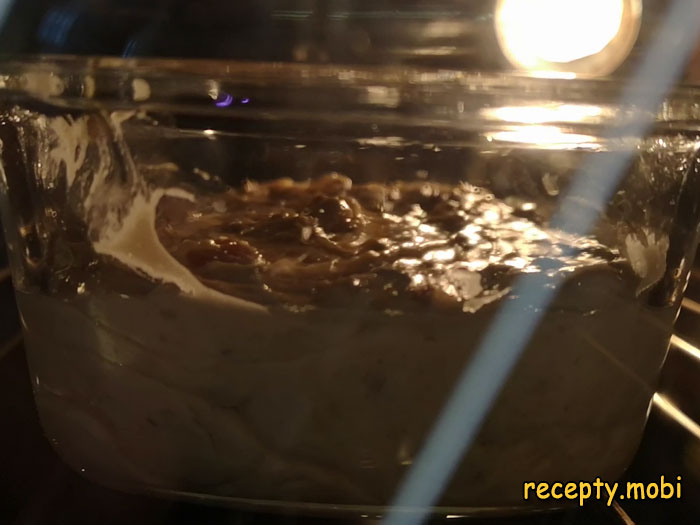
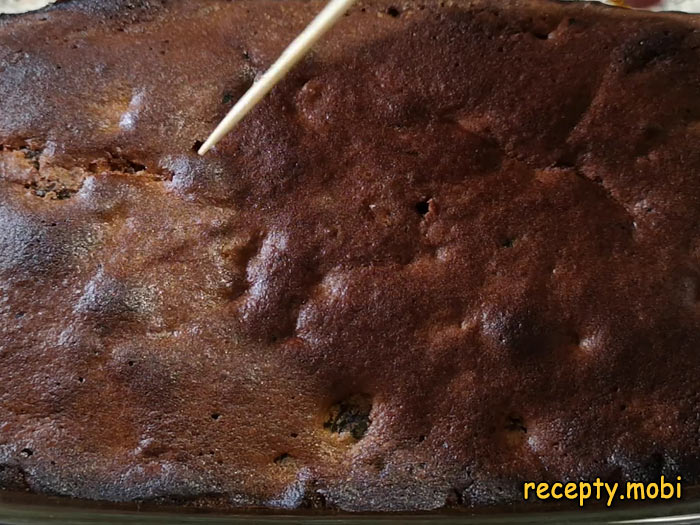
Once the time is up, I take the pan with the cake out of the oven. I check the cake for doneness by piercing it with a wooden skewer. If the skewer comes out dry and clean, the cake is ready.
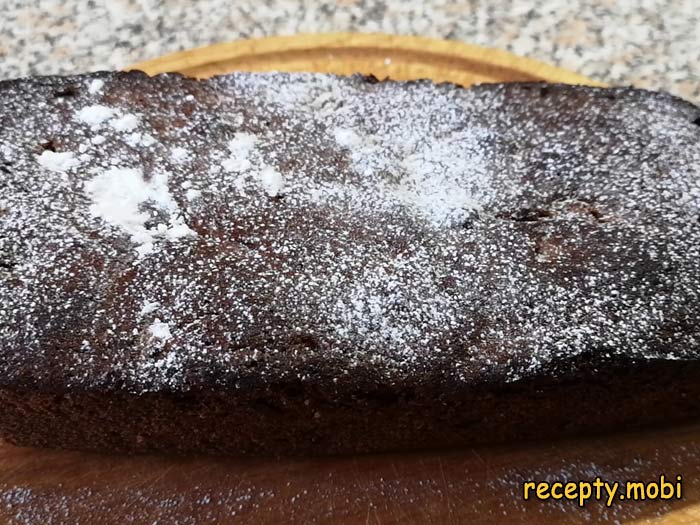
I let the cake cool, then carefully turn it out of the pan. I dust the finished cake with powdered sugar and serve it — the "snowy" powdered sugar completes the cake's Christmas look.Christmas is an enchanting holiday, wrapped in magic and joyful moments. The traditional cake with dried fruits and nuts has become a symbol of this merry time of year. Its unique aroma, which fills every corner of the house, instantly creates an atmosphere of warmth and joy. And although making such a cake may seem simple, the key to success lies in preparing the batter correctly and choosing the right ingredients.


Tips
- 1
SOAKING IN ALCOHOL is the "secret" of an authentic aroma. Dry raisins and apricots in an ordinary cake stay "wooden" in texture. Soaking them in cognac or brandy (from 2 hours up to a full day) makes them soft, juicy, and fragrant — with a distinctive "winey" note. This is the "secret" of the English Christmas cake. The longer the soak, the more intense the flavour of the finished cake.
- 2
ROOM-TEMPERATURE INGREDIENTS are the "secret" of a smooth batter. Cold butter straight from the fridge will not blend with the sugar into a smooth cream — the batter ends up lumpy and the cake bakes unevenly. All the ingredients (butter, eggs) should be at room temperature — this is the "secret" of a smooth, uniform batter and a perfectly baked cake.
- 3
A UNIVERSAL CAKE BASE is the "secret" of seasonal variations. The same basic technique works for any cakes with different add-ins. Following the principle of pumpkin cake with walnuts, you can make an "autumn" version with pumpkin purée and spices. Master the basic cake, and dozens of recipes are at your disposal.
- 4
POWDERED SUGAR is the "secret" of a festive presentation. A simple dusting of powdered sugar turns a homemade cake into a restaurant one. For a "snowy" decorative effect, I dust the cake generously through a fine sieve — the sugar settles as an even white "snow". Alternative "wintry" decorations: cut-out "stars" or "fir trees" from dough on top, a themed stencil with the sugar, or nuts and dried fruits arranged decoratively. A similar "rustic" decoration is used in the rustic galette with strawberries.
Video
FAQ
Which dried fruits are suitable for a Christmas cake? +
The classic English trio is raisins, dried apricots, and pitted prunes. You can broaden the selection: dried cranberries (which give a bright tartness), candied orange or lemon peel (a citrus accent), dried figs (an Eastern character), pitted dates (a sweet note). Nuts: walnuts, almonds, hazelnuts, cashews — all are suitable. Do not use: fake candied peel made from brightly dyed turnip (a synthetic taste), or sugared dried berries (too sweet). Ideal is a combination of 3–4 kinds of dried fruit with 1–2 kinds of nuts.
Can the alcohol be replaced? +
It can, for a children's or alcohol-free version. Alternatives: apple juice (gives a fruity aroma, but less rich), orange juice (a citrus accent), cold hibiscus tea (an unusual slightly sour shade). Soaking in water with lemon zest and a pinch of vanilla is the simplest "children's" version. The alcohol is barely noticeable in the finished cake after baking — it evaporates at 170 °C, leaving only the aroma. So even for families with children, using alcohol in the soak is safe.
How long does a Christmas cake keep? +
In an airtight container at room temperature — up to 2 weeks without losing flavour (this is a feature of boozy cakes: they "mature" during storage and become tastier). In the fridge — up to 1 month. It can be frozen for 3–4 months, then thawed in the fridge for 12 hours before serving. English tradition calls for "ageing" the cake at least a week before serving — with an extra soak of cognac every 2–3 days. The longer the ageing, the deeper the flavour.
What to serve with a Christmas cake? +
The classic English way to serve it is with hot black tea (Earl Grey, English Breakfast), with milk and cinnamon, or with mulled wine. On the table: mascarpone or whipped cream alongside, a scoop of vanilla ice cream for the contrast of hot and cold. To plate it: on a white plate with a sprig of rosemary and a cinnamon stick — a "wintry" presentation. For Christmas dinner: after the main course, as the "crowning" dessert with a glass of port. For an extended spread: sliced pieces on a platter with assorted sweets and gingerbread alongside.
- Comment
or post as a guest
Be the first to comment.