avg —
Charlotte with Pumpkin and Orange in the Oven

Instructions
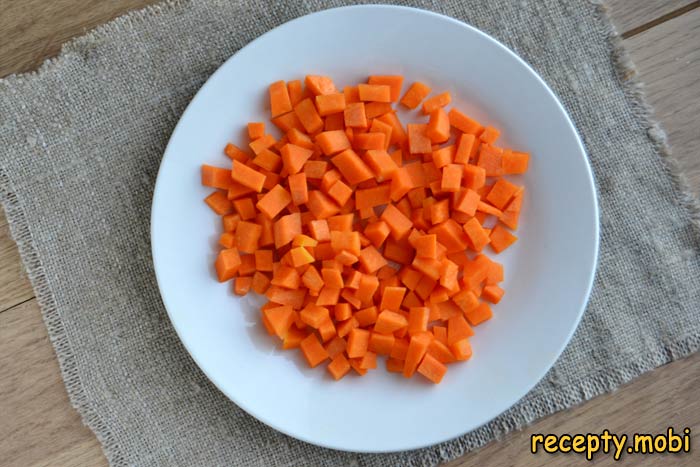
Cut the peeled butternut pumpkin into small cubes of about 7 mm. The small size matters: large cubes will not have time to bake through inside the pie. Butternut pumpkin is ideal here – it is the sweetest, with bright orange flesh and a distinctive aroma that pairs well with orange.
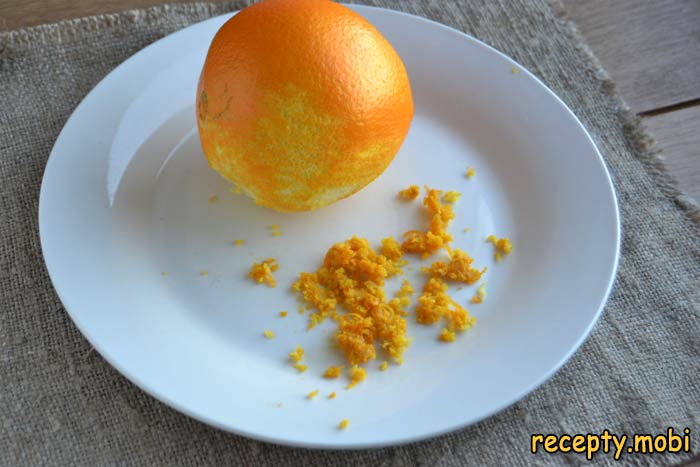
Grate the orange zest on a fine grater, trying not to catch the white part of the peel (the pith). The white part gives bitterness to the finished pie, while it is the orange outer part of the peel that contains the essential oils with a bright citrus aroma. Use only the bright orange surface.
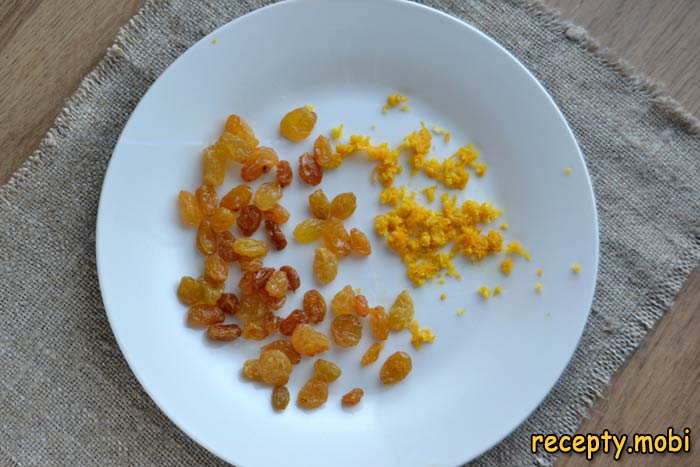
Rinse the raisins in warm water and combine them with the grated orange zest. If the raisins are hard, soak them in boiling water for 10 minutes to soften. The combination of raisins and zest is a New Year baking classic: the citrus aroma soaks into the dried fruit and gives it a richer flavour.
Take 160 g of wheat flour and add the baking powder to it.
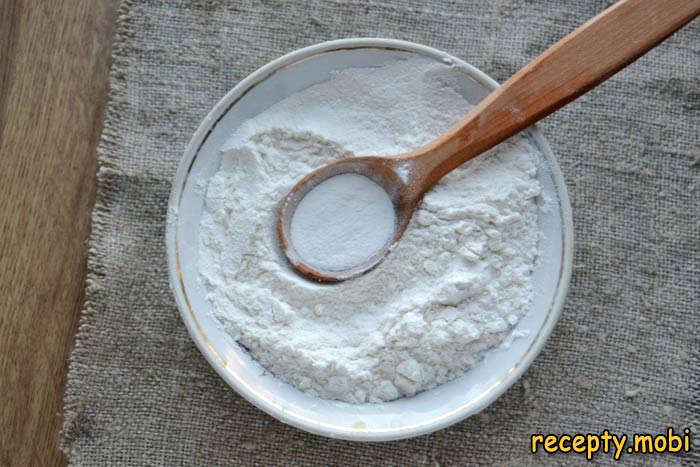
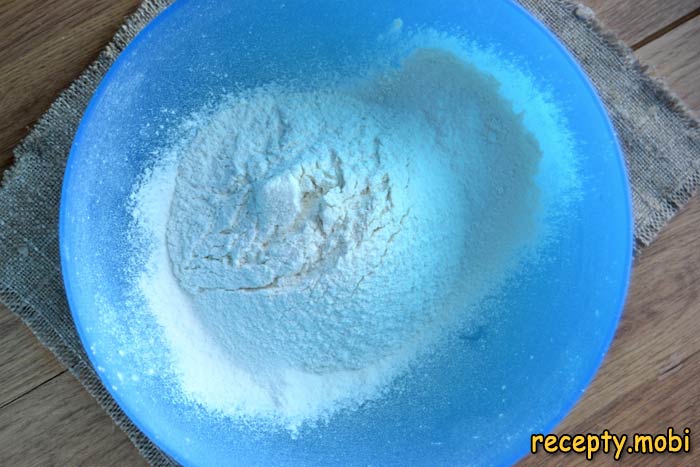
Sift the flour together with the baking powder through a fine sieve into a separate bowl. Sifting saturates the flour with air, which is critical for a fluffy sponge batter. Mixing it with the baking powder first ensures the raising agent is distributed evenly, with no flat or overly risen patches.
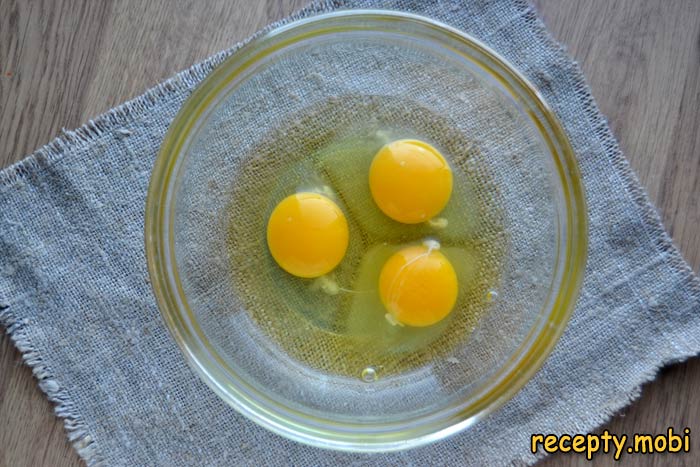
Take a deep bowl convenient for whipping eggs and break 3 eggs into it.
Whip the eggs with sugar using a mixer on high speed for 5–7 minutes, until you have a fluffy, pale foam. This is the main stage for the airiness of the charlotte: the mass should increase 3–4 times in volume, turn pale and become airy. To check it is ready, a mark from the whisk should hold on the surface of the foam for a few seconds.
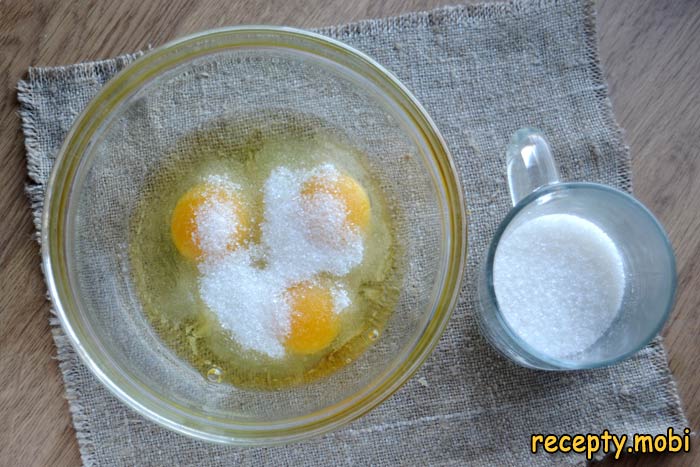
Continue beating the eggs (as usual for a sponge cake) into a fluffy foam.
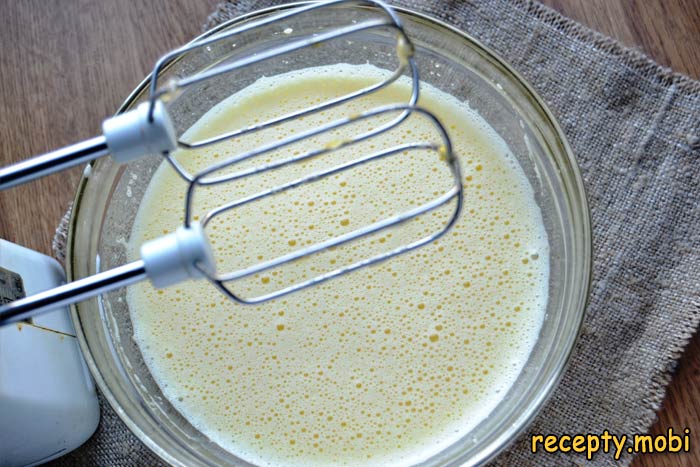
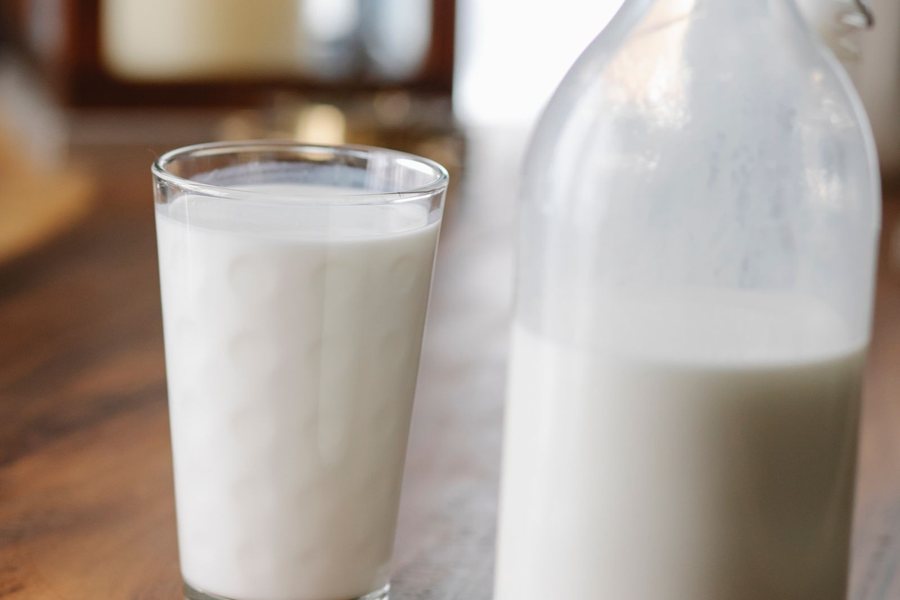
With the mixer running on medium speed, pour in the sunflower oil in a thin stream and stir gently. The oil gives the pie tenderness and keeps it fresh for longer. Use refined, odourless oil – unrefined oil will give an unpleasant oily taste.
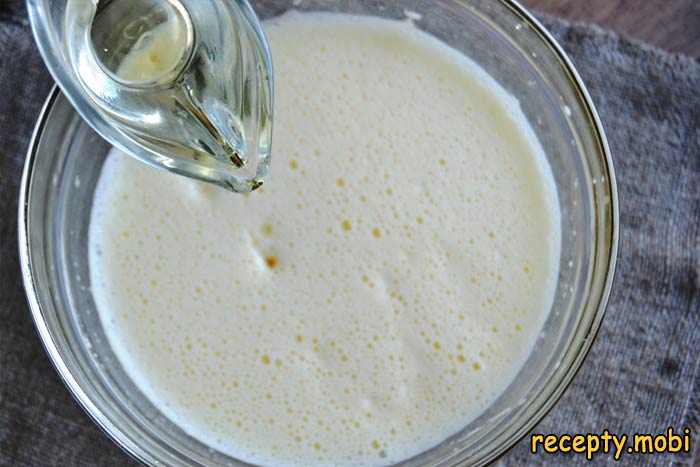
Add the sifted flour with the baking powder and stir gently with a silicone spatula, from the bottom upwards, until completely smooth. No mixer at this stage – it would knock the air out of the fluffy mass. Fold with bottom-to-top motions, as for a classic sponge.
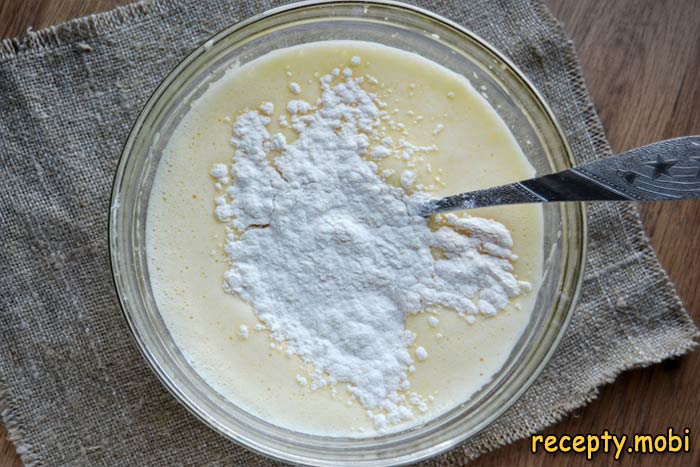
Add the raisins with the orange zest into the batter and stir gently with the spatula.
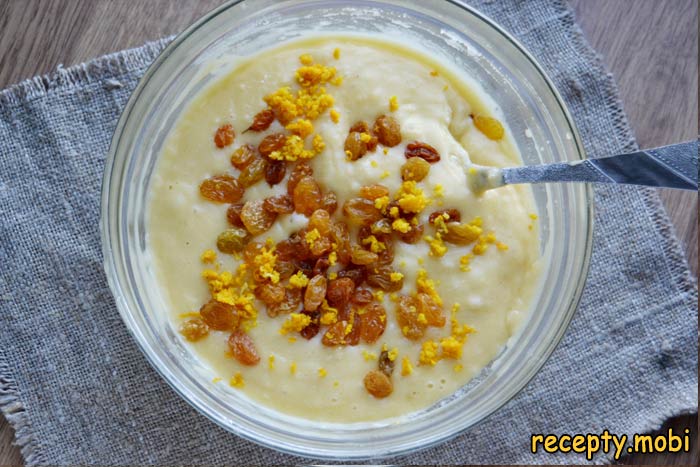
Also add the diced pumpkin into the batter and stir gently. There is no need to coat the pumpkin in flour beforehand – it will not sink thanks to its density. The raisins can be lightly tossed in flour for even distribution.
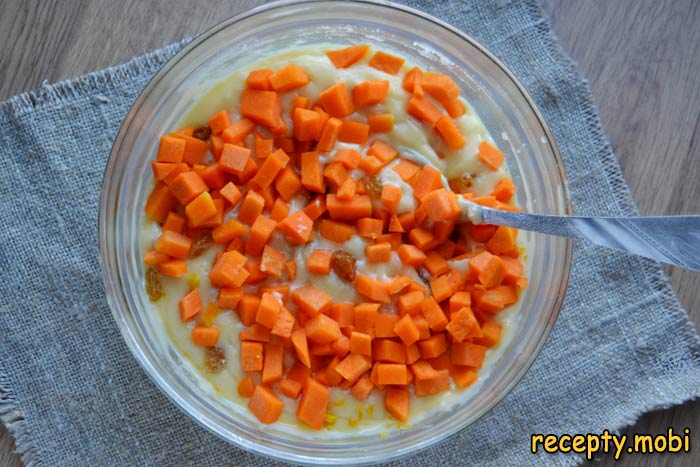
Spoon the batter into a 22 cm baking dish greased with vegetable oil and lightly dusted with flour. You can line the dish with baking paper instead, which makes it easier to remove the finished pie. Level the surface with a spatula for an even top.
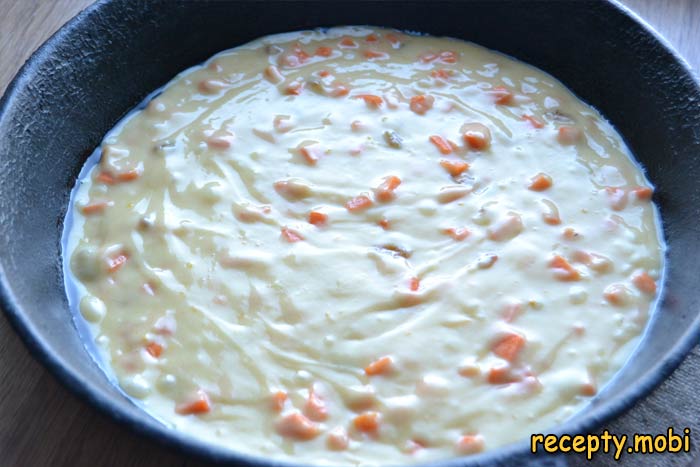
Bake the charlotte for 30 minutes at 180°C in a preheated oven, until golden. Do not open the oven for the first 20 minutes – the change in temperature would make the fluffy sponge sink and turn dense. Check for doneness with a wooden toothpick – it should come out dry.
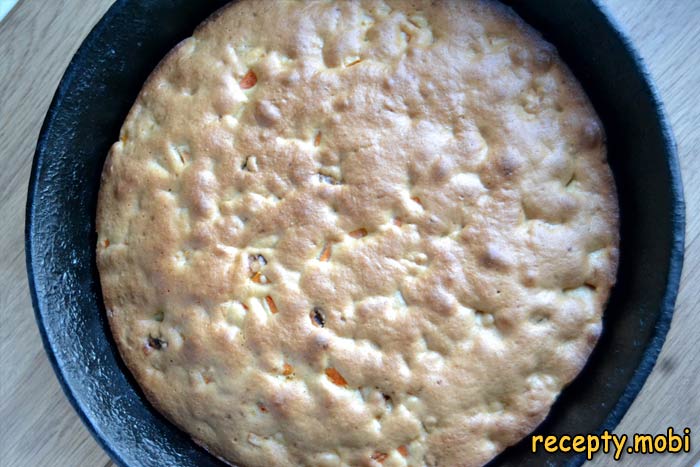
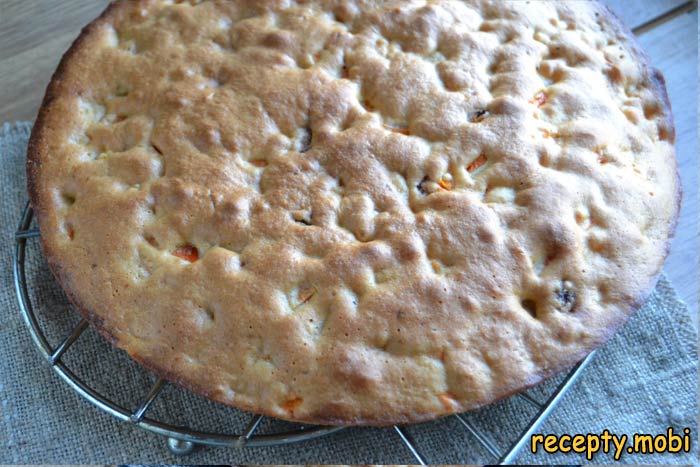
After taking the ready charlotte out of the dish, place it on a wire rack to cool.
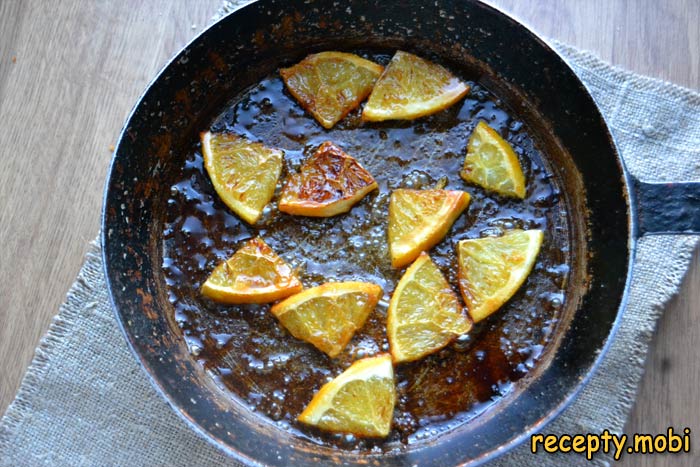
For the decoration, caramelise the orange slices in a pan with butter and sugar for 3–4 minutes, until golden and glazed. Cut the orange into 4 parts, then cut 1–2 quarters crosswise into slices – you should get about 10 slices. Heat a pan with butter, add the orange slices and sprinkle with 1 tbsp of sugar. Caramelising makes the oranges brighter in colour and sweeter in taste, and also gives them an attractive shine. This step turns a homemade pie into a festive dessert.
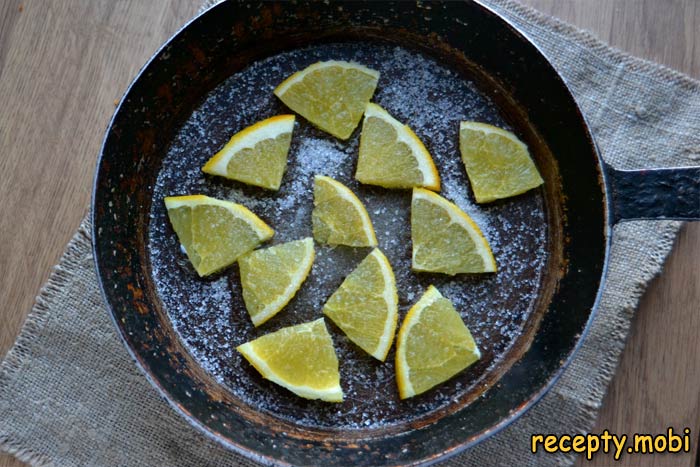
Caramelise the citrus slices on both sides, then transfer them from the pan to a plate to cool.
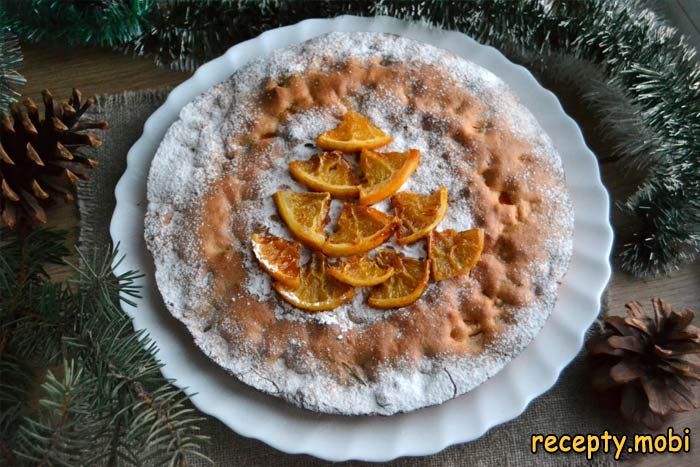
Decorate the fully cooled charlotte with the caramelised orange slices arranged in the shape of a Christmas tree or star (for the New Year table), and dust it with powdered sugar through a sieve. Decorating a warm pie will cause the topping to run and spoil its appearance, so let it cool completely first.
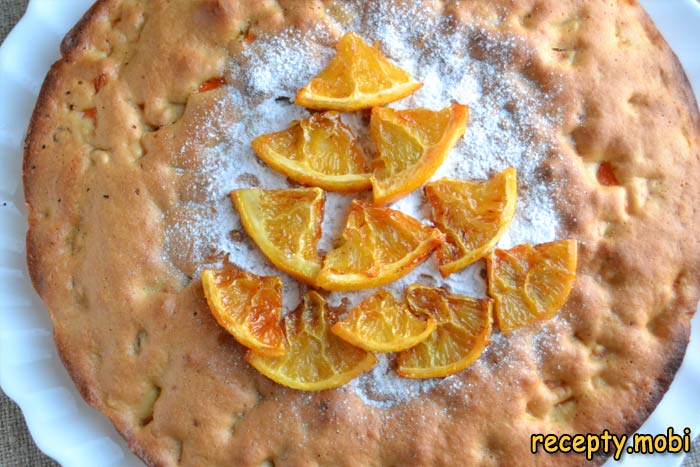
Also dust the edges of the pie with powdered sugar.
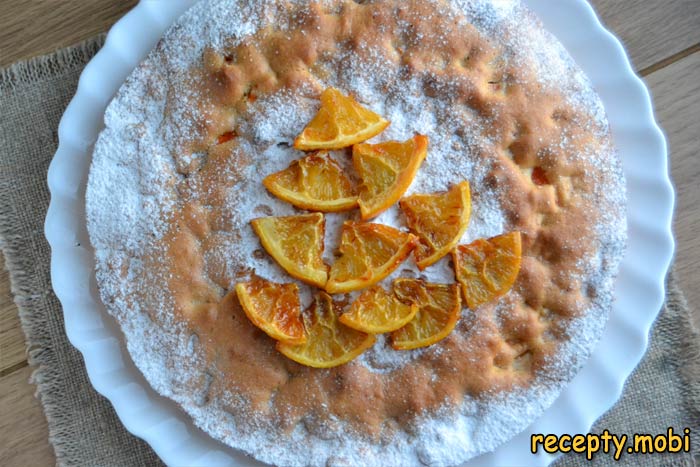
The charlotte with pumpkin and orange is ready! Slice it with a sharp knife and serve with a cup of hot tea or coffee. For a festive table, serve with a scoop of vanilla ice cream or whipped cream.


Tips
- 1
Use only butternut pumpkin with bright orange flesh – it is the sweetest and gives the pie its distinctive colour and aroma.
- 2
Arrange the orange slices in the shape of a Christmas tree or star for the New Year – it makes for a striking festive presentation.
- 3
Check for doneness with a wooden toothpick – it should come out completely dry. I bake my classic charlotte with apples on a similar principle.
- 4
Let the charlotte cool completely in the dish for 30–40 minutes before decorating – on a warm pie the decorations will run and spoil its appearance.
FAQ
Can I make charlotte without pumpkin? +
Yes, replace the pumpkin with apples (3–4 medium apples) and you will get a classic Russian charlotte. Pears (firm varieties such as Conference or Duchesse), fresh peaches, apricots and plums also work well. Each fruit gives the pie its own character. For a winter version, use frozen fruit or canned peaches or pineapple. Apple charlotte is the most traditional option, while the pumpkin one is more autumn-and-winter in spirit, with a bright orange colour.
What can I use instead of raisins in charlotte? +
Dried apricots work well (finely chopped, for a bright apricot accent), as do prunes (a richer, more "autumn" flavour), chopped nuts (walnuts, almonds or hazelnuts for crunch), fresh or frozen cranberries or lingonberries (for a sweet-and-sour contrast), and pieces of chocolate (an unexpected dessert option). You can combine them – for example, dried apricots with nuts. The charlotte is also tasty without any dried fruit, especially if you add cinnamon, cardamom or vanilla for aroma.
How long does the finished charlotte keep? +
In the refrigerator under cling film, it keeps for up to 3 days without losing quality. On the second day the pie becomes even juicier – the pumpkin soaks the crumb with its juice. In the freezer, in portioned pieces in an airtight bag, it keeps for up to 1 month. Before serving, defrost it in the refrigerator overnight and warm it for 10–15 minutes in the oven at 150°C to bring back a fresh texture. A freshly baked charlotte is always tastier, so bake it on the day of serving for the best result.
Why did my charlotte turn out dense and not fluffy? +
The main reasons are: the eggs and sugar were not whipped well enough (you need a fluffy, pale foam that is 3–4 times the original volume), the batter was mixed with a mixer after adding the flour (which knocks out the air), stale baking powder was used, the oven was opened during the first 20 minutes of baking (the change in temperature makes the sponge sink), or too much flour was used. Follow the technique: use the mixer only for whipping the eggs, and after that use a spatula only, with bottom-to-top folding motions. Do not open the oven for the first 20 minutes.
- Comment
or post as a guest
Be the first to comment.