avg —
Eclairs with Custard Cream at Home

Instructions
I prepare the ingredients for the dough. Having everything on the work surface at once saves time and effort when working with the "nervous" choux pastry, which calls for quick action.
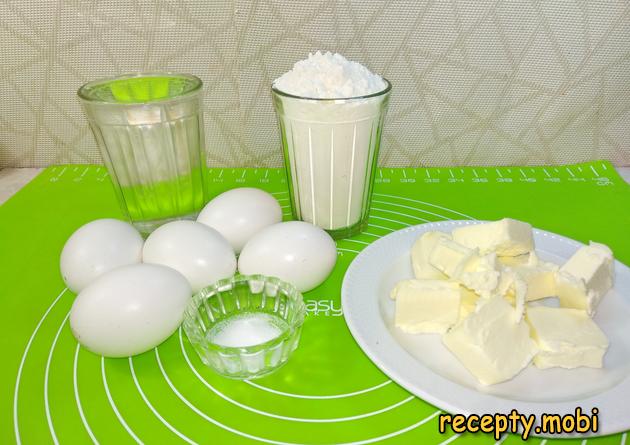
I pour the water into a saucepan and add the salt and the butter. I place it over the heat and, stirring constantly, bring the mixture to the boil. The butter should be fully melted by the time the water boils.
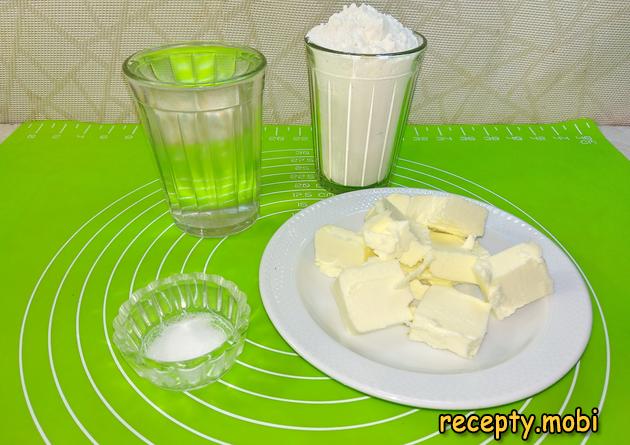
Immediately after it boils, I add all the flour to the saucepan and stir intensely. I turn the heat down to the minimum and keep stirring the mixture until the dough comes together into a single ball. The dough should be uniform and elastic, with no lumps.
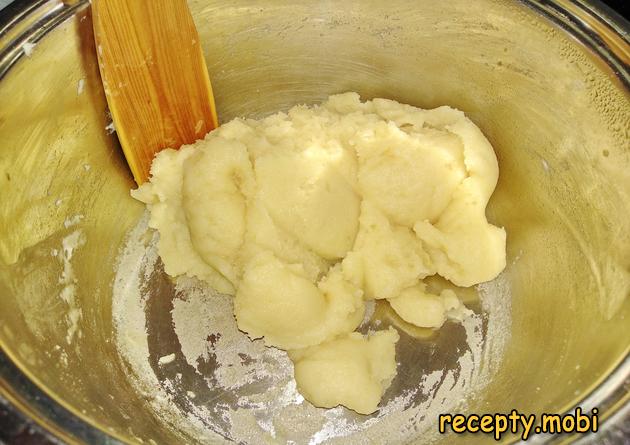
I transfer the mixture from the hot saucepan into a prepared bowl and let the dough cool to a pleasant warmth. Into the cooled mixture I add the eggs – one at a time, without fail. The dough should turn out neither thick nor runny. I mix each egg in completely with a mixer or a spatula before adding the next.
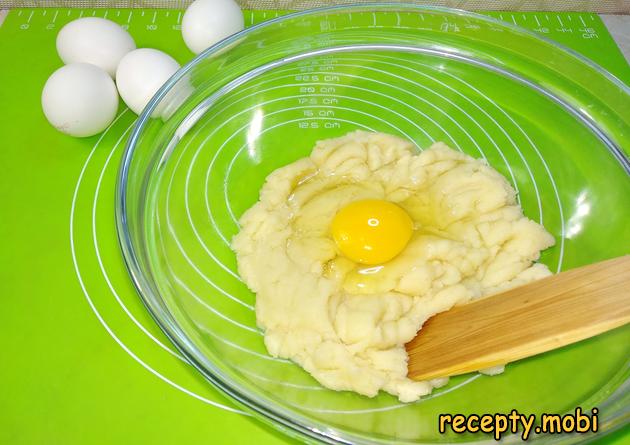
The correct dough should slide off the spatula with difficulty. If the dough is thick and clings to the spatula, the pastries will not rise in the oven. If it is too runny, they will rise and then collapse. Watch this moment very carefully – that is exactly why the eggs are added one at a time.
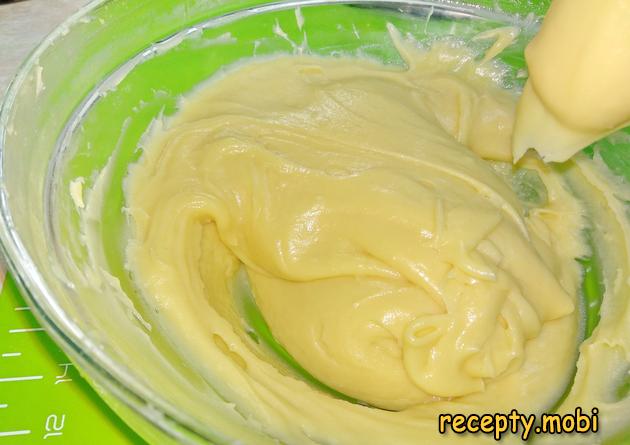
Choux pastry dries out on the surface very quickly, so I transfer it straight into a piping bag. At the same time, I turn the oven on to preheat to 200 °C. The finished dough does not wait – I work quickly.
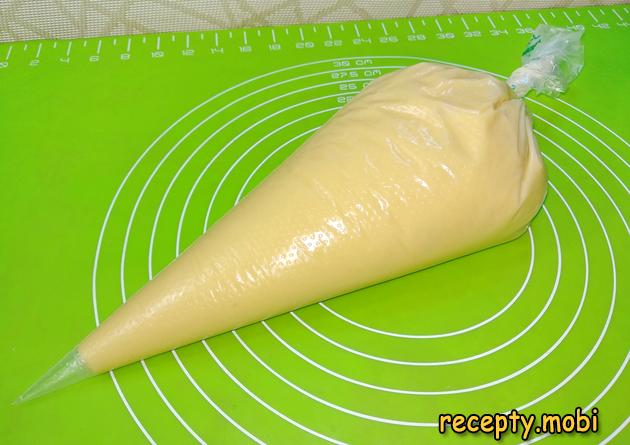
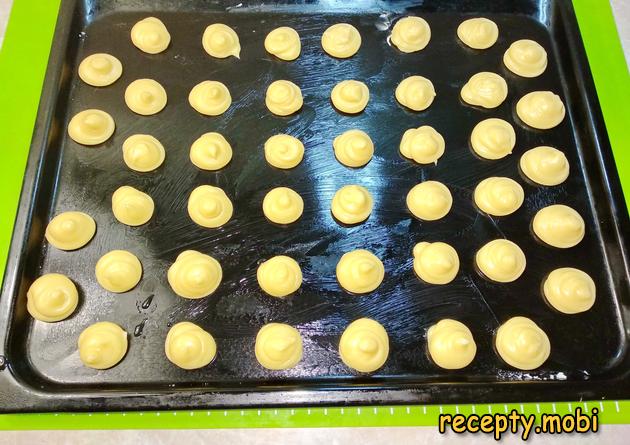
I grease a baking sheet with butter and pipe out round shapes of dough, 3–4 cm in diameter. I leave a gap between the pieces – they increase considerably in size.
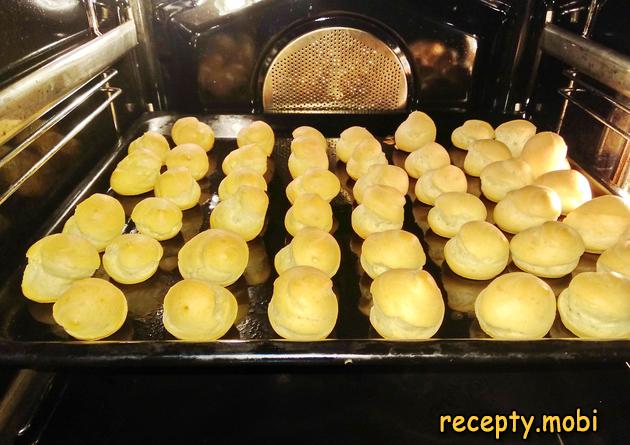
I bake the eclairs in the preheated oven for 25–30 minutes until golden. I do not open the oven for the first 20 minutes – this way the pastries rise well and do not collapse. A sharp change in temperature is the main "enemy" of choux pastry.
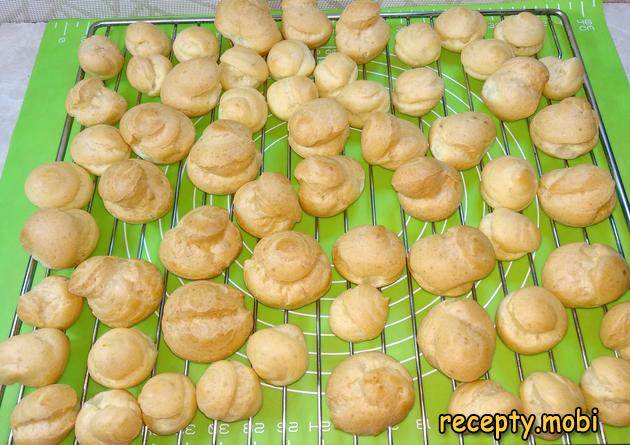
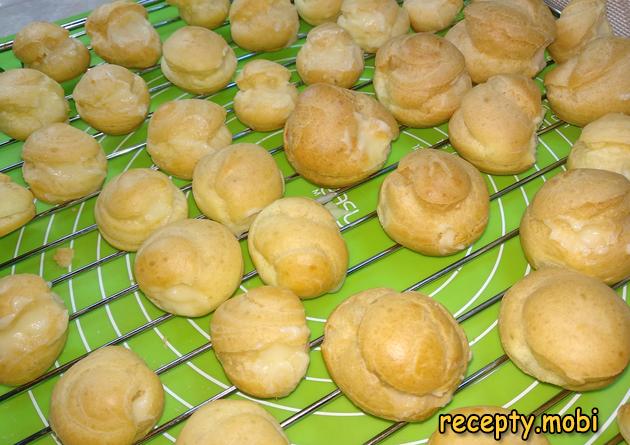
The eclair shells are ready. I turn off the oven and open the door a little, leaving the eclairs inside until they have cooled completely. This stabilises the structure and prevents the pastries from collapsing.
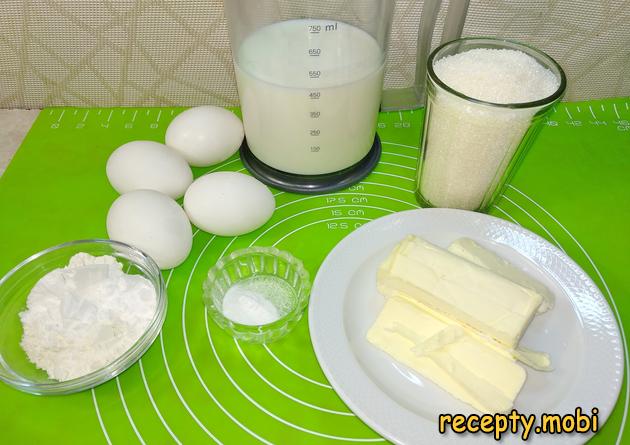
I move on to making the custard cream. I add the eggs and sugar to a bowl and mix well. I add the flour and the vanillin and whisk too. I pour in the cooled milk, mix the mixture well and place it over the heat. I bring it to the boil and cook for 1–2 minutes – the thickness depends on the kind of cream you want. The most important thing is to stir the mixture constantly with a whisk or a spatula so that the cream does not burn at the bottom.
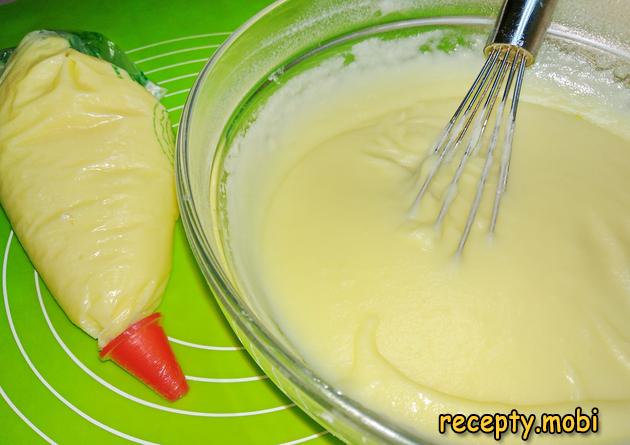
I transfer the finished cream from the saucepan into a cold bowl – this way the cream cools faster. Into the practically cold cream I add the butter and stir until smooth. Butter added to cold cream is the "secret" of a stable, glossy texture. I transfer the finished cream into a bag with a thin nozzle.
In each shell I make a hole on the bottom or the side and fill the pastries with cream. The thin nozzle lets you gently "feed" the cream inside without breaking the fragile shell.
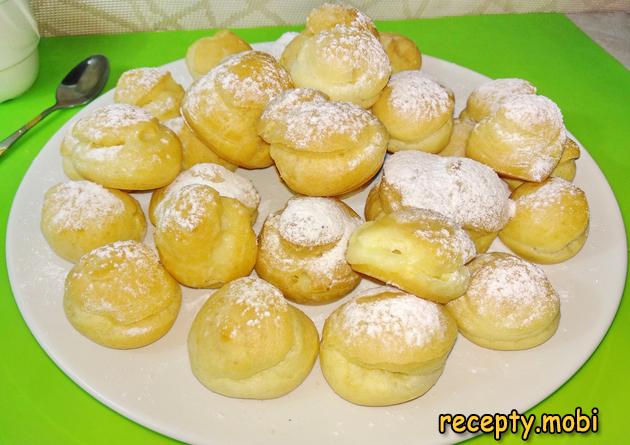
The eclairs with custard cream are ready. I transfer the pastries to a dish and dust them with powdered sugar. If you like, you can cover them with glaze and sprinkle them with chopped nuts – this elegant pastry is perfect for any celebration.


Tips
- 1
Add the eggs to the dough ONLY one at a time, mixing each one in thoroughly. Otherwise you will not be able to control the consistency, and the dough will be either too thick or too runny.
- 2
Do NOT open the oven for the first 20 minutes of baking – a sharp change in temperature will make the eclairs collapse. Check only at the end.
- 3
Cool the custard cream in an icy bowl – it is faster and gives a more stable structure. Add the butter to the COLD cream. I use a similar principle in other choux pastries.
- 4
Fill the eclairs with cream right before serving – after 2–3 hours in the fridge the shell softens from the moisture of the cream and loses its crisp texture.
Video
FAQ
Why might eclairs fail to rise? +
Five reasons for failure: (1) the dough is too thick – add another 1/2 egg; (2) the dough is too runny – too many eggs; (3) the oven is not hot enough (you need 200 °C); (4) you opened the door in the first 20 minutes – the sharp change in temperature made the eclairs collapse; (5) the flour was added to water that was not hot enough – the choux base did not work. For your first attempt, follow the proportions and the temperature regime exactly – even a small deviation is critical.
Can I use a different cream instead of custard? +
Yes, eclairs are a "universal" base for any cream. Alternatives: whipped cream (the lightest option), cream cheese with powdered sugar (dense and delicate), buttercream (rich and full), chocolate ganache (a dark option with a hint of bitterness), curd cream (to "russify" the recipe). Each cream gives its own character: custard is the classic, whipped cream is airy, buttercream is for a festive table. Choose according to the occasion and your taste.
How long do eclairs keep? +
Unfilled shells keep for 2–3 days in an airtight container at room temperature, or up to 5 days in the fridge. Filled with cream – a maximum of 1 day in the fridge, after which the shell softens. Unfilled shells can be frozen for 1 month in an airtight bag – before serving, reheat them in the oven for 3–5 minutes at 150 °C, then cool and fill with cream. Freshly made ones are always tastier, so make a surplus of the shells in particular.
How can I decorate eclairs for a festive table? +
Decorating options: classic powdered sugar (the simplest), chocolate glaze (melted chocolate plus a little cream), caramel glaze (from melted sugar), fruit glaze (powdered sugar plus fruit juice), colourful confectionery sprinkles, chopped nuts (almonds, hazelnuts), grated chocolate, fresh berries on top. For a striking presentation, arrange the eclairs in a "pyramid" on a dish, pour glaze over the top and add berries between the rows. A "profiteroles tower" is a classic French way to serve them.
- Comment
or post as a guest
Be the first to comment.