avg —
Pancakes with Chicken Liver

Instructions
I get the ingredients ready for making the pancakes with chicken liver.
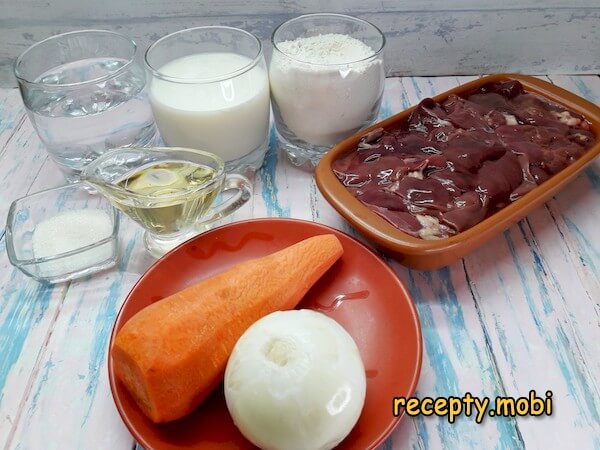
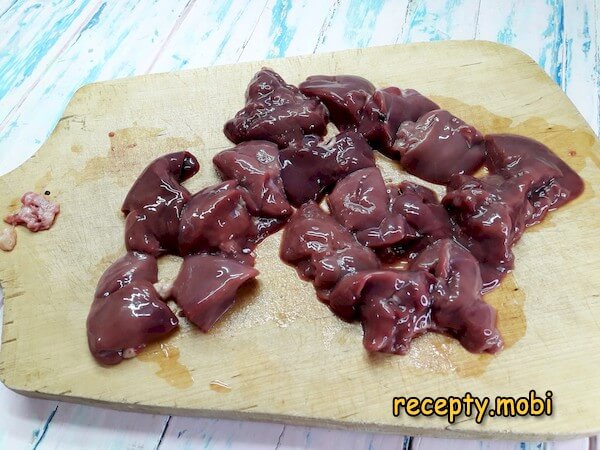
Before cooking, the liver should be sorted through, removing any membranes and other bits. I cut it into medium pieces.
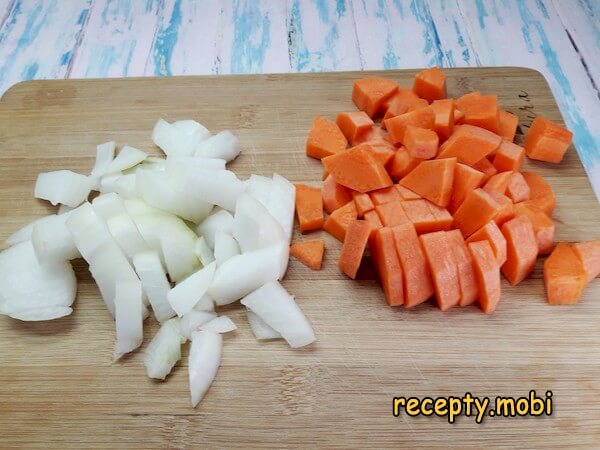
I chop the onion and carrot roughly.
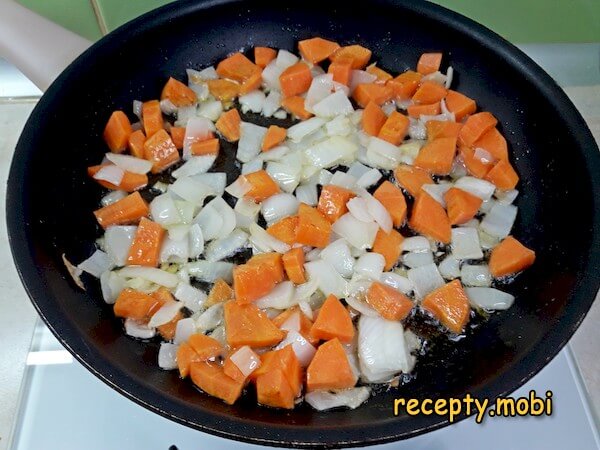
I put them into a skillet with oil and bring them to a light softening.
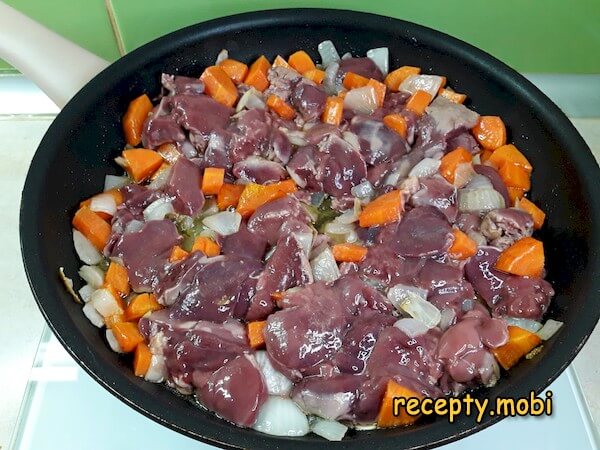
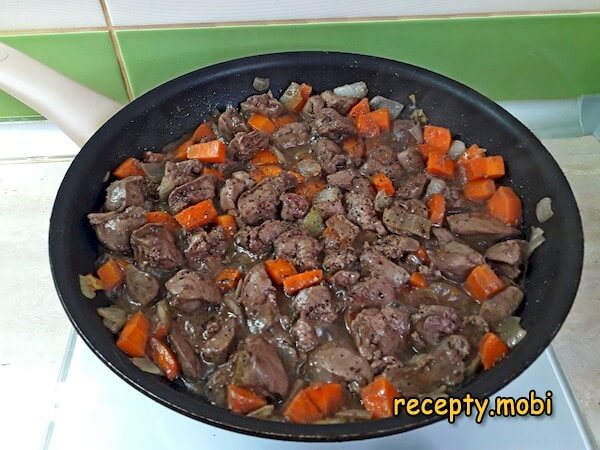
Into the same pan I add the liver. I fry it briefly with the vegetables, just until it changes colour. The inside of the liver should stay pink – that is what keeps the dish juicy and free of any bitterness. This takes 7 minutes.
Right at the end, I season the contents of the skillet with salt and pepper.
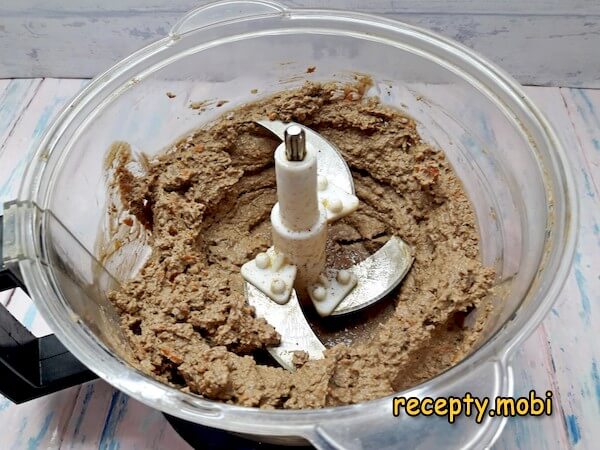
Now the already edible and tasty mixture needs to be turned into a tender pâté. You can do this with a meat grinder, passing the mixture through the plate 2–3 times, or you can use a simpler method and blitz it all in a food processor with rounded blades. In just a minute the liver takes on a smooth, silky texture.
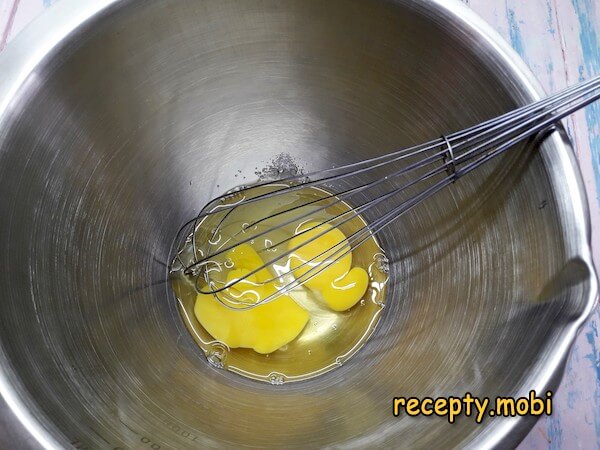
Now you can turn to the pancakes. To give the dish a richer, more interesting flavour, the pancake batter is worth sweetening a little. The combination of sweet and savoury works well. For this, in a bowl I stir the eggs with the sugar until it dissolves.
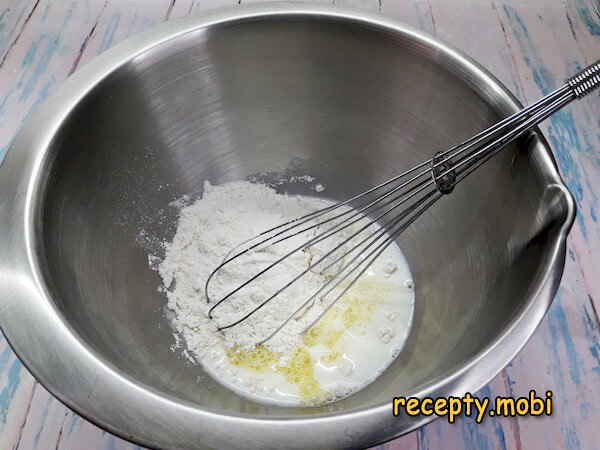
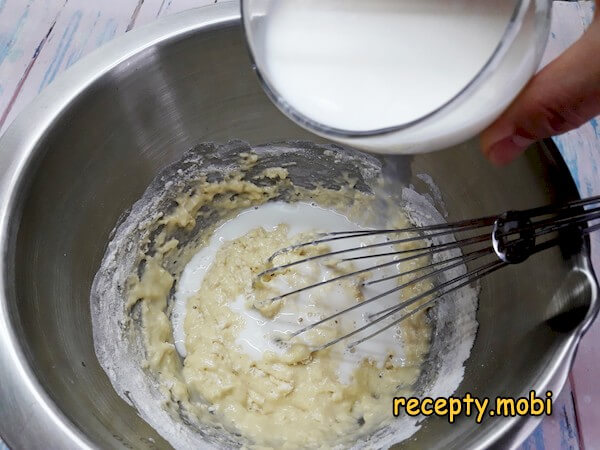
To the same bowl I add just a little milk and a handful of sifted flour. I whisk everything to a smooth, very thick mixture without a single dry lump.
I thin the mixture again with a small amount of milk.
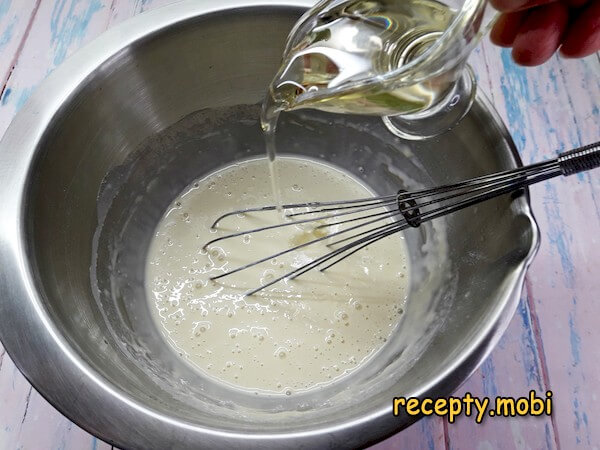
I pour in the oil.
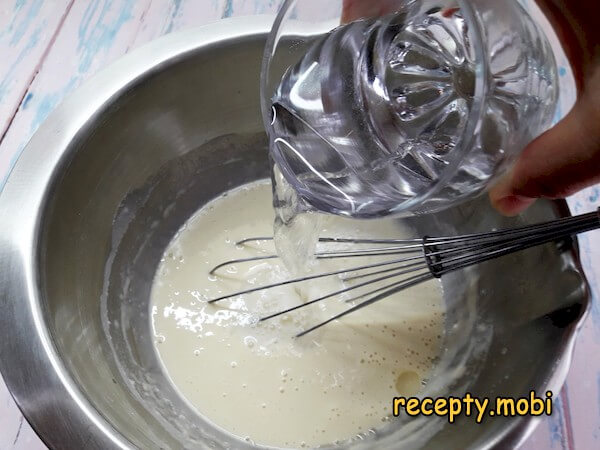
I add the remaining flour, stir until smooth, and then thin the thick batter with the rest of the milk and the full amount of water.
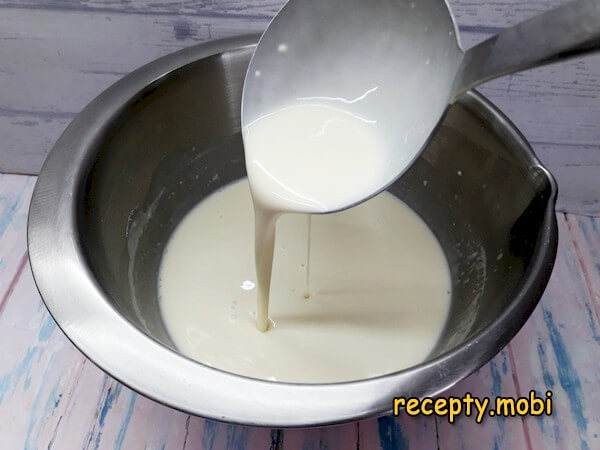
The result is a thin, pourable pancake batter. The pancakes it makes come out very thin, with crispy edges all around.
I heat the skillet over medium heat. If it has a non-stick coating, no extra grease is needed. I pour a portion of batter into the centre and quickly spread it over the whole pan with circular movements.
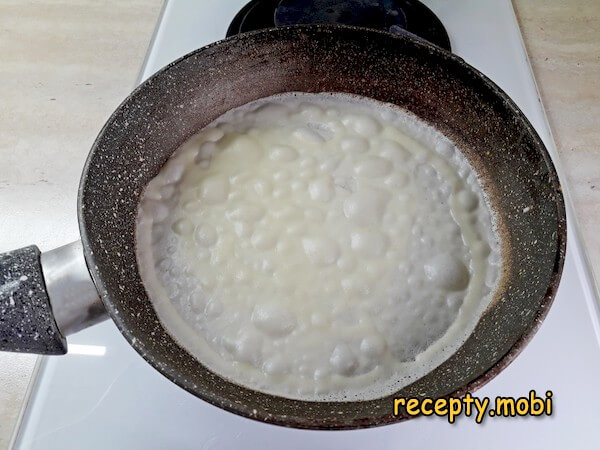
As soon as the edges of the pancake brown, I run a silicone spatula around the circle, lift the pancake from one side and quickly flip it over. I fry the second side for less time than the first.
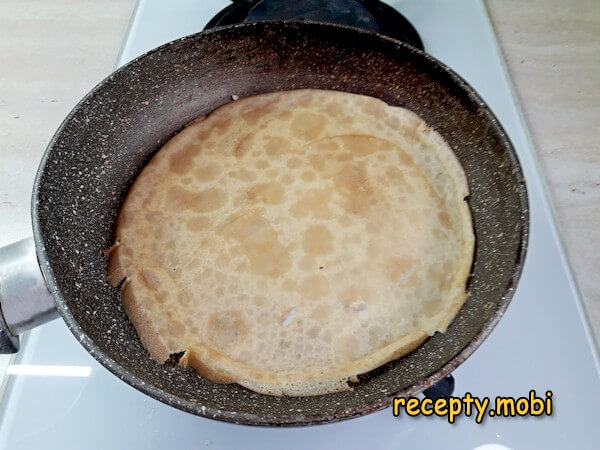
The result is a whole mountain of the thinnest pancakes.

Now you can start wrapping the filling. I place 1.5 spoonfuls of pâté along the edge of a pancake.
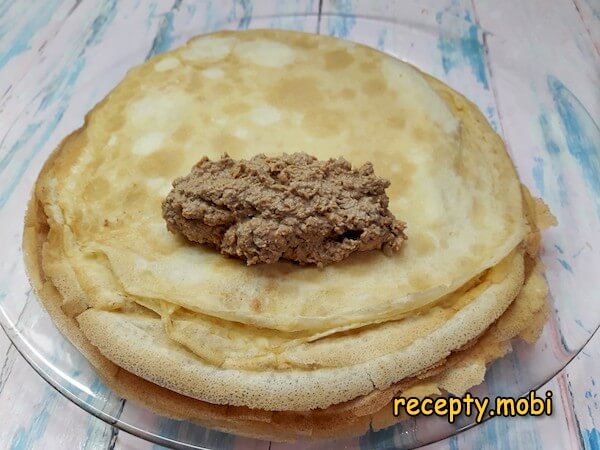
I tuck the ends inward and begin rolling it up into an envelope.
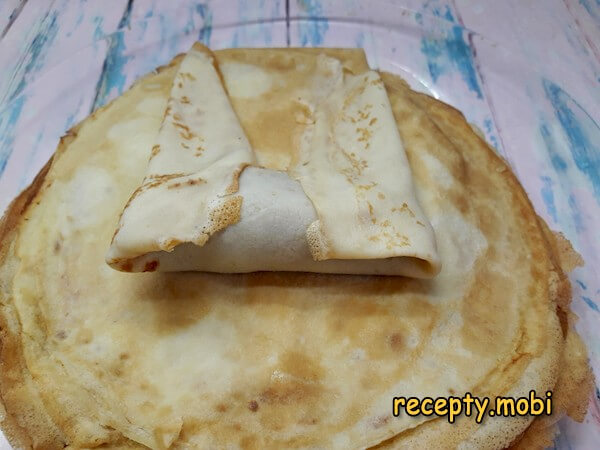
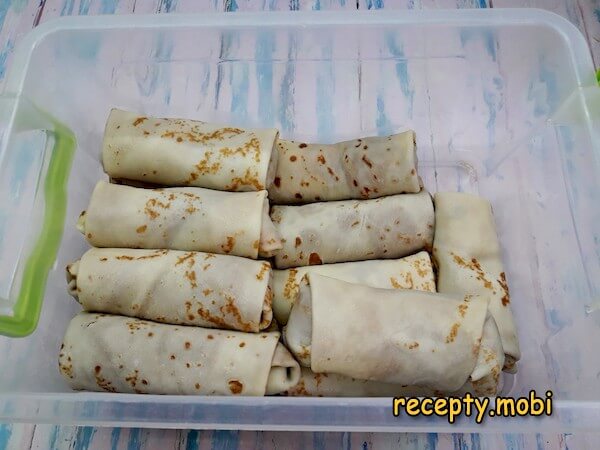
The pancakes with chicken liver are ready. I arrange the finished pieces in a container or other dish.Before serving, I recommend pan-frying the pancakes and serving them with sour cream. A few pieces can be frozen and used later, reheated covered in a skillet. The plain pancakes left without filling will come in handy for a sweet table – do give them a try. Enjoy your meal!


Tips
- 1
Liver pink inside – the "secret" to juiciness. Overcooked liver turns dry and bitter. Seven minutes is the optimum.
- 2
Flour a little at a time – the "secret" against lumps. First thicken the batter, then thin it with milk and water. No lumps.
- 3
A pinch of sugar in the batter – the "secret" to flavour. Sweet batter + savoury filling = a rich, contrasting taste.
- 4
Milk + water 1:1 – the "secret" to thinness. Batter that is too milky makes thick pancakes; thinning it with water makes them very thin. The same principle works in other kinds of stuffed pancakes.
FAQ
Which liver should I choose? +
Ideally, fresh chilled chicken liver with no green bile spots. Alternatives: turkey liver (550 g – more tender), chicken hearts (550 g – less of a "liver" note), beef liver (550 g – brighter in flavour, needs soaking in milk for 30 minutes), pork liver (550 g – a "premium" option). Fresh liver is glossy, springy and dark red, with no off smell. Do not use liver showing signs of having been frozen and thawed, liver with bile spots, or pale liver (old). Frozen liver will do – thaw it fully. For a "premium" result, use farm liver.
What can replace the milk? +
Alternatives: whey (200 ml – the "grandmother's" option), kefir (200 ml – lacier), buttermilk (200 ml – "premium"), water (400 ml instead of 200 ml milk + 200 ml water – the "lean" option), almond or soy milk (200 ml – the vegan option). Fresh whole milk is the "premium" choice. Do not use milk that is very close to its expiry date or milk reconstituted from powder. For the "classic" version, use milk of 2.5–3.2% fat. For "diet" pancakes, use skimmed 0.5% milk.
How long do the pancakes keep? +
In the fridge in a container – 2 days. Any longer and the pancake goes stale and the pâté loses its freshness. Before serving, pan-fry them in a skillet with oil for 1–2 minutes on each side (this restores the crisp crust). In the freezer – up to 1 month, in portions separated by parchment. Thaw them in the fridge for 4–6 hours or straight in the skillet. Fresh pancakes are at their best in the first 30 minutes after frying. On the second day the flavour has settled in, but the texture is poorer. Do not leave them at room temperature for longer than 4 hours – the liver pâté spoils.
What to serve the pancakes with? +
A breakfast classic: with thick sour cream. With pickled cucumbers or marinated mushrooms. With a cup of meat broth for lunch. With fried eggs or an omelette for a "farmhouse breakfast". With kefir or fermented baked milk. With a cup of tea with lemon. With a garlic sauce or horseradish. With a green salad with a lemon dressing. For a "family supper", with a vegetable salad. With warm milk for a "children's" version. With tomato juice. With a slice of black bread and butter. A versatile, hearty dish for any meal.
- Comment
or post as a guest
Be the first to comment.