avg —
Pancakes from Sour Kefir (+Cooking Video)

Instructions
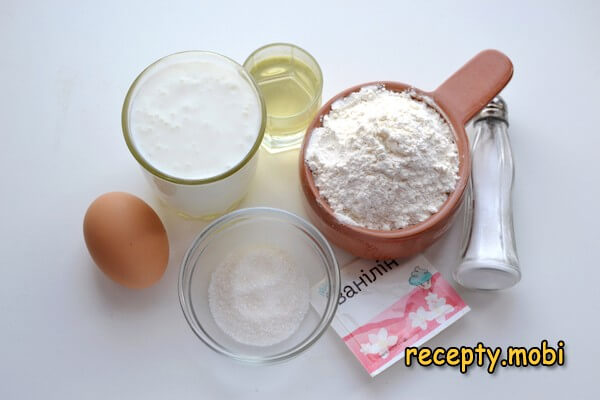
I lay out all the ingredients for the sour kefir pancakes on the table in advance.
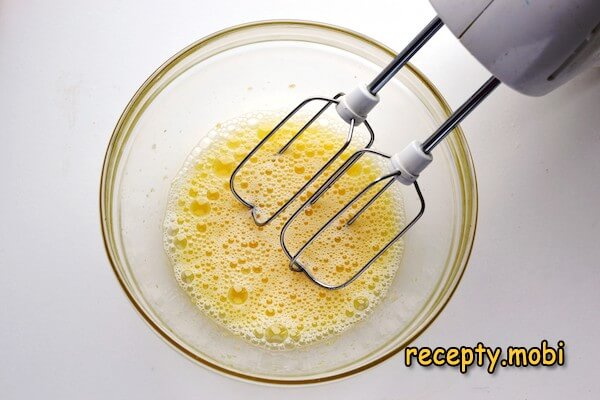
I break the egg into a deep bowl, the one I will mix the batter in. I add 1 level tablespoon of sugar. If you are making the pancakes for children, you can add a little vanilla for a pleasant aroma. I whisk the egg and sugar on low speed into a light foam.
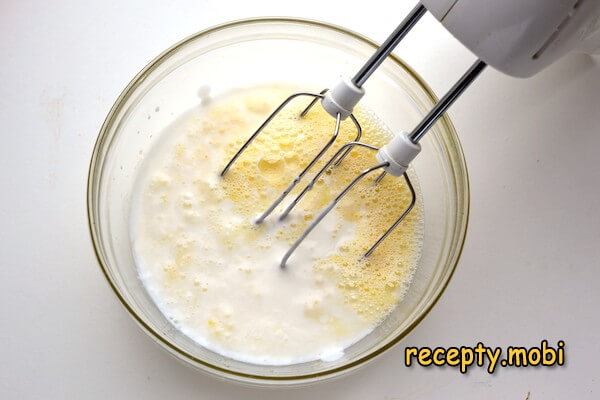
I pour all the kefir into the bowl with the beaten egg. The kefir can be 1% fat or higher. I whisk the mixture with the kefir gently on low speed.
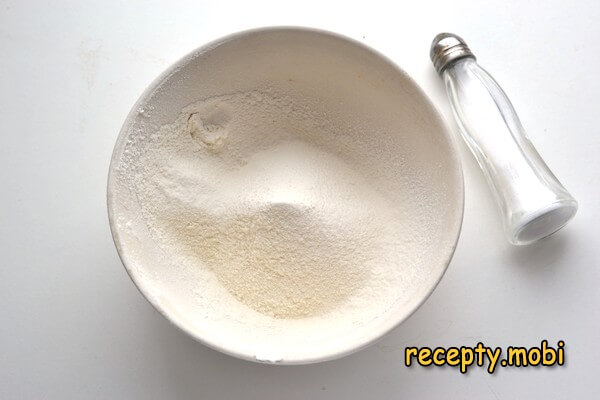
I add fine salt to the flour and sift it all together through a sieve.
I add part of the flour to the bowl with the kefir mixture. I stir with the mixer on low speed until smooth. I add all the flour gradually, mixing, until it is fully combined with the liquid part of the batter into a smooth mass with no lumps.
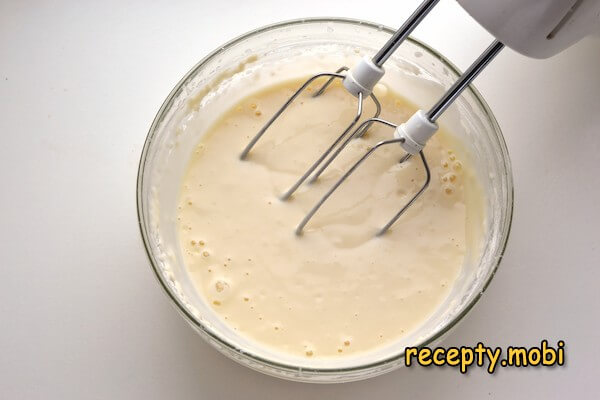
Last of all, I add the vegetable oil to the batter and stir it in. Thanks to the oil, the pancakes flip easily without sticking to the pan.
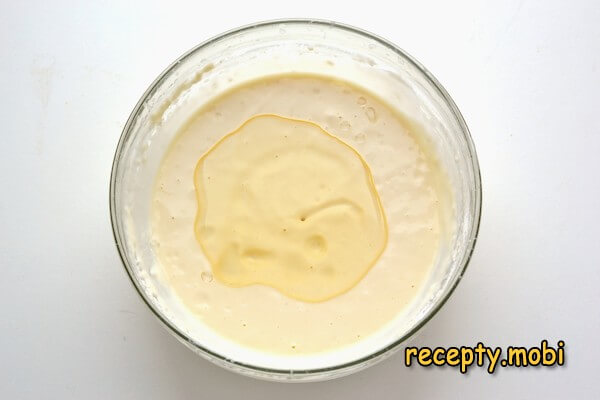
I mix the batter until it is smooth and even.
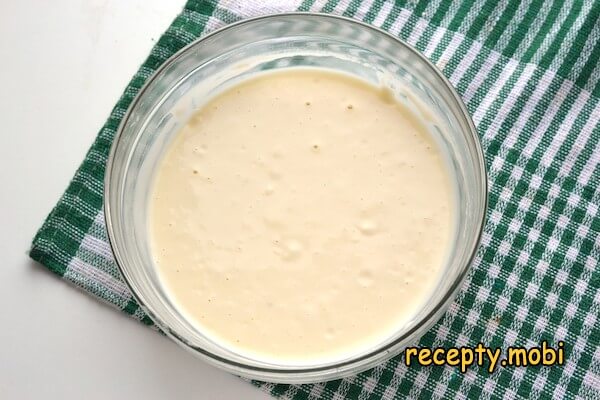
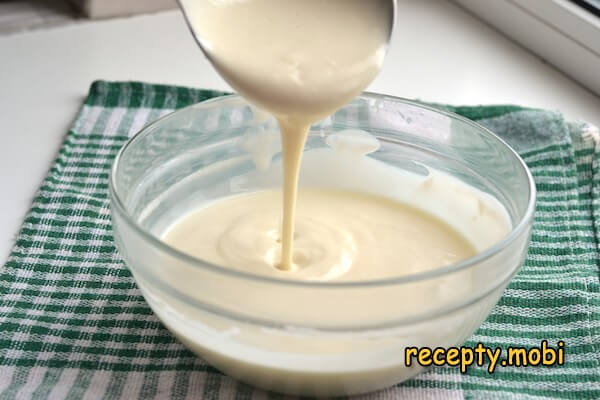
Kefir batter comes out thinner than fritter batter – about the consistency of condensed milk. It flows slowly from the ladle, but in a steady stream.
I take a small pan. It is easier to spread this fairly thick kefir batter over a small area. I lightly grease the bottom of the pan with vegetable oil for the first pancake only. Then I pour in a portion of batter with the ladle. I spread the batter carefully over the whole surface of the pan, using the ladle to help it form an even layer. I fry the pancakes over medium heat.
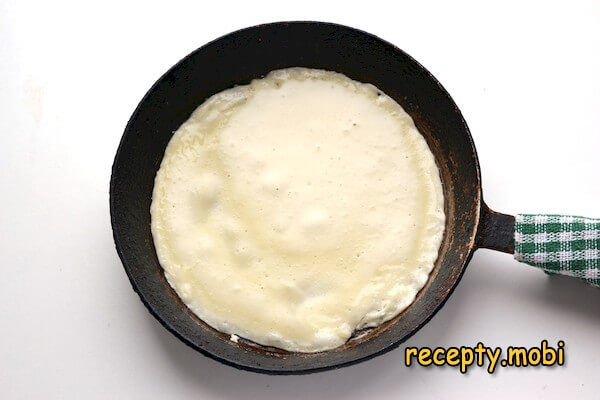
When the pancake starts to bubble and the top becomes dry (about 1–2 minutes), I flip it over to the other side. It is easier to judge by colour: I lift an edge of the pancake, and if it is browned enough, I turn it. The second side bakes for about 1 minute, until golden.
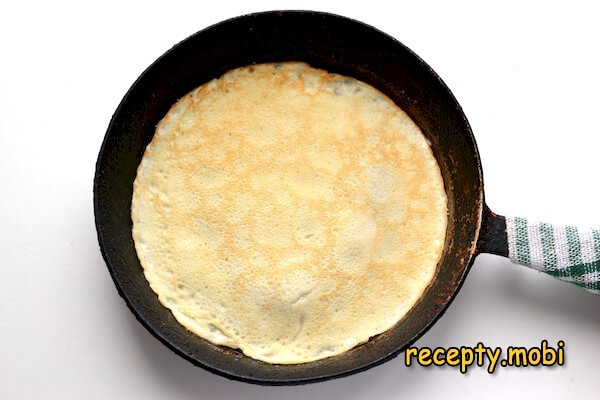
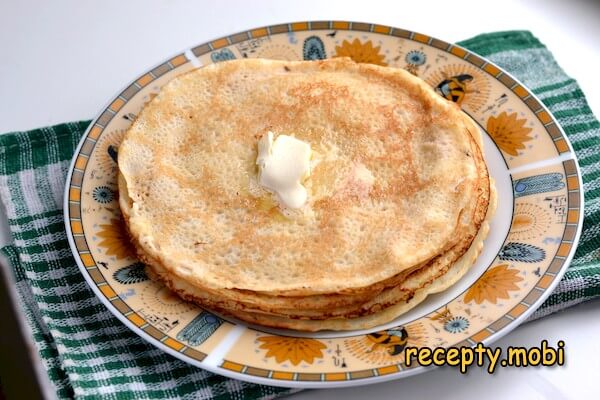
I fry the pancakes without overcooking them – just to a light golden colour. I gradually stack the finished pancakes. If you want the pancakes to stay soft and tender, cover the stack with a domed glass lid (with a hole in it) straight after each pancake to stop them drying out.
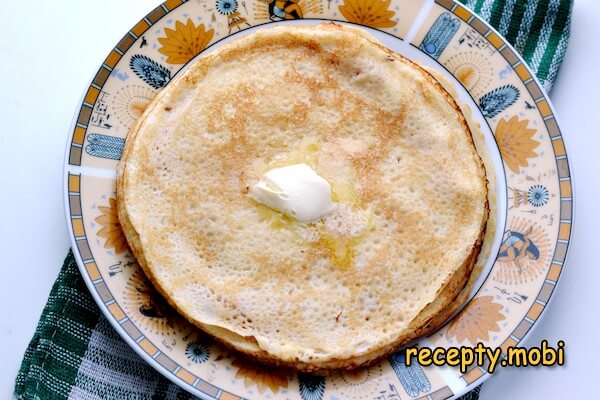
I serve the pancakes from sour kefir hot.Bon appétit!


Tips
- 1
OIL IN THE BATTER is the "secret" to easy flipping. Without it, the pancakes will stick to the pan and tear.
- 2
A SMALL PAN makes it easier to spread the fairly thick kefir batter. A large pan needs more batter and more technique.
- 3
GREASE ONLY THE FIRST ONE – after that, the oil in the batter is enough. Too much oil in the pan makes "greasy" pancakes.
- 4
A LID WITH A HOLE over the stack keeps the pancakes soft and stops them drying out. The same principle works for other kinds of pancakes.
Video
FAQ
Which kefir is suitable? +
Slightly soured kefir is ideal – 1 to 3 days past its use-by date. Any fat content will do – 1%, 2.5% or 3.2%. Do not use kefir with a bitter taste or mould on the surface – it will spoil the pancakes. Alternatives: soured milk (prostokvasha), ryazhenka, whey or ayran. Freshly bought kefir will also work, but in slightly soured kefir the reaction with the egg and flour works better. Sweet "fruit" kefir is not suitable, as it adds unwanted sweetness.
Why add sugar if there is no baking soda? +
Sugar is the "secret" to a golden crust. When heated it caramelises and gives the pancakes a golden colour. Without sugar the pancakes will be "pale", even after long frying. 1 level tablespoon is the optimal amount for unsweetened pancakes. If you want them sweeter (to serve with jam), add 2–3 tablespoons. For savoury pancakes with a meat filling or caviar, leave out the sugar altogether and add more salt. Vanillin is the "children's" option for a pleasant aroma. For the "grown-up" version, leave the vanillin out.
How long do the pancakes keep? +
In the fridge, wrapped in film or in a container, for 2–3 days. Reheating on a dry pan for 30 seconds on each side will bring back their softness. In the microwave, 15–20 seconds (stacked under a damp towel). In the freezer, up to 1 month, layered with parchment for easy separation. Defrost at room temperature for 30 minutes or warm them on a pan. Fresh pancakes are the "stars" – they taste best on the day they are made. On the second day you can make filled pancakes – fill them with cottage cheese, meat or mushrooms and bake them in the oven.
What do you serve the pancakes with? +
Sweet: with sour cream, honey, jam, condensed milk, cream, berries or fruit. With tea, coffee, cocoa or milk. Savoury: with caviar, lightly salted fish, mushrooms, meat, cheese or vegetables. With beer, wine or vodka. Maslenitsa classics: with butter, sour cream, honey and caviar – "wide Maslenitsa". At Easter, pancakes with cottage cheese and raisins. For a picnic, with different fillings in foil. At a buffet, mini-pancakes (5–7 cm in diameter) with caviar and sour cream. For a Russian tea ceremony, with a samovar and bagel rings. For breakfast, pancakes with condensed milk and coffee with milk.
- Comment
or post as a guest
Be the first to comment.