avg —
Soft Sour Cream Gingerbread with Glaze

Instructions
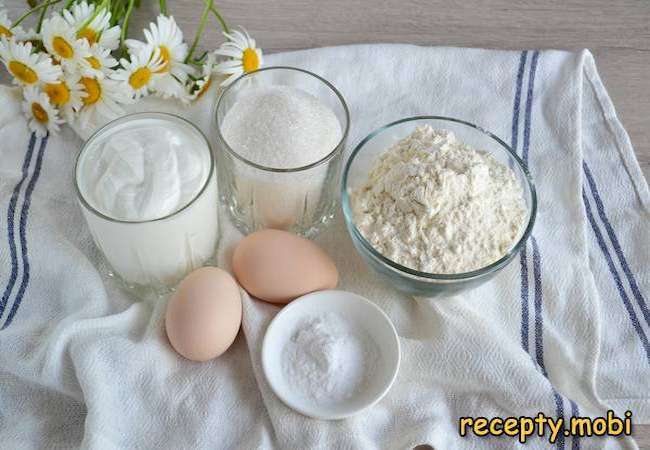
Prepare all the ingredients. You can use any sour cream – its fat content will not affect the taste of the finished cookies in any way. The main thing is that it should be fresh – old sour cream will give a sourish aftertaste.
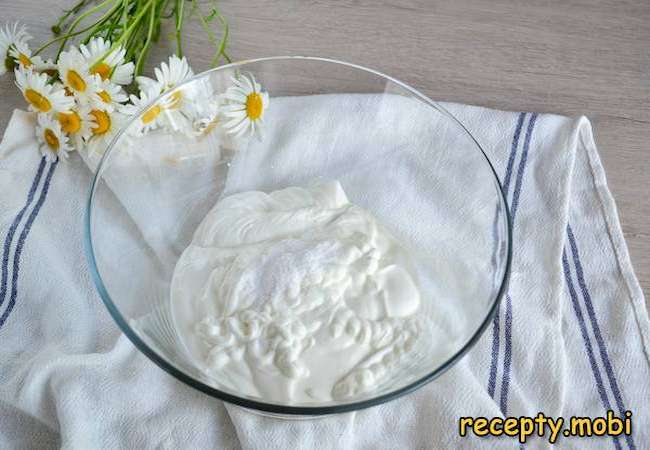
Stir the baking soda into the sour cream and leave it for 10 minutes. Note that the soda must not be out of date, as poor-quality soda will spoil the appearance and the taste. The sour cream itself "slakes" the soda thanks to its acidity, so no vinegar is needed.
After 10 minutes the soda will have "worked" in the sour cream – it will become loose and airy. Add 2 egg yolks (put the 2 whites straight into a dry, clean bowl for whisking – we will use them to make the royal icing), a pinch of salt and 180 g of sugar (the remaining sugar goes into the icing).
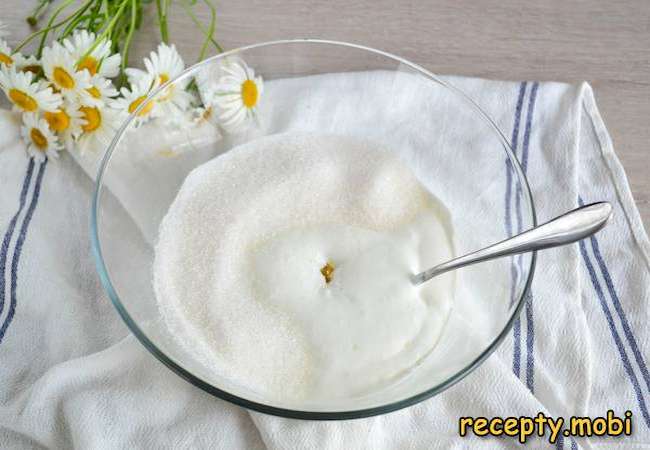
Mix everything together well – you can do it with a spoon. There is no need for a mixer here; simple stirring is enough.

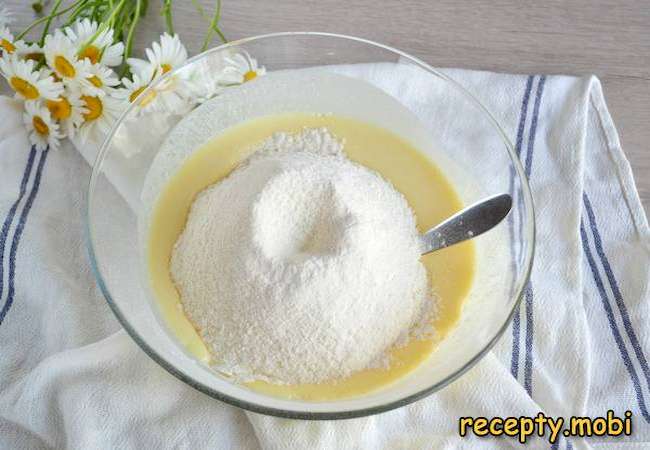
Sift in the flour – first 400 g, and mix well. Add the rest of the flour in small portions so as not to clog the dough with flour. The dough should be soft, tender and slightly sticky to the hands. If you add too much flour, the cookies will turn out dry.
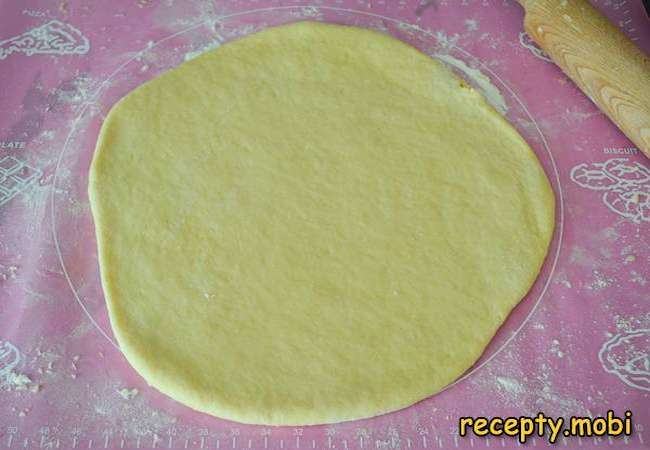
Divide the dough into several parts so it is convenient to roll out. Roll each part into a round 1.5 cm thick. Stamp out the cookies with cutters, a glass or a cup. Do not roll it any thinner – otherwise the cookies will lose their volume when baked.
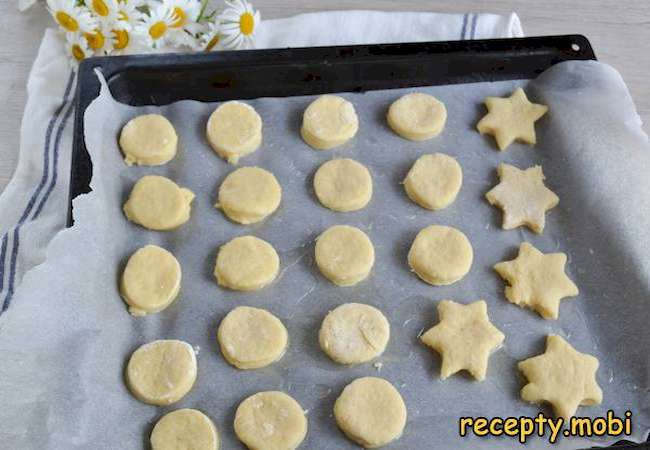
Line a baking tray with parchment and, to be safe, grease it with vegetable oil (you can skip this if you are confident in your parchment). Lay the cookies on the tray and put them in the oven for 15 minutes at 180 °C. The time depends on the power of your oven – make sure the temperature is not too high: the cookies will start to burn on top and especially underneath, while staying raw inside.
For the icing, first whisk the whites, then add 80–100 g of sugar. There is no need to whisk them to a foam – you should get a white mass, runny enough to spread over the cookies.
Spread the icing over the cookies and lay them on parchment to dry. After 20–30 minutes the glaze sets into a hard matt crust.The soft sour cream gingerbread cookies with glaze are ready.Enjoy your tea!



Tips
- 1
ADD THE FLOUR IN PORTIONS – the dough will "take" exactly as much as it needs (400–600 g depending on the moisture of the flour). It is better to add too little than too much.
- 2
The soda MUST be fresh (not out of date) – otherwise the cookies will not rise and will turn out flat like little flatbreads.
- 3
Watch the oven TEMPERATURE of 180 °C – any higher and they will scorch underneath while staying raw inside. Check the cookies after 12–13 minutes.
- 4
The next day the cookies become SOFTER and more aromatic – this is normal. Store them in a tin or a glass jar with a tight lid. I use a similar "resting" effect in other kinds of home baking.
FAQ
What should I do if the dough is too sticky? +
Add flour in small portions (1–2 tablespoons at a time), kneading after each one. The aim is a soft dough that is slightly sticky to the hands but still holds its shape when rolled out. If it sticks to your hands a lot, dust the work surface with flour and roll it out on it. If the dough is too runny, add another 50–100 g of flour and put it in the fridge for 15 minutes. If it is too dry (with too much flour), add 1–2 tablespoons of sour cream and knead again.
What can replace the egg white glaze? +
Alternatives: a sugar glaze (water + icing sugar, 1:3 by weight), a chocolate glaze (melt 100 g of chocolate + 50 g of butter in a water bath), boiled condensed milk (dip into warmed condensed milk), or coloured glaze (egg white icing + food colouring). For children, use bright colours with sprinkles. Egg white icing is the classic, giving a matt hard crust. If you are wary of raw egg whites, use a sugar glaze (sugar + water + lemon juice); the taste is similar. For Easter, add 2–3 drops of beetroot juice to the egg white icing for a pink tint.
How long do the cookies keep? +
In a tin with a tight lid – up to 2 weeks at room temperature. With glaze they keep better than without (the glaze "seals" the cookie and stops it drying out). They are not worth keeping in the fridge – they will absorb odours. In the freezer – up to 3 months in a tight bag. For storage, put a piece of apple in the bottom of the tin – it will "give up" moisture to the cookies and they will stay soft. On the second day the cookies become especially tasty – the dough "matures".
Can I make them without glaze? +
You can, but the appearance will be "plainer". Options without icing: simply dust with icing sugar through a sieve, dip into melted chocolate, leave them plain (the taste will not suffer from this), or brush honey on top. For children it is fun to make them "with a surprise" – tuck a jelly sweet or a piece of chocolate inside before baking. For adults, you can add 1 tsp of cinnamon or ground ginger to the dough for "spiced" cookies in the style of gingerbread biscuits.
- Comment
or post as a guest
Be the first to comment.