avg —
Rich Easter Kulich with Perfect Icing

Instructions
In a deep dish, dissolve the pressed yeast (25 g) in 2 tablespoons of warm milk (38–40 °C) and add 1 tablespoon of sugar – sugar activates the yeast faster. Stir until fully dissolved. Cover with a towel and leave in a warm place (by a radiator or in a switched-off oven) for 10 minutes – a fluffy foam should appear on the surface, a sign that the yeast is alive and working.

Make the starter: pour the remaining warm milk (about 180 ml) into the yeast mixture and add half of the sifted flour (about 200 g). The starter should have the consistency of pancake batter – thicker than sour cream, but thinner than bread dough. Stir, breaking up any lumps with a spatula. Cover and leave for 1 hour in a warm place – the mass should increase by 2.5–3 times.
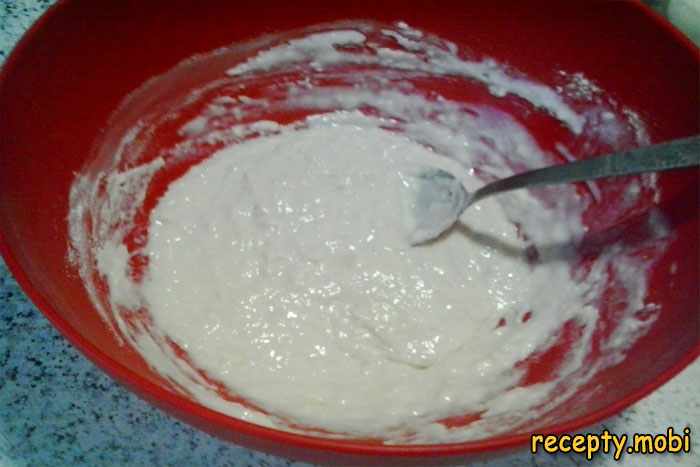
Prepare the enrichments: lightly beat 2 eggs with the remaining sugar (90–130 g) using a whisk, then add the vanilla and a pinch of salt. The mixture should become slightly frothy and pale – this takes 1–2 minutes. There is no need to beat vigorously, otherwise the sugar will make the kulich bubbly.
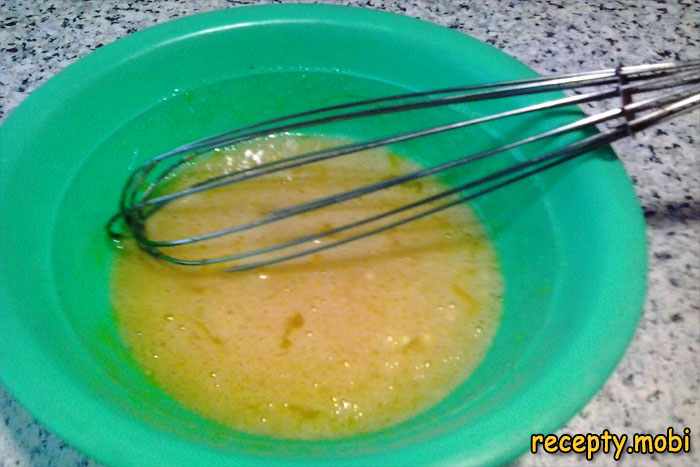
Melt the butter (100 g) in a water bath or in the microwave on minimum power – it should be liquid but not hot (40–45 °C). Hot butter can “cook” the eggs. Reserve a couple of tablespoons for greasing the moulds before baking.
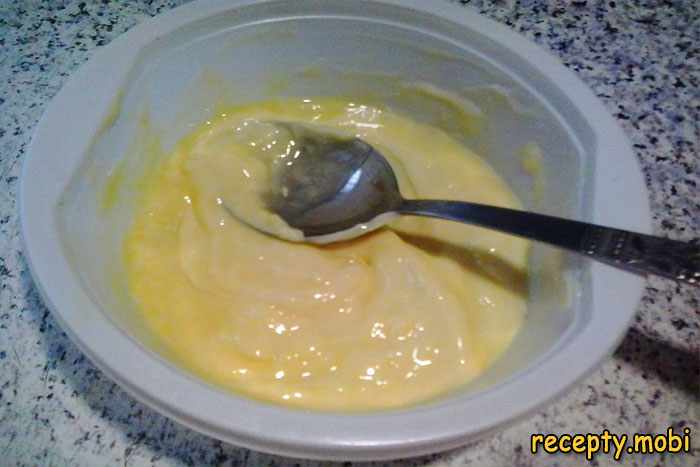
Add the enrichments to the risen starter: the egg-and-sugar mixture and the melted butter in a thin stream. Add the flour gradually, sifting it through a sieve – this saturates the dough with oxygen and makes it more airy. The total amount of flour depends on the size of the eggs and the moisture of the flour – from 380 to 450 g.
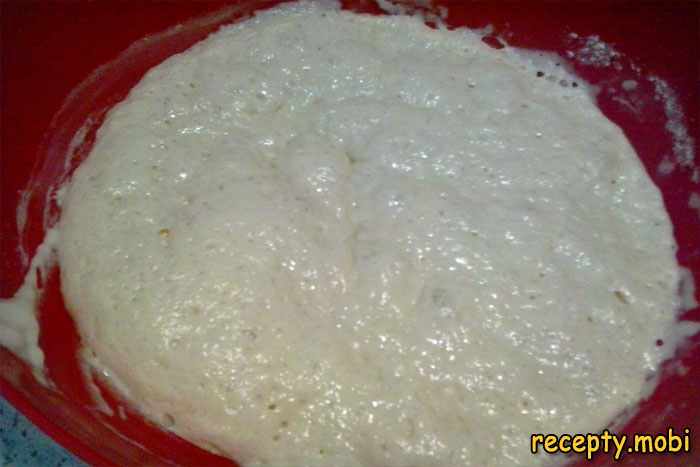
Knead the dough thoroughly in the bowl with a wooden spatula until it starts to come away from the sides. At this stage the dough is still quite sticky – this is normal for rich dough, so do not add too much flour.
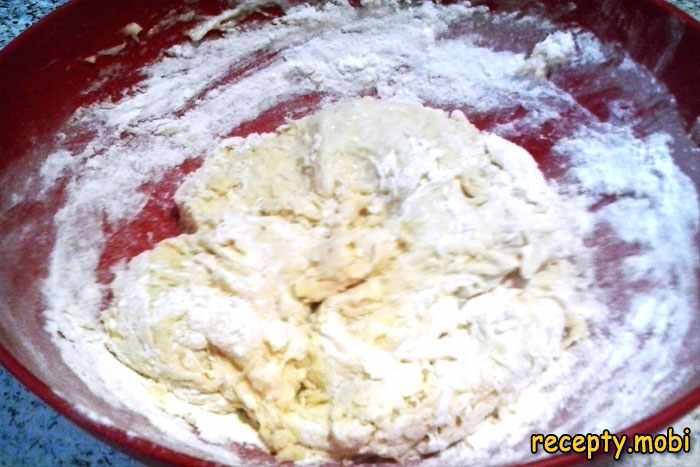
Grease the worktop with vegetable oil, turn out the dough and knead for 4–5 minutes with your palms – it should become smooth, elastic and slightly tacky, but not stick to clean hands. Place it in a greased deep dish, cover and leave for 1 hour in the warmth – the dough will double in size.
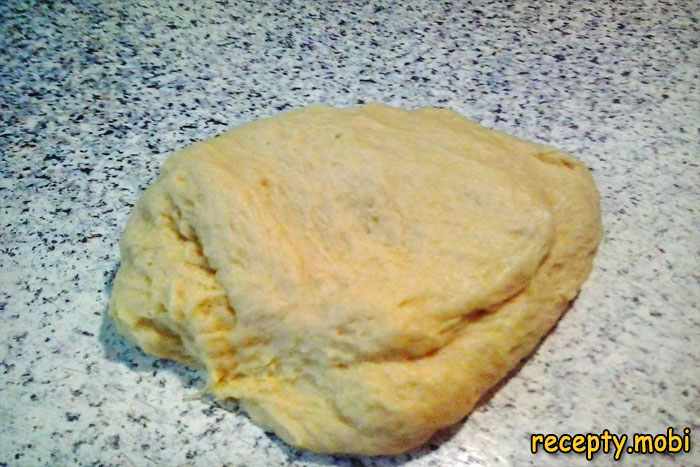
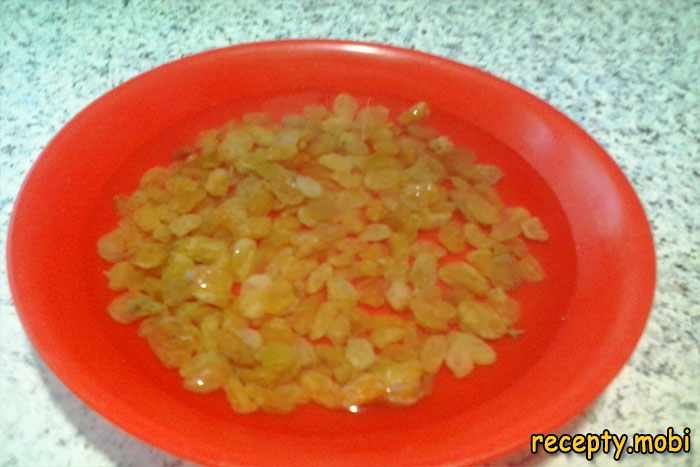
Wash the raisins (80 g) in advance in warm water and dry them on a paper towel – wet raisins will spoil the structure of the dough. Knock back the risen dough to release the gases, add the raisins and knead quickly, distributing them evenly throughout the mass.
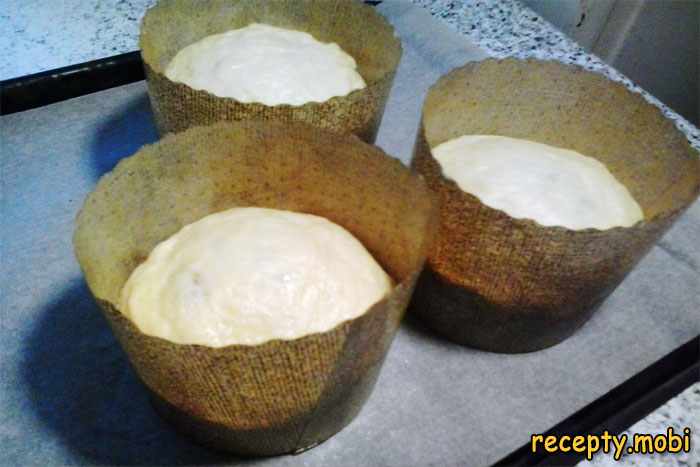
Divide the dough into 3 equal parts by weight (about 280 g each), roll into balls and place in buttered kulich moulds – fill to ⅓ of the height to leave room for rising. Leave to proof in a warm place for 30 minutes, covered with a towel.
Bake the kulichi on the middle rack of an oven preheated to 190 °C for about 40 minutes. Do not open the oven door for the first 25 minutes – the kulich may collapse from the change in temperature. Check for doneness with a wooden skewer in the centre – it should come out dry, with no traces of raw dough.
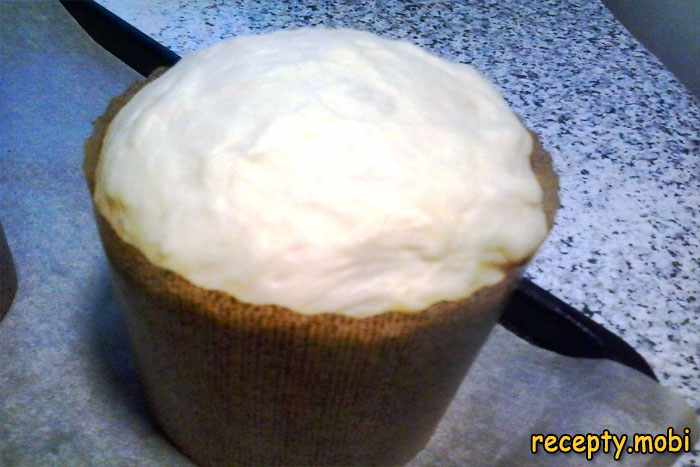
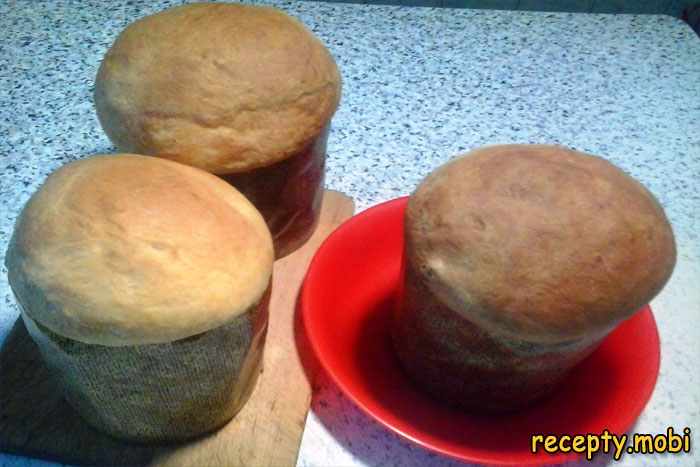
Do not rush to take the browned kulichi out – let them stand in the switched-off oven for 5 minutes so the tops do not sink. While they cool on a wire rack, prepare the gelatin icing – it is much more stable than the classic egg-white one.
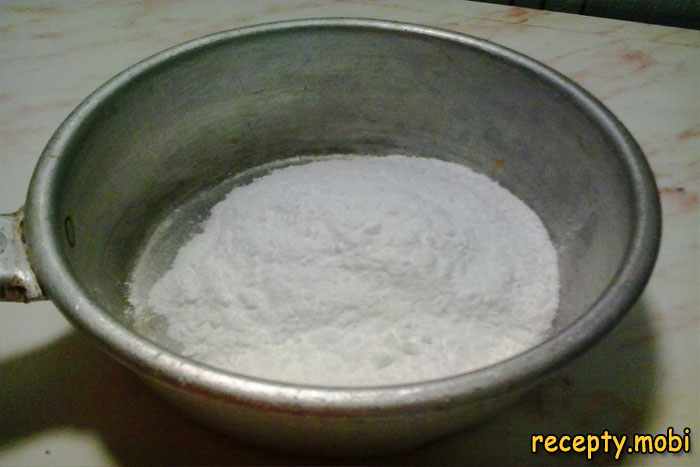
Pour the sugar (100–110 g) into a small saucepan and add 3–4 tablespoons of water. Over low heat, stirring constantly, bring the syrup to the point of boiling but do not let it boil – otherwise the sugar will caramelise and the icing will turn yellowish.
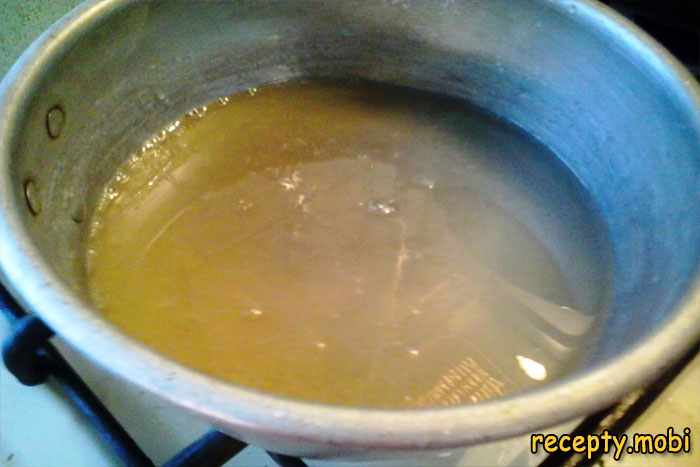
Add the gelatin (1 tsp), dissolved in advance in 2 tablespoons of hot (but not boiling) water – boiling water destroys its gelling properties. Turn off the heat and stir thoroughly until the gelatin is fully dissolved. The mixture will become clear and slightly stringy.
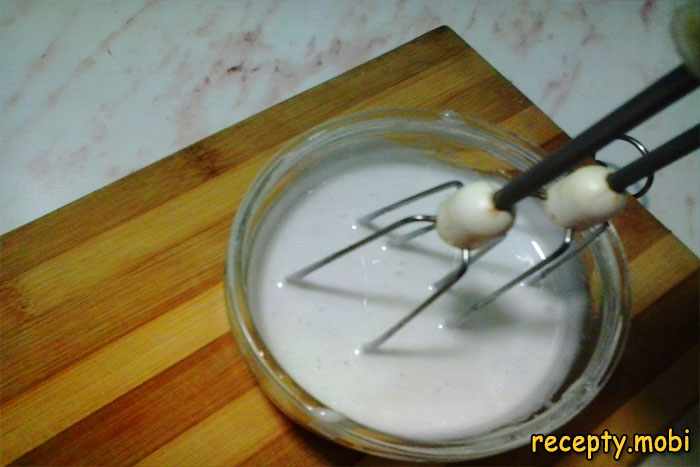
With a mixer on high speed, beat the warm (not hot) sugar-and-gelatin mixture for 3–5 minutes into a thick white mass – the consistency will resemble thick sour cream or a cream. It is the beating that gives it the white colour and a stable structure.
Quickly spread the icing over the tops of the fully cooled kulichi with a palette knife or spoon – it begins to set within 30–60 seconds. Work quickly, as gelatin icing does not give you the chance to “touch up” the layer.
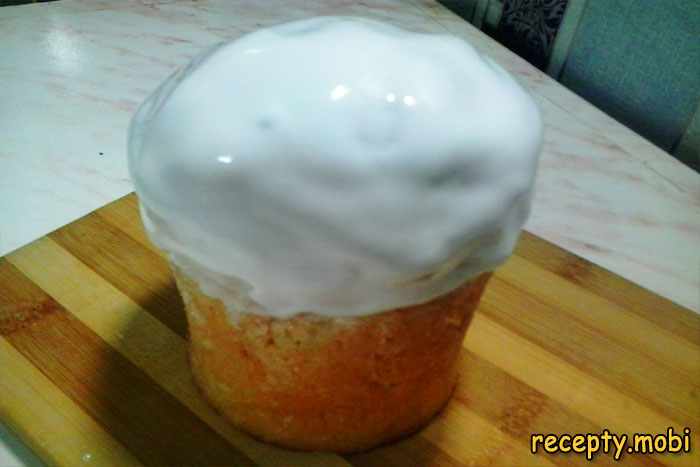
While the icing is still wet, sprinkle with bright caramel crumbs, coconut flakes, grated chocolate or finely chopped nuts – the decoration will stick and will not fall off when slicing. Leave the kulichi to set for 30–40 minutes at room temperature.



Tips
- 1
All the ingredients should be at room temperature 1–2 hours before you start – cold eggs, milk and butter slow down the yeast, the dough rises worse and the kulich turns out dense.
- 2
The pressed yeast (25 g) can be replaced with dry yeast, but use three times less – 8 g will be enough. Add dry yeast straight into the flour, without dissolving it in milk.
- 3
Do not open the oven for the first 25 minutes of baking – a sharp change in temperature causes the kulich to sink and lose its airiness. Keep an eye on it through the glass of the door.
- 4
Gelatin icing for kulichi made at home is the best choice: it does not crumble or flake off, and it has a beautiful shine. The classic egg-white icing cracks quickly and stains the packaging.
FAQ
Why didn’t my Easter kulich rise? +
The main causes: the yeast was not fresh (check for foam after 10 minutes – if there is none, throw it out and use new yeast), the milk was hotter than 40 °C (hot liquid kills the yeast), a cold room (dough does not rise in the cold), or too much sugar. The ideal temperature for proofing the dough is 28–30 °C; in a draught it will not rise at all. Use good-quality pressed yeast with a shelf life of no more than 2 weeks.
Can the dough for Easter kulichi be frozen? +
Yes, after the first rise the dough can be frozen for up to 1 month – divide it into portions, grease with oil and wrap in cling film. Defrost in the fridge overnight or for 6–8 hours, then place in the moulds and let it proof for 1.5–2 hours in the warmth before baking. Finished, cooled kulichi also freeze well without icing for up to 2 months.
How long do rich Easter kulichi keep? +
In cling film or an airtight bag at room temperature, the kulichi keep for 5–7 days, staying soft. Gelatin icing keeps them fresh longer than egg-white icing, as it creates a protective barrier against drying out. In the fridge the storage time increases to 10–12 days, but the crumb may go slightly stale – warm it in the microwave for 20 seconds before serving. Frozen kulichi (without icing) keep for up to 2 months.
Why does the gelatin icing run off the kulich? +
The icing was not beaten enough – the mixer needs to run for 3–5 minutes on high speed to a thick white mass. Another reason is a hot kulich: spread it only on fully cooled baking, otherwise the icing will melt and run down the sides. Also, do not add too much water to the syrup – stick to 3–4 tablespoons at most. If the icing has turned out runny, add 1–2 tablespoons of powdered sugar and beat it again.
- Comment
or post as a guest
Be the first to comment.