avg —
Lavash Chebureks with Minced Meat in a Skillet

Instructions
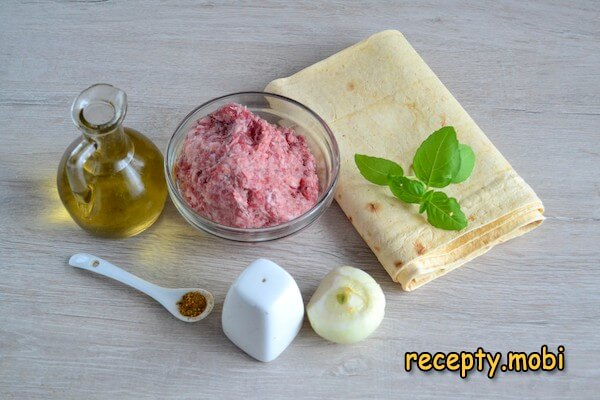
Get all the necessary ingredients ready. You can use ready-made store-bought mince or make your own. Beef, pork-and-beef, or chicken all work – it depends on your taste.
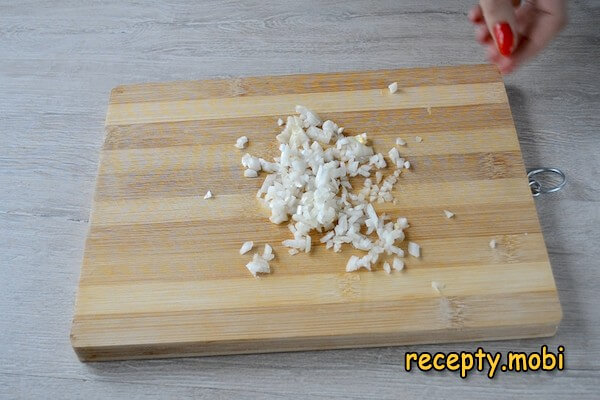
Chop a small onion as finely as possible – you can pass it through a meat grinder or grate it.
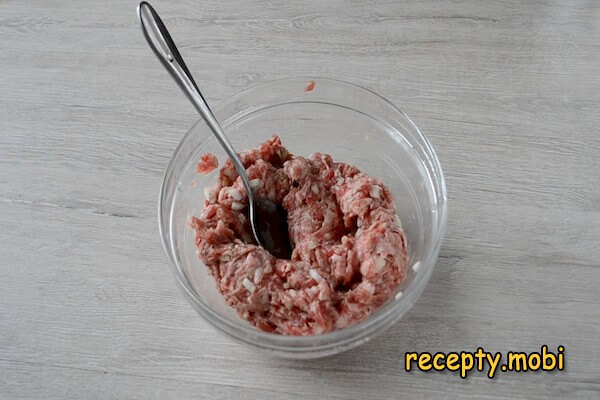
Add the onion to the mince, season with salt, pepper, and spices to taste, and mix well.
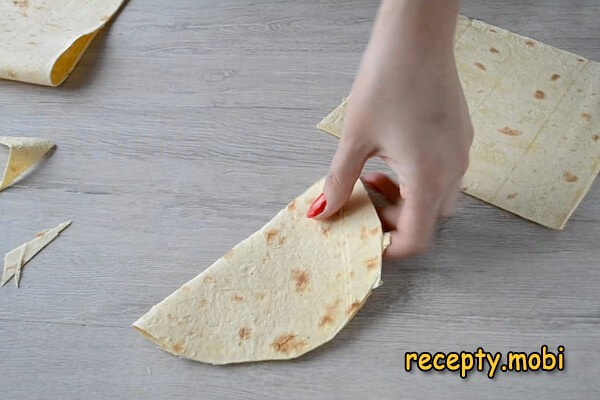
Cut the lavash into squares about 15×15 cm. Fold each square diagonally and trim off the excess – you'll get a semicircle.
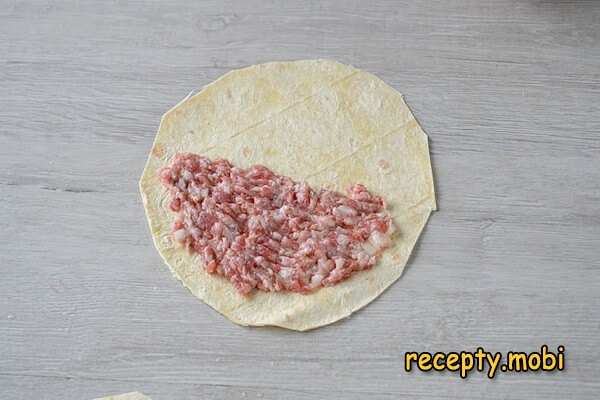
Unfold the lavash and place a small amount of mince in a thin layer on one half, leaving about 1–1.5 cm from the edge.
Brush the edges of the lavash with water and press them together.
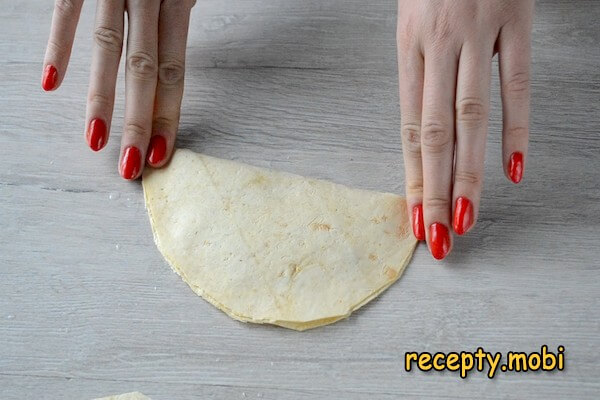
Heat the vegetable oil well in a skillet, add the chebureki, and fry over medium heat until golden. The mince cooks quickly inside – it takes only a few minutes.
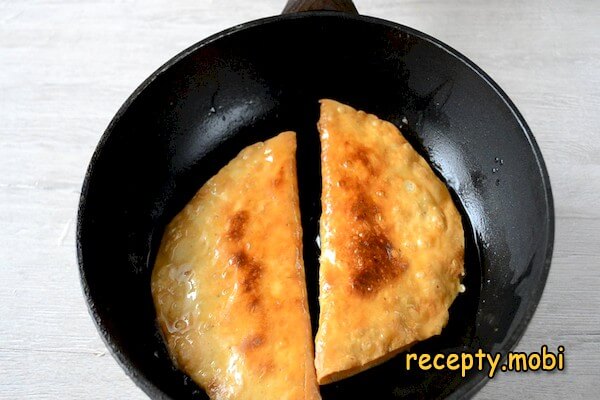
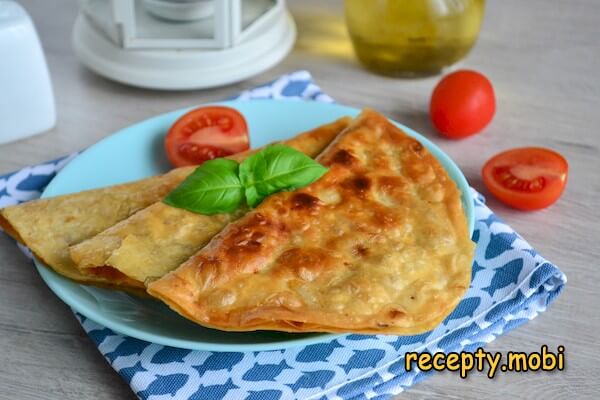
The lavash chebureks with minced meat in a skillet are ready. They come out juicy inside and crispy outside.Bon appétit!


Tips
- 1
Lavash in 15×15 cm squares is the ideal size. Squares that are too big are hard to flip, and ones that are too small hold too little filling.
- 2
Water on the edges "glues" the cheburek shut while it fries. Without it the lavash comes apart and the filling falls out into the oil.
- 3
A thin layer of mince is the key to even cooking. A thick layer won't cook through inside in the time it takes the lavash to fry.
- 4
Plenty of oil is a "cheburek" trait. Fry them "as if deep-frying", otherwise the chebureki won't turn out crispy. The same principle works for other kinds of chebureki and fried dumplings.
Video
FAQ
Which mince should I choose? +
The classic for chebureki is a 50/50 pork-and-beef mix (juicy and filling). Alternatives: beef (leaner), lamb (an Eastern note), chicken (light), or turkey (more tender). If you buy ready-made, check the ingredients (no soy or starch). Freshly ground at home is tastier, as you control the quality. A fat content of 25–30% is ideal for juiciness. Defrost frozen mince in the fridge for 6–8 hours. For a "children's" version, use chicken or turkey with a tablespoon of sour cream added for tenderness. Pork with streaks of fat is the "premium" option.
Which lavash should I choose? +
Thin Armenian lavash (unleavened) is ideal, with no extra additives. A size of 36×50 or 30×40 cm, elastic, with no cracks, is best. Check for freshness: the lavash should be soft and not break when rolled. If your lavash is "old", sprinkle it with water or cover it with a damp towel for 10 minutes. Georgian lavash (thicker, leavened) won't do – the cheburek will turn out lumpy. Fresh lavash is the foundation of successful chebureki. With no lavash, use thin unleavened dough made with water.
How long do chebureki keep? +
They are best freshly cooked. In a container in the fridge they keep for up to 24 hours, but they lose their crispness. Reheating in a skillet with a teaspoon of oil for 1–2 minutes per side brings the crunch back. A microwave makes them "rubbery", so it's best avoided. I don't recommend the freezer: lavash and mince lose their texture after thawing. Cook just enough for one meal – they're at their best in the first 30 minutes after frying. Don't leave them at room temperature for more than 2 hours, as the filling spoils quickly. For a "lunch to go", wrap them in foil – they're easy to carry.
What goes well with chebureki? +
The classics: sour cream, ketchup, adjika, or a garlic sauce (mayonnaise + garlic + herbs). With Greek yogurt and herbs for a lighter option. With a light or unfiltered beer for a "hearty" serving. With pickled cucumbers or sauerkraut. Alongside a cup of warm tea or coffee. They're handy for an "office snack" – they don't crumble. For a picnic, serve them cooled in foil. With a glass of dry red wine (Cabernet) for a "grown-up" serving. For a "family lunch", serve with a fresh vegetable salad. For children, serve with a tomato sauce without hot spices.
- Comment
or post as a guest
Be the first to comment.