avg —
Cheese Flatbreads from Yeast Dough

Instructions
First of all, I warm the butter. In a deep bowl I combine the warm milk and water with the crumbled yeast and sugar. I stir until everything is fully dissolved. I leave it for a few minutes to activate the yeast.

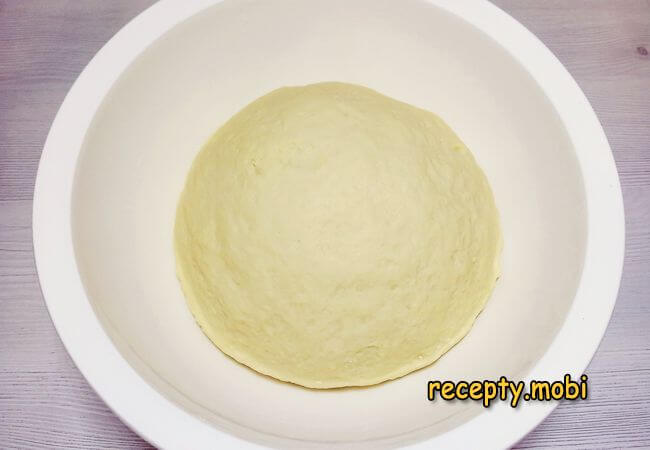
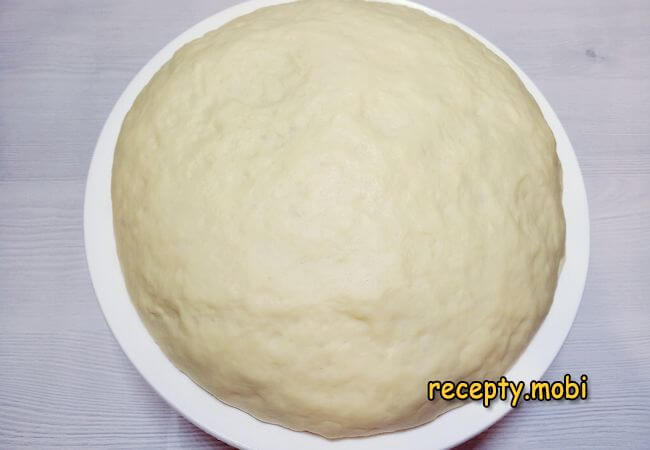
As soon as the surface of the starter turns into a characteristic fluffy "cap", I add the salt, the vegetable oil and the butter. I mix all the ingredients. I add the flour in 2–3 batches. I try to get a light, elastic dough that holds its shape well but sticks slightly to the hands. Kneading takes about 5 minutes. I put the dough into a greased container, cover it and leave it on the counter for 40–50 minutes.
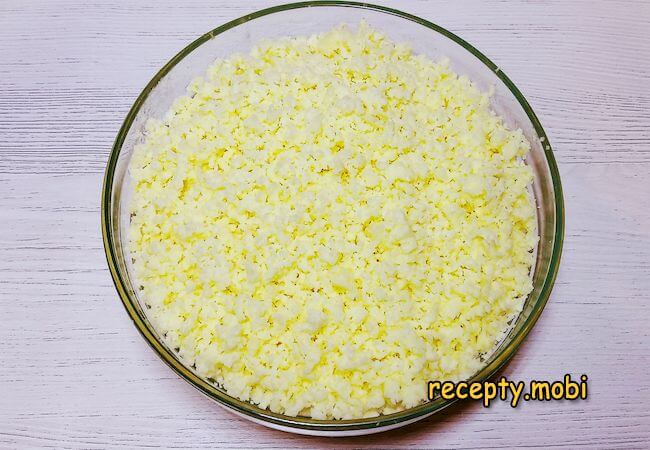
I grate the cheese on the medium or fine side of a grater.
I divide the risen dough into 8 equal pieces.
With my palms I roll each piece into a ball.
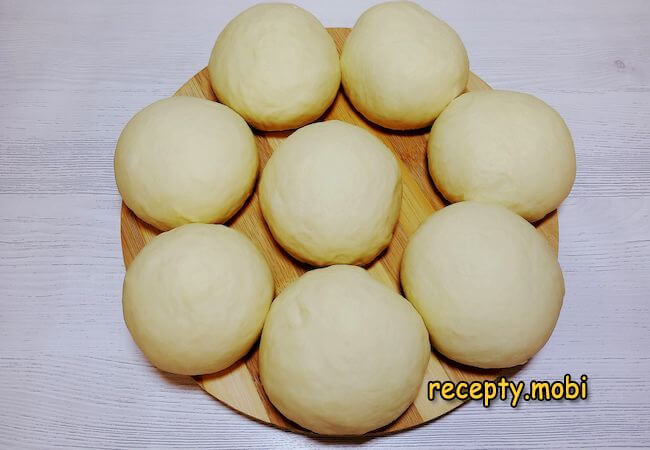
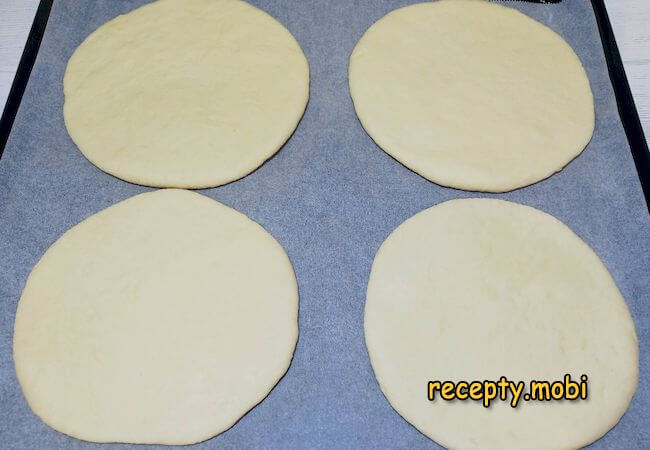
I cover the pieces with film. The resting time is 10 minutes. I line two baking sheets with parchment. With a rolling pin I form each ball into a flat flatbread. I place the thin rounds of dough onto the baking tray.
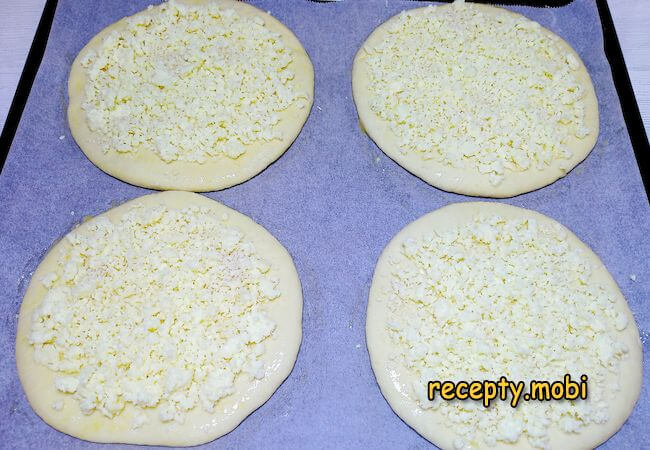
After 10 minutes I brush the risen pieces with beaten egg. On top I evenly spread the grated cheese and sesame seeds.
I heat the oven to 200 °C and bake the cheese flatbreads for no more than 25 minutes. I generously brush the ready flatbreads with liquid butter.
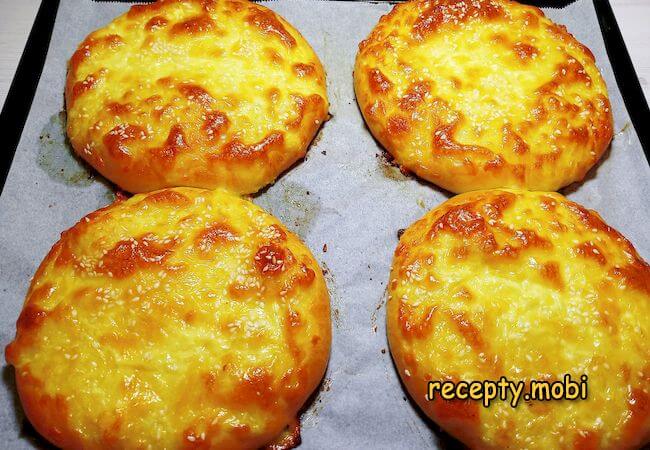
I serve the hot cheese flatbreads as a complete dish for a family breakfast, or as an appetising addition to borscht, soups and vegetable salads.Bon appetit!



Tips
- 1
ACTIVATE THE YEAST in warm (35–40 °C) milk with sugar – a foam "cap" is a sign of fresh, working yeast. Without the "cap" the dough will not rise.
- 2
BUTTER AT THE END – brush the hot flatbreads generously. This is the key to the signature "sheen" and the aroma of melted milk.
- 3
THE DOUGH should be elastic and slightly sticky to the hands – do not add too much flour, otherwise the flatbreads will turn out "rubbery".
- 4
A 10-MINUTE REST between rolling out and baking is essential. It lets the flatbreads "rise" a second time and become airy. A similar principle works for other yeast flatbreads.
FAQ
Which yeast should I choose? +
The best choice is fresh pressed yeast (in 100 g blocks) – it gives the richest flavour and the most "airy" dough. Dry active yeast also works (20 g fresh = 7 g dry active = 6 g instant). Instant yeast (Saf-Moment) is the most convenient and does not require a starter. Any of them suit this recipe. To check the freshness of fresh yeast: it should break easily (not go soft), have a pleasant "yeasty" smell, and a greyish-brown colour with no mould. To check dry yeast – a foam "cap" in warm milk after 10 minutes.
Which cheese is best? +
For this recipe, hard cheeses that melt well are suitable: Gouda, Edam, Russian, Maasdam, Cheddar. For a brighter flavour – Parmesan or Grana Padano (mix with a soft cheese). Suluguni gives a "salty Caucasian" accent. Mozzarella – for a more "pizza-like" flavour. Avoid processed cheese spreads (they run) and blue cheeses (too sharp a flavour). 400 g of cheese is a generous amount; you can reduce it to 300 g for more "bread-like" flatbreads.
How long do the flatbreads keep? +
In a closed container at room temperature – 2 days. The next day they lose their softness – but it can be restored: warm them for 5 minutes in the oven at 150 °C. In the refrigerator – up to 5 days, but the flavour deteriorates. In the freezer – up to 2 months in a freezer bag. Thaw in the oven for 10 minutes at 180 °C – they come out like fresh ones. For convenience, freeze a few separately for an "express breakfast": from the freezer → into the oven → hot flatbreads in 12 minutes.
What to serve them with? +
They are versatile. With soups (borscht, solyanka, cream soup) – instead of bread. At breakfast with butter and honey. As a snack with preserves or jam. With dairy products (sour cream, ryazhenka, soured milk). Reheated – on their own, as "fast food". With tea or coffee – like a biscuit. For a grown-up version – with beer or dry white wine. For an "Eastern" accent – with hummus, baba ganoush or tzatziki. An excellent alternative to bread in sandwiches – cut them horizontally and make a "sandwich".
- Comment
or post as a guest
Be the first to comment.