avg —
Viennese Cookies

Instructions
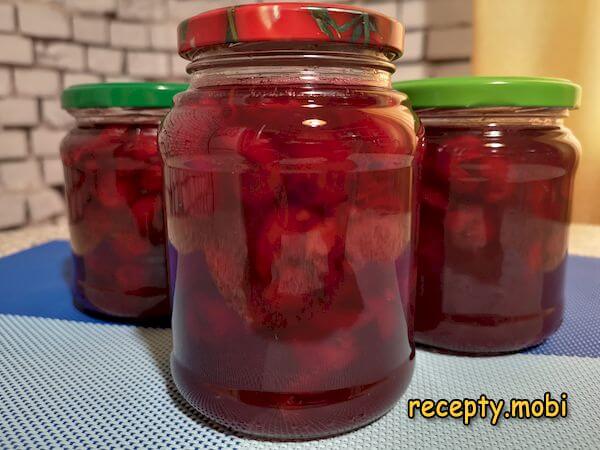
I prepare the ingredients for the Viennese cookies. The butter is best taken very cold, or better still frozen: then the gratings will not melt in the warmth of your hands and the dough turns out genuinely crumbly. The fat content of the butter should be at least 72%. It is not worth replacing the butter with margarine – this noticeably affects the flavour and crumbliness of the bake. For the filling, redcurrant or blackcurrant jam suits best – the tartness of the berries harmonises beautifully with the sweet shortbread.
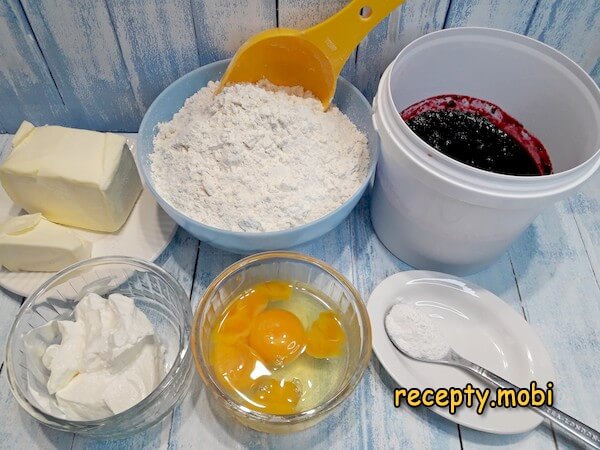
I put all the dry ingredients into a bowl and stir them with a whisk – mixing them dry helps the baking powder spread evenly through the flour.
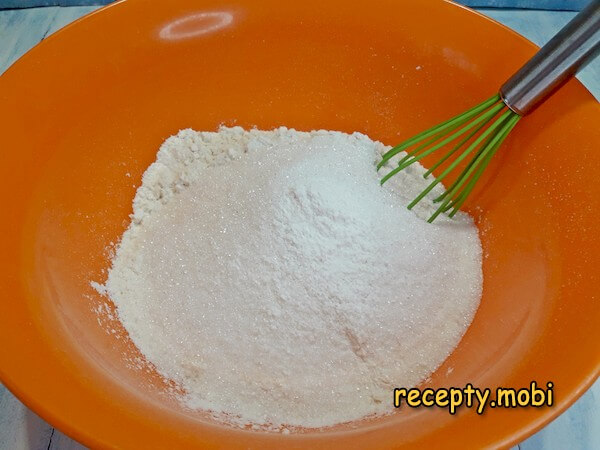
I grate the frozen butter on a coarse grater, dipping it into the flour from time to time – this way the gratings do not stick together in lumps and spread easily through the dry ingredients.
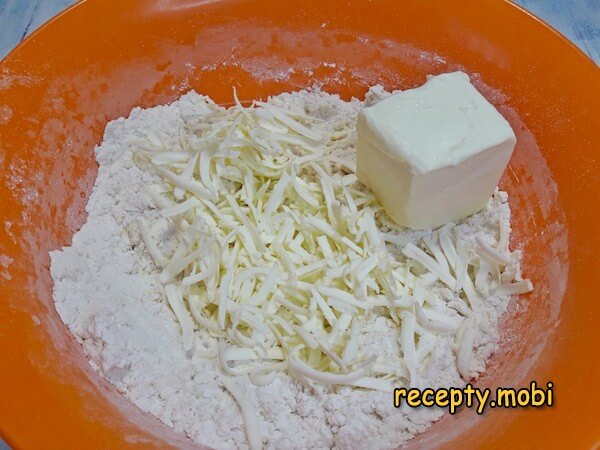
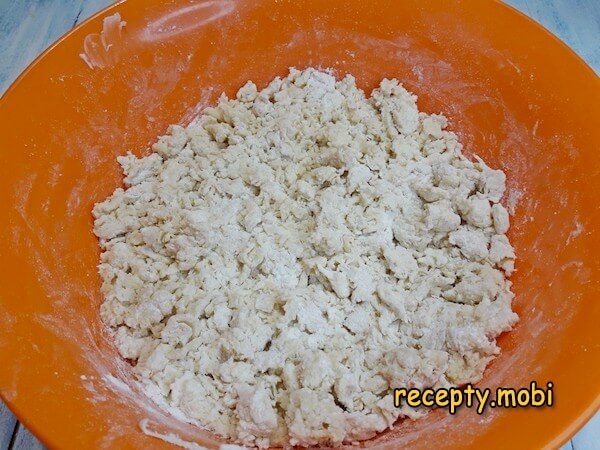
With my hands I rub the flour mixture together with the buttery crumb. I try to do this quickly, before the butter melts from the warmth of my hands – it is precisely the cold grains of butter inside the dough that give the characteristic shortbread crumbliness.
In the resulting mixture I make a well, into which I place the eggs and sour cream – this is exactly the well method by which classic shortbread dough is mixed, so that the liquid ingredients do not have time to "melt" the structure of the buttery crumb.
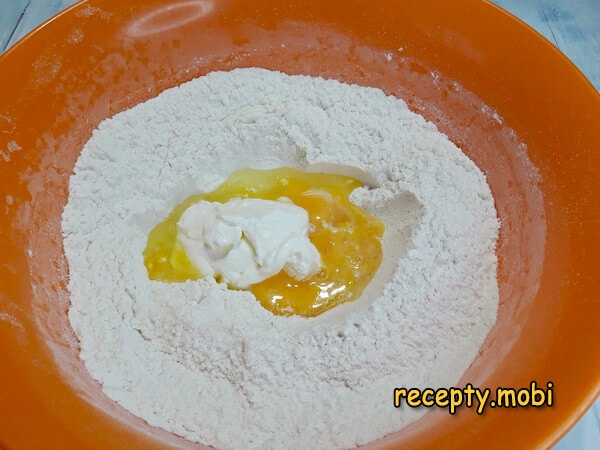
I begin to bring the wet and dry parts together, first with a spoon and then with my hands. Shortbread dough should not be kneaded for long – you just need to gather it into a single ball. A long knead activates the gluten and the dough turns rubbery rather than crumbly. The mix comes out soft and not at all sticky to the hands.
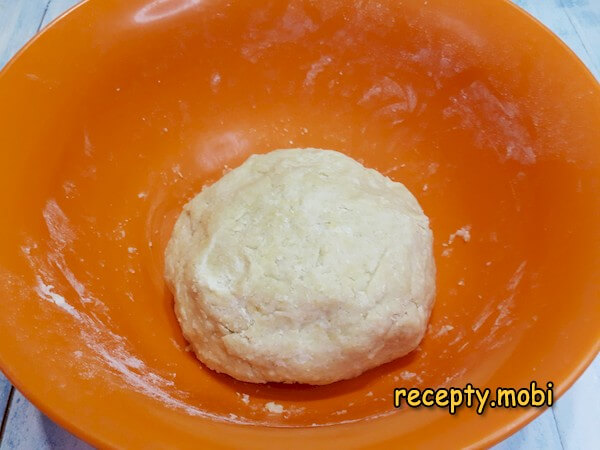
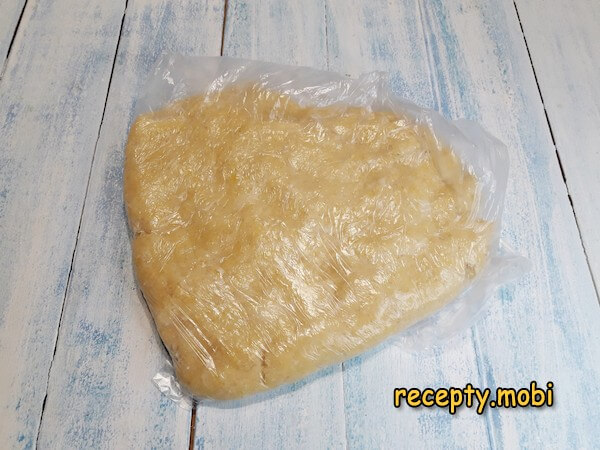
I separate one third of the shortbread mass from the whole and put it into a bag. This part will be frozen in the freezer and then turned into grated crumbs for the top of the cake. To make the process faster, I flatten the dough a little – a thin piece freezes through in 20–30 minutes instead of an hour for a thick lump.
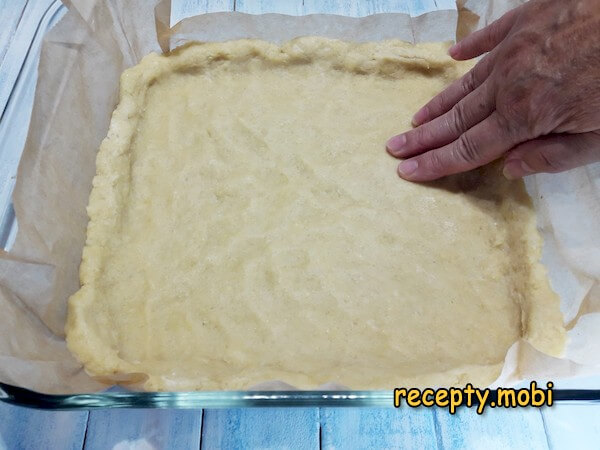
I line the pan with silicone parchment – without it the crumbly dough will stick fast to the bottom. The remaining two thirds of the dough I press across the bottom with my hands, turning up low edges – they are needed so the jam does not leak out at the sides of the pan when heated.
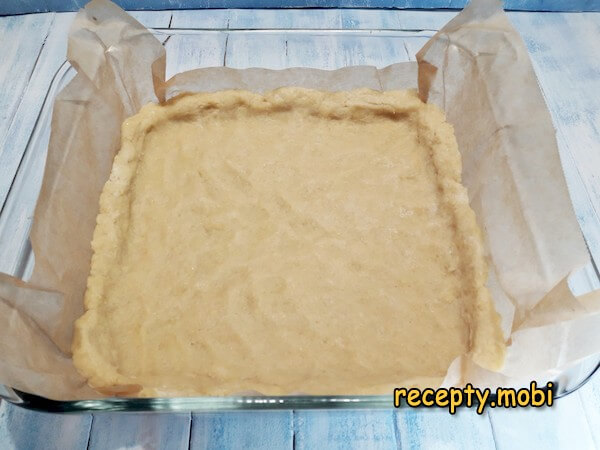
Once the shortbread base is formed, I put the pan into the fridge for 20–25 minutes – the dough stabilises, the butter sets again, and during baking the cake will not "spread". In that time the piece lying in the freezer also freezes through enough.
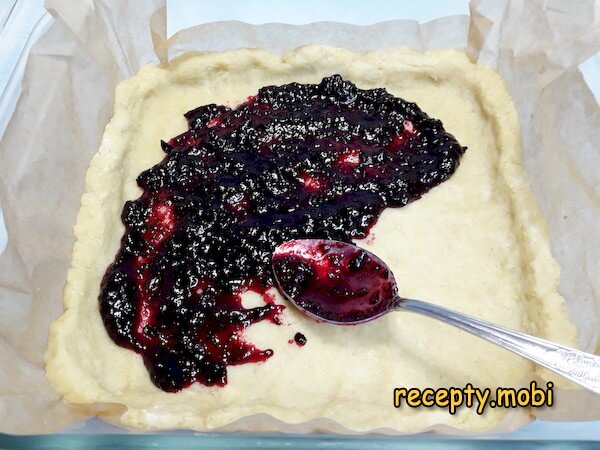
After the stated time I spread blackcurrant jam over the shortbread base – evenly across the whole surface up to the edges, in a thin layer 5–7 mm thick.
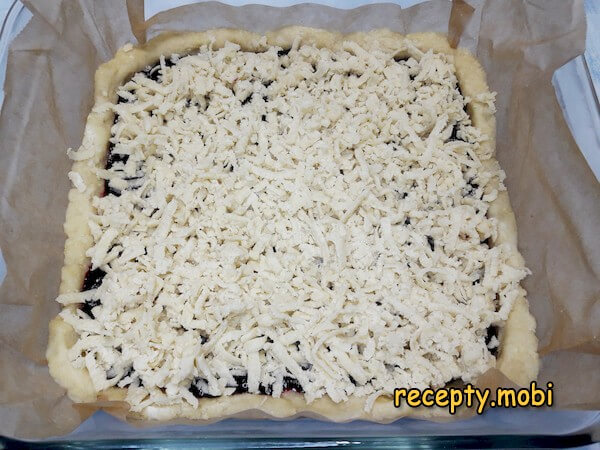
I sprinkle the top of the base with shortbread gratings, made by grating the frozen piece of dough. The gratings should cover almost all the jam, but not as a dense solid layer – there should be gaps between the grains to let air through for a golden crust.
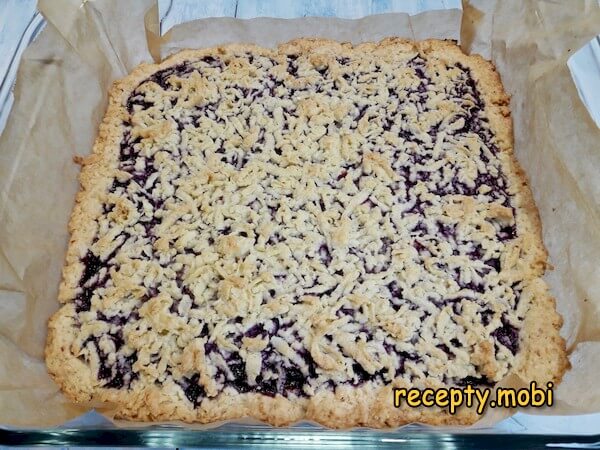
The oven should be heated to 190 degrees. I put the tray with the base in for about 35 minutes. I do not take the finished bake out of the pan straight away – I let it cool and stabilise, after which the cake can be cut into serving pieces. Hot baking is too fragile and crumbles under the knife.Very tasty and fragrant, Viennese cookies fill the home with comfort and warmth. A cup of hot tea with a piece of homemade baking will help you spend a pleasant evening among family.


Tips
- 1
FROZEN BUTTER is the "secret" to crumbliness. Softened butter smears through the flour and the dough turns out dense, like dumpling dough. Frozen butter grates into coarse gratings and stays cold right up to baking – it is these grains in the heated dough that turn into the characteristic shortbread pockets.
- 2
DO NOT KNEAD FOR LONG – the "secret" against a rubbery texture. A long knead activates the gluten, the dough becomes springy and dense – instead of "melting in the mouth" you get "tough chewing". A minimal knead "to a ball" keeps the shortbread structure intact.
- 3
TART JAM is the "secret" of balance. A sweet jam (cherry, raspberry) on sweet dough gives a cloying dessert that quickly becomes tiresome. Blackcurrant, redcurrant, gooseberry, tart cranberry – these balance the sweetness of the dough and make the flavour more many-sided.
- 4
20–25 MINUTES IN THE FRIDGE – the "secret" of the cake's shape. Warm dough spreads in the oven, the edges sag, the jam leaks out. Stabilising in the fridge sets the dough in the right shape and keeps it during baking.
FAQ
Which jam is best for Viennese cookies? +
The "classic" is a thick jam of blackcurrant or redcurrant (300 g – the ideal tartness). Alternatives: apricot or plum fruit spread (300 g, a touch sweeter), gooseberry jam (300 g, a premium option with a light astringency), lingonberry preserve (300 g, an exotic choice for Viennese cookies), raspberry confiture (300 g – for those who like it sweeter). Do not use: a runny syrup without pieces (it will leak out during baking), preserves with whole berries (the lumps will not give an even layer), or shop-bought light jam with pectin in the ingredients – it often bubbles when heated and spoils the look.
Can the sour cream in the dough be replaced? +
Yes, but the effect is a little different. Sour cream 20% is the "classic", giving softness and a light tartness. Alternatives: full-fat kefir 3.2% (80 g, a lighter texture), plain Greek yogurt (80 g, a touch denser), cream 20% (80 g, a sweetish note), mascarpone (80 g – premium, a very tender dough). Do not use: milk (a different result, the dough will not be as crumbly) or low-fat cottage cheese (too dry, it would need extra liquid). For a vegan version, use 80 g of unsweetened plant-based yogurt + 20 g of vegetable oil.
How long do the finished Viennese cookies keep? +
In an airtight container at room temperature – 3–4 days without losing texture. On the second day the flavour becomes richer, as the jam soaks more deeply into the shortbread crumbs on top. In the fridge – up to 7 days, but the dough dries out a little; before serving it is best to warm the pieces for 30 seconds in the microwave. In the freezer, individual pieces can be kept for up to 1 month, thawing at room temperature. Signs of spoilage: mould on the jam, a sour smell, significant hardening of the base. On a family tea table the baking usually "disappears" within the first day.
What to serve with Viennese cookies? +
The "classic" is hot black tea with lemon or milk. Also suitable: natural espresso coffee or cappuccino, cocoa, warm milk with honey, homemade compote or fruit drink. With the cake you can serve a scoop of vanilla ice cream – the combination of warm and cold is very striking. For the children's table: with cocoa and whipped cream. For the grown-ups' toast: with dessert wine or Baileys liqueur. A versatile home dessert for a family tea or for receiving guests. It is not served with strong spirits – a clash of flavours.
- Comment
or post as a guest
Be the first to comment.