avg —
Crackers on Carbonated Water

Instructions
I sift the flour (600 g) into a deep bowl – this saturates it with oxygen, so the dough turns out more tender and easier to work with.
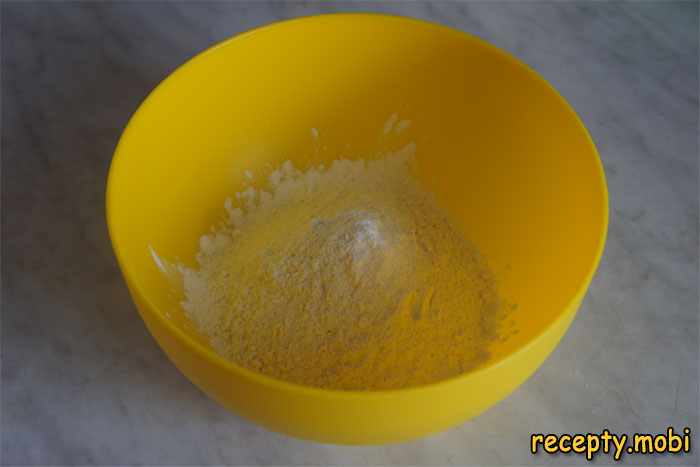
I make a well in the flour and add the sugar (1 tbsp) and salt (2 tsp, level) into it. The sugar is there for flavour and a light golden colour when frying, while the salt makes the dough more elastic.
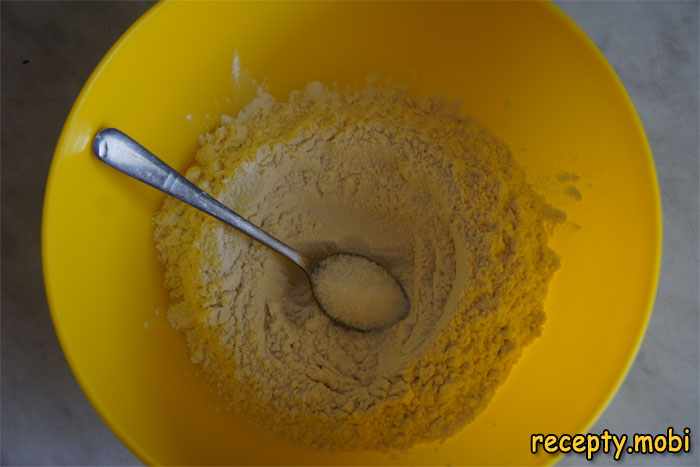
I pour a cup of ice-cold carbonated water into the well. It is important to use cold water specifically – the gas bubbles make the dough airy, and the cold prevents the gluten from sticking together, keeping the dough tender.
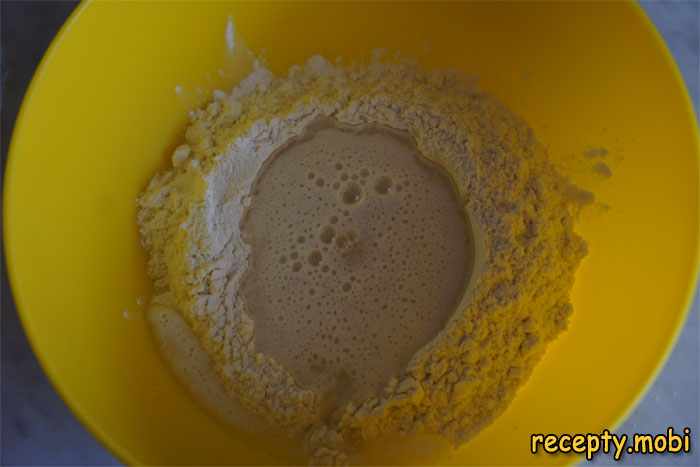
I stir first with a spoon, and once the dough thickens, I knead it by hand. If needed, I work in a little more flour. The dough should turn out elastic, not stiff, and pleasant to handle. For convenience I grease my hands with vegetable oil – that way the dough does not stick.
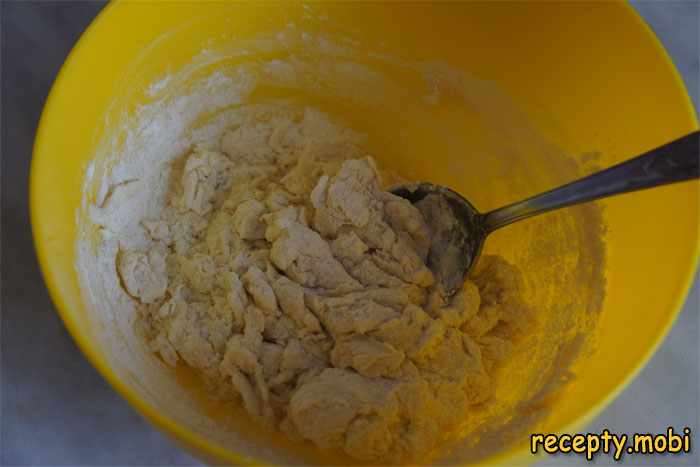
I cover the finished dough with a clean towel or napkin and leave it to rest for 20 minutes. This is important – the gluten relaxes, and the dough becomes easier to roll out very thinly.
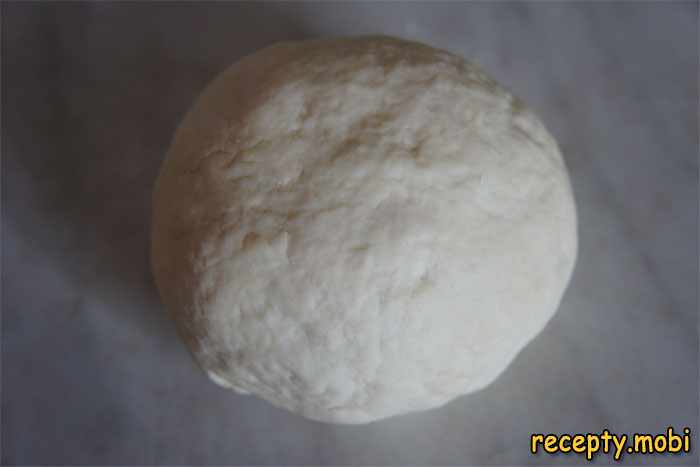
After resting, I take a portion of dough that is convenient to work with and leave the rest in the bowl under a napkin so it does not dry out. I roll the piece out as thinly as possible on a floured table. The thinner the rolling, the crispier the verguny turn out – the ideal thickness is about 2 mm.
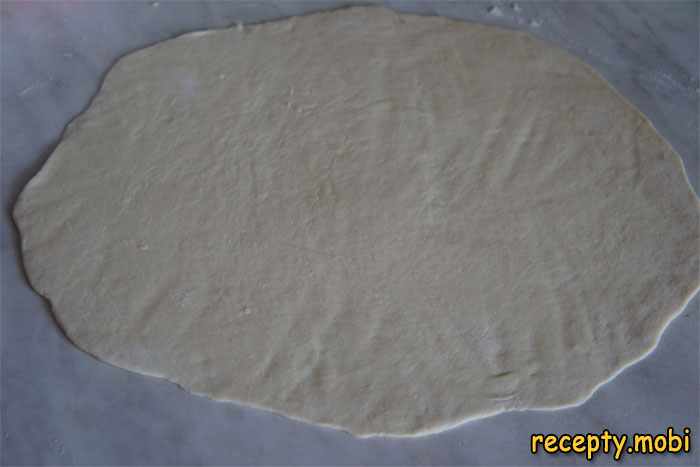
I cut the rolled-out dough into strips about 3 cm wide, then cut the strips into pieces about 8 cm long. This makes rhombuses – the classic shape for verguny.
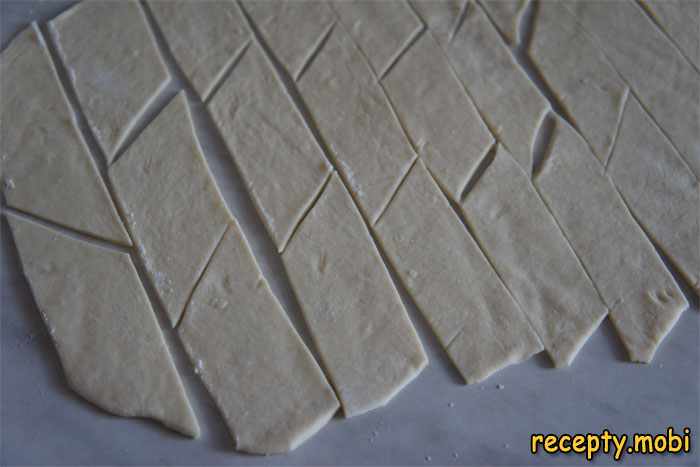
In the centre of each rhombus I make a small lengthwise slit about 3 cm long. I will pull a corner of the rhombus through this slit to form the characteristic twisted shape.
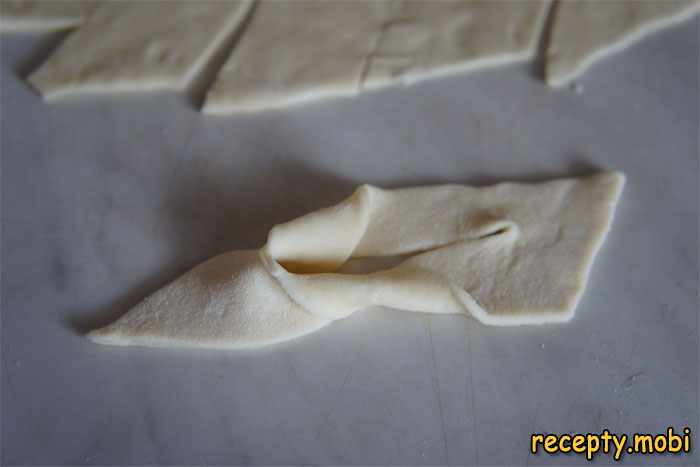
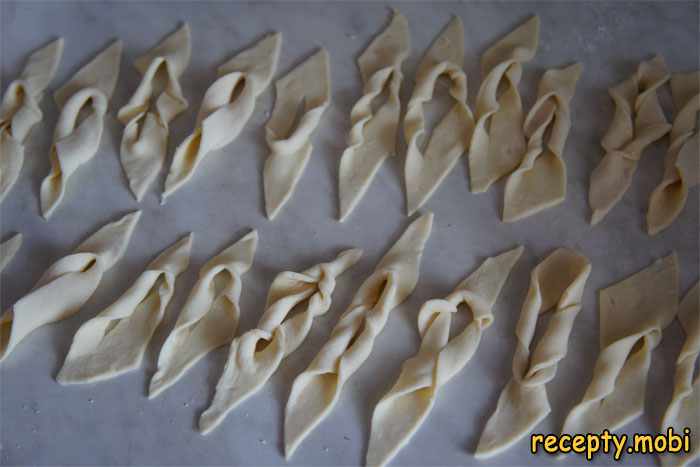
I thread one pointed corner of the rhombus through the opening, turn it slightly and return it to its place. The result is a pretty twisted shape. I carefully lay the piece on the floured table.
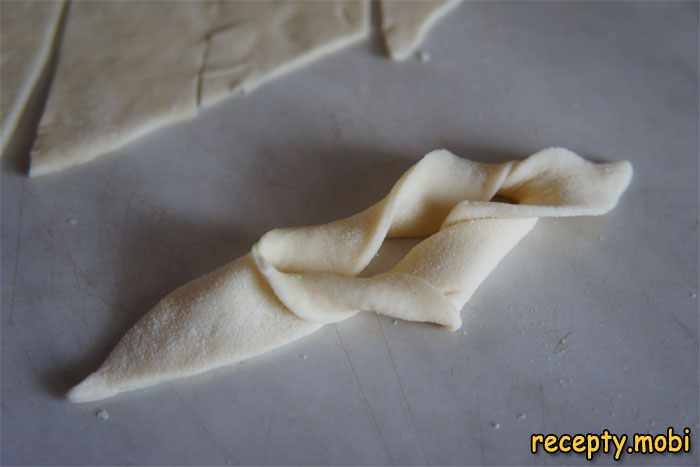
I shape all the verguny and lay them out on the table. I let them sit for 5 minutes – during this time they dry out slightly, which is important for getting a crispy crust when frying.
In a deep frying pan or saucepan I heat plenty of vegetable oil well – there should be a lot of it for deep-frying. The oil should be very hot but not smoking. I check it is ready by dropping in a piece of dough – it should float up straight away with bubbles.
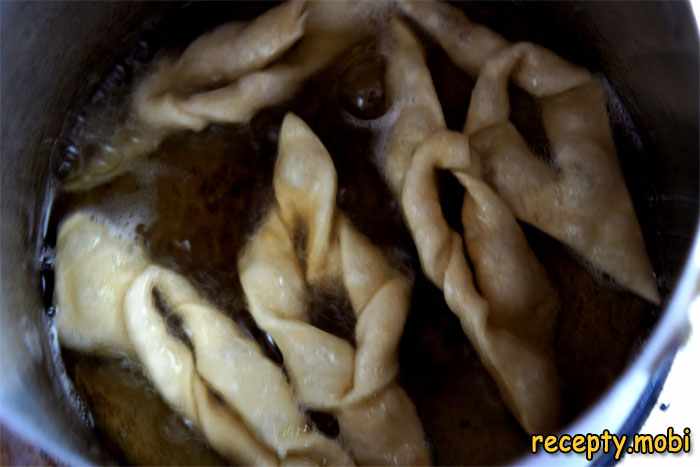
I place the verguny into the hot oil, starting with the first ones (they have had more time to dry out). I fry them on one side until golden, then flip them over. The verguny are very thin, so they fry in literally 20–30 seconds – it is important not to get distracted, otherwise they burn quickly.
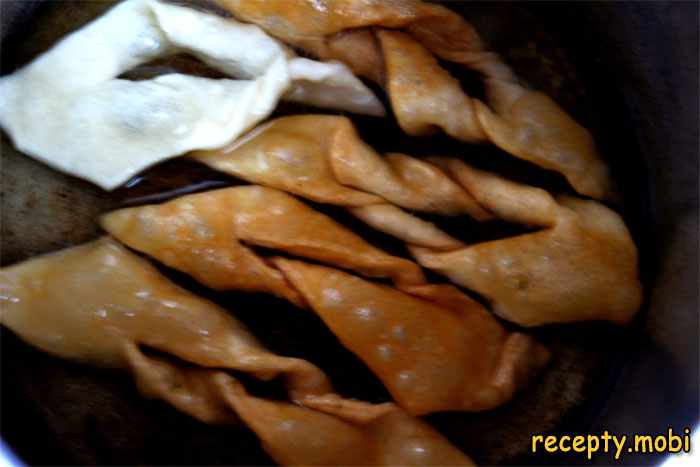
I lift the finished verguny out with a slotted spoon and transfer them onto paper towels to remove excess fat. Then I take the next portion of dough, roll it out, cut it, shape it and fry in batches.

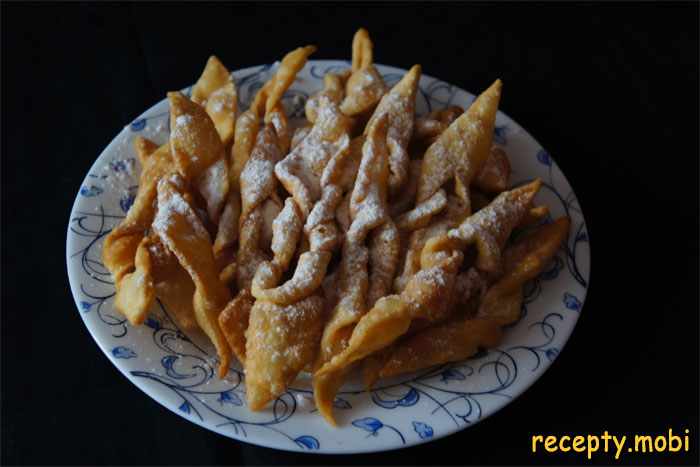
From the given amount of ingredients you get a whole mountain of crispy verguny – about 50 pieces. I arrange them on a large plate.

Once the verguny have cooled a little, I dust them generously with icing sugar (3 tbsp). I do this while they are still warm – that way the sugar sticks slightly to the surface and does not fall off.


Tips
- 1
I use ice-cold carbonated water specifically – the gas bubbles and the low temperature make the dough especially crispy when fried. Warm fizzy water will not give the same effect.
- 2
I roll the dough out as thinly as possible – the thinner it is, the crispier the verguny turn out. The ideal thickness is about 2 mm, the table should show through the dough.
- 3
The frying oil should be very hot but not smoking. I check it is ready by dropping in a piece of dough – it should float up straight away with lively bubbles.
- 4
I do not get distracted while frying – the verguny are done in literally 20–30 seconds per side and burn easily. I keep the slotted spoon at the ready.
FAQ
Can I use plain water instead of carbonated water? +
Yes, but the verguny will be less crispy. Carbonated water creates fine bubbles in the dough, which during frying give a particularly airy texture and the characteristic bubbles on the surface.
Why do the verguny turn out tough rather than crispy? +
Most likely the dough was rolled out too thickly or the oil was not heated enough. The dough may also have been too stiff because of excess flour. The dough should be soft and elastic.
How long do the finished verguny keep? +
In a closed container at room temperature for up to 2 weeks – this is one of the advantages of these pastries. It is important that the verguny cool completely before packing them away, otherwise they will go soggy.
Can I make the dough in advance? +
Yes, the dough can be wrapped in cling film and kept in the fridge for up to 2 days. Before rolling, I let it sit at room temperature for 15–20 minutes so it becomes pliable.
Which oil is best for frying? +
Refined sunflower oil – it gives no off-odour and withstands high temperatures. Corn oil or a blend of vegetable oils for deep-frying will also work.
- Comment
or post as a guest
Be the first to comment.