avg —
Cottage Cheese Casserole with Blackcurrants in the Oven

Instructions
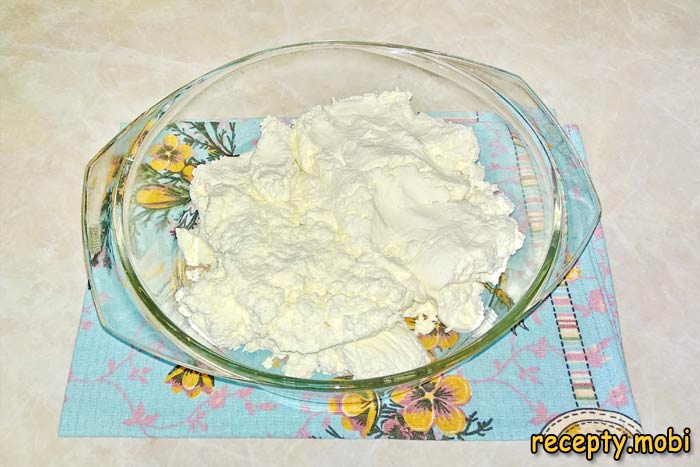
Put all the cottage cheese (1 kg) into a large deep bowl. I use 9% fat cottage cheese – the ideal choice for a casserole: not too dry (like fat-free) and not too rich (like 18%). The cottage cheese should be fresh, with no signs of souring – the smell should be pleasantly milky. Stale cottage cheese gives the finished casserole a bitter aftertaste.
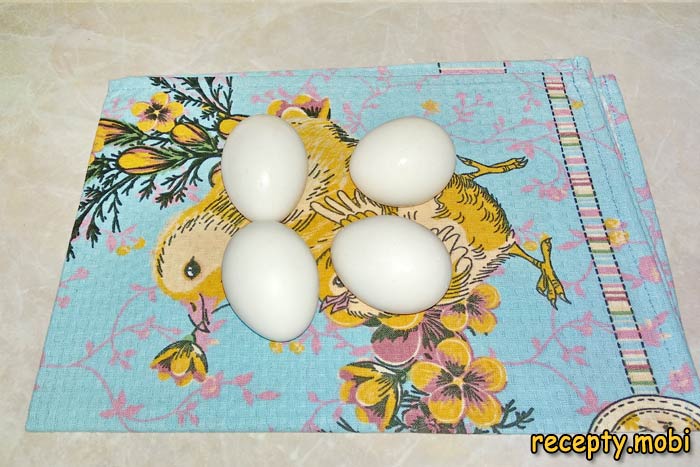
Prepare fresh eggs (4 pcs) at room temperature. Warm eggs whip better and give the batter a more airy texture than cold ones straight from the fridge. Take the eggs out 30–60 minutes before cooking. Be sure to check their freshness – lower them into a glass of water: fresh eggs sink, off ones float.
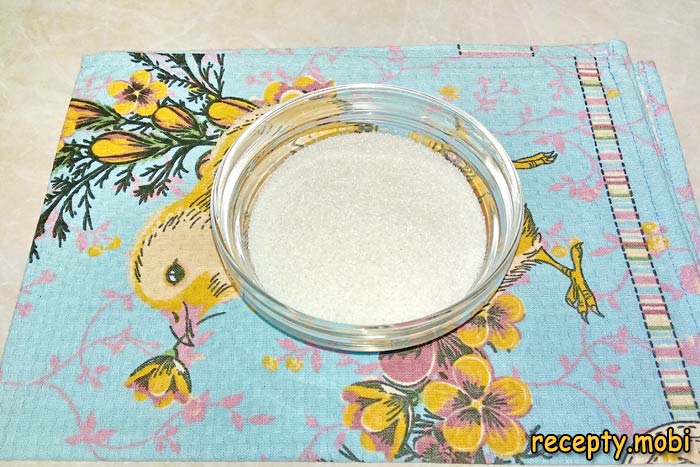
Add the sugar (8 tbsp) to the cottage cheese – adjust the amount to taste: for sweet berries you can use less (6–7 tbsp), for sour ones (such as blackcurrants) more (8–9 tbsp). You can replace the sugar with honey (5–6 tbsp) or with the sweetener erythritol for a diet version.
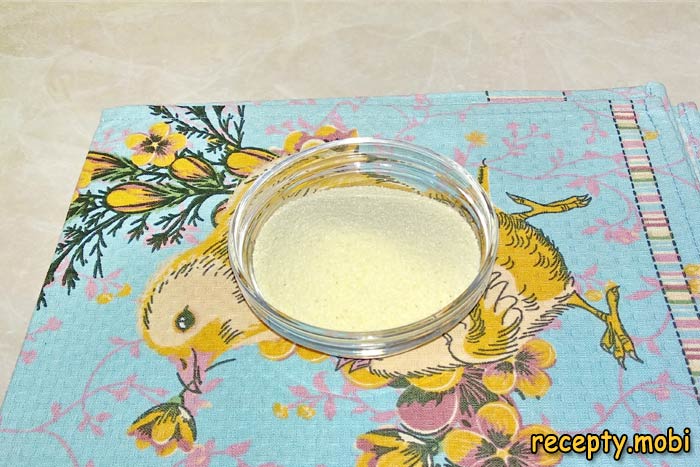
Add the semolina (4 tbsp) – the “secret” ingredient of a flourless casserole. The semolina works as a thickener: it absorbs the excess moisture from the cottage cheese and eggs and gives the finished casserole a springy structure. Without semolina (or flour) the casserole spreads out and will not hold its shape when cut into portions.
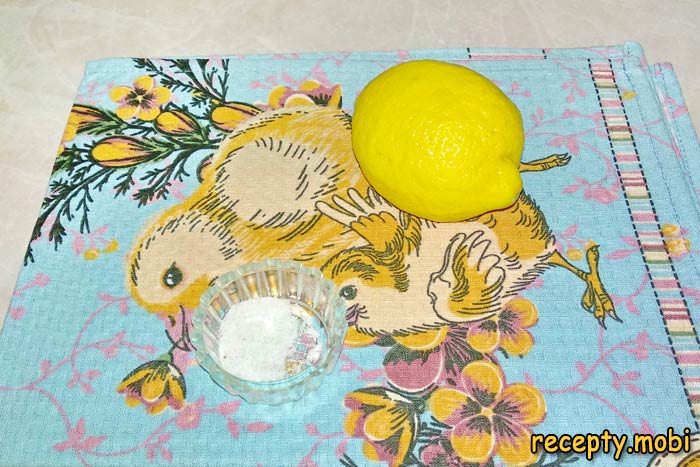
Add a pinch of salt (it balances the sweetness), a sachet of vanilla (it gives that characteristic homemade aroma), and the zest and juice of half a lemon. The lemon zest adds freshness and offsets the “curdy” taste, especially if the cottage cheese is a little old. Grate the zest finely, taking only the yellow part of the peel – the white pith is bitter.
Add the sour cream (2 tbsp) of any fat content – it gives the batter tenderness and a creamy texture. You can use anything from 10% to 20% fat, depending on taste and calorie content. For a diet version, replace the sour cream with thick natural unsweetened yogurt. Without sour cream the casserole turns out a little dry.
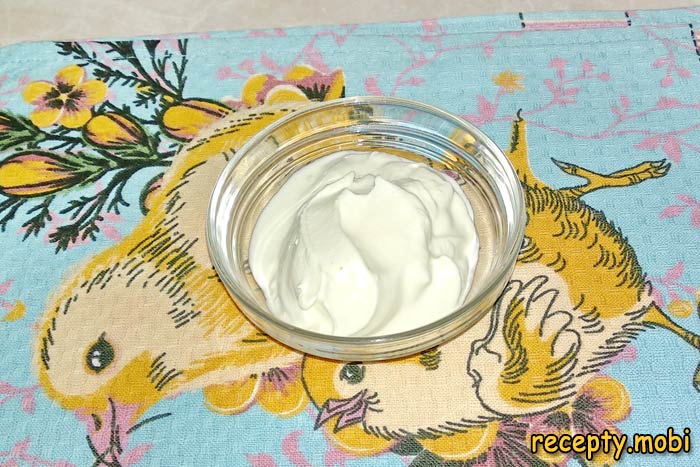
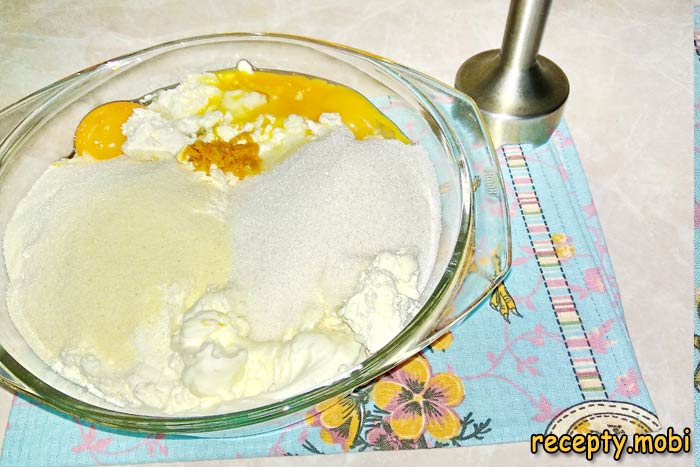
Carefully combine all the ingredients in the bowl with the cottage cheese: sugar, semolina, vanilla, salt, lemon zest and juice, sour cream. Stir with a spoon until just combined, so the dry ingredients do not scatter when you whip them later with the blender.
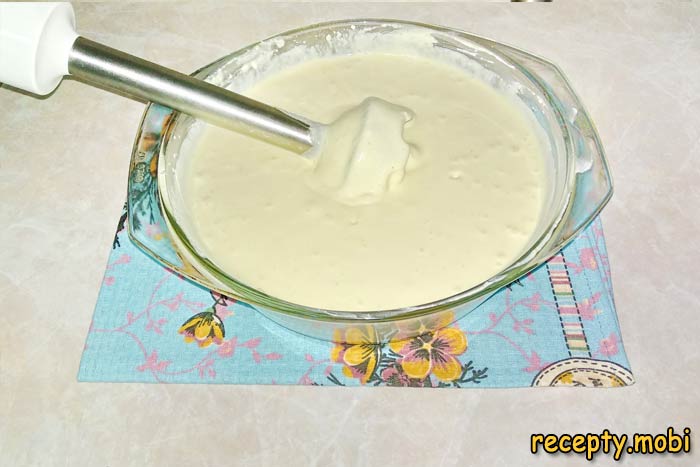
Whip the whole mixture with an immersion blender for 1–2 minutes until it is a smooth, creamy texture with no cottage cheese grains. If you like a “grainy” texture, you can simply mash it with a fork – then the cottage cheese grains will be noticeable in the finished casserole. The blender gives a smooth, restaurant-style texture, the fork a homemade, grainy one.
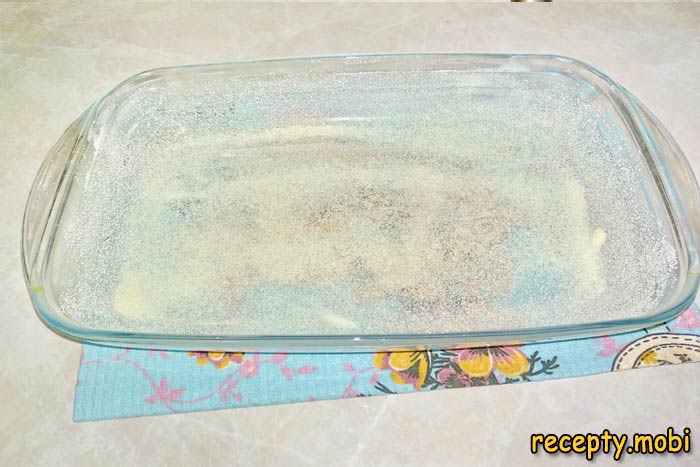
Thoroughly grease a rectangular baking dish (20×30 cm) with butter or vegetable oil and dust it with semolina or breadcrumbs – this creates a non-stick layer. Without preparing the dish, the casserole will stick to the bottom and sides and break apart when you turn it out.
Thoroughly roll the blackcurrants (100 g) in potato or corn starch (2 tbsp) – this is a critical step for a good-looking casserole. The starch creates a protective film around each berry and stops the juice from running into the batter during baking. Without this coating the casserole turns out purple from the berry juice.
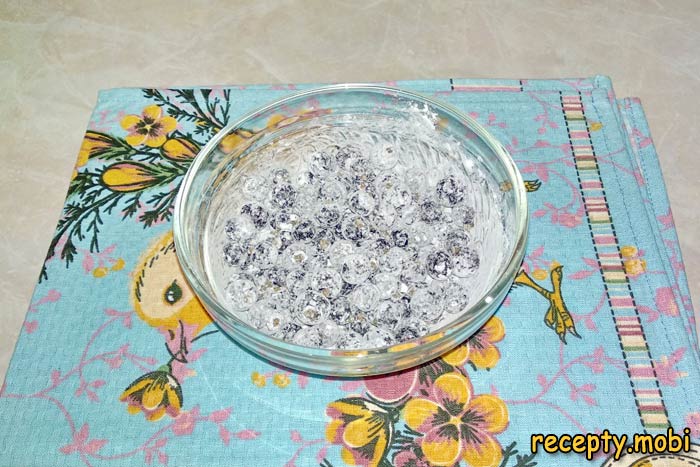
Spread half of the cottage cheese mixture in an even layer in the prepared dish and smooth it with a spatula. Distribute the starch-coated currants evenly over the top – do not leave any “bare” spots without berries and do not pile them into mounds. Even distribution is the key to a beautiful cross-section in the finished casserole.
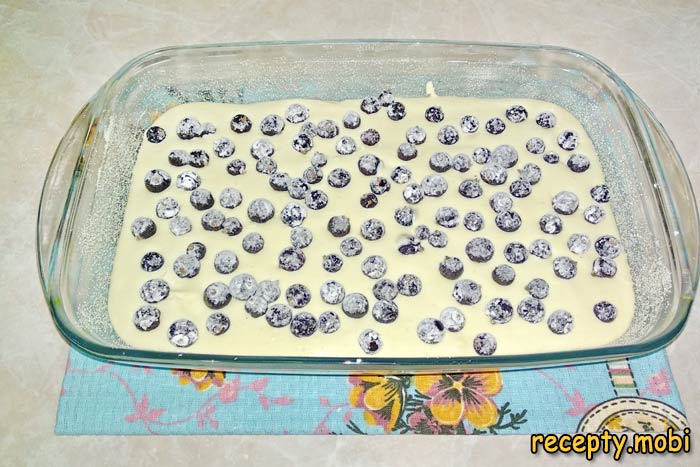
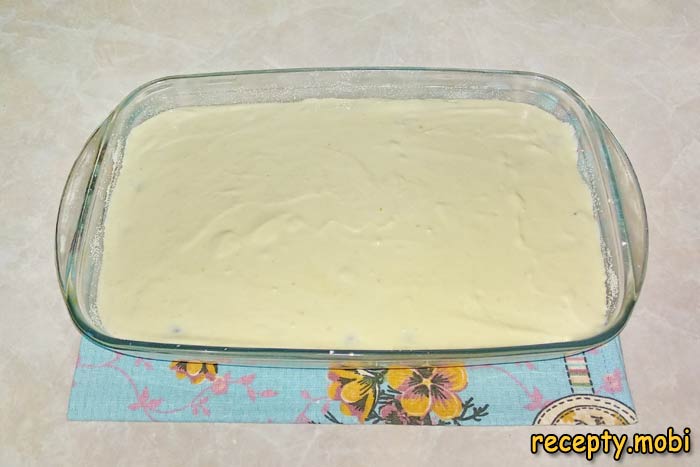
Cover the currants with the remaining cottage cheese mixture and smooth it with a spatula. Fill the dish a little over half full (to about 60–70% of the height of the sides) – the casserole rises significantly during baking thanks to the eggs and semolina. If the dish is filled completely, the batter will run over the edges.
Bake in a preheated oven at 180 °C for 40–50 minutes, until golden on top and springy to the touch. If the edges start to brown faster than the centre, I cover the top of the dish with foil so the crust does not burn. I check for doneness with a skewer – it should come out dry from the centre of the casserole, with no raw batter.
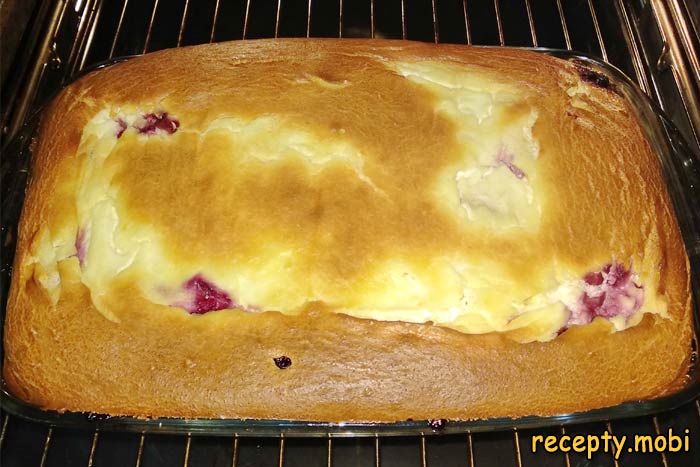
Let the casserole stand in the switched-off oven for 10–15 minutes – this prevents the batter from collapsing sharply due to a sudden change in temperature. Then take it out and dust the top with icing sugar through a sieve – a pretty “snowy” decoration for the final presentation.
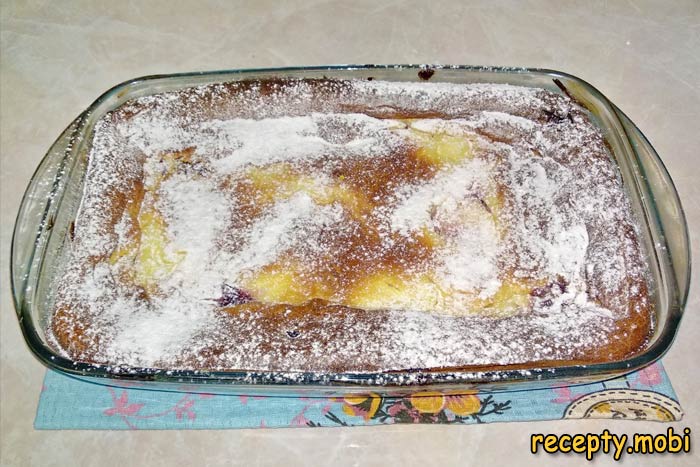
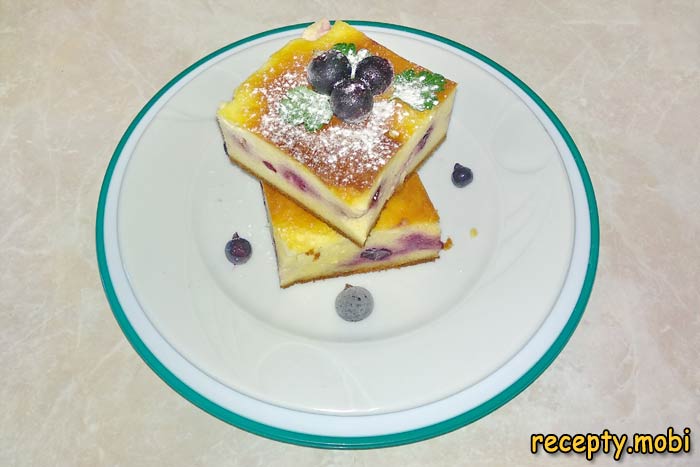
Cool the casserole completely in the dish (1–2 hours) and cut it into portioned squares with a sharp knife. Serve with your favourite berry jam, sour cream, honey, or simply dusted with icing sugar. The cottage cheese casserole with blackcurrants is ready! The perfect homemade dessert.


Tips
- 1
Do NOT thaw frozen blackcurrants before baking – roll them in starch straight away and add them to the batter. Thawed berries release a lot of liquid.
- 2
Cottage cheese of any fat content will do – but 9% gives the best balance of tenderness, moisture, and texture in the finished casserole.
- 3
Experiment with other berries and fruit: strawberries, raspberries, pitted cherries, sliced apples, pears. I make a cherry casserole on a similar principle.
- 4
The casserole is equally tasty warm (with sour cream) and cold (with jam or honey) – a versatile dessert for any time.
FAQ
Can I make the casserole without semolina? +
Yes, the semolina can be replaced with wheat flour (4 tbsp), which gives a denser structure, or with potato starch (3 tbsp) for an even more tender, springy texture. Corn flour (4 tbsp) also works for a gluten-free version, as do ground oats (5 tbsp) for a healthier one. A thickener is essential – without it the casserole spreads out and will not hold its shape. Semolina is the most versatile and neutral choice for a classic cottage cheese casserole.
Why does the casserole sink after baking? +
This is normal behaviour for a cottage cheese casserole: it rises during baking because of the eggs and semolina, and settles a little as it cools, especially in the centre. To minimise sinking: let it stand in the switched-off oven for 10–15 minutes after it is done (a gradual change in temperature), and do not open the oven door during the first 30 minutes (a sudden rush of cold air will make the rise collapse). It is impossible to prevent sinking completely – it is a feature of an egg-based cottage cheese batter. The main thing is for the inside to be baked through.
How long does the finished casserole keep? +
The finished casserole keeps in the fridge for up to 3 days in a tightly sealed container or under cling film. After 3 days the cottage cheese begins to sour and spoil the taste. You can freeze it in portions for 1 month in airtight bags – before eating, thaw it completely in the fridge (8–10 hours) and, if you like, warm it for 10 minutes in the oven at 100 °C. Do not leave it at room temperature for more than 2–3 hours – cottage cheese products spoil quickly. Ideally, eat it within 1–2 days for the best taste.
What to serve with cottage cheese casserole? +
Classically with homemade jam (strawberry, cherry, raspberry, blueberry-and-currant), 15–20% sour cream, honey, condensed milk, or maple syrup. For berries – fresh or frozen raspberries, strawberries, blueberries, or blackcurrants for contrast. For drinks – tea (black, green, fruit), coffee with milk, cocoa, or milkshakes. For a family breakfast – with fruit and coffee for the adults, with milk for the children. It is ideal for a weekend morning family breakfast.
- Comment
or post as a guest
Be the first to comment.