avg —
No-Bake Cookie Cake with Sour Cream Filling

Instructions
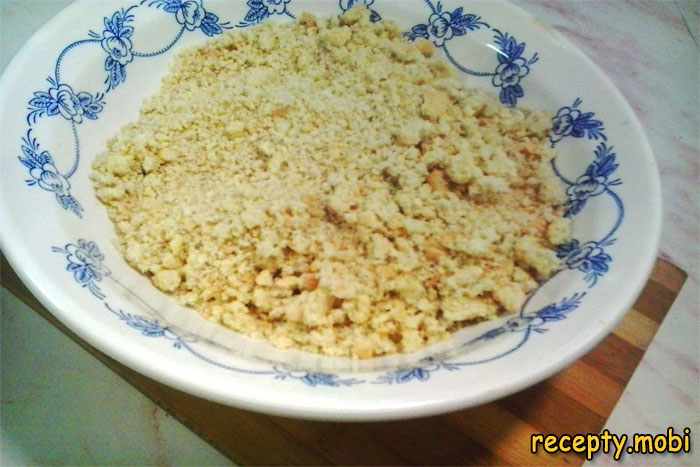
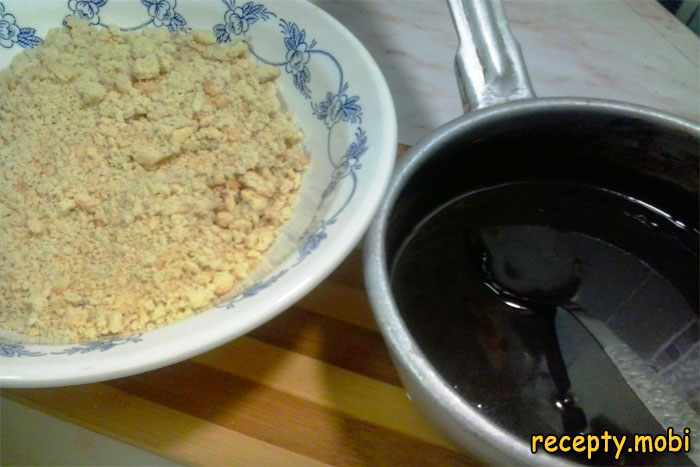
I start by preparing the biscuit base – I take 370–400 g of shortbread biscuits or milk biscuits and break them into large pieces. I load the biscuits into the blender bowl in batches and grind them at maximum speed to fine, even crumbs with no large pieces – this takes about 1–2 minutes. I divide the finished crumbs into two equal parts (185–200 g each) in separate bowls – each will go into its own layer.
I make the chocolate fudge that binds the crumbs: I pour 250 ml of milk into a small heavy-bottomed saucepan, add 6–8 tablespoons of sugar and set it over the lowest heat. I warm it, stirring constantly with a wooden spatula, until the sugar dissolves completely – about 3–4 minutes. It is important not to bring it to a boil – the fudge should be warm but not hot.
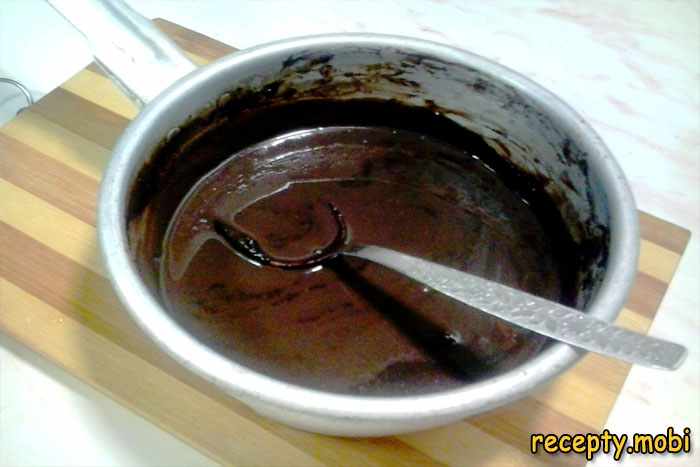
I gradually pour in 6 tablespoons of cocoa powder (it must be unsweetened), stirring continuously with a whisk so no lumps form. I add 120 g of softened butter, cut into small cubes, and stir until it has fully melted and the mixture is smooth and glossy. I take it off the heat and let the fudge cool slightly for 5–7 minutes – if it is too hot it will soak the biscuits straight away.
I pour the slightly cooled chocolate fudge over the biscuit crumbs and mix thoroughly with a spoon or my hands until I have an even, sticky mass resembling wet sand. The mass should hold together well and keep its shape when squeezed in the palm. I divide the mixture exactly in half – each half will become one layer of the cake.
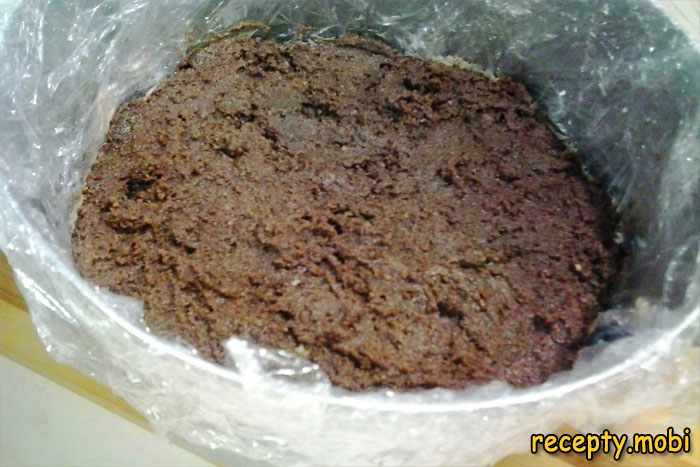
I line a 20–22 cm springform pan with cling film, leaving the edges hanging over the sides – they will make it easy to lift the finished cake out. I spread the first half of the chocolate mass over the bottom of the pan and press it down firmly with a spoon dipped in cold water, forming a dense, even layer about 1 cm thick. I put the pan in the refrigerator for 30 minutes to set.
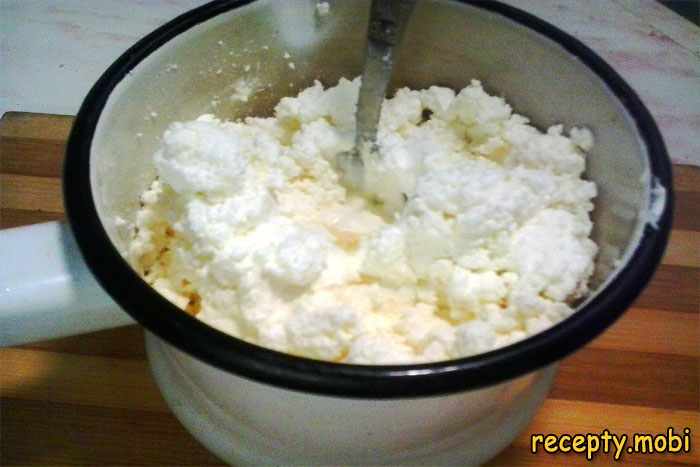
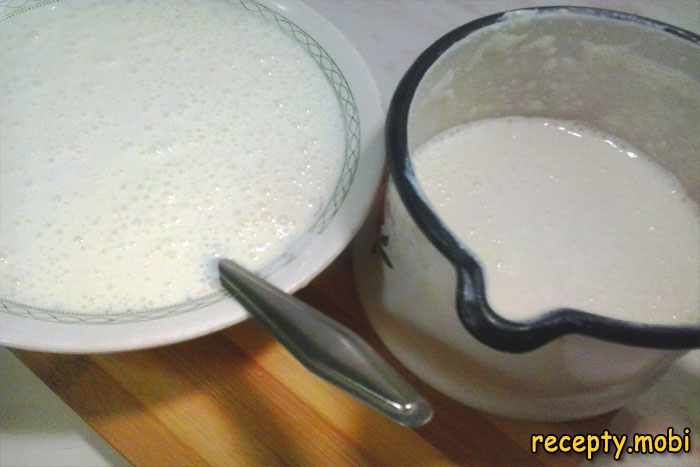
While the layer sets, I prepare the cottage cheese and sour cream base for the souffle: into a deep bowl I put 500 g of sour cream of at least 20% fat and 350–400 g of cottage cheese. It is best to use soft, paste-like cottage cheese, or to rub it through a sieve first to remove any grains. I add 75–100 g of sugar and 1 g of vanillin for aroma.
I whip the cottage cheese mixture with an immersion blender or mixer at medium speed for 2–3 minutes until it is perfectly smooth, silky and airy with no lumps. The finished base should have the consistency of thick sour cream or yogurt. I divide the mass into two equal portions in separate containers – each will become the base for a different-flavoured souffle.
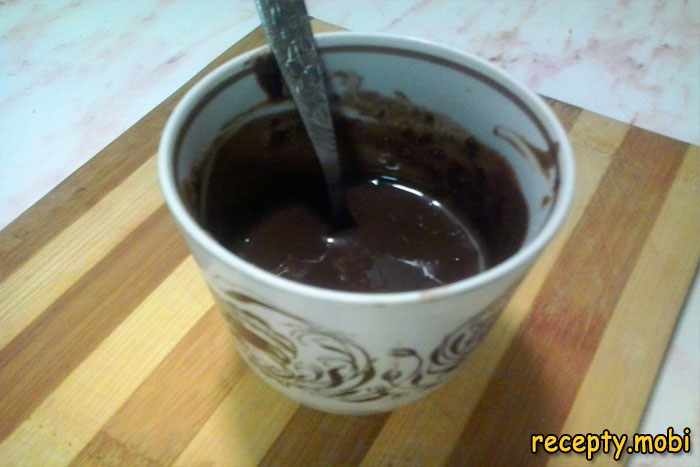
I prepare the gelatin mixture for the chocolate souffle: into a small container I pour 125 ml (half a glass) of milk and heat it to about 60 °C (hot, but not boiling). I add 15 g of instant gelatin and 30 g of cocoa powder, stirring thoroughly with a whisk until every lump has dissolved. If you are using regular gelatin, soak it first in cold milk for 30–40 minutes.
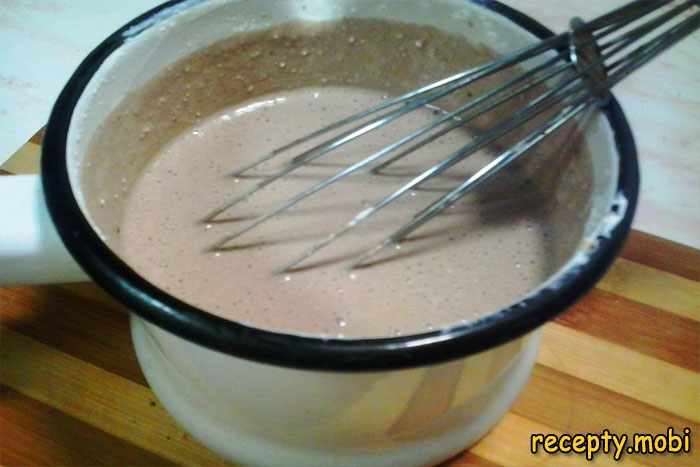
I pour the warm gelatin and cocoa mixture into one portion of the cottage cheese mass and quickly stir with a whisk until the colour is an even chocolate brown. I rinse the prunes (70 g) in warm water, pat them dry and cut them into small cubes about 5 mm in size. I add the chopped prunes to the chocolate souffle and stir – the pieces should be distributed evenly.
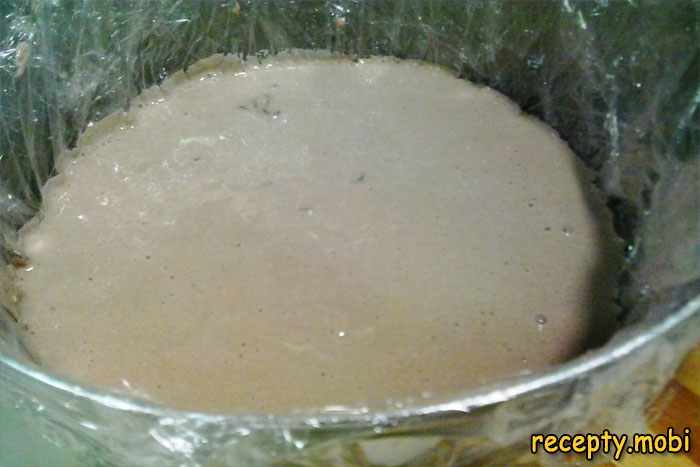
I take the pan with the set first layer out of the refrigerator and carefully pour the chocolate souffle with prunes over it. I smooth the surface with a spoon or silicone spatula – the layer should be even, with no bumps or hollows. I return the pan to the refrigerator and leave it until the souffle has fully set – this takes about 40–60 minutes.
I prepare the gelatin mixture for the white souffle: I heat the remaining 125 ml of milk to 60 °C, add 15 g of instant gelatin and stir until it has completely dissolved. The gelatin must dissolve fully without lumps – the texture of the finished souffle depends on it. I check by running a spoon along the bottom – there should be no sediment.
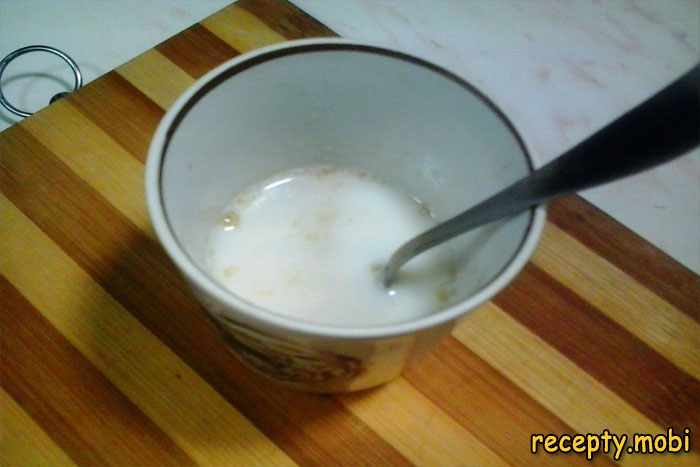
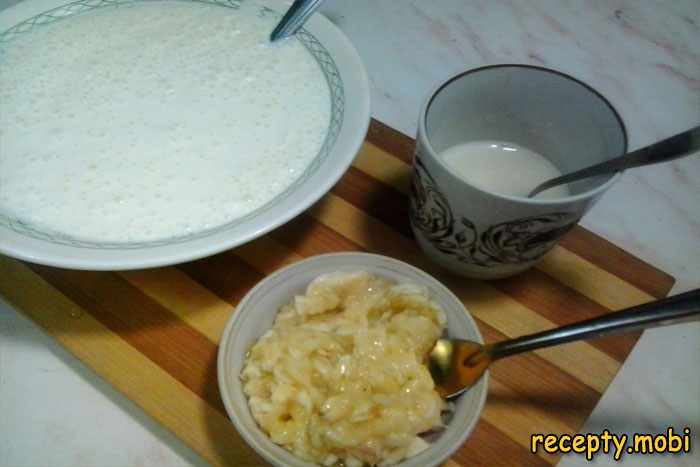
I pour the dissolved gelatin into the second portion of the cottage cheese mass and mix thoroughly. I peel the ripe banana and mash it into a puree with a fork or cut it into small cubes (whichever you prefer). I add the banana to the white souffle and stir – the banana should be distributed evenly throughout the mass.
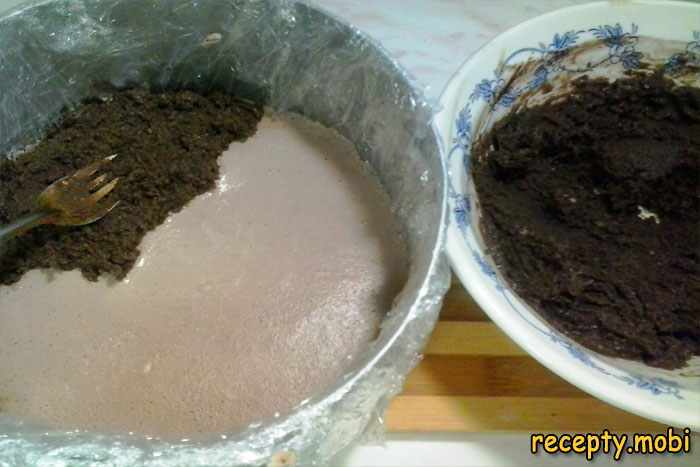
I take the pan with the set chocolate souffle out of the refrigerator. I spread the remaining half of the chocolate crumbs with fudge on top and press it down gently, forming a second layer about 1 cm thick. The surface should be even and dense. I return it to the refrigerator for 15–20 minutes to firm up.
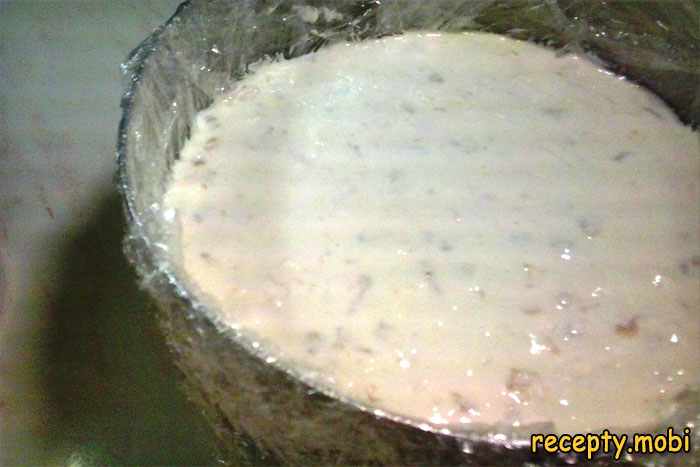
As the last layer I pour over the white souffle with banana and smooth the surface carefully. I cover the pan with cling film and put it in the refrigerator for at least 3–4 hours, or better overnight – during this time all the layers set completely and soak through, and the flavours come together as one.
Before serving I take the cake out of the refrigerator, release the sides of the springform pan and carefully lift the dessert out by the edges of the film onto a serving plate. If the sides are uneven, I smooth them with a warm knife, running it along the circumference. I peel the kiwi and cut it into thin rounds for decoration.
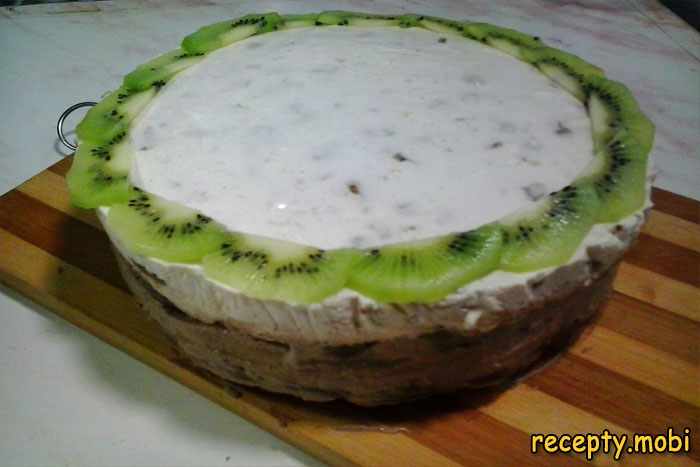
I arrange the kiwi rounds on the surface of the cake at random or in a circle. I shell the walnuts (4 of them), split them into halves and place them between the kiwi rounds. You can press the decorations lightly into the souffle so they hold better.
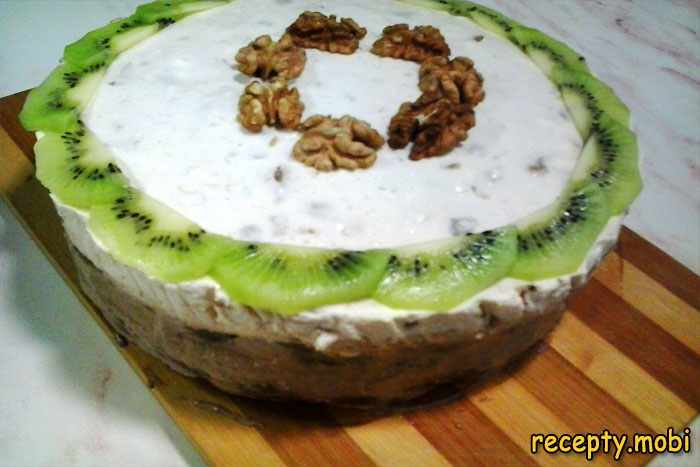
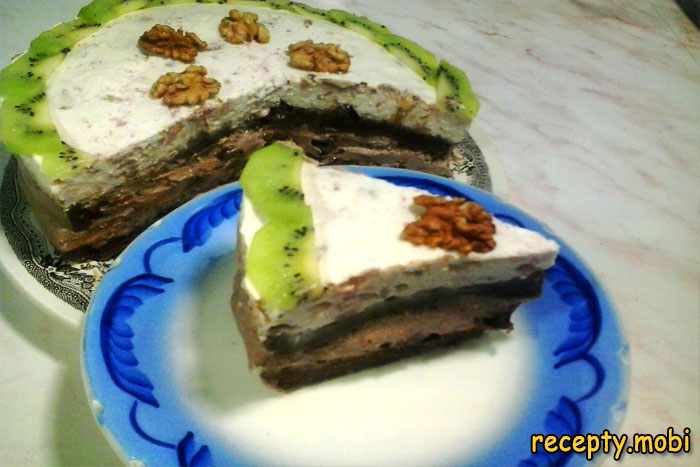
The no-bake cookie cake with sour cream filling is ready! I keep it in the refrigerator and slice it with a sharp knife dipped in hot water just before serving – this way the slices come out perfectly even. I serve it chilled with tea or coffee. This cake will be the highlight of any festive table!


Tips
- 1
The gelatin must dissolve completely without lumps – undissolved grains will spoil the delicate texture of the souffle and crunch unpleasantly. Use instant gelatin, or soak regular gelatin in cold milk for at least 30 minutes.
- 2
The prunes can be replaced with dried apricots, dried cherries or raisins – the taste will be different but always interesting. Always rinse and dry the dried fruit before adding it, so it does not add extra moisture to the souffle.
- 3
For a richer chocolate flavour, increase the amount of cocoa powder by 1–2 tablespoons, or add 50 g of melted dark chocolate to the chocolate souffle.
- 4
The cake is best sliced with a warm knife – dip it in hot water for 30 seconds and wipe it dry before each cut. This keeps the slices neat and clean, with no souffle sticking to the blade.
FAQ
Why did the souffle not set or turn out too runny? +
Most likely not enough gelatin was used, or it did not dissolve completely. Stick to the exact proportions: 30 g of gelatin for the stated volume of liquid. Also check that the gelatin was not past its date – over time it loses its gelling properties.
What can replace shortbread biscuits in the recipe? +
Sponge layers, chocolate biscuits, oat biscuits or even crackers work well for a more interesting flavour. Each option gives its own unique character – feel free to experiment!
How long does the no-bake cookie cake keep? +
In the refrigerator, in a closed container, the cake keeps for up to 5 days. Over time the banana may darken slightly on the cut surfaces, but this does not affect the taste. Do not freeze it – after thawing the souffle loses its airy structure.
Can the cake be made without cottage cheese? +
Yes, replace the cottage cheese with the same amount of thick sour cream or a cream cheese such as mascarpone. The souffle will be even more tender and creamy, though a little higher in calories.
- Comment
or post as a guest
Be the first to comment.