avg —
Carrot Cake with Cream Cheese Frosting and Walnuts

Instructions
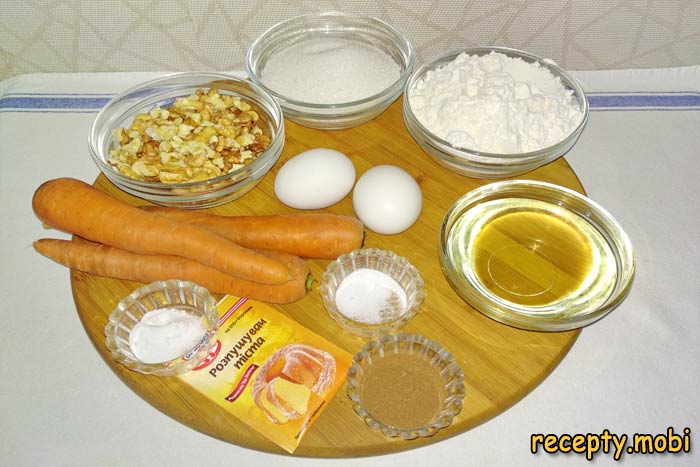
Prepare the ingredients for the cake layers on a clean work surface.
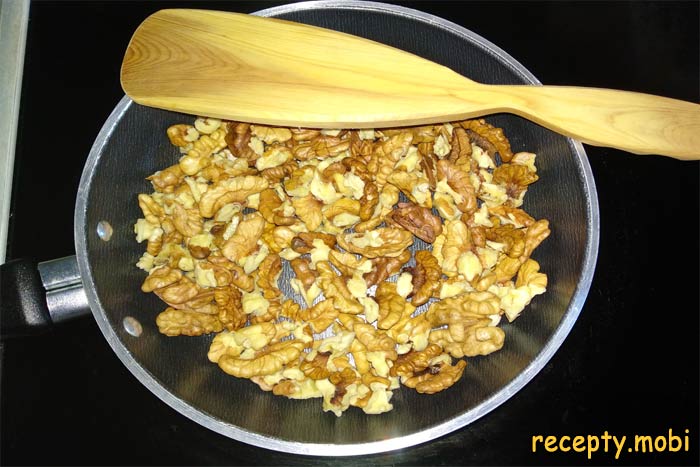
Take the walnuts (60 g), shell them and remove the bitter inner membranes. Heat a dry skillet over medium heat and toast the walnuts for 3–5 minutes, until a pleasant nutty aroma rises – this brings out the most flavour. Immediately remove the skillet from the heat and transfer the walnuts to another dish so they do not burn. Cover them with a napkin and let them rest for about 5 minutes.
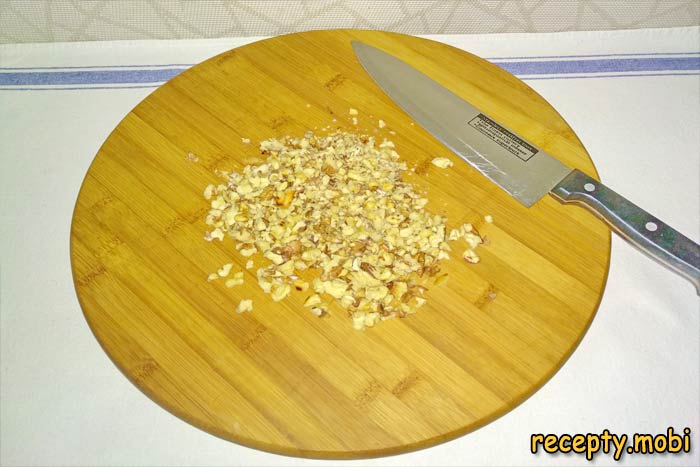
Finely chop the cooled walnuts with an ordinary knife on a board – pieces of about 5–7 mm "sound" better in the cake than fine "powder" from a blender. If you prefer a more delicate texture, pulse them in a blender for 2–3 seconds.
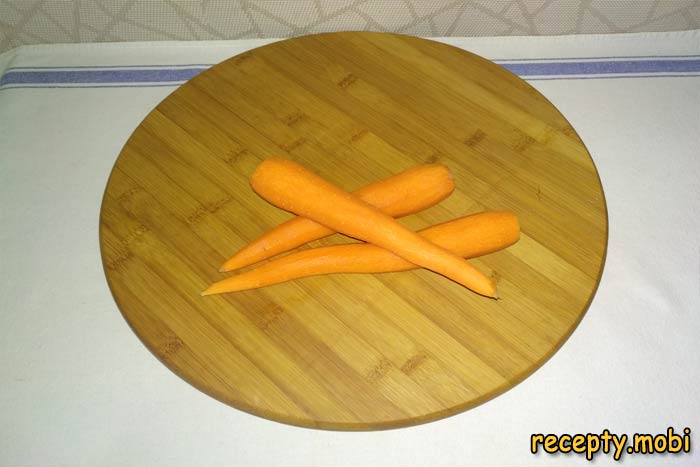
You will need three medium fresh carrots (about 175 g). Choose juicy, fresh carrots – wilted ones are not suitable, as they will not give the layer enough juiciness. Peel the carrots.
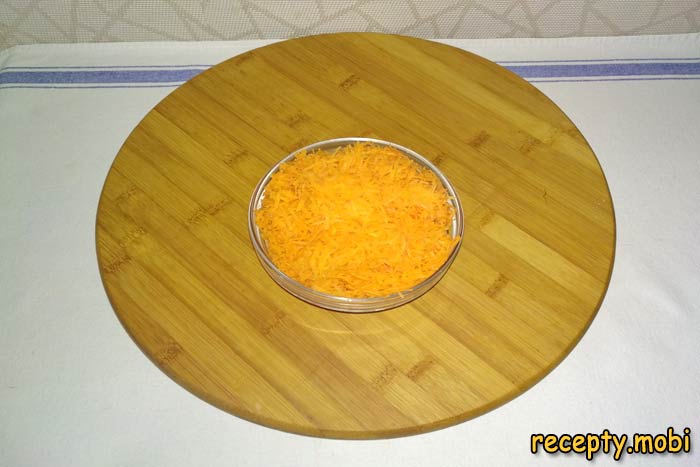
Grate the peeled carrots on the very finest grater – this is the secret to the right texture. You can also use a food processor with a fine grating attachment.
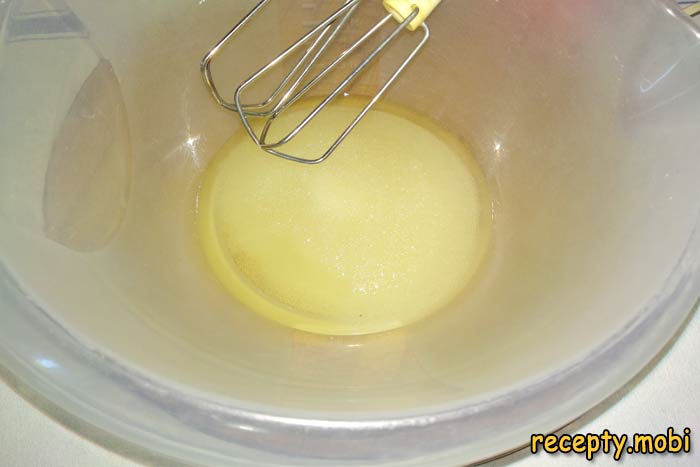
In a large mixing bowl, pour in the vegetable oil (100 ml) and add all the sugar (200 g). Beat with an electric mixer on medium speed for 2–3 minutes until you have a fluffy, creamy mass – the sugar will partly dissolve in the oil and the colour will lighten.
Crack the eggs (2 pcs) into a separate bowl and stir with a fork for about 30 seconds until smooth – this makes them easier to blend with the oil.
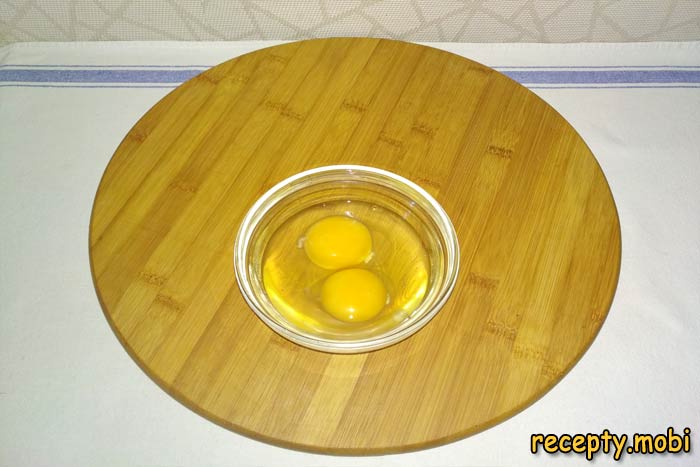
Without stopping the mixer, add the eggs to the oil and sugar one at a time. After each egg, beat thoroughly for about 1 minute until smooth – this prevents the mass from separating. Once all the eggs are in, you will have a light, airy base.
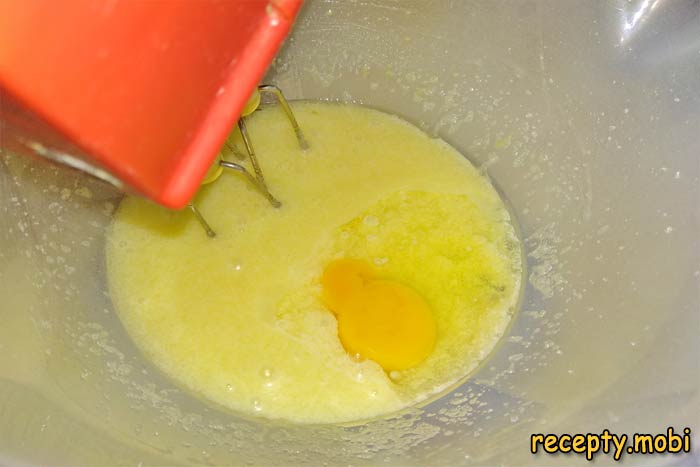
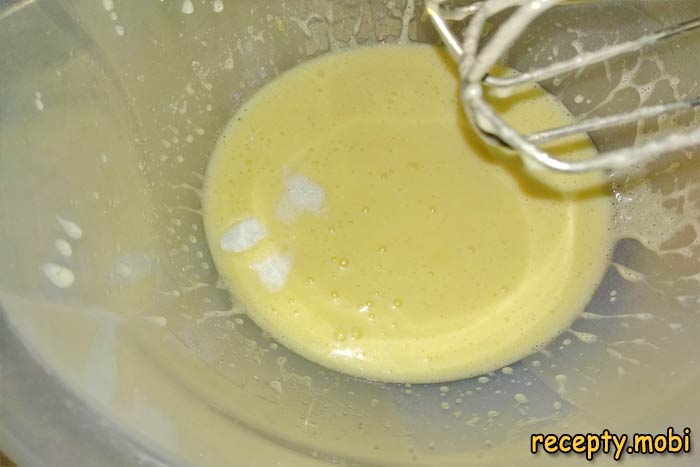
Add the salt (⅓ tsp) to the batter – not for saltiness, but to round out the flavour and balance the sweetness. Salt heightens the aroma of the cinnamon and nutmeg, as well as the sweetness of the carrot and sugar. Mix briefly with the mixer for about 30 seconds to distribute it evenly.
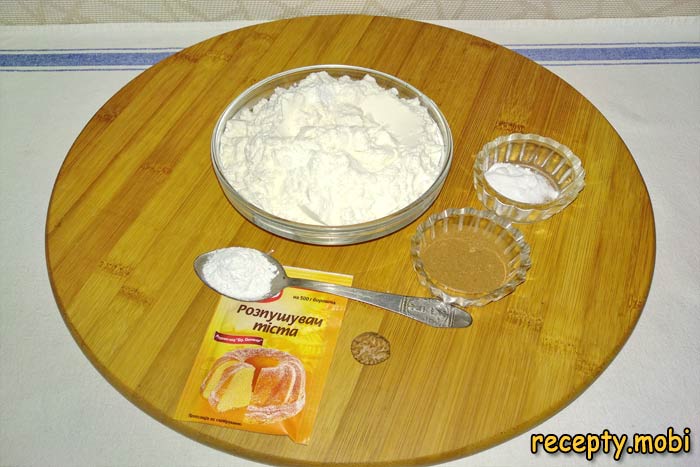
Prepare the dry ingredients in a separate bowl: flour (165 g), baking soda (½ tsp), baking powder (1 tsp), ground cinnamon (1 tsp) and a pinch of nutmeg. Whisk well to distribute the spices and leavening agents evenly.
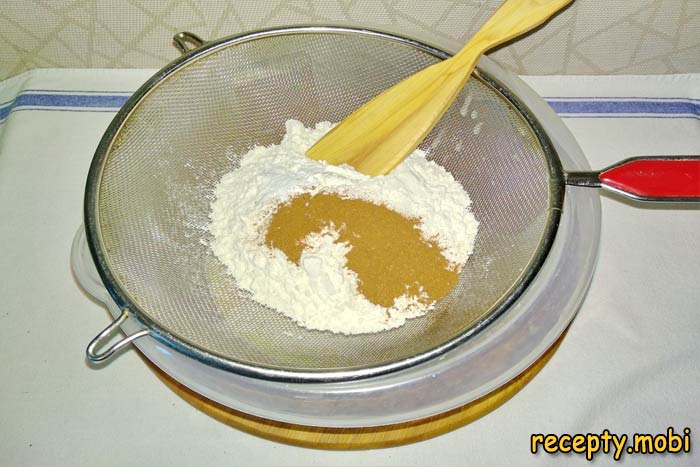
Set a sieve over the bowl with the egg-and-oil mixture, put all the dry ingredients into the sieve and sift them straight in – this aerates the mix for a lighter layer.
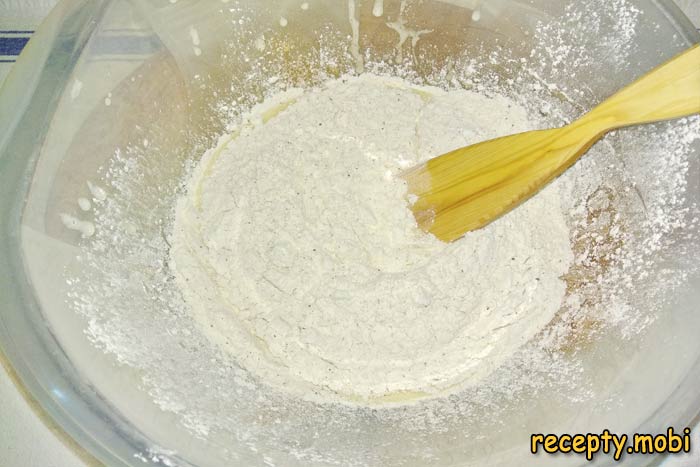
Using a silicone spatula, gently fold the dry ingredients in from the bottom up for 1–2 minutes, until the batter is completely smooth with no flour lumps.
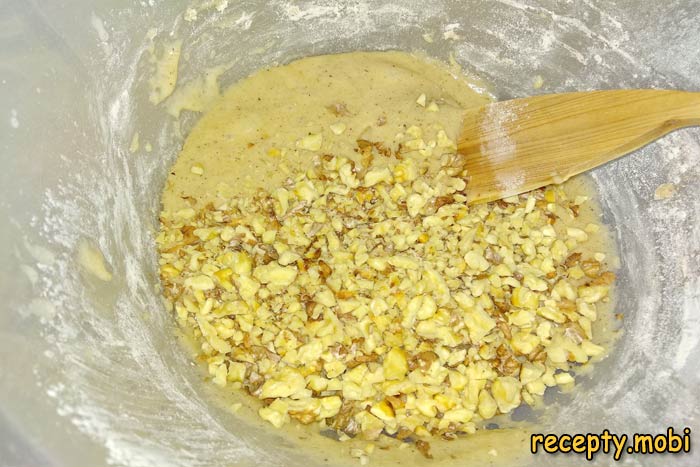
Add the prepared chopped walnuts and mix well with the spatula, so the walnuts are evenly distributed through the batter and do not sink to the bottom.
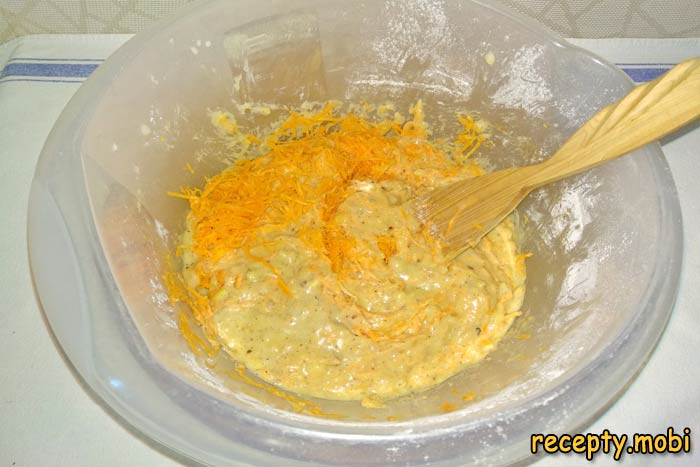
Last of all, add the grated carrot and mix thoroughly. The carrot should "sink" completely into the batter rather than sit on top. The finished batter is thick, a rich orange colour, with a spicy aroma.
The shape in which you bake the layer depends on how you want to serve the cake. For a round cake, bake in a 22 cm springform pan. Since our cake will be rectangular, we bake the layer in a wide 25x35 cm baking sheet. Line the sheet with parchment paper beforehand, shaping 2–3 cm sides from the paper, as the batter will rise during baking. Lightly brush the parchment with vegetable oil. Transfer all the batter to the sheet and spread it evenly with a silicone or regular spatula into a 2–3 cm layer.
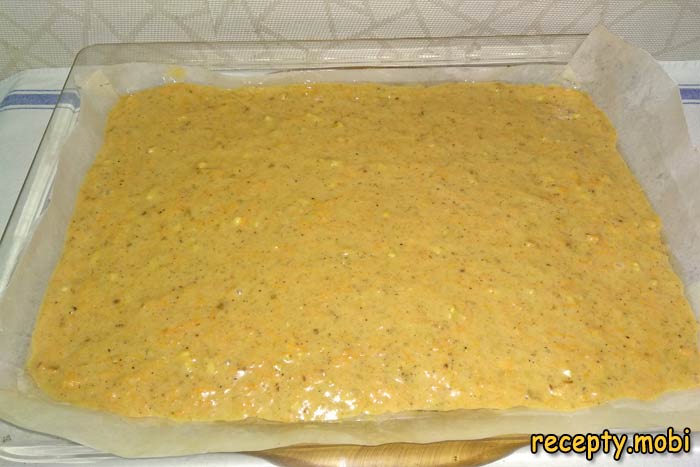
Preheat the oven to 180 degrees Celsius, top-and-bottom mode. Bake the layer for 25–30 minutes until fully done, depending on the power of your oven. Check with a wooden skewer or toothpick – it should come out dry.
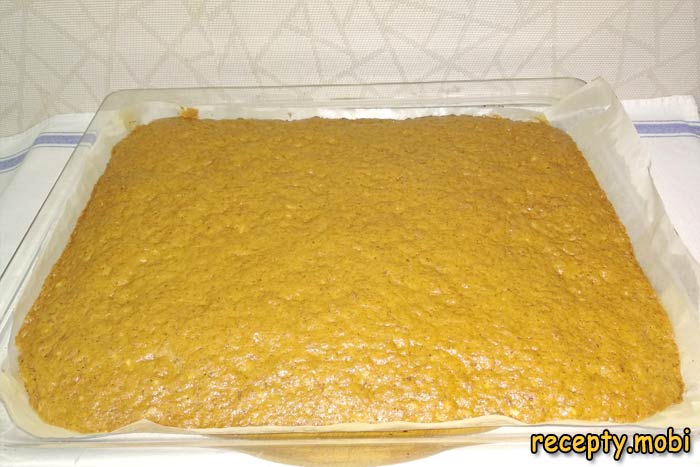
Transfer the finished layer to a cooling rack and let it cool completely (about 1 hour).
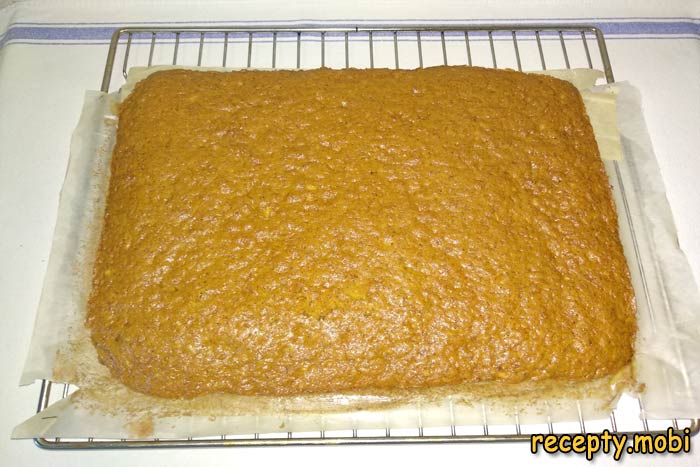
Trim the edges of the cooled layer, cutting off 1–2 cm from all sides for a neat shape. Keep the trimmings – they will be useful later for the crumb coating.
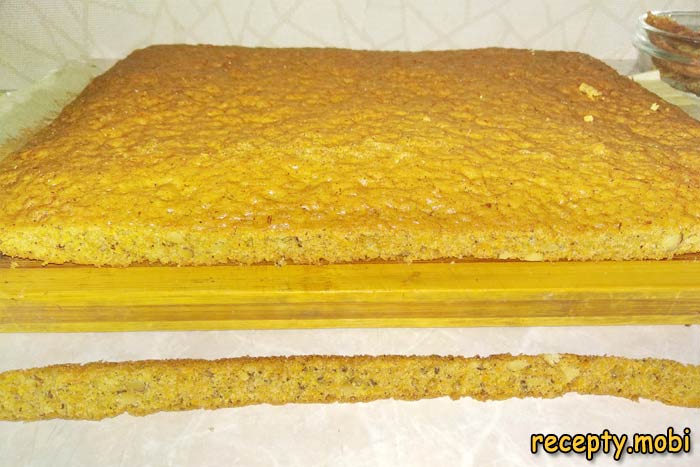
At this stage the cooled layer can be cut into two equal parts for a two-layer cake. We want a three-layer cake, so using toothpicks, mark the height of the layer for even cutting.
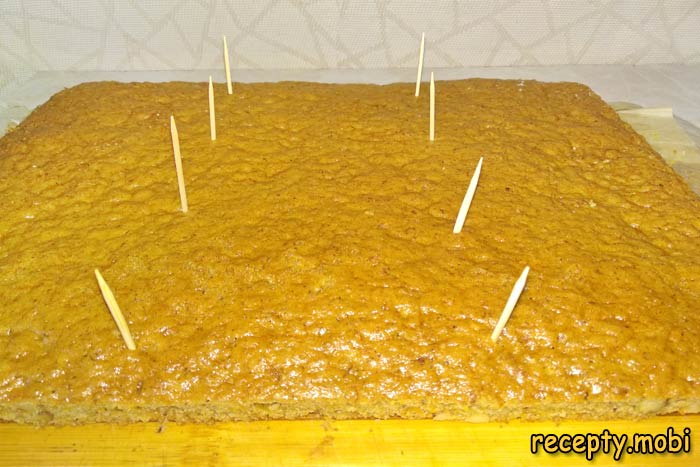
With a long sharp knife, cut the whole layer horizontally into three equal parts.
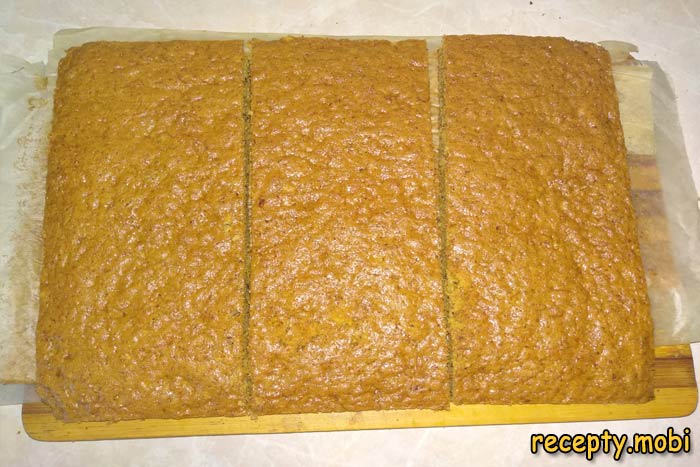
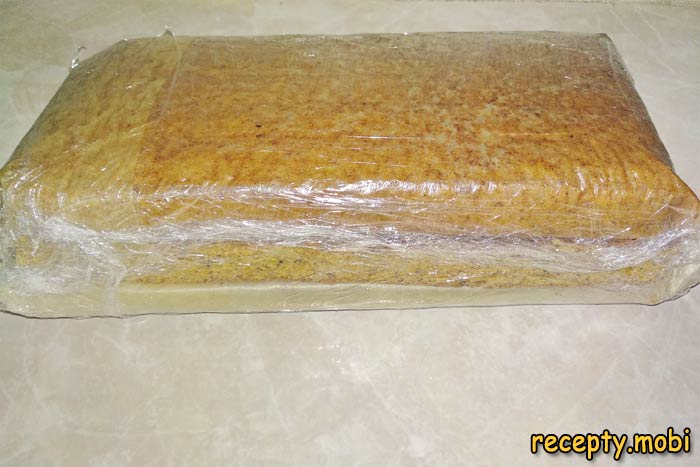
If you do not plan to finish the cake that day, the layers can be wrapped in parchment paper and then in plastic wrap and placed in the refrigerator. Ideally, leave them overnight: resting in the fridge helps the moisture distribute evenly through the layers. In the refrigerator the layers will keep for up to three days, but we will assemble the cake the next day. This makes it convenient to prepare the cake ahead for a celebration.
Do not throw away the cake trimmings; leave them out on the table to dry at room temperature for about 30 minutes.
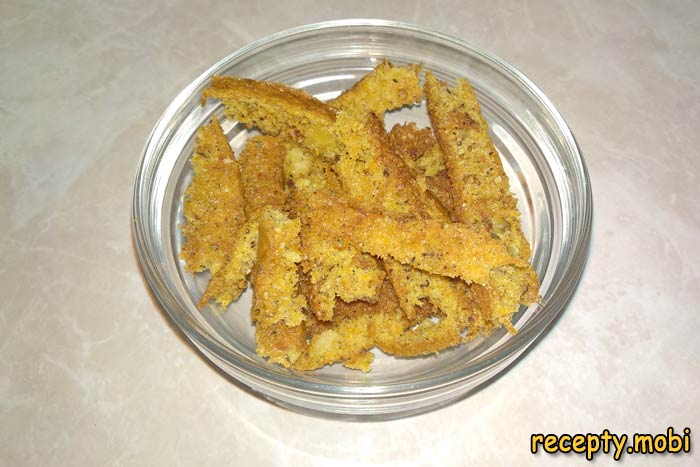
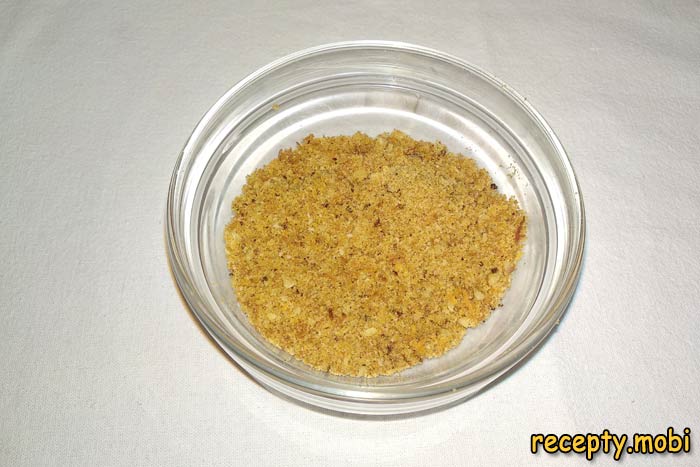
Crush the dried trimmings into crumbs in a blender, or grate them on a fine grater.
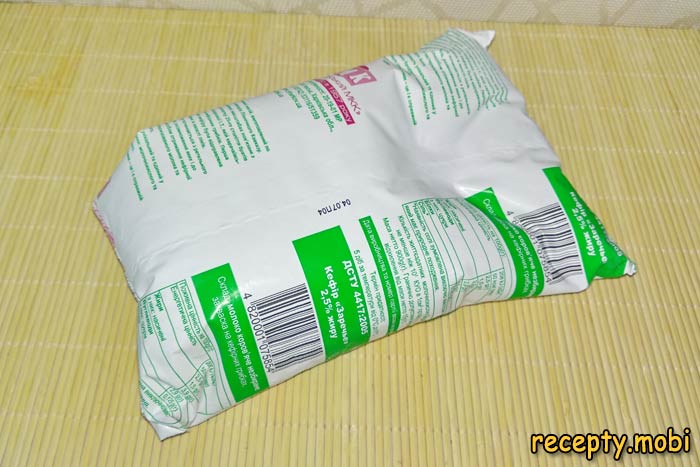
For the cream you can use ready cream cheese, or make your own – a budget homemade version. To make it yourself, take cream cheese from kefir: take two 1-litre packages of kefir you like, preferably of a higher fat content (2.5–3.2%). Place the kefir, still in its packages, in the freezer until completely frozen (overnight is best).
Set a colander over a deep bowl and line it with four to six layers of cheesecloth. Remove the frozen kefir from its packages and transfer it into the lined colander.
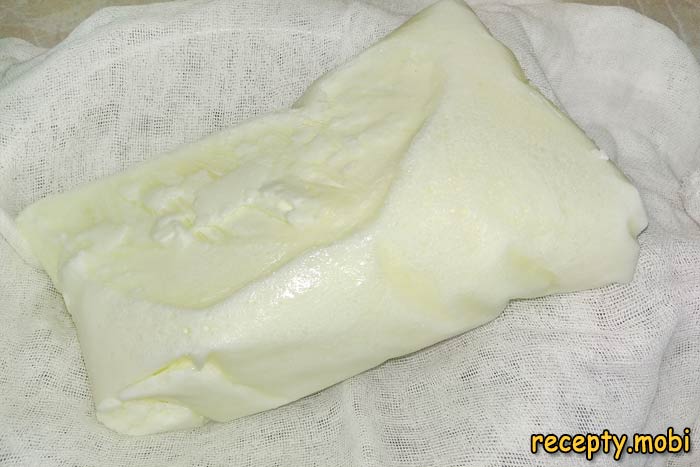
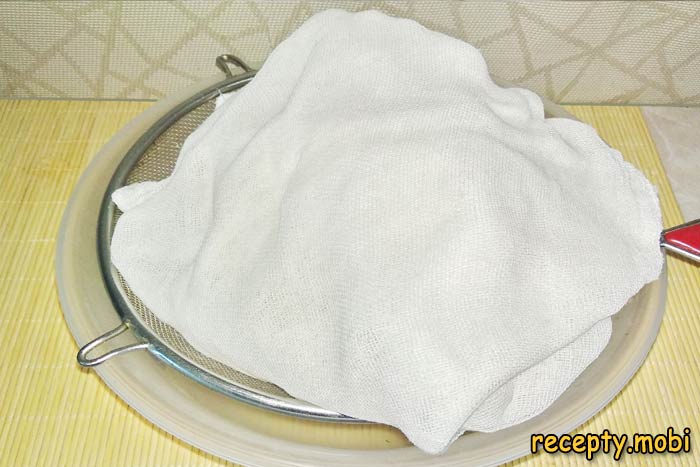
Cover the frozen kefir with the loose edges of the cheesecloth and leave it on the table for about 6 hours until completely thawed and drained.
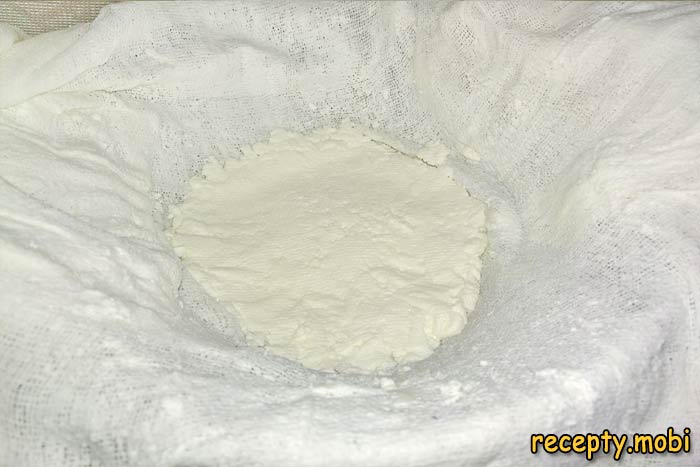
This is the smooth, soft cream cheese you end up with – about 350–400 g.
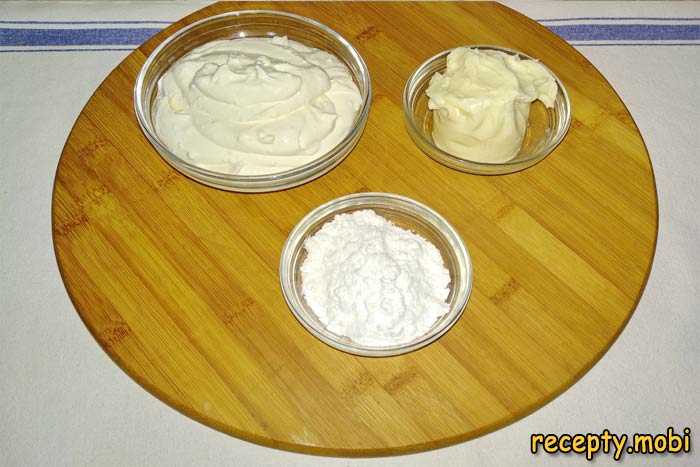
Now prepare the ingredients for the cream from the list above: soft butter (100 g), cream cheese (350 g) and powdered sugar (50 g).
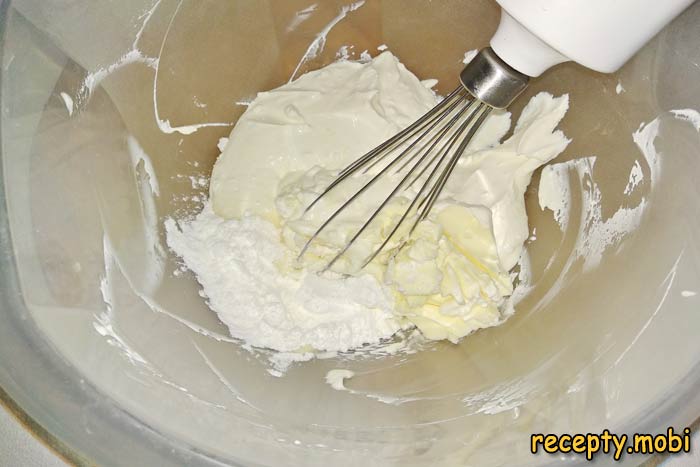
Transfer the butter, cream cheese and powdered sugar into a bowl. We will whip the cream with a blender or a mixer.
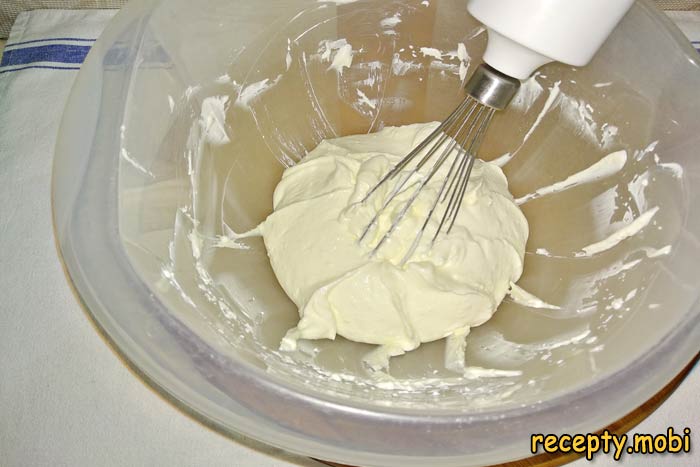
Beat the cheese cream on medium speed for 3–5 minutes until fluffy and smooth. The finished cream is glossy and firm, and holds its shape.
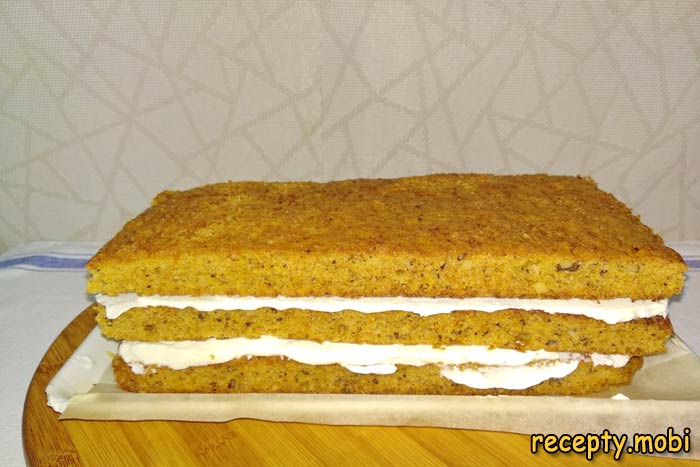
Assemble the cake. Place the first layer on a serving plate and generously spread an even layer of cream cheese frosting (2–3 tbsp) over it. Top with the second layer, spread more cream, then add the third layer.
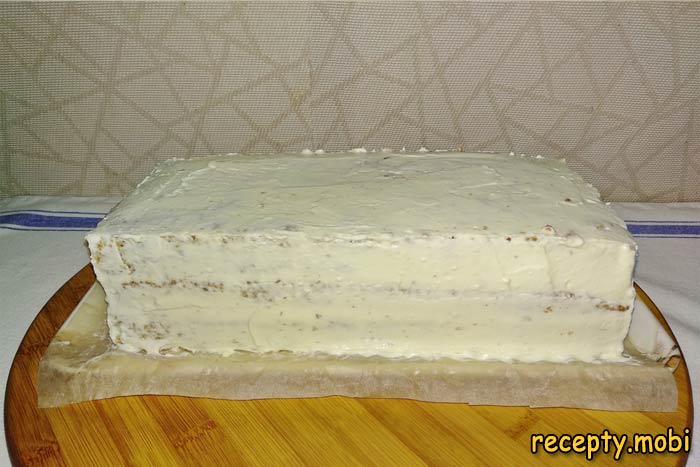
Cover the top and sides of the cake with the cream, smoothing out any irregularities with a spatula.
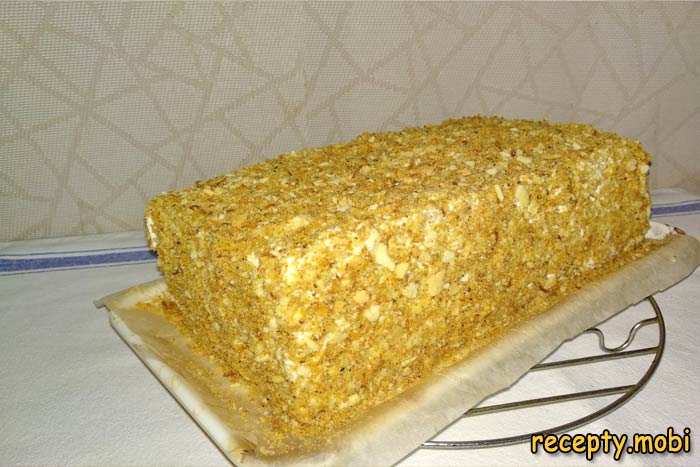
Generously coat the sides of the cake with the prepared cake crumbs – this hides any unevenness and gives an attractive "shaggy" texture.
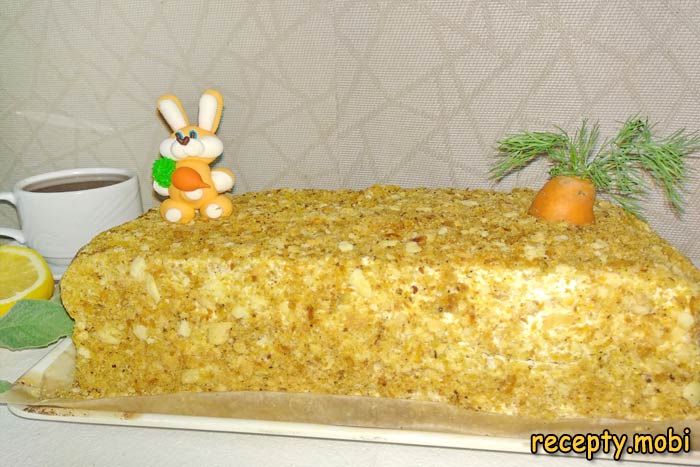
Decorate the top of the cake with fresh carrot – grated shavings, small marzipan carrots, or "roses" made from thin strips of carrot. You can also sprinkle on some chopped walnuts and a pinch of cinnamon. Place the cake in the refrigerator for 4–6 hours to soak. The carrot cake with cream cheese frosting and walnuts is ready!This fragrant, delicious and vibrant carrot cake with cream cheese is an original little cake to make for a celebration, and it is sure to please you and your guests at the festive table.


Tips
- 1
Grate the carrot on the VERY FINEST grater – coarsely grated carrot gives a "fibrous" texture with hard pieces inside the layer.
- 2
Toast the walnuts in a dry skillet for 3–5 minutes – this brings out the fullest nutty aroma in the cake.
- 3
Use FRESH, juicy carrot – wilted carrot will not give the layer enough juiciness. By a similar principle I also bake Medovik honey cake.
- 4
You can make Philadelphia-style cream cheese at home from ryazhenka or kefir by freezing it – a "grandma's" budget option.
FAQ
What can I use instead of Philadelphia cream cheese? +
Several options work: mascarpone (a more "Italian" choice, milder in taste), ricotta whipped with powdered sugar (a "lighter" choice), Mascarello cream cheese, or homemade cream cheese from frozen ryazhenka or kefir (a budget "grandma's" method – freeze two packs of 3.2% kefir overnight, then thaw through cheesecloth in a colander for 6 hours; you will get 350–400 g of cheese). Russian-made cream cheeses (Hochland, Almette, President) are also suitable. Each substitute gives its own character. Philadelphia is the "classic" of American cheesecakes and Carrot Cake, sweet-and-sour with a tender, creamy texture.
Can I bake carrot cake without nuts? +
Yes. For those with a nut allergy the walnuts are easy to leave out – the batter will simply be without the characteristic pieces, but the taste is hardly inferior to the classic version. Alternatives: sunflower seeds (40 g – they do not give a nutty flavour but add texture), desiccated coconut (40 g for a tropical note), raisins (40 g, soaked in rum for 30 minutes for a "grown-up" taste), diced dried apricots (40 g for a summery version), or mixed candied fruit (40 g for a children's version). For a classic nutty flavour without walnuts, use almonds, hazelnuts or pecans. For a vegan version, leave out the eggs and add an extra 30 ml of vegetable oil.
How long does carrot cake keep? +
The finished cake keeps in the refrigerator for up to 4 days in a tightly closed container or under a dome. On the second or third day the flavour is even better, as the layers soak up the cream and spices as fully as possible. Do not leave it at room temperature for longer than 2 hours, as cream cheese frosting spoils quickly. For longer storage you can freeze the cake whole or in portions for up to 1 month in airtight wrapping – before serving, thaw it completely in the refrigerator for 12 hours. Take the cake out of the fridge 30 minutes before serving, as a "room-temperature" cake tastes better than an ice-cold one.
What goes well with carrot cake? +
It is ideal as a festive dessert with tea or coffee. Good matches are black tea with lemon, green tea with jasmine, espresso (the slight bitterness balances the sweetness), cocoa with milk, or masala chai with milk (a classic pairing for the spices). Among grown-up drinks – dessert liqueurs (Baileys, Kahlua), sweet sparkling wine (Moscato, Prosecco) or a semi-sweet red (Cabernet). For a children's birthday, serve it with fruit drink or cocoa. For an Easter table, it makes a "trio" of desserts alongside tvorog Easter paskha and kulich. It looks effective served in a tall stack with thin slices.
- Comment
or post as a guest
Be the first to comment.