avg —
Homemade Burger Buns

Instructions
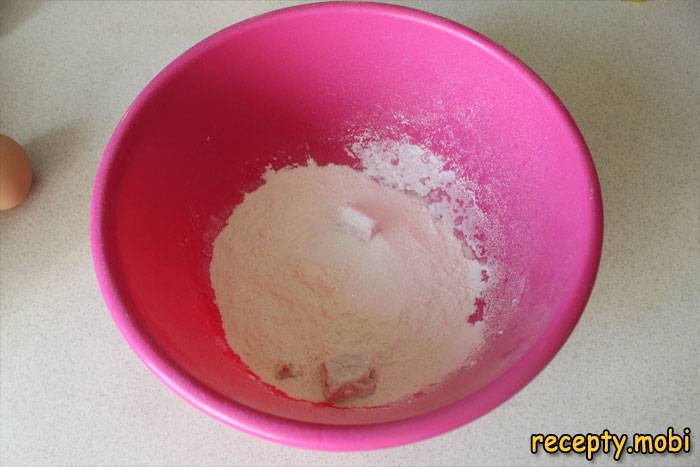
In a bowl, combine the small portion of flour (65 g) with the yeast and a tablespoon of sugar. Rub it into a uniform mass with your fingers – the yeast should be distributed evenly through the flour.
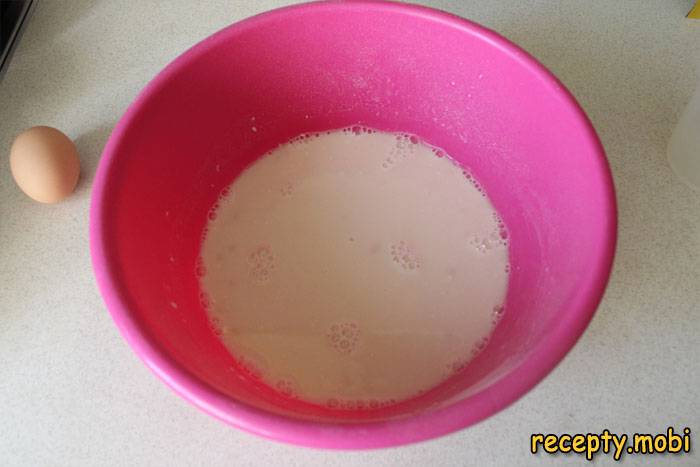
Pour in the warm milk and warm water (the temperature should be strictly 30–37 °C, check it with your finger). Stir into a smooth batter – this will be our sponge.
Cover the sponge with film and leave it in a warm place (26–28 °C) for 20 minutes – until a "cap" of bubbles appears. This checks that the yeast is alive.
Beat the egg into the active sponge, add the salt and the remaining sugar. Mix with a whisk until smooth.
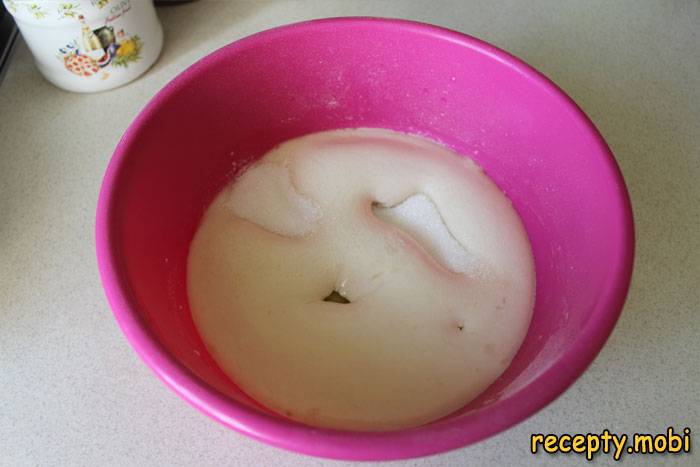
Gradually add the sifted flour (420 g) and knead a soft, slightly sticky dough for 7–10 minutes. Slightly sticky is right for fluffy buns. If you add too much flour, the buns will turn out dense and tough.
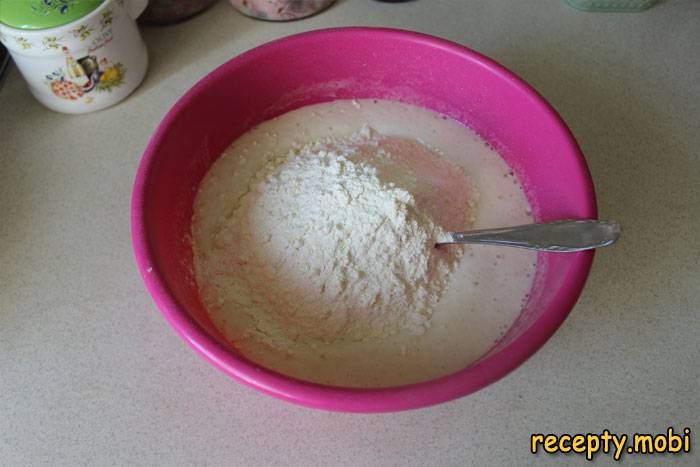
Pour in the butter, melted and cooled until just warm. Work it thoroughly into the dough for 5 minutes – the butter makes the buns soft and rich. Leave it to rise in a warm place for 20 minutes – the dough should double in size.
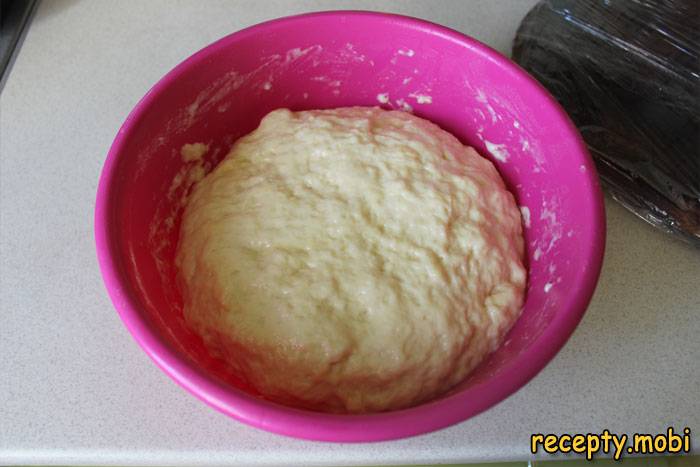
Knock back the risen dough without adding any flour. Divide it into 10 equal pieces of 80 g (weigh them for accuracy) and shape them into perfect balls. Cover with film and leave to rest for 10 minutes.
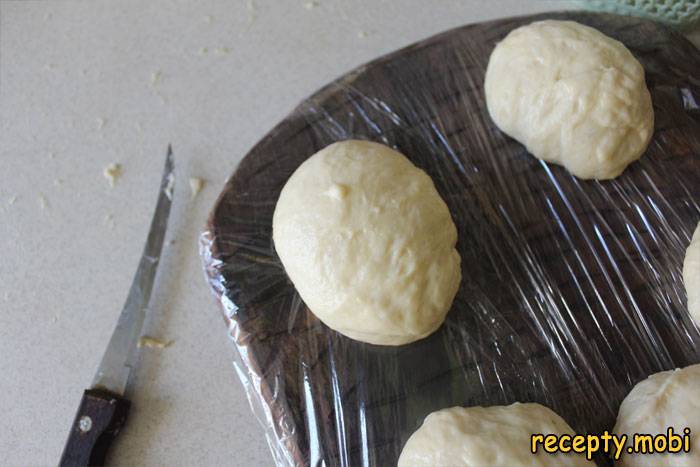
Flatten each rested ball with your palm, shape flat round buns 2–3 cm thick and place them on a parchment-lined baking sheet, 4–5 cm apart. Leave to prove for at least 1 hour in a warm place.
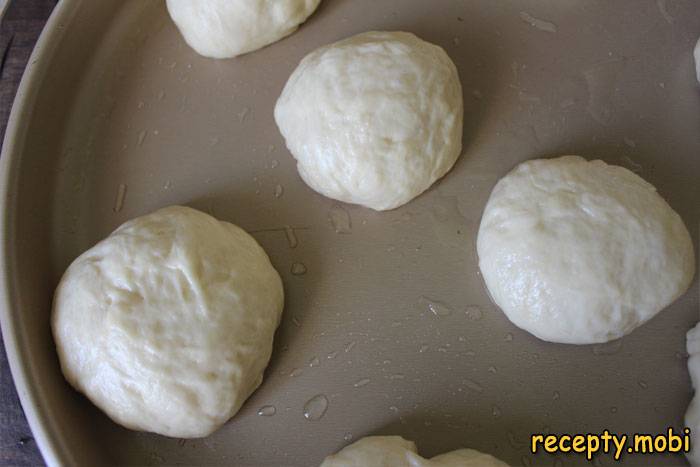
The buns should increase at least twofold and become fluffy. If this hasn't happened, wait another 15–30 minutes.
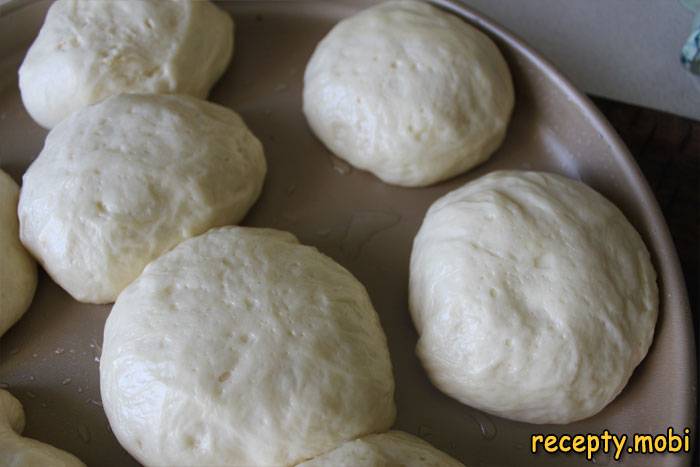
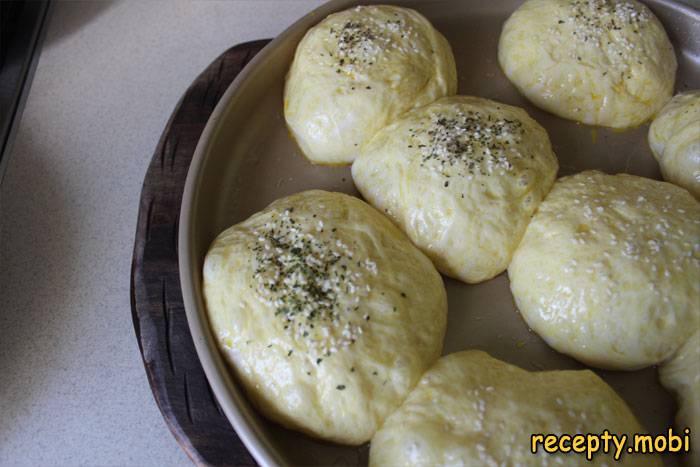
Brush the tops of the buns with a mixture of water and egg yolk (1:1) using a silicone brush – this will give a lovely golden shine.
Sprinkle with sesame (white, black or a mix) and bake at 180 °C for 13–15 minutes until a deep golden colour. Sesame gives the classic "burger" look and a pleasant nutty flavour.
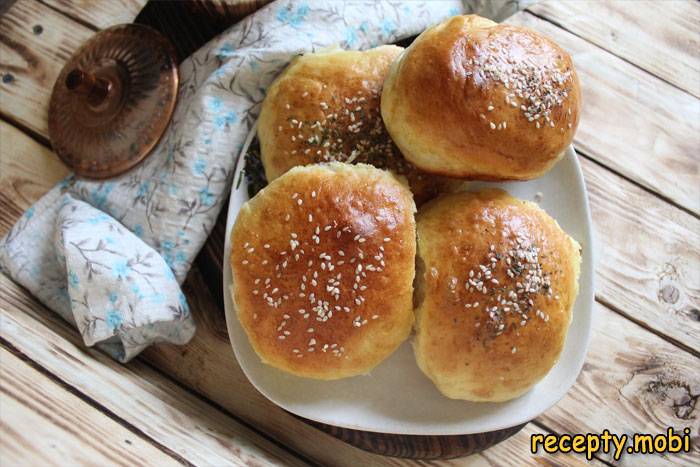
The fragrant burger buns are ready! Let them cool for 10–15 minutes on a wire rack before slicing – hot buns get crushed when you cut them.


Tips
- 1
You can add dried herbs to the topping – thyme, basil, rosemary or garlic – for more aromatic buns.
- 2
Check for doneness with a wooden skewer – it should come out dry when you pierce a bun. Appearances can be deceiving.
- 3
Store the buns in a tightly sealed cellophane bag – this keeps them soft for longer. I use a similar principle for these sweet tea buns.
- 4
Use them for beef burgers, chicken sandwiches, fish burgers, or simply with tea, butter and jam.
FAQ
Can I replace fresh yeast with dry yeast? +
Yes, use 7 g of fast-action dry yeast instead of 20 g of fresh – a ratio of 1:3. Mix fast-action dry yeast straight into the flour; it doesn't need to be "activated" in liquid. Dough made with dry yeast rises a little longer – 30 minutes instead of 20. There is almost no difference in taste, but fresh yeast gives a more pronounced "yeasty" bread aroma. Use only fresh yeast – expired yeast will never raise the dough. Fresh yeast feels soft when squeezed, which shows it is still alive.
Why isn't the dough rising? +
The yeast is expired, or the liquid was too hot (above 40 °C kills the yeast). Use warm liquid at 35–40 °C and check the temperature with your finger – it should feel pleasantly warm. Another reason can be a cold room – yeast needs a temperature of 26–28 °C for active fermentation. Place the bowl of dough near a warm radiator or in a switched-off oven with the light on. The salt and sugar should be in the right proportions – too much salt slows fermentation.
How long do the finished buns keep? +
In a tightly sealed bag at room temperature – up to 3 days. It's not worth keeping them longer, as the buns go stale. You can freeze the finished buns in tightly sealed bags for a month – before using, thaw them at room temperature or in the microwave for 30 seconds. You can refresh stale buns in the oven at 150 °C for 5 minutes – their softness will partly return. For burgers, lightly toast the halves in a dry pan or a toaster – this is a classic trick that adds extra aroma.
- Comment
or post as a guest
Be the first to comment.