avg —
Toast Bread in the Oven

Instructions
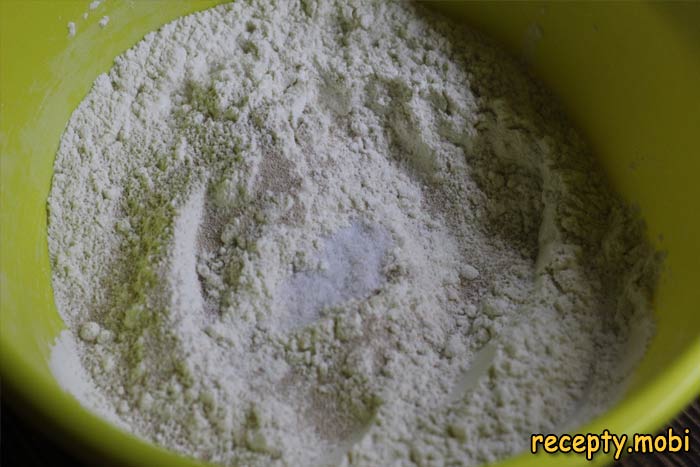
I mix the sifted flour with the crumbled pressed yeast and salt in a large bowl. Sifting the flour is an essential step for airy bread: it aerates the flour with oxygen, so the dough turns out lighter. Combining the dry ingredients with the yeast and salt first ensures they are evenly distributed throughout the dough.
I add warm milk (30–35 °C), warm water, melted and slightly cooled butter and the honey to the dry mixture. The temperature of the liquids really matters: hot ones will kill the yeast, cold ones will not activate it. Check with your finger – it should feel pleasantly warm, like milk for a baby.
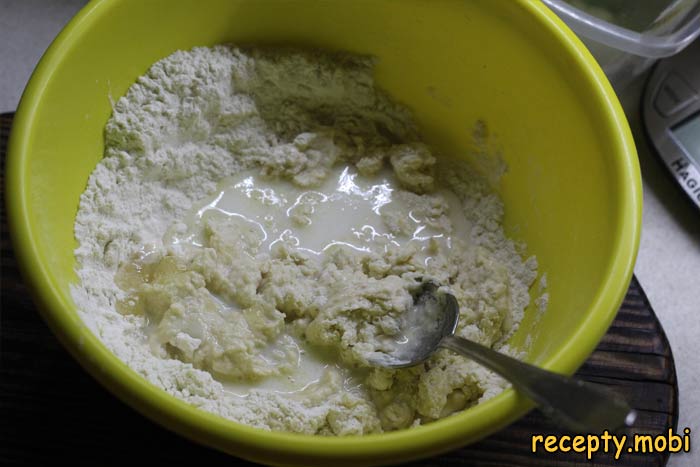
I knead a soft, elastic dough for 8–10 minutes by hand or with a mixer fitted with a dough hook. The dough should stop sticking to your hands but stay soft and pliable. You can also use a bread machine on the «Knead» setting – it does the job in 15 minutes with no effort on your part.
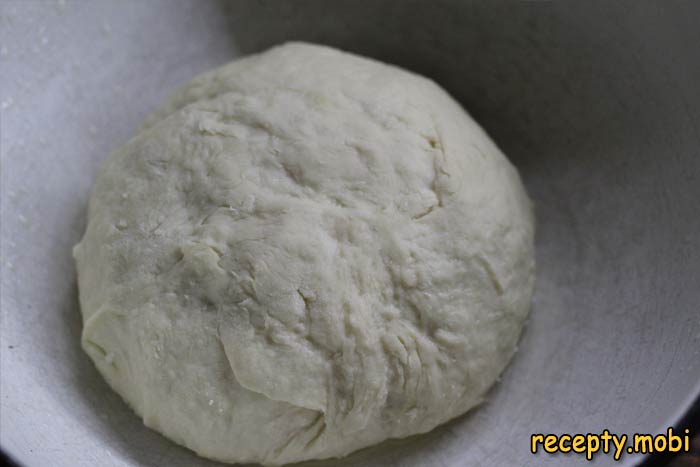
I cover the dough with cling film or a clean tea towel and leave it in a warm place (26–28 °C) for 1 hour for the first rise. The dough should increase in volume by 2–3 times. The ideal spot is near a warm radiator, in a switched-off oven with the light on, or simply on the worktop under a towel.
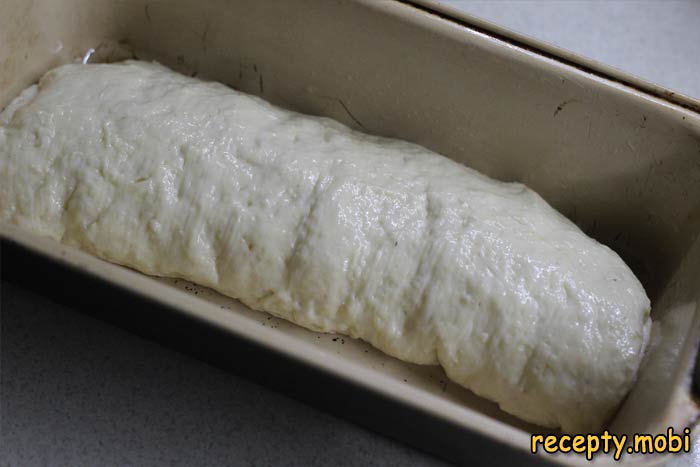
I knock back the risen dough (this releases the carbon dioxide and works in oxygen) and transfer it to a greased square tin for toast bread. The tin should be filled about halfway with dough – it will rise again during the second proving and while baking.
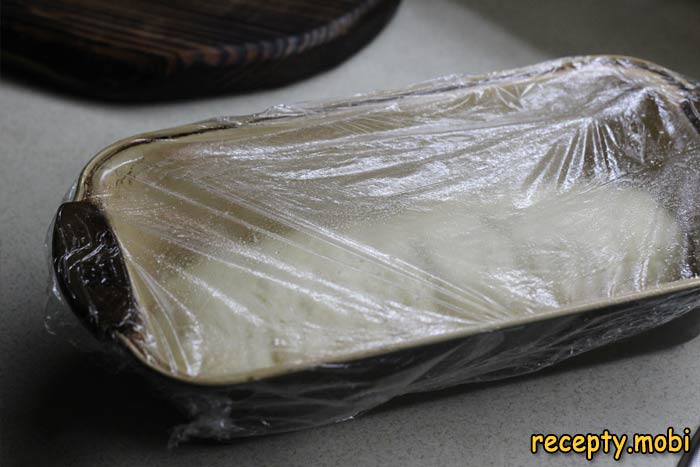
I cover the tin of dough with cling film and leave it in a warm place for 1.5 hours for the second rise. The dough should double in size and almost reach the top of the tin. This second rise is the key to the tender, porous structure of toast bread; without it you end up with a dense brick.
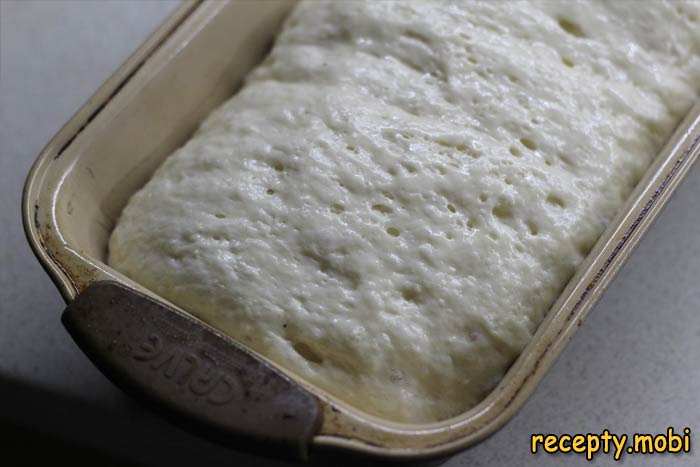
I bake the bread in an oven preheated to 180 °C for about 40 minutes, until it has a rosy golden crust. Halfway through baking (after 20 minutes) you can cover the top with foil if the crust is browning too quickly. Inside, the bread should be fully baked and sound hollow when you tap the base.
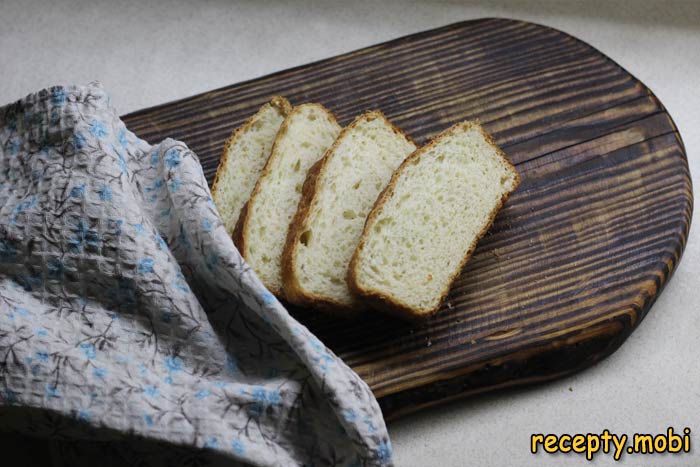
I take the finished bread out of the tin and always let it cool completely on a wire rack for 1–2 hours before slicing. Warm bread slices badly – the crumb squashes and crumbles. Once fully cooled, it cuts into neat, attractive slices. The rack lets air circulate freely, so the bottom crust does not go soggy.
The toast bread is ready! I slice it into even 1–1.5 cm pieces with a sharp serrated bread knife and serve. It is perfect for toasters, toasted slices, sandwiches with butter and jam, and sandwiches with any filling.


Tips
- 1
Use warm milk (strictly 30–35 °C) to activate the yeast – hot milk will kill it, cold milk will not wake it up.
- 2
Check that the bread is done with a wooden skewer – it should come out completely dry. The loaf should also sound hollow when you tap the base.
- 3
Keep the bread in a tightly sealed plastic bag for up to 3 days at room temperature. I bake sourdough bread on a similar principle.
- 4
Only slice bread that has cooled completely – warm bread squashes and crumbles when cut, and loses its attractive look.
FAQ
Can I make the bread without honey? +
Yes, replace the honey with ordinary white sugar in the same proportion (2 tablespoons). You will get a classic toast bread without the honey aroma. You can also use cane sugar (which gives a slight caramel note), maple syrup (a North American character) or agave syrup (for vegans). Sugar or honey is an essential ingredient: it acts as «food» for the yeast and triggers the dough to rise. Without sugar the bread may not rise at all, especially if you are using yeast that is past its best.
Why didn't my bread rise and why did it turn out dense? +
The main reasons are: using yeast that is old or past its use-by date (check the date), milk that was too hot (above 40 °C – the yeast died), milk that was too cold (below 25 °C – the yeast did not activate), too cool a place for proving (you need a temperature of 26–28 °C), or over-salted dough (salt slows the yeast down). Use only fresh yeast – soft to the touch and without a musty smell. A warm place and the exact temperature of the liquids are crucial.
What can I use instead of pressed yeast? +
Fast-action dried yeast in the proportion of 2.5 g dried instead of 7 g pressed. Mix dried yeast straight into the flour – there is no need to «activate» it in liquid. You can also use ordinary active dried yeast (3 g instead of 7 g pressed) – first dissolve it in warm water with a pinch of sugar for 10 minutes, until a foam appears. A sourdough starter instead of yeast will give a completely different (more sour) flavour, but it requires a different recipe and timing. Pressed yeast gives the most classic, «homemade» aroma.
How long does homemade toast bread keep? +
In a tightly sealed plastic bag at room temperature – up to 3 days without any loss of quality. On the second and third day it is perfect for toasting in a toaster, becoming even crispier. In the freezer, sliced and in an airtight bag – up to 1 month; take out 2–3 slices at a time and put them straight in the toaster without defrosting. I do not recommend storing it in the fridge – bread goes stale quickly there because of the low humidity.
- Comment
or post as a guest
Be the first to comment.