avg —
Sweet Braided Bread Made from Rye Flour with Kefir

Instructions
I start by making the kefir starter. Pour a glass of kefir into a deep bowl and warm it slightly – it is important not to overheat it, or the kefir will curdle. Add 4 tablespoons each of sugar and rye flour to the warm kefir. Crumble the pressed yeast with your hands and add it to the bowl. Pressed yeast is the best choice for rye dough.
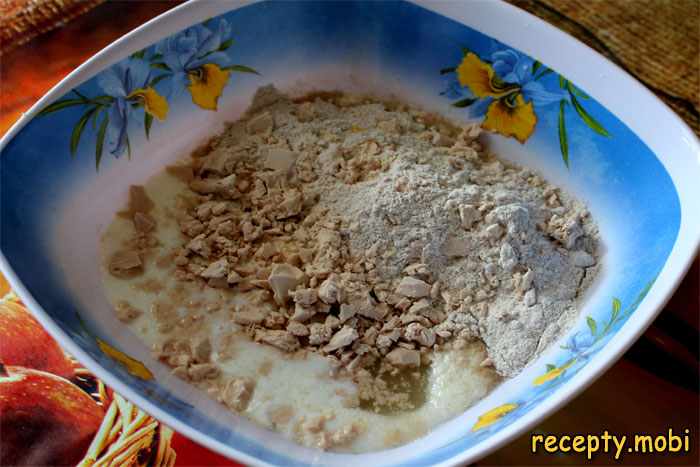
Stir the yeast thoroughly with the other ingredients using a spoon. Make sure the yeast dissolves completely in the warm kefir – the quality of the rise depends on this.
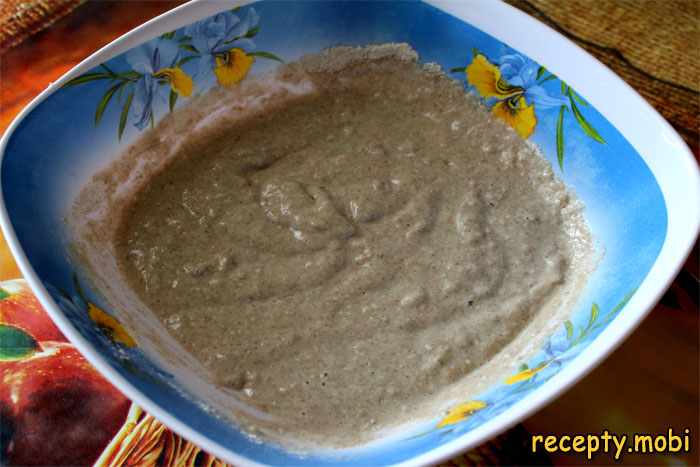
Cover the bowl with the starter with a terry towel and put it in a warm place for 15 minutes. During this time the starter should froth and increase in volume – a sign that the yeast has activated.
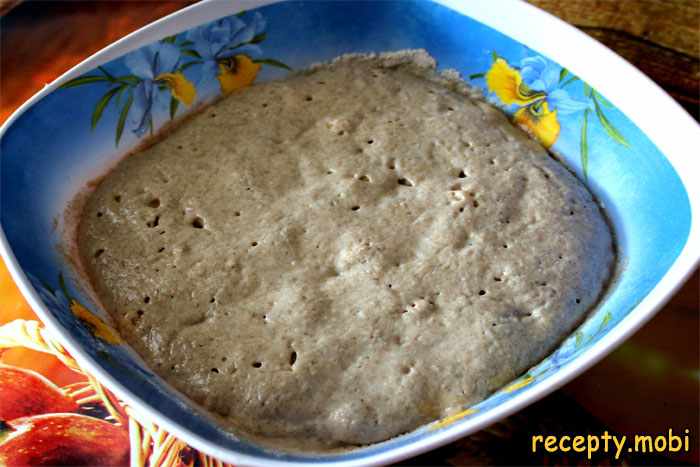
Put the butter into a separate bowl and pour in the remaining kefir. The butter will be melted in a water bath, but it is important not to overheat the kefir.
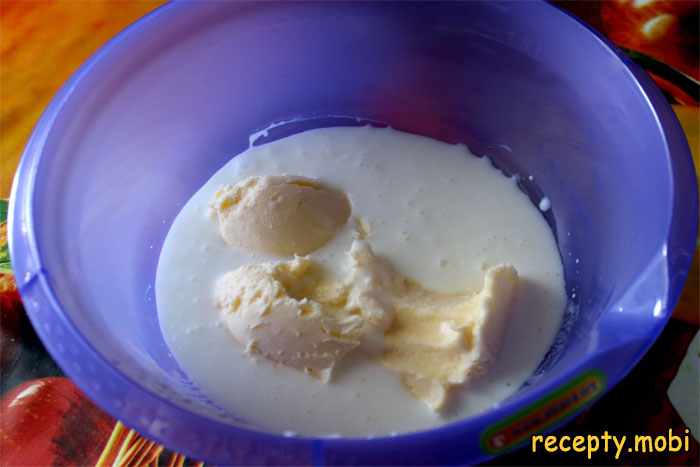
Place the bowl over a water bath and watch the butter. As soon as it begins to melt, take it off the bath at once and stir – if it is left too long, the kefir will overheat and curdle. Pour the butter-and-kefir mixture into the starter. Add the rye flour and the remaining sugar to the same bowl, and beat in 2 eggs (keep the third for glazing).
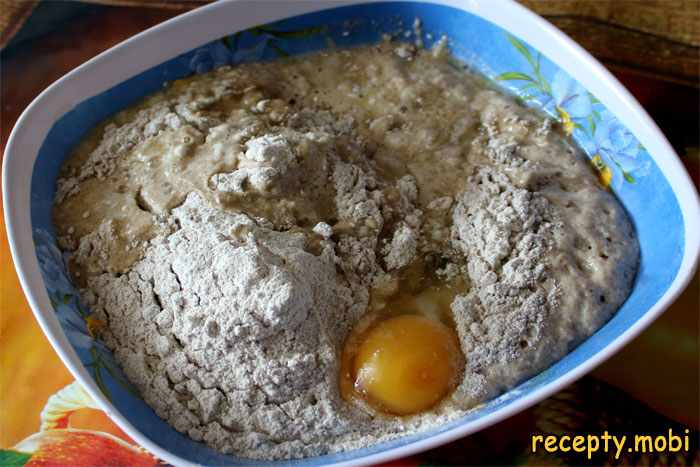
Knead a firm yeast dough. Let it rest for 30 minutes – during this time it will rise. Knock it back and let it rest again. Repeat the knocking back 2–3 times – the more you work the dough, the fluffier the braid will be.
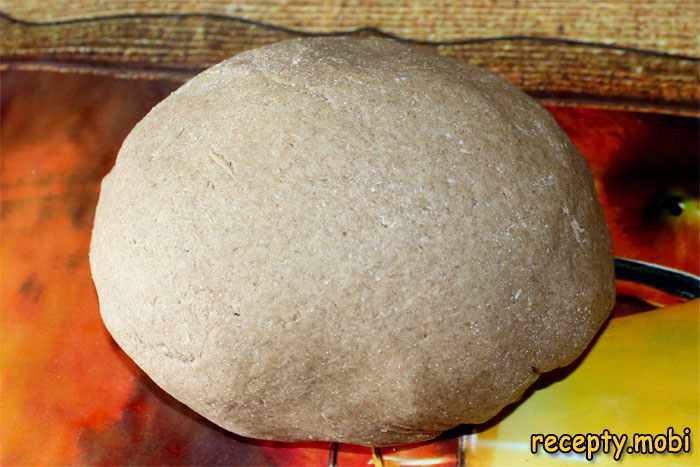
Divide the risen dough into 3 equal parts. Roll each part by hand into a long rope of equal length. Join all three strands together at one end – this will be the start of the plait.
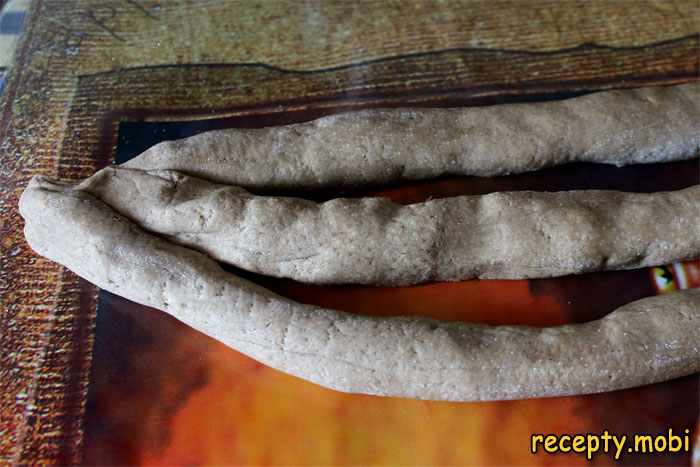
Sprinkle a baking sheet with flour and start plaiting the braid. Work quickly and confidently – rye dough is not as elastic as wheat dough and can tear and crack. Plait the strands into a braid and pinch the ends. Transfer the finished braid onto the baking sheet.
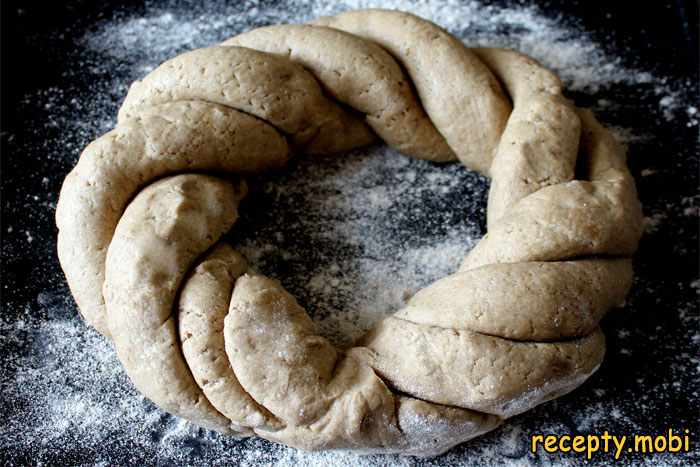
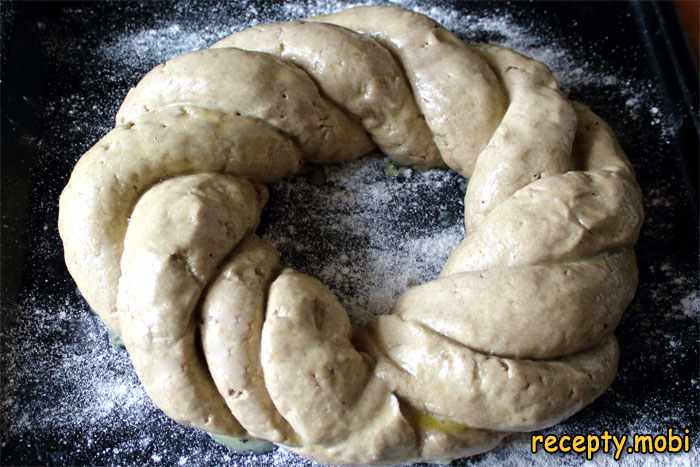
Turn the oven on to preheat to 200°C. While the oven heats up, the braid will rise a little more. Beat the remaining egg in a plate and brush the braid with it. Leave a little egg for a second coat. Put the baking sheet into the preheated oven.
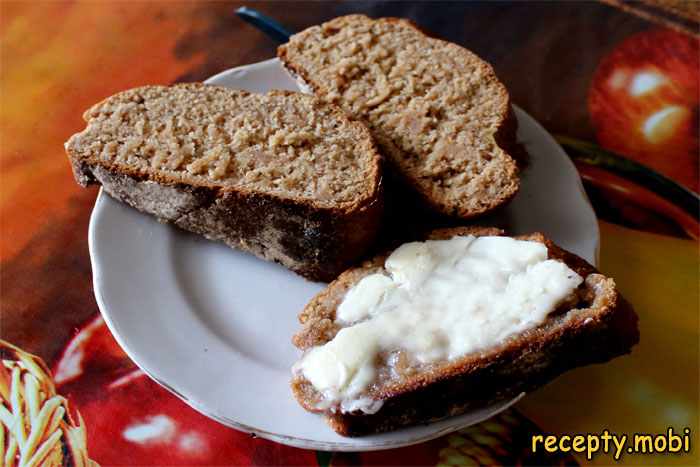
Bake the braid at 200°C for about 40 minutes. Five minutes before it is ready, take the baking sheet out, brush the braid with egg once more and return it to the oven. The total baking time is about 45 minutes. The finished braid has a beautiful golden-brown crust.
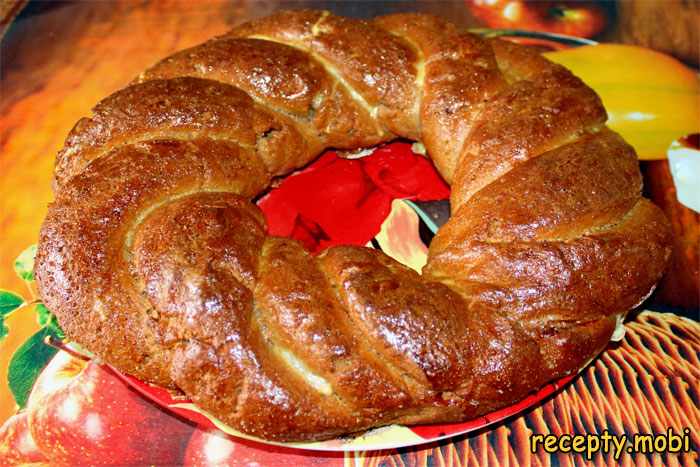
Take the braid out of the oven and let it cool a little. Serve it either warm or cooled. Rye braid goes especially well with tea or milk. You can spread it with butter, drizzle it with honey or serve it with fragrant jam.


Tips
- 1
For this recipe it is best to use fresh pressed yeast – it gives a more reliable result with rye dough. If you swap it for dry yeast (11 g instead of 40 g pressed), reduce the sugar to 1.5 cups.
- 2
Do not overheat the kefir – it will curdle and spoil the dough. Warm it only until it is just warm (about 35°C).
- 3
Rye dough is less elastic than wheat dough. Work with it quickly and confidently so the strands do not tear. If cracks appear, carefully pinch them together.
- 4
A double egg glaze gives the braid a beautiful glossy crust of a rich golden colour.
FAQ
Can I mix rye flour with wheat flour? +
Yes, you can use a mixture in a ratio of 1:1 or 2:1 (rye to wheat). The dough will become more elastic and easier to work with, but the characteristic rye flavour will be less pronounced.
Why is the dough not rising? +
The reasons can vary: stale yeast, kefir that is too hot or too cold, or a proving spot that is not warm enough. Check that the yeast is fresh and watch the temperature of the kefir – it should be pleasantly warm, around 35–40°C.
Can I use dry yeast? +
Yes, you can replace 40 g of pressed yeast with 11–12 g of fast-action dry yeast. I add dry yeast straight into the flour and reduce the sugar to 1.5 cups – too much sugar can suppress the action of dry yeast.
How long does the finished braid keep? +
Wrapped in cling film at room temperature, up to 3 days. Thanks to the kefir in the dough, the braid stays soft for a long time and does not go stale. It can be frozen for up to 1 month.
What can I use instead of kefir? +
Soured milk, natural yoghurt or ryazhenka will work. Ryazhenka adds an extra baked-milk note. Milk with lemon juice (1 tablespoon of juice per 500 ml of milk) can also be used as a substitute.
- Comment
or post as a guest
Be the first to comment.