avg —
Imeretian Khachapuri

Instructions
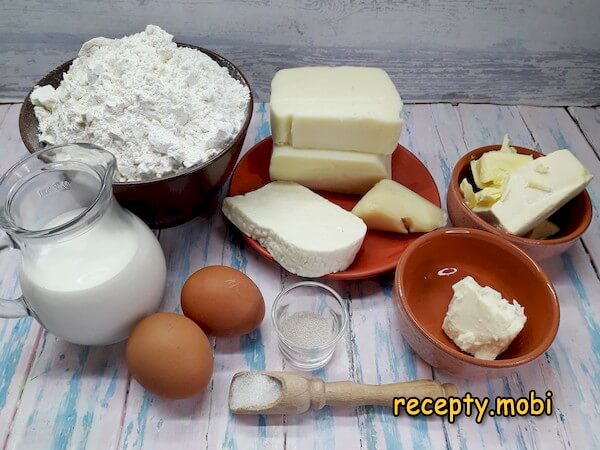
I get all the ingredients for the Imeretian khachapuri ready, following the list.
To help the dough rise faster, make a sponge. Dissolve the yeast, the sugar and 3 tbsp of flour in the milk, which must be warm – in cold milk the yeast stays inactive, and in hot milk above 50 °C it dies off. Whisk to break up any lumps, then leave the mixture on the counter under a towel.
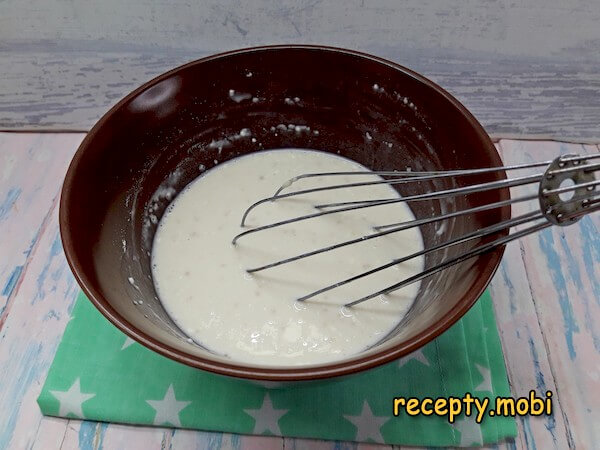
After about 10 to 15 minutes the sponge comes to life, rising into a lively foam.
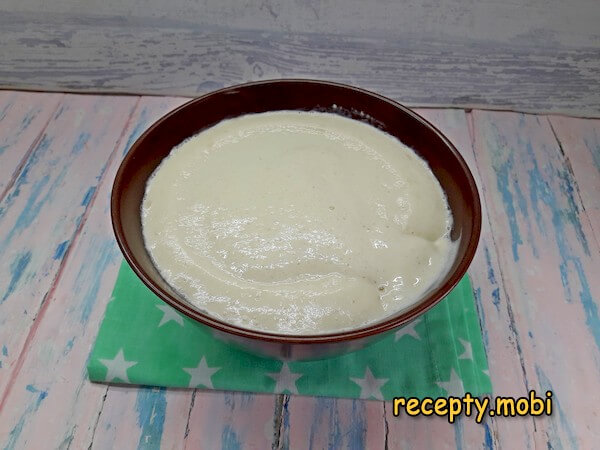
Straight in the mixing bowl, beat the eggs with a little salt.
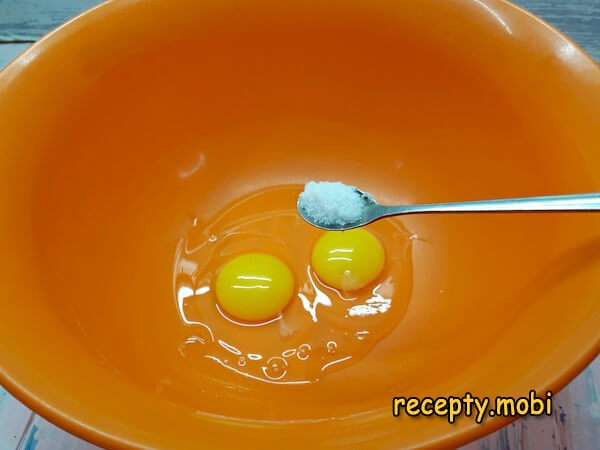
Melt the butter set aside for the dough, and once it has cooled, pour it into the egg mixture.

Add the sponge to the same bowl.
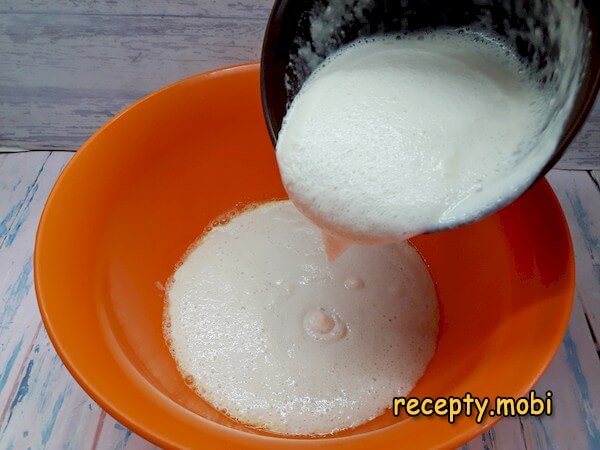
Sift in all the flour at once – with this amount the dough will not turn out too stiff.
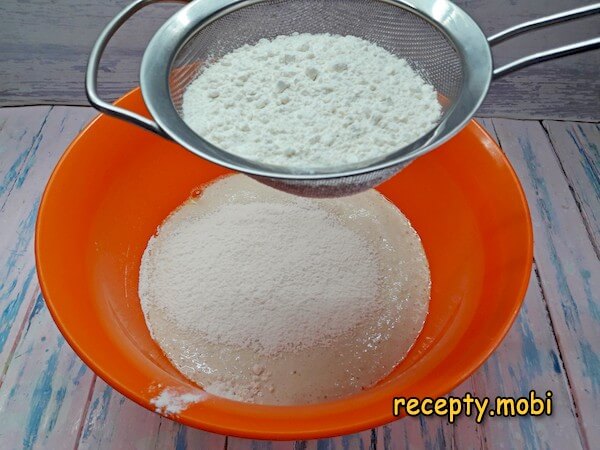
While the mixture still has plenty of liquid in it, stir the dough together with a spoon.
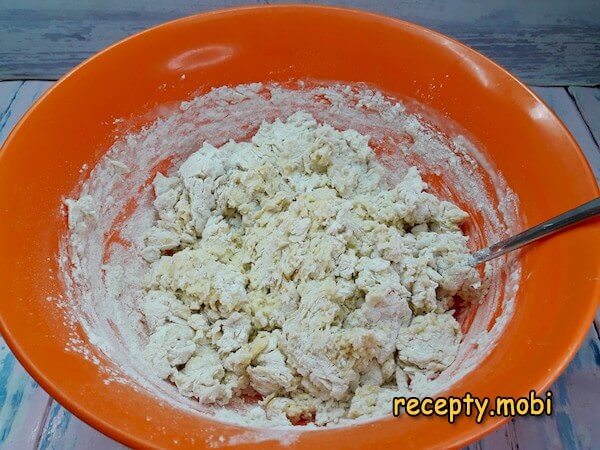
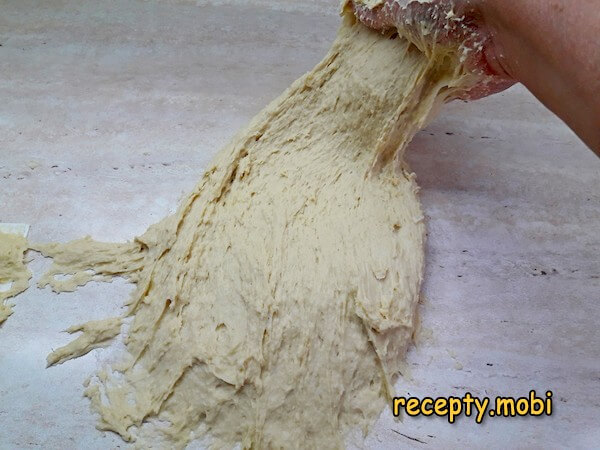
Turn the rough dough out onto the counter and begin kneading by hand, stretching it across the surface, lifting it and gathering the sticky mass back into a ball. Gradually, after about 7 to 10 minutes, the dough becomes smooth and even and almost stops sticking to your hands.
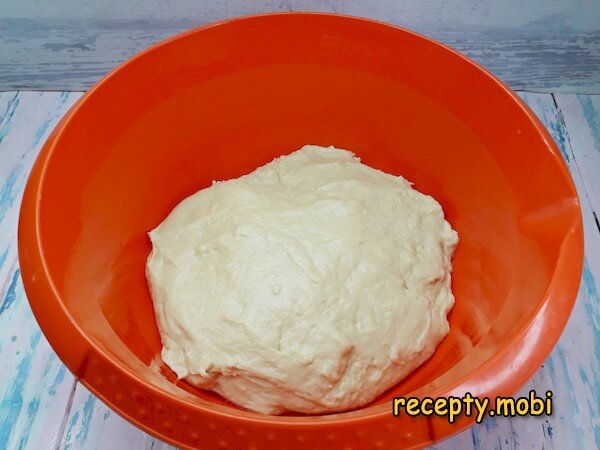
Place it in an oiled bowl, where it will prove.
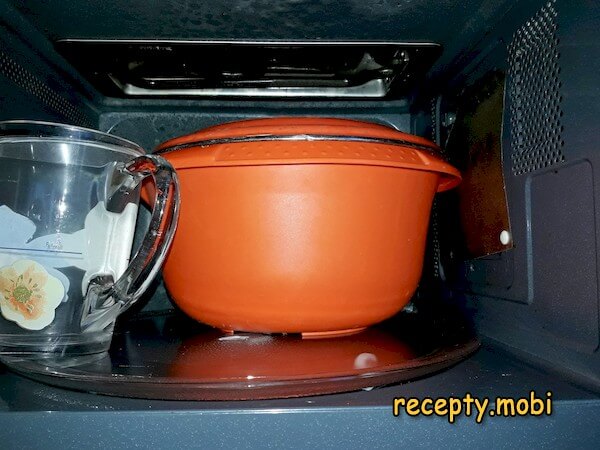
The best conditions for yeast dough are a warm spot that is not too dry. So set it, covered, inside the microwave. Put a cup of boiling water in there as well, as its heat and steam help the yeast work faster.
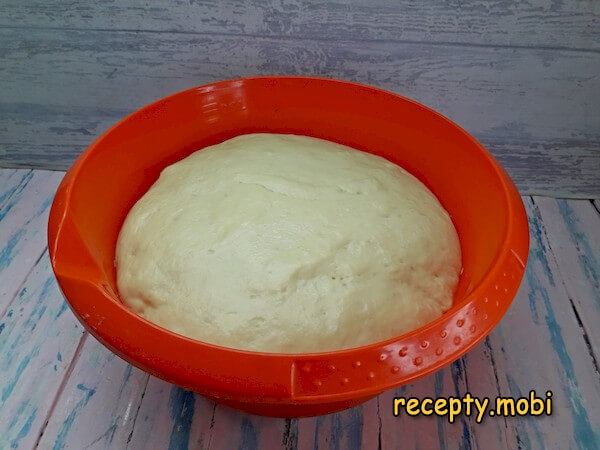
After 1.5 hours the dough has risen and doubled in size.
Now for the filling: grate all the cheeses coarsely and mix them together.
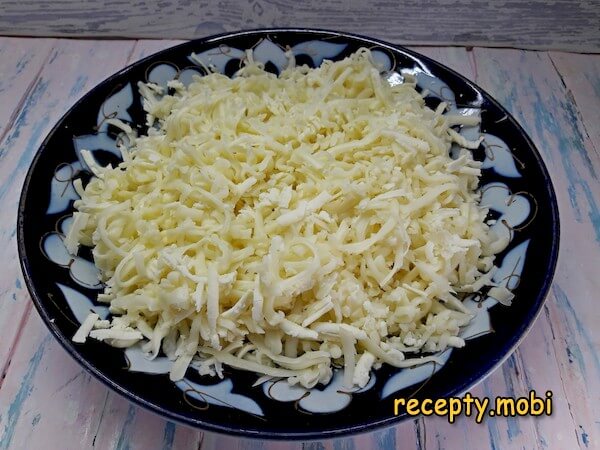
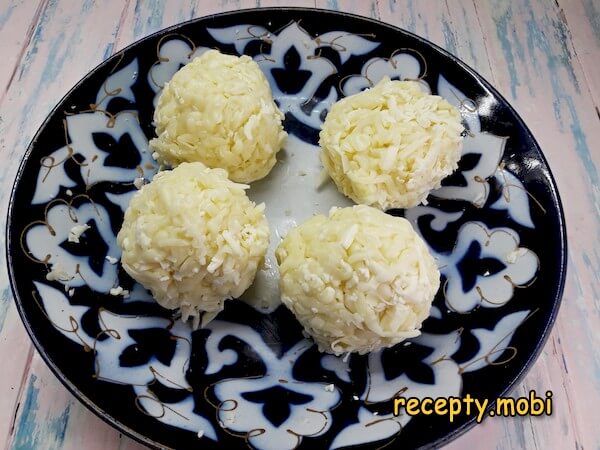
Divide the mixture into 4 portions, then shape each into a ball. You can now set the oven to 190 °C to preheat.
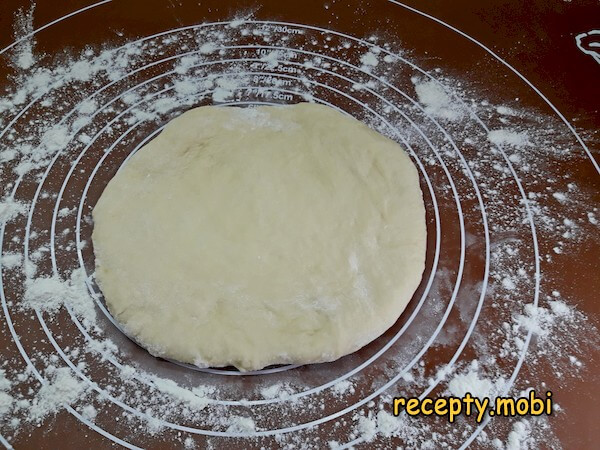
Pinch off a quarter of the dough, form it into a ball, and flatten it between your palms into a small flatbread a little wider than the cheese ball. Dust the work surface and your hands with flour as you go.
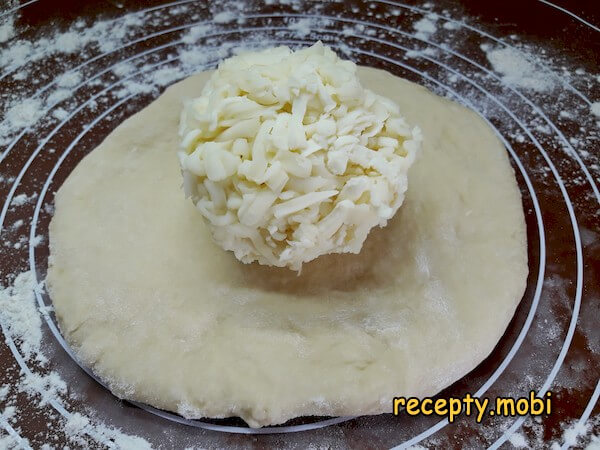
Place a ball of filling in the centre of the flatbread.
Lifting the edges of the dough up over the cheese ball, pinch them together at a single point.
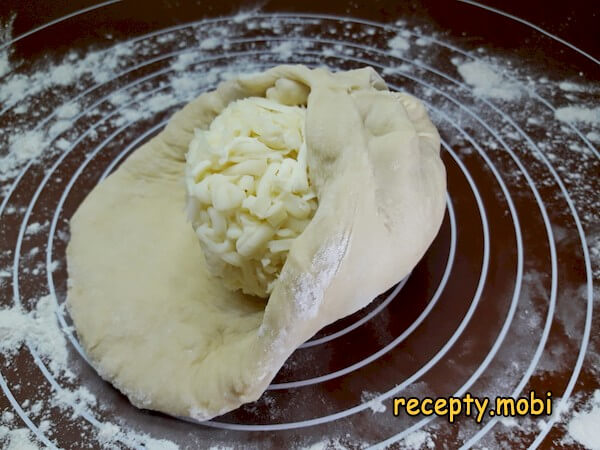
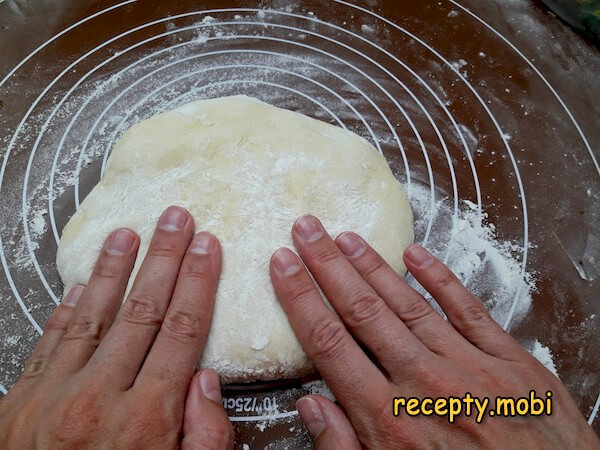
Turn the flatbread seam-side down and gently flatten it by hand, spreading the cheese evenly across the whole circle.
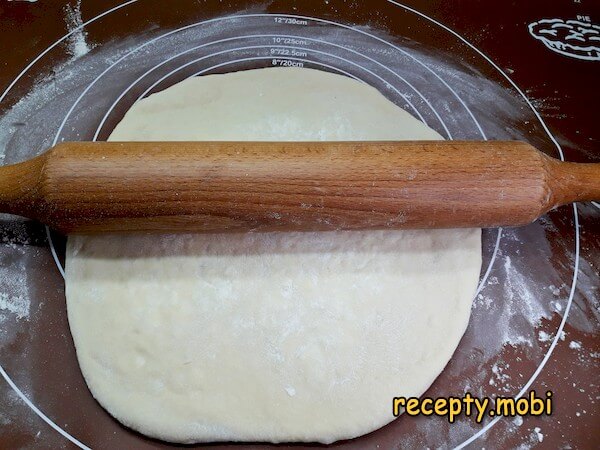
Next, take a rolling pin and roll the flatbread out to a thickness of 10 to 15 mm, taking care not to tear the dough, as most of the filling would leak out through any holes.
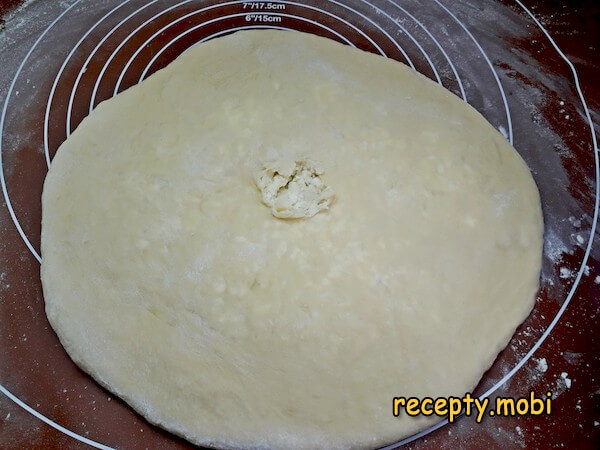
Make a small hole in the centre to let the steam escape.
Transfer the flatbread to a lined baking sheet. Thin the yolk with a spoonful of water and stir. Brush it over the top of the flatbread.
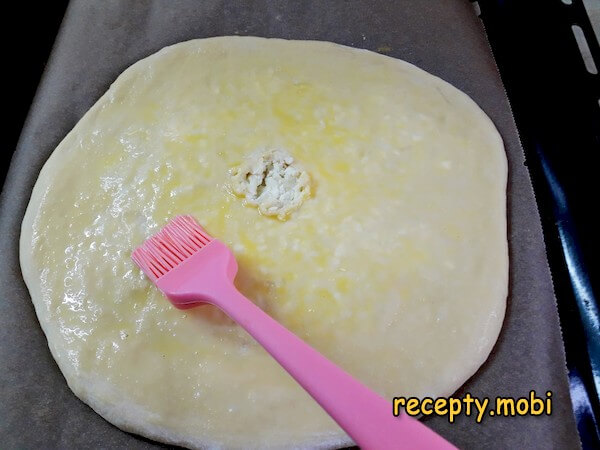
Bake the khachapuri for 15 minutes – the dough should be baked through but not dried out.
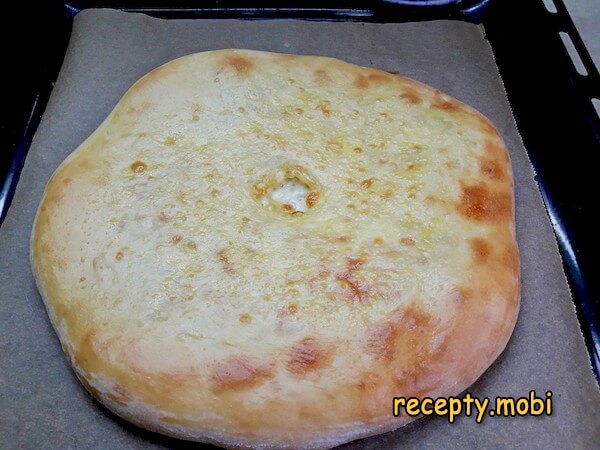
As soon as you take it out of the oven, brush it straight away with melted butter.

Stack the Imeretian khachapuri one on top of another. The dough of the hot flatbreads is soft and simply steaming, and the blend of cheeses, melted into a single whole, is utterly delicious. Imeretian khachapuri is eaten both cold and hot, with any dishes and even on its own. This is without doubt a wonderful flatbread that is well worth trying!



Tips
- 1
Milk at 38 °C is the secret to a good sponge. In cold milk the yeast will not work, and in hot milk (50 °C and above) it dies. It needs to be precisely warm.
- 2
A sponge in 10 to 15 minutes is the secret to a well-risen dough. A sponge that has foamed up vigorously speeds up the second rise twofold.
- 3
Three kinds of cheese are the secret to the flavour. The Imeretian provides the brined note, the suluguni the stretch, and the hard cheese the saltiness.
- 4
A hole in the centre is the secret to keeping it from bursting. Without the hole, the steam inside would tear the dough apart.
FAQ
Which cheese should I choose? +
The ideal choice is fresh Imeretian – the classic option, soft and brined. Alternatives are bryndza (150 g, saltier), Adyghe cheese (150 g, milder) or feta (150 g, the Greek take). For the suluguni, the classic amount of 400 g is essential; alternatives are unsmoked chechil (400 g, thin braids) or mozzarella (400 g, less authentic). For the hard cheese, parmesan (50 g) or grana padano (50 g) work well. Do not use processed cheese, which will run, or salty dry cheese, which will change the flavour.
What can replace the yeast? +
Alternatives are fresh pressed yeast (15 g, for a brighter flavour), instant dry yeast (5 g, no need for a sponge), or a kefir starter (50 ml of live kefir plus 1/2 tsp of baking soda, the old-fashioned way). You can also go without yeast, adding 1 tsp of baking powder instead, though the flatbread will then be unleavened. Do not use yeast that is past its date, as it will not rise. For the classic version, granulated active yeast (5 g) is essential; for a quicker version, use instant yeast.
How long does khachapuri keep? +
Wrapped in the refrigerator it keeps for 2 days. Any longer and the dough goes stale and the cheese loses its stretch. Before serving, reheat it in the oven for 5 to 7 minutes at 170 °C to restore its softness, or in the microwave for 30 seconds. In the freezer, frozen in portions, it keeps for up to 1 month. Thaw it in the refrigerator for 4 to 6 hours, or put it straight into the oven for 10 minutes at 170 °C. Do not leave it at room temperature for longer than 12 hours, as the cheese will turn sour.
What goes well with khachapuri? +
The Georgian classic is a glass of matsoni (a Georgian fermented milk drink) or a cup of Georgian tea. Red wines such as Saperavi or Khvanchkara make a fine pairing, as does a shot of chacha. Serve it with fresh herbs (parsley, tarragon, basil), with adjika or tkemali as a Georgian-style relish, with brined salads, or with a meat broth or kharcho as a starter. It also goes with a cup of Turkish coffee or with salted cucumbers or tomatoes, and it works as a meal on its own for breakfast or supper. With honey or jam it makes an unusual treat. It is a versatile Georgian pastry for gatherings and family meals.
- Comment
or post as a guest
Be the first to comment.